
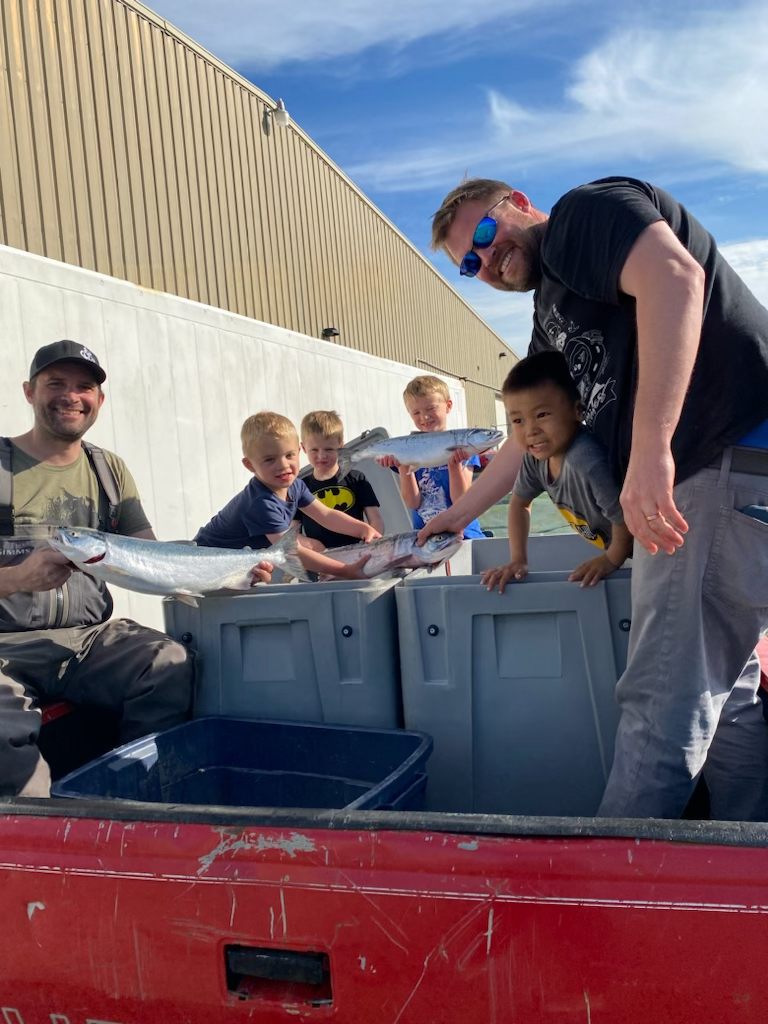
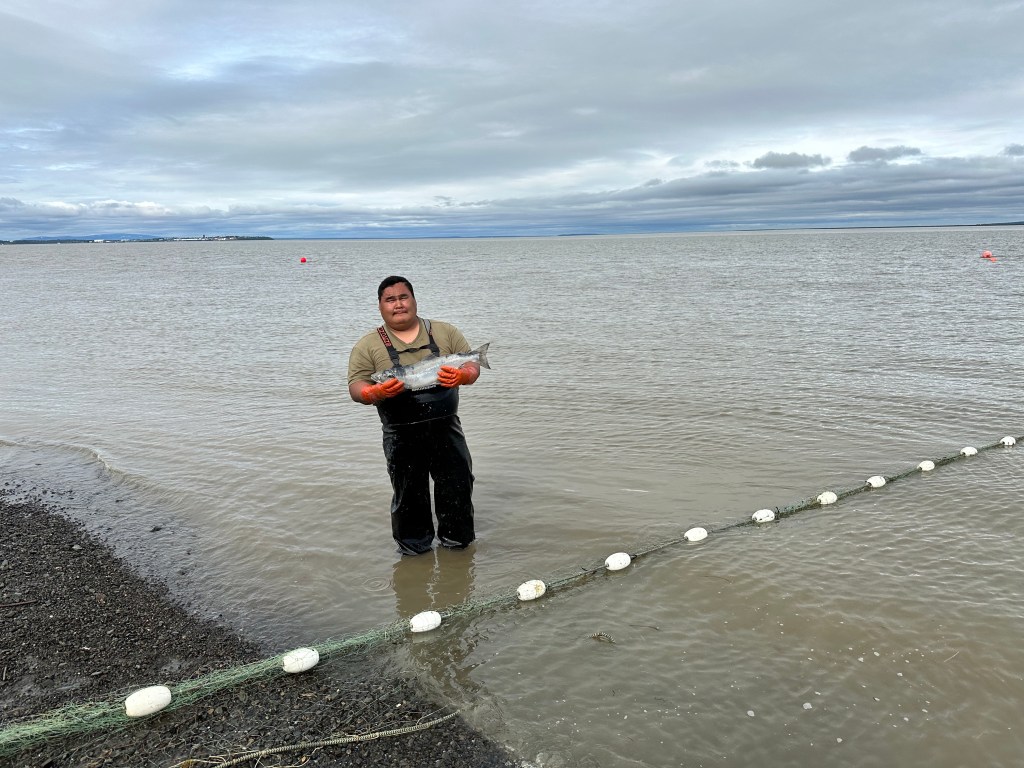
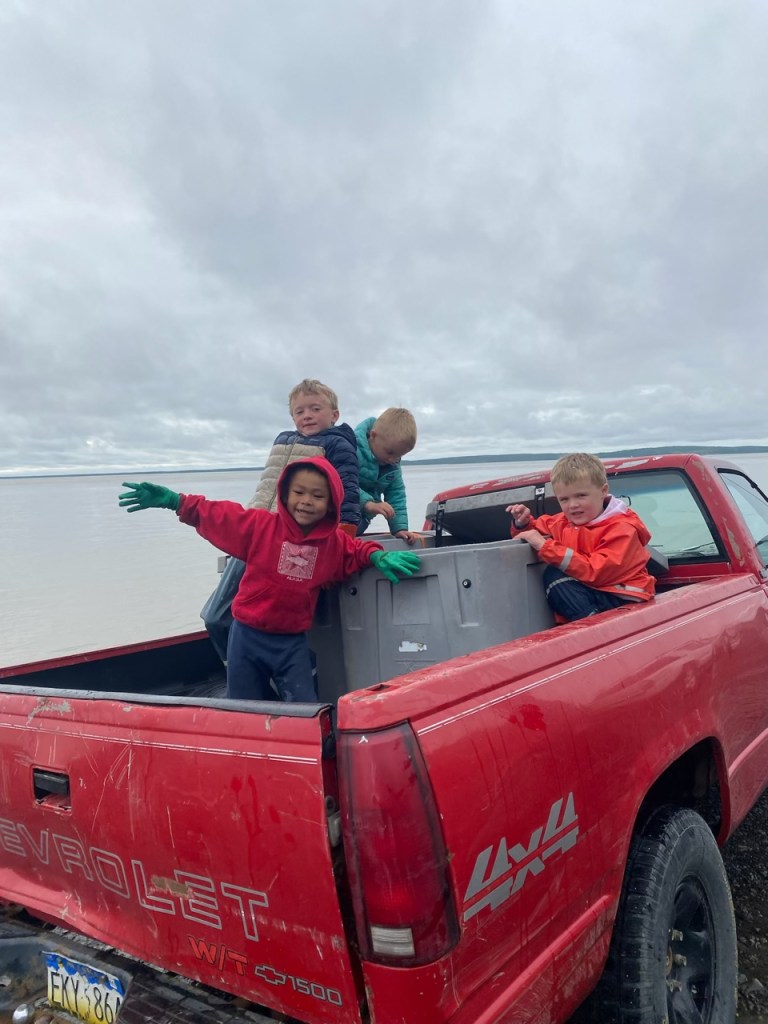
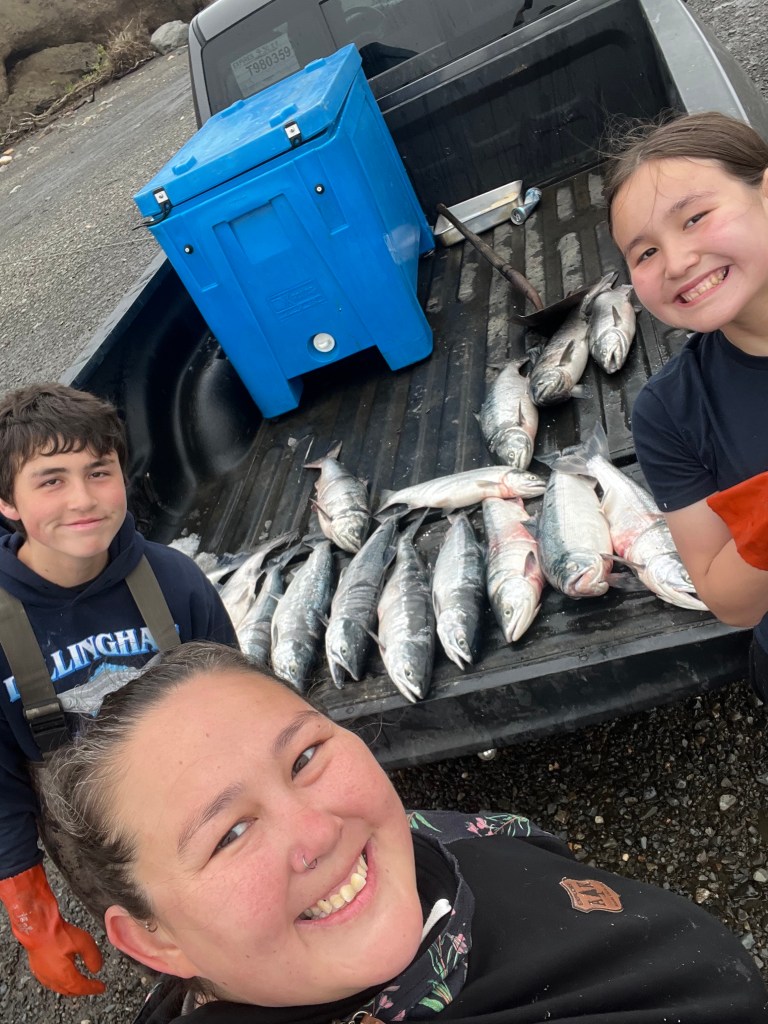
DILLINGHAM, Alaska — In June, Dillingham-area residents harvested and collected more than 5,000 pounds of subsistence-caught sockeye salmon that will be distributed to families in the Yukon and Chignik river areas unable to harvest their own local salmon due to low salmon returns.
The salmon donation was coordinated through the Sitka-based Alaska Longline Fishermen’s Association’s (ALFA) Seafood Distribution Network with the help of local partners, including Northline Seafoods, Bristol Bay Native Association, Grant Aviation, and Bristol Bay Native Corporation.
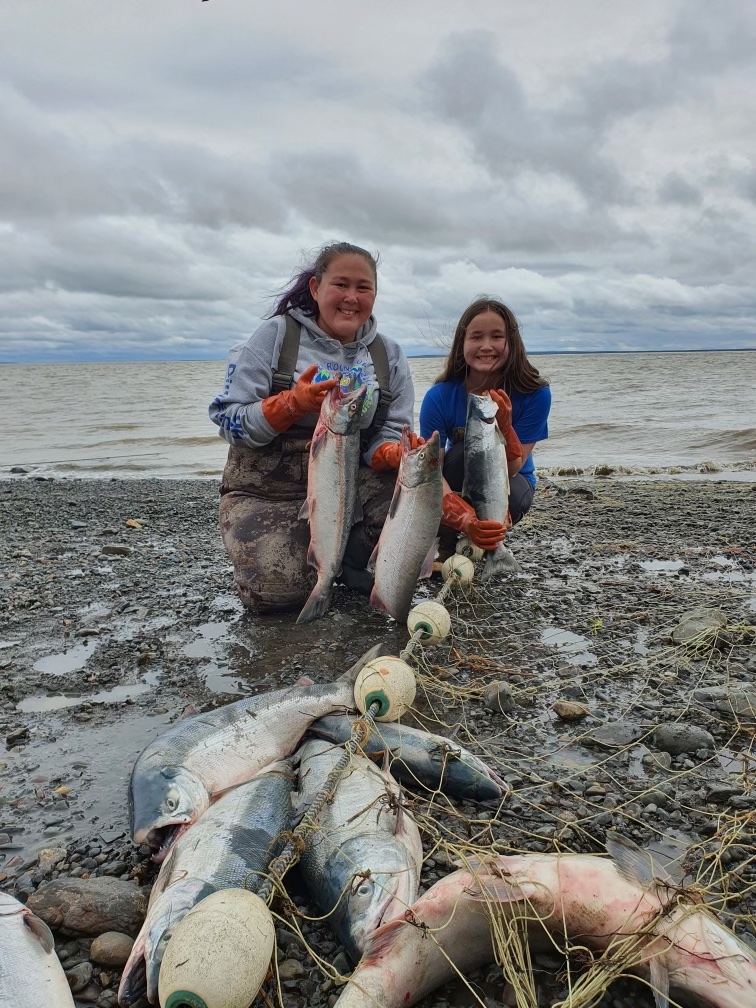
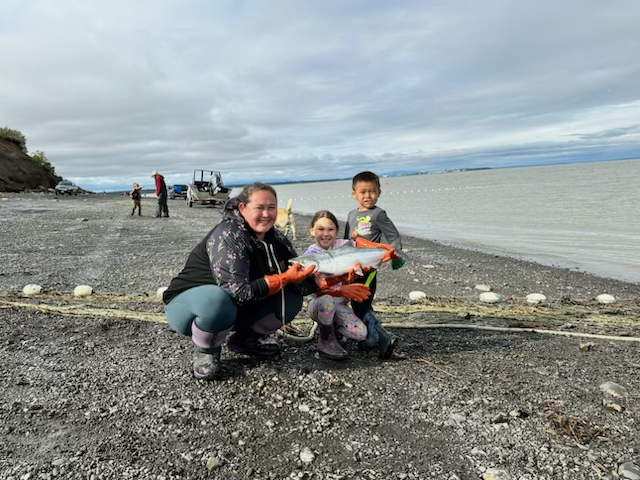
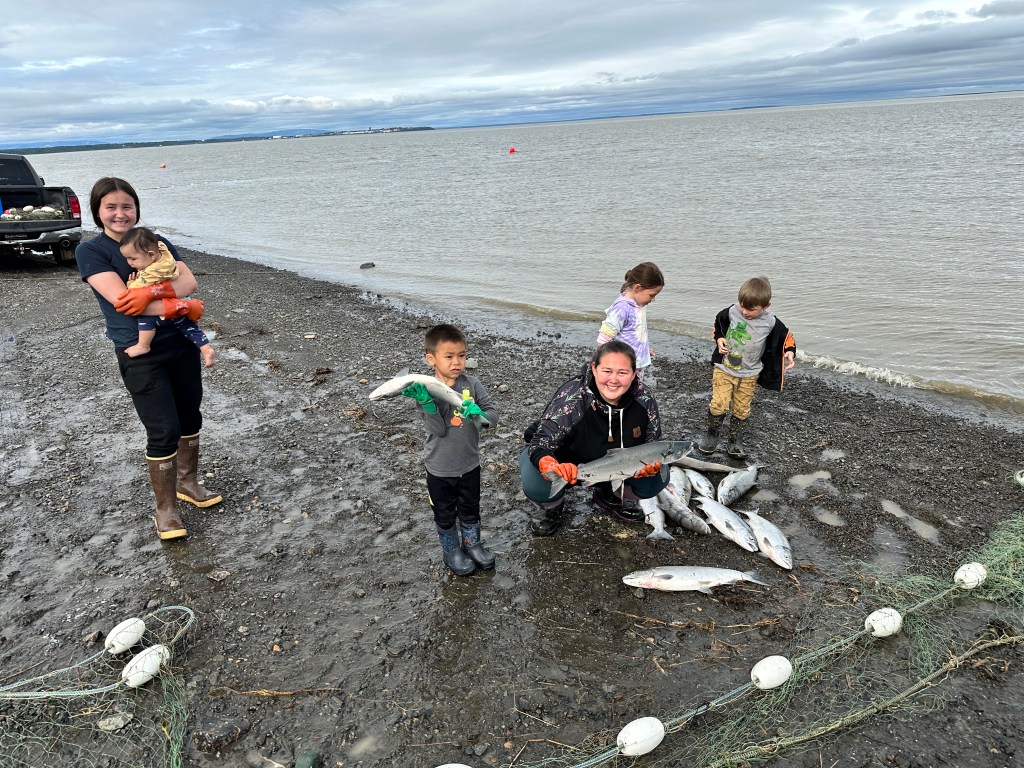
In June, before Bristol Bay’s commercial fishery opened, local Dillingham residents helped ALFA collect subsistence salmon from families who were fishing at Dillingham’s Kanakanak Beach. Sitka-based Northline Seafoods — a new seafood processor in Bristol Bay that specializes in processing and freezing whole fish — helped oversee the cleaning and freezing of the salmon. The salmon was frozen whole in response to requests from Yukon and Chignik communities for whole fish so that they could fully use the salmon and practice their food traditions. In addition, each salmon was labeled with the name of the family that donated it.
In the coming weeks, Grant Aviation will help fly the salmon to Yukon and Chignik villages, including Alakanuk, Pitkas Point, Saint Mary’s, Chignik Lagoon, and Chignik Bay. The fish will also be used by the Yukon River Drainage Fishermen’s Association Educational Exchange program where several youth will travel to communities on the Yukon and share their experiences around salmon.
“This salmon donation project was a bit of an experiment for us; we didn’t know how many people would be willing to contribute a portion of their subsistence harvest for families that they didn’t know. When people heard that we were collecting salmon for the Yukon and Chigniks, they jumped at the chance to contribute and help other Alaskans — especially those who depend on subsistence for their diet and culture. We were thrilled by the positive responses and were able to collect our target of 5,000 pounds of salmon much quicker than anticipated,” said Natalie Sattler, program director for the Alaska Longline Fishermen’s Association. “We couldn’t have done it without the generous support of our partners, especially Bristol Bay Native Association, Grant Aviation, and Northline Seafoods.”
“Our company was first approached in 2020 to help address the growing shortage of salmon in Alaska’s rural communities and have been involved in the Seafood Distribution Network ever since. Making sure local Alaskans have access to high quality seafood is incredibly important to us and we are committed to supporting the Network’s ongoing efforts to build the infrastructure and distribution systems needed to improve the resiliency and sustainability of Alaska’s local food system,” CEO of Northline Seafoods Ben Blakey said.
“At a time when so many communities are struggling with low salmon returns and facing another summer of empty smokehouses and freezers, I am filled with hope to see local, grassroots efforts like this salmon donation project in Dillingham. This project not only embodies what subsistence is all about, but it is also an example of Alaskans at their best: sharing and taking care of each other during times of need. Low salmon abundance is an issue that needs to be addressed at every level, from the federal government down to individual communities, and efforts like this are an important piece of that larger goal, ” Alaska U.S. Rep. Mary Peltola said.
The Seafood Distribution Network emerged through ALFA’s Seafood Donation Program, which was started in March 2020 in response to COVID-19 and its impacts on local fisheries and families. Since then, ALFA’s Seafood Donation Program has provided more than 645,000 donated Alaska seafood meals to families experiencing food insecurity in Alaska and the Pacific Northwest.
With funding from the USDA, ALFA is currently undergoing a Regional Food System Partnership planning process in which it will develop a more long-term plan for the Seafood Distribution Network and future seafood donation efforts.
• Seabank, the 2022 annual report of the Alaska Sustainable Fisheries Trust






 Sitka Local Foods Network
You must be logged in to post a comment.