• The Garden Show returns to KCAW-Raven Radio spring programming lineup

KittyLaBountyAndMollieKablerKCAWGardenShow

Kitty LaBounty, left, and Mollie Kabler have been hosts of The Garden Show on KCAW-Raven Radio for more than 20 years. (Photo courtesy of KCAW-Raven Radio)

For more than 20 years, Mollie Kabler and Kitty LaBounty have taken to the airwaves during the spring months for The Garden Show on KCAW-Raven Radio.

The show returned to the programming lineup earlier this month and airs from 5:30-6 p.m. on Saturdays from April through June, or longer into the summer if work schedules permit. Topics include timely tasks for gardening in Southeast Alaska, taking on-air questions, and themes around basic and more advanced gardening of vegetables, flowers, fruit etc.

Mollie and Kitty both have been gardening in Sitka for more than 25 years, and they also have gardening experience from their childhoods in Wisconsin (Mollie) and Oregon (Kitty). They both have passed the Master Gardener classes offered by the University of Alaska Fairbanks Cooperative Extension Service.

To call the show with gardening questions, call 747-5877 between 5:30-6 p.m. on Saturday.

• UAF Cooperative Extension Service to host two-part workshop on Sitka gardening

Bob Gorman, Extension Agent of the Sitka office of the University of Alaska Fairbanks Cooperative Extension Service, shows some germinating seed starts during a free garden workshop on March 11, 2009.

Bob Gorman, Extension Agent of the Sitka office of the University of Alaska Fairbanks Cooperative Extension Service, shows some germinating seed starts during a free garden workshop on March 11, 2009.

Bob Gorman with the Sitka District office of the University of Alaska Fairbanks Cooperative Extension Service will host a two-part informative class on Mondays, April 21 and 28, about the unique challenges of gardening in Southeast Alaska. He also will host a workshop on Tuesday, April 22, about sustainable wood heat options for rural Alaska. All classes will take place at the University of Alaska Southeast Sitka Campus.

The two-part class about Southeast gardening will include topics such as selecting and starting seeds, transplants, grow lights, greenhouses, growing media, and managing garden soils. These are the last three workshops Bob will teach before he retires after a long career with the UAF Cooperative Extension Service in Sitka.

  • Monday, April 21, 7-8:30 p.m., UAS Sitka Campus Room 229, “Extending the Growing Season.”
  • Tuesday, April 22, 7-8:30 p.m., UAS Sitka Campus Room 106, “Sustainable Wood Heat.”
  • Monday, April 28, 7-8:30 p.m., UAS Sitka Campus Room 106, “Garden Soils.”

For more information, call the Sitka District office of the UAF Cooperative Extension Service at 747-9440.

• Sitka Food Co-op, Sitka Local Foods Network make plant starts available on co-op delivery days

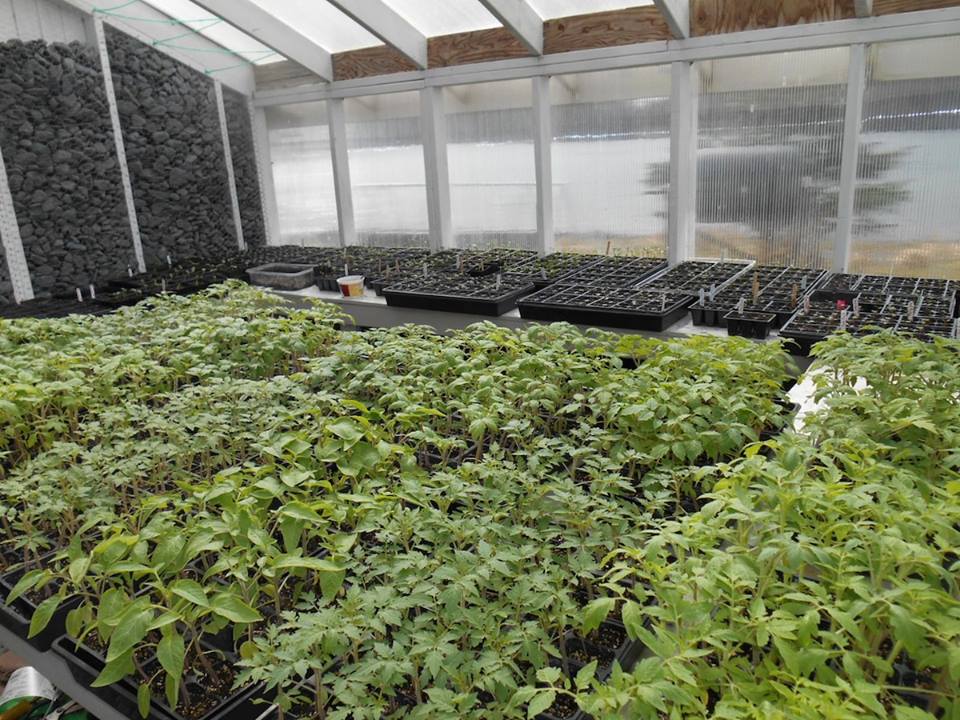
Plant starts in Sitka gardener Keith Nyitray's greenhouse

Plant starts in Sitka gardener Keith Nyitray’s greenhouse

The Sitka Local Foods Network and Sitka Food Co-op are teaming up to make garden starts available for Sitka food gardeners.

The plant starts will be available through the Sitka Local Foods Network on the next three monthly Sitka Food Co-op delivery days, from 4:30-6:30 p.m. on Monday, April 21, May 19 and June 23, at the Sitka First Presbyterian Church (505 Sawmill Creek Road). The sale of these plant starts helps benefit the Sitka Local Foods Network, and we thank the Sitka Food Co-op for the opportunity to sell them on their delivery pick-up days. The plant starts are from Sitka gardeners and are of plants that do well in Sitka’s climate.

For more information, contact Keith Nyitray of the Sitka Food Co-op at sitkafoodcoop@gmail.com or go to http://sitkafoodcoop.org/

• Gordon Wrobel to give presentation on building local food systems in Elfin Cove

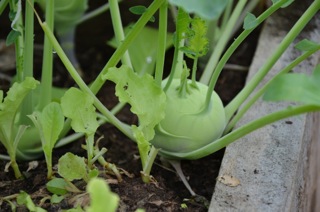
KohlrabiGordon Wrobel will give a presentation at 1 p.m. on Saturday, April 12, in Room 106 (note room change from original post) at the University of Alaska Southeast Sitka Campus about gardening in Southeast Alaska, in particular in Elfin Cove where he is completing a three-year USDA project to improve local food systems.

Gordy will provide an overview of his project, including the challenges and opportunities (such as available land, soils, pests/diseases, climate/temperature, markets, and crop/seed selection). His project objectives and results included creating access to fresh produce in the rural Southeast Alaska community of Elfin Cove, evaluating the economic viability of a floating island garden, evaluating the strategies of a floating island, container, hoop garden and greenhouse, creating a composting program for the community of Elfin Cove, and evaluating the potential for a sustainable produce business in Elfin Cove. There will be a short question-and-answer session after his presentation.

For more information, contact Sitka Local Foods Network board members Michelle Putz at 747-2708 or Charles Bingham at 738-8875.

This slideshow requires JavaScript.

• Sitka Local Foods Network building a pool of volunteers who can teach gardening

GreensInHoopHouseStPeters

Are you an experienced Sitka gardener willing to share some of your knowledge? The Sitka Local Foods Network needs you. The Sitka Local Foods Network is building a pool of volunteers who can teach gardening to local residents who might be new to growing local food.

We’re looking for people who can teach all aspects of gardening, such as how to build a raised garden bed, how to amend soil, how to choose seeds and plant starts for our climate, how to manage your garden once it’s planted, and more. To learn more about our education plans and our efforts to build a pool of teaching volunteers, please join us for a Sitka Local Foods Network education committee meeting from 5:30-7 p.m. on Monday, March 3, at Harrigan Centennial Hall.

While we encourage people who have completed the Master Gardener program to apply, you don’t have to be a Master Gardener for our list of teaching volunteers. Just send us a a note expressing your interest in teaching or helping with a class, what types of classes you’re comfortable teaching, and the best dates and times for teaching that class. Please list your prior experience with these skills (such as I’ve been growing my own garden in Sitka for 12 years).

In addition to skilled gardeners willing to teach basic gardening, we’re also looking for people who can teach Sitka residents how to gather seaweed and other beach greens, how to go berry picking, how to preserve and can food, how to field dress a deer, how to cook with some of the lesser-known veggies that grow in Sitka, and other local food skills. Also, please let us know if you can teach specialized classes, such as permaculture, hydroponics, square-foot gardening, container gardening, how to raise chickens, etc.

This spring our local University of Alaska Fairbanks Cooperative Extension Service agent is retiring, so we’re trying to build a pool of volunteers who can provide gardening education until the UAF Cooperative Extension Service can hire a replacement. We might be without a Sitka agent for a period of time, and when they hire a new agent they may rewrite the job description.

To join our pool of teaching volunteers, send your information to charleswbingham3@gmail.com. Please put SLFN Education in the subject line of your email. Please send us a note if you’re willing to teach at a later date and not just this spring or summer. We thank you for your support.

• Lori Adams offers copies of her Sitka gardening book for sale

LoriAdamsWithBook

As the owner of Down-To-Earth U-Pick Garden, Lori Adams has learned a lot about vegetable gardening in Sitka. Now she  is sharing what she learned with a new book, “How to Grow Vegetables in Sitka, Alaska.”

“‘How To Grow Vegetables In Sitka, Alaska,’ is an edited and revised compilation of the Gardening In Sitka column that appeared in the 2012 editions of the Daily Sitka Sentinel (and repeated on this site),” Adams said. “It’s organized in a user-friendly format with room for you own notes with a yearly planner in the back. This book teaches you to successfully grow vegetables outside in Sitka’s difficult climate.”

The book costs $20, plus tax, and Adams has been selling copies at her booth at the Sitka Farmers Market. In addition, people wanting books can contact her from 11 a.m. to 6 p.m. on Mondays through Saturdays at the Down-To-Earth U-Pick Garden, 2103 Sawmill Creek Road. She can be reached at 738-2241.

• Lori Adams discusses ‘The End’ in her last Daily Sitka Sentinel garden column

LoriAdamsDownToEarthUPickGarden(Lori Adams, who owns Down-To-Earth U-Pick Garden and is a frequent vendor at the Sitka Farmers Market, will be wrote a regular garden column in the Daily Sitka Sentinel this summer and fall. The Sentinel is allowing us to reprint the columns on this site after they first appear in the newspaper. This column appeared on Page 4 of the Wednesday, Dec. 5, 2012, edition of the Daily Sitka Sentinel.)

GARDENING IN SITKA

By Lori Adams

THE END

The ground is frozen now, but at times throughout the winter and spring things will thaw out. So there is still time to tinker in the garden before planting time.  Once it thaws you can gather and apply seaweed, pull weeds, remove rocks and salmonberry bushes, sterilize your greenhouse or sun room, etc. It can be hard to make yourself get out there, but once you do it’s not so bad.

Those delightful seed catalogs should start showing up in the mail pretty soon, so now is a good time to plan for next year. Try to connect with a gardening friend some time before spring arrives and have them help you come up with a realistic plan and suggestions for reliable seed varieties to invest in. I try to get together with my gardening friends at least once a year and it is SO helpful.  Networking is important.

I think I pretty much covered the basics with the “Gardening In Sitka” column, so the time has come to put away my pen.  You now have enough information to get started growing a successful vegetable garden.

Quite a few people have suggested that I compile all of the printed columns into a book and I think it is a good idea, so I’m in the planning stages of that project right now.  My goal is to have the books ready to purchase by March 2013 in time for the annual “Let’s Grow Sitka” event. They will be edited and revised, with room for your own notes, and a yearly planner calendar will be included.

The “Let’s Grow Sitka” event, usually held on a Sunday in mid-March, is a fantastic resource for new and old gardeners.  There are informational booths, presentations and demonstrations, things to purchase and experienced gardeners are available to give you answers to any questions you might have.  It’s a MUST-ATTEND event for anyone interested in gardening in Sitka.

Another great resource you should check out is the Sitka Local Foods Network’s website at http://www.sitkalocalfoodsnetwork.org.  It has notices for upcoming gardening events and many, many links to other informative websites.

Thank you for all of the positive feedback you’ve given me on the column.  You made it so rewarding.  And to be truthful, I learned so much by doing it.  I had to research the “why” and “how” to get my tips into readable form and ended up learning more myself.

Feel free to give me a call if you have questions and be sure to come out to the Down-To-Earth U-Pick Garden next summer to get a tour.  Happy gardening and be sure to BUY LOCAL!

Brought to you by Down-To-Earth U-Pick Garden

2103 Sawmill Creek Road

Open June-August / Monday to Saturday, 11 a.m. to 6 p.m.

747-6108 or 738-2241

http://downtoearthupick.blogspot.com/

• Lori Adams says a word about growing beans in her latest Daily Sitka Sentinel garden column

LoriAdamsDownToEarthUPickGarden(Lori Adams, who owns Down-To-Earth U-Pick Garden and is a frequent vendor at the Sitka Farmers Market, will be writing a regular garden column in the Daily Sitka Sentinel this summer. The Sentinel is allowing us to reprint the columns on this site after they first appear in the newspaper. This column appeared on Page 4 of the Wednesday, Nov. 28, 2012, edition of the Daily Sitka Sentinel.)

GARDENING IN SITKA

By Lori Adams

A WORD ABOUT GROWING BEANS

In general, Sitka is just not bean-growing country, but there is one bean that actually does really well here — the fava bean (also called the broad bean).  Up until a few years ago I had never even heard of fava beans, but had read that they’re grown in England so I figured they would grow here too and gave them a try.  The results were excellent.

Fava beans are from the legume family. As a rule the members of this family grow pods with seeds in them; peas, beans, alfalfa, clover and peanuts are the most commonly known legumes.  Legumes can do something that other plants can do — by working in a cooperative partnership with the Rhizobia bacteria found in the soil they can pull nitrogen right out of the air.

Nodules form on the roots in this nitrogen-fixing process and the plants store nitrogen for pod formation. When you plant beans in a garden bed for the first time there is a good chance that the proper strain of this bacteria will not be present in the soil, so it is important to “inoculate” the seeds.  Inoculant bacteria can be purchased in powder form and sprinkled onto the seeds at planting time.

Before planting fava beans prep the soil with plenty of organic material that is not too rich with nitrogen (cured compost or beach mulch) and lime (seashell sand) and prepare some type of support to put in place to keep mature plants off of the ground.  I used wire tomato cages. Fava bean plants get about five feet tall and although they are fairly sturdy they can eventually get knocked down by the wind and rain.

You can start seeds indoors mid-March and transplant them outdoors mid-April or just sow them directly outdoors mid-April. Either way it’s best to dampen the seeds and sprinkle them with inoculant before planting.  The seeds are quite large and should be planted an inch deep. Final spacing in the garden should be at least 12 inches apart.  Floating row cover is not necessary but can speed up maturity.

Fava beans bloom just like peas do with beautiful blooms similar to lupine flowers.  These flowers are self pollinating. Pods soon appear and can be picked while very small and cooked and eaten whole like snap peas. Once the pods get a little size to them they are wooly and fibrous and unpleasant to eat whole, so let them get to be full sized before harvesting them for the beans. Full-sized pods contain anywhere from 1-5 beans in them.

Cooking fava beans is rather labor intensive but worth it.  Shuck the beans and discard the pods, blanch the beans and then “pop” each inner bean out of its waxy covering.  The inner bean will fall out in two halves and can be eaten cold or hot. As with other vegetables, it is good to harvest the mature pods regularly so the plant will continue to produce more pods. Besides, the longer pods are left on the vine the tougher the beans will be.

I think any attempt to leave beans on the vine in hopes of harvesting them as shelling beans is futile as they will probably just mold.  I have read that the tips of the plants themselves are also edible as a leafy green but I have never tried them. A word of warning: some people of Mediterranean descent are allergic to fava beans.

I used to grow Fava Beans in the u-pick garden but very few of my customers were familiar with them so I had trouble selling them.  Rather than taking up valuable garden space growing something my customers don’t want I decided to concentrate on growing vegetables that they do want.

It is possible to grow green beans here but very, very difficult.  The plants simply do not like to get wet and slugs just love, love, love them. If grown outside they MUST be protected from the rain, but if enclosed with a covering they are very likely to rot, so any cover needs to have the sides open for ventilation.  I have had very little success growing green beans, but they are so delicious fresh from the vine that I just keep beating my head against the wall trying.

Brought to you by Down-To-Earth U-Pick Garden

2103 Sawmill Creek Road

Open June-August / Monday to Saturday, 11 a.m. to 6 p.m.

747-6108 or 738-2241

http://downtoearthupick.blogspot.com/

• Lori Adams discusses everything she’s learned about growing strawberries in her latest Daily Sitka Sentinel garden column

LoriAdamsDownToEarthUPickGarden(Lori Adams, who owns Down-To-Earth U-Pick Garden and is a frequent vendor at the Sitka Farmers Market, will be writing a regular garden column in the Daily Sitka Sentinel this summer. The Sentinel is allowing us to reprint the columns on this site after they first appear in the newspaper. This column appeared on Page 9 of the Friday, Nov. 23, 2012, edition of the Daily Sitka Sentinel.)

GARDENING IN SITKA

By Lori Adams

EVERYTHING I’VE LEARNED ABOUT GROWING STRAWBERRIES

Strawberries do well here in Sitka, but they come with some challenges.  I think one of the key secrets to success is location, location, location.

Strawberries are a perennial crop that come in two basic types:

  • JUNE BEARING/SHORT-DAY cultivars that produce a heavy crop over a short period in the summer, or
  • EVER BEARING/DAY NEUTRAL cultivars that produce a smaller crop that is stretched over a longer season.

Within these two types there are many different varieties.  Most strawberries that are grown here in Sitka have been passed down generation after generation and originated from early breeding work at the USDA Sitka Experimental Station during the 1920s.  The berries from these plants are small, pale in color and not very sweet, but they make up for it by being very hearty and producing large crops. In Sitka it is very difficult to grow large, beautiful red berries with the “true strawberry” flavor.  Besides the two basic types there are also alpine and specialty varieties.

Strawberries can be grown in containers, rows or patches.  Most Sitkans have patches because of the way the plants grow and multiply, but your production will go up if you have rows and take the effort to control plant growth.  Containers can be helpful in keeping the fruit off the ground where it will rot or be eaten by slugs.

The best strawberries I have tasted here in Sitka were grown in rock walls. I believe this is because of the heat retention of the stones, the lack of slugs and soil, and the excellent drainage a rock wall provides.  The worst place to grow strawberries is in the shade, next to brushy slug-infested areas or areas with poor drainage.

Strawberry plants can be grown from seeds or “runners.”  Runners look like a stem/root that grows from the mother plant.  This runner grows about a foot long and then produces a baby strawberry plant that will take root and start to grow on its own.  To harvest runners simply cut rooting baby plants free from the mother plant and plant on their own.

The life expectancy of any one plant is about six years with only the first third years being highly productive, so the best plan is to grow a row of plants and consistently remove every single runner for two years.  On the third year allow no more than five runners to grow on each plan,t then harvest the runners mid-summer and plant them in a different bed being sure to diligently remove any runners that they themselves might produce.  At the end of the season just tear out the old bed.  Repeat.

Strawberries like soil that is full of organic material that is low in nitrogen.  If the nitrogen level is too high then you will end up with fabulous greens that will make your neighbors jealous but very few berries, and the berries you do get will not be able to ripen because of the shade of the foliage.

Berries require lots of potassium (seaweed) and only a trace of lime (seashell sand) to thrive.  The best way to apply seaweed is to mulch monthly with a thin layer around plants being sure not to cover up the growing center, or the “crown” of the plant.  To prepare a new bed just load it up with seaweed in the Spring, let it break down and then till it into the soil before planting time.

A strawberry plant has tough gnarly roots that grow from the crown.  When planting, it is critical that the crown is right at ground level — if it is buried it will definitely rot and die and if it is planted too high it will dry out and die.  Dig a shallow hole with a cone of soil in the middle, set the crown on top of the cone, spread the roots out like a spider in the hole and then cover with dirt.  Firm the soil around the plant being sure to position the crown properly.

Floating row cover can be helpful but it is critical that you remove it when the plants start to flower.  In order for pollination to occur the blooms must be accessible to bees and other natural pollinators.

Once strawberries start to ripen it is important to pick them almost every day because they are very perishable and easily susceptible to rot and slugs.  Try to leave their “caps” on, lay them in a shallow container rather than stacking them in a deep bowl, and do not wash them until right before it’s time to eat them.

In the fall you can mulch the bed heavily with seaweed being sure not to bury the plants themselves and then spread straw over the entire bed, plants and all, to protect them from frost heaves.

On a final note, there doesn’t seem to be anyone growing a large enough volume of strawberries to sell them.  If you have some extra garden space or an empty greenhouse, please consider growing strawberries and selling them at the Sitka Farmers Market. We’d all love you for it.

Brought to you by Down-To-Earth U-Pick Garden

2103 Sawmill Creek Road

Open June-August / Monday to Saturday, 11 a.m. to 6 p.m.

747-6108 or 738-2241

http://downtoearthupick.blogspot.com/

• Lori Adams discusses putting your garden to bed for the winter in her latest Daily Sitka Sentinel garden column

LoriAdamsDownToEarthUPickGarden(Lori Adams, who owns Down-To-Earth U-Pick Garden and is a frequent vendor at the Sitka Farmers Market, will be writing a regular garden column in the Daily Sitka Sentinel this summer. The Sentinel is allowing us to reprint the columns on this site after they first appear in the newspaper. This column appeared on Page 3 of the Wednesday, Nov. 14, 2012, edition of the Daily Sitka Sentinel.)

GARDENING IN SITKA

By Lori Adams

PUTTING YOUR GARDEN TO BED FOR THE WINTER

The gardening season is basically over for most of us and if you haven’t already, then now is the time to put your garden to bed for the winter.

It would be nice if any vegetables you are planning to over-winter were grouped together in the same bed, that way you could tidy up everything else and just maintain 1 bed.  This is something to keep in mind next year when it comes planting time.  For now, if it’s an annual and you are not eating it then it should be pulled up and thrown in the compost pile.

Old raspberry canes should have been pruned away by now (be sure you don’t damage the new canes or you won’t have any raspberries next year) and mulched with seaweed.  This time of the year the leaves have all fallen off the raspberry canes and it’s very difficult to tell which ones are old and which ones are new, so if you haven’t pruned yet, wait until they start to bud out next year so it will be easier to tell.  Strawberries and rhubarb should have a thick layer of mulch around them too.

When it comes to your perennial beds there are pros and cons to clearing away all the dead foliage. As for the pros; clean beds provide less hiding spaces for slugs, mold and disease, and a present a tidier appearance. (Primrose foliage turns to mush when it freezes and then thaws again and can cause the roots to rot, so no matter what you do with your other perennials it’s good to cut all the primrose leaves down to within two inches of the ground.)

As for the cons; dead foliage provided nice insulation from freezing weather and breaks down to return to the soil as compost.  I like to remove all the dead foliage from my perennials except the ones that have hollow stems.  A hollow stem that has been cut open will fill up with water and rot out the plant.  Once the dead foliage has been removed I mulch the beds with about 10 inches of seaweed.  I try to put most of the seaweed “around” the plants rather than on top of them as this can lead to rot too, but a little is not bad.

What ever method you choose it is important to give your all of your garden soil some nutrition to get through the winter. Remember that soil is alive and must have something to eat to remain healthy and vigorous until it gets fed again next spring.  Seaweed is free, abundant, and close to town so there is no reason not to utilize this amazing resource.

If you are trying to over-winter vegetables there are things you can do to protect them.  Potatoes must be brought inside, but other root crops like carrots and garlic can be buried with a deep layer of seaweed or straw to keep them from freezing. Some Sitka gardeners lay a plastic tarp over the bed first and then apply the seaweed, but I have used just seaweed and have had great results.

Crops that grow above the ground can be mulched with seaweed or straw and then covered with floating row cover.  It’s amazing how long you can extend your season with row cover, but eventually even row cover won’t protect plants from being frozen.  Keep an eye on your crops and if it looks like they are growing weary and there is freezing weather in the forecast, then you can pull them up, roots and all, and store them in buckets in a cool space indoors- harvesting at your leisure throughout the rest of the winter.

Many gardeners cover all of their empty vegetable beds with plastic to keep the nutrients from leeching away during the long winter.  I am conflicted about this.  So far I have only used plastic over one bed — next year’s spinach and lettuce row — because I want maximum nutrition in that bed next spring.  I think it is probably a good idea, but it could be providing an excellent hiding spot for slugs, mold and disease.  Also, it can be difficult to keep the wind from ripping it off and you have to find someplace to store it the rest of the year.

Sometimes simple can be best and if you apply enough food throughout the season then plastic is not necessary.

Once everything has been put away you can relax indoors with the comforting knowledge that you did everything that you could to the best of your ability.  Soon those wonderful seed catalogs will start arriving in the mail and you can plan next year’s garden.

Brought to you by Down-To-Earth U-Pick Garden

2103 Sawmill Creek Road

Open June-August / Monday to Saturday, 11 a.m. to 6 p.m.

747-6108 or 738-2241

http://downtoearthupick.blogspot.com/