• Panel looks at allowing garden sales at homes

Tom Hart at Anam Cara Garden

Tom Hart at Anam Cara Garden

(The following article appeared in the Wednesday, Sept. 3, edition of the Daily Sitka Sentinel.)

By TOM HESSE
Sentinel Staff Writer

A potential zoning change that would allow gardeners to sell their extra produce from home started to take shape at Tuesday night’s Planning Commission meeting.

Lisa Sadleir-Hart works in Anam Cara Garden

Lisa Sadeir-Hart works in Anam Cara Garden

The proposal was brought forth by Lisa Sadleir-Hart and Thomas Hart [who own Anam Cara Garden] during an August meeting. The idea is to allow Sitkans with large gardens to sell their produce from their homes, which would include those in R-1, R-1 MH, R-2, R-2 MHP, GI and LI zoned districts. Since the zoning revision was first proposed, the city planning department has been trying to shape the rules, and Planning Director Wells Williams told commission members that there are a number of forms they could take.

“Like anything else, it’s a fairly simple concept but it gets complicated fairly quickly,” Williams said.

Currently, you-pick style gardens are allowed under a conditional use permit. Williams said the new proposal, which is being called commercial home horticulture, could follow a similar path. The big difference would be that gardeners could sell their produce and have a small stand in their yards where they could sell it. Those differences could be an issue in some neighborhoods, said commissioner Chris Spivey.

“There are definitely a lot of concerns about the sheer fact of having anything commercial in an R-1,” Spivey said.

Because of that, requests for commercial home horticulture permits would be done on a case-by-case basis under the proposals now being considered. Planning staff tentatively proposed a conditional use system whereby applicants would need to notify neighbors and take their applications through the planning process.

Sadleir-Hart said a four-week process to obtain a permit would be appropriate for gardeners who are looking ahead to the next growing season.

“Most people who would be moving through this process would be moving fall through winter,” she said. “To me that would be plenty of time and just being a good neighbor.”

Some of the issues commission members raised were about the days and times when sales would be allowed, how large garden stands could be, and how best to handle applications.

After a discussion, the commissioners decided the best system may be to set hours on a permit-to-permit basis.

“It’s that way with a lot of conditional use permits that we do. It varies from neighborhood to neighborhood,” commission member Richard Parmalee said.

Specifics are far from being concrete, but stands 6 feet by 8 feet in size, with an awning, are in the current proposal. They would be temporary, so they would be up only during the growing season.

“You’re going to have people in the neighborhood that want something that is aesthetically pleasing or temporary and easily broken down,” Spivey said.

Commissioners did take out a items from the original proposal, regarding greenhouses and sheds.

Williams said the planning office would take the comments from Tuesday night’s meeting and start drawing up a draft proposal with more specifics. The issue will be discussed further when the panel meets on Sept. 16.


• Scenes from Alaska’s first Lexicon of Sustainability gallery show in Sitka

LexiconOfSustainabilityBackDoorEventFlier

the_lexicon_of_sustainability_postConversations were started, ukuleles were played, and kale-feta salad was eaten as the Sitka Local Foods Network hosted Alaska’s first pop-up art gallery show of the Lexicon of Sustainability on Thursday night, Aug. 28, at the Back Door Café.

So what is the Lexicon of Sustainability? According to the website, “The Lexicon of Sustainability is based on the simple premise: People will live more sustainably if they understand the basic terms and principles that will define the next economy.” The Lexicon of Sustainability features dozens of large photos of our food and farming systems, water and energy, with a variety of topics defined on each photo, such as food security, sustainable fisheries, farm to table, permaculture, etc.

“The Lexicon of Sustainability illuminates the vocabulary of sustainable agriculture, and with it, the conversation about America’s rapidly evolving food culture. The Lexicon of Sustainability educates, engages and activates people to pay closer attention to how they eat, what they buy, and where their responsibility begins for creating a healthier, safer food system in America.”

The photos from this first show will be on display through Saturday, Sept. 13, at the Back Door Café. Future Sitka shows include a Sitka Local Foods Network fundraiser tentatively set for Oct. 23 at the Sitka Fine Arts Camp/Sheldon Jackson Campus, and possibly a show at the University of Alaska Southeast Sitka Campus at a date TBA. Then the photos will go to Anchorage for the Alaska Food Festival and Conference on Nov. 7-9, hosted by the Alaska Food Policy Council. This batch of Lexicon of Sustainability photos will stay in Alaska so different groups can use them in their communities.

To learn more about this project, contact Sitka Local Foods Network Board of Directors President Lisa Sadleir-Hart at sitkalocalfoodsnetwork@gmail.com. A slideshow of images from Thursday night’s event is posted below.

This slideshow requires JavaScript.

• Learn about where your Sitka Farmers Market produce is grown

WhereOurFoodIsGrown

SitkaFarmersMarketSignWhen people stop at the Sitka Local Foods Network booth at the Sitka Farmers Market to buy produce a common question people ask is where is the food grown.

Most of the produce sold at the Sitka Local Foods Network booth is grown here in Sitka and comes from three main sources — the St. Peter’s Fellowship Farm communal garden (Laura Schmidt is lead gardener), some land in Pat Arvin’s Garden she donates to the Sitka Local Foods Network to grow potatoes and carrots, and Anam Cara Garden owned by Tom Hart and SLFN president Lisa Sadleir-Hart. We also receive donations from other family gardens in town with extra produce.

All of the funds raised selling produce at the Sitka Local Foods Network booth are used to support SLFN projects during the year. These include hosting the six Sitka Farmers Markets each summer, operating St. Peter’s Fellowship Farm, providing a variety of education opportunities about local foods and gardening in Sitka, and supporting other projects in town that promote local foods (such as the Sitka Community Food Assessment, Fish to Schools, Sitka Kitch, etc.).

Don’t forget the last Sitka Farmers Market of the summer is from 10 a.m. to 1 p.m. on Saturday, Sept. 6, at Alaska Native Brotherhood Founders Hall (235 Katlian St.). If you live near Sawmill Creek Apartments (9:45 a.m. pick-up), Indian River housing (9:50 a.m.), or the Swan Lake Senior Center (10 a.m.), we have free transportation to the market through a contract with Sitka Tours. The shuttle bus picks up at the times listed, and makes its return trip at noon from ANB Hall. We do plan a small produce table at the Running of the Boots on Saturday, Sept. 27, near St. Michael’s Russian Orthodox Cathedral.

• Sitka Local Foods Network to host Alaska’s first Lexicon of Sustainability pop-up art show

LexiconOfSustainabilityBackDoorEventFlier

the_lexicon_of_sustainability_postYour Sitka Local Foods Network will host a free Alaska premiere of the Lexicon of Sustainability pop-up gallery art show from 6:30-8:30 p.m. on Thursday, Aug. 28, at the Back Door Café. Samples of a kale feta salad featuring kale grown in Sitka at St. Peter’s Fellowship Farm will be available, and the Back Door Café will be selling drinks and food during the show.

So what is the Lexicon of Sustainability? According to the website, “The Lexicon of Sustainability is based on the simple premise: People will live more sustainably if they understand the basic terms and principles that will define the next economy.” The Lexicon of Sustainability features dozens of large photos of our food and farming systems, water and energy, with a variety of topics defined on each photo, such as food security, sustainable fisheries, farm to table, permaculture, etc.

lex84_salmonsafe“The Lexicon of Sustainability illuminates the vocabulary of sustainable agriculture, and with it, the conversation about America’s rapidly evolving food culture. The Lexicon of Sustainability educates, engages and activates people to pay closer attention to how they eat, what they buy, and where their responsibility begins for creating a healthier, safer food system in America.”

In addition to the photos, the Lexicon of Sustainability includes a book, “Local: The New Face of Food and Farming in America,” by Douglas Gayeton. The project also was featured in a “Know Your Food” series of short films on PBS. Copies of Local have been ordered by Old Harbor Books and will be available for purchase soon.

WildHarvest“I had the good fortune to view the Lexicon of Sustainability art show at the Food Justice Conference in Oakland in 2012,” Sitka Local Foods Network Board President Lisa Sadleir-Hart said. “As conference attendees gathered around the posters, amazing conversations sprung up and started us thinking collaboratively about solutions and make connections with each other. I couldn’t wait to use art this way to stimulate social change conversations in Sitka around food.”

This will be the first of several Lexicon of Sustainability shows in Sitka, before the photos move north to Anchorage and the rest of the state (this batch of photos will remain in Anchorage with the Alaska Food Policy Council for future shows around the state). The photos from this first show will be on display through Saturday, Sept. 13, at the Back Door Café. Future Sitka shows include a Sitka Local Foods Network fundraiser in late October at the Sitka Fine Arts Camp/Sheldon Jackson Campus, and possibly a show at the University of Alaska Southeast Sitka Campus at a date TBA.

To learn more about this project, contact Lisa Sadleir-Hart at sitkalocalfoodsnetwork@gmail.com.

Lexicon-Local-Connected-Market-2

• Samia Savell of USDA Natural Resources Conservation Service to give presentation in Sitka on high tunnels

picture8

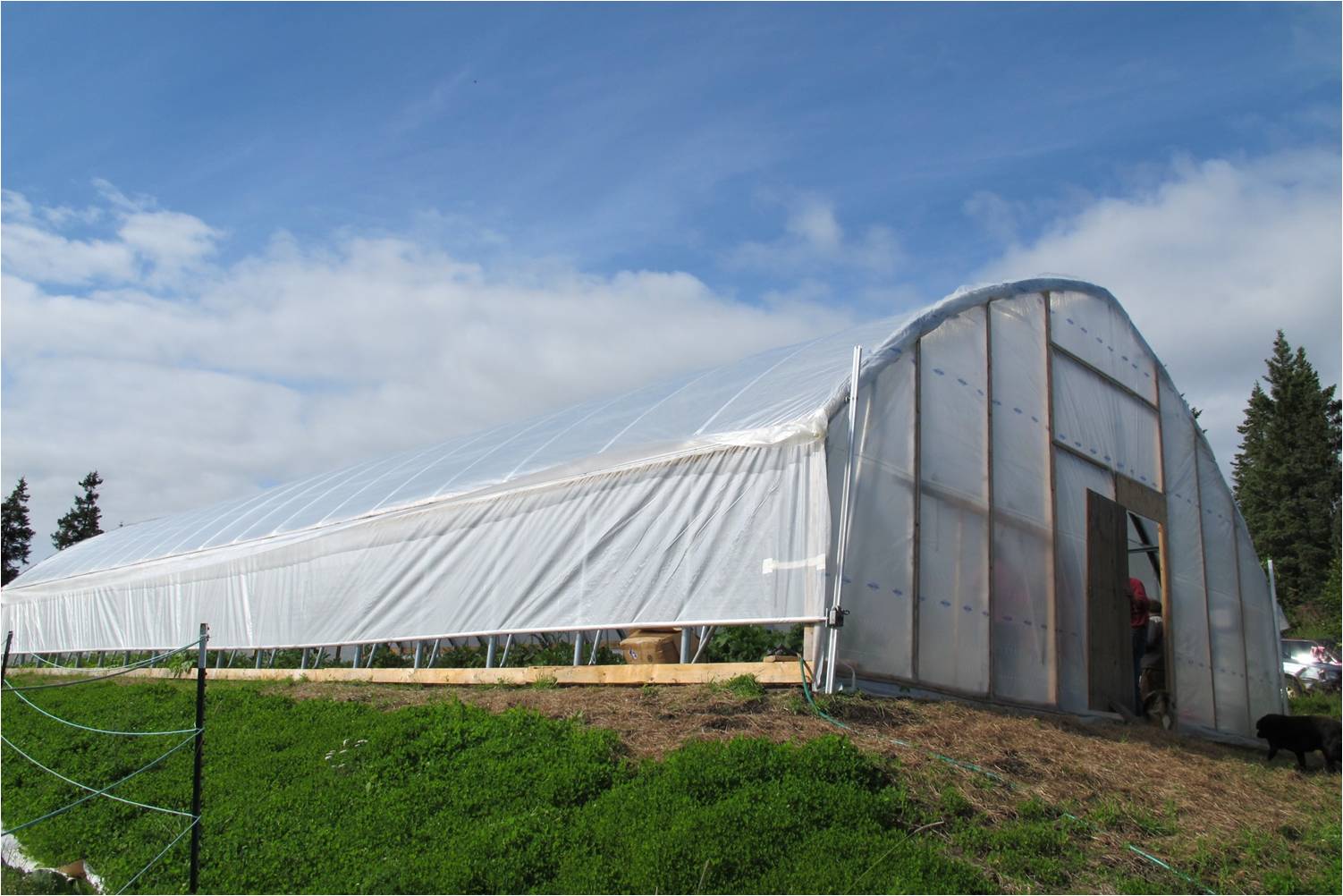
Picture10Want to learn how to extend your growing season with high tunnels and find out how Sitka growers can receive help from the USDA to purchase a high tunnel? Samia Savell of the Juneau office of the U.S. Department of Agriculture’s Natural Resources Conservation Service will give a presentation from 5-6 p.m. on Thursday, July 10, at Harrigan Centennial Hall.

In recent years, the USDA Natural Resources Conservation Service (NRCS) has offered a cost-sharing program that enables qualifying landowners who produce food to build high tunnels. Samia has overseen that program for Southeast Alaska, and several gardeners in Sitka have taken advantage of the program.

High tunnels, also known as hoop houses or temporary greenhouses, extend the growing season so more food is produced before and after the traditional dates for growing stuff outdoors. High tunnels are different than greenhouses in that they are passively heated by the sun, so they have lower energy costs than greenhouses. High tunnels are at least six-feet tall, and low tunnels aren’t eligible in this program. Food in high tunnels is planted either directly into the ground or in raised beds.

For more information about the presentation, contact Sitka Local Foods Network Board President Lisa Sadleir-Hart at 747-5985. To learn more about the USDA NRCS high tunnel program, contact Samia Savella at the Juneau field office at (907) 586-7220 or samia.savell@ak.usda.gov.


• Catch a ride to the Sitka Farmers Markets with Sitka Tours and the Sitka Local Foods Network

SitkaFarmersMarketBusNEW

Have you ever wanted to go to the Sitka Farmers Market, but couldn’t because there’s no regular bus service in Sitka on Saturday? Well, now you can. The Sitka Local Foods Network and Sitka Tours are teaming up to offer free, scheduled transportation to the last five Sitka Farmers Markets this summer.

“The Farmers Market planning team realized that access to the market may prove challenging to those without transportation given that The Ride (Sitka Community Ride) doesn’t run on Saturdays,” Sitka Local Foods Network Board President Lisa Sadleir-Hart said. “To improve access, the Sitka Local Foods Network requested funding in its City and Borough of Sitka grant proposal last year. We are hoping that our pilot run out Sawmill Creek Road this season helps get more Sitkans to our amazing market.”

Sitka Tours will send a shuttle van to make one loop of three Sitka Community Ride stops before the Sitka Farmers Markets open at 10 a.m. The shuttle van will return to Alaska Native Brotherhood Founders Hall at noon to take people home from the market. The pick-up times and stops are:

  • Sawmill Creek Apartments (Price and Burkhart Streets), 9:45 a.m.
  • Indian River Road (Kaasdaa Heen), 9:50 a.m.
  • Swan Lake Senior Center/Salvation Army (Lake Street), 10 a.m.

This service is offered through a grant from the City and Borough of Sitka that paid for bus service to four markets. Sitka Tours helped us expand the service to five markets by donating the service for an extra market.

The first Sitka Farmers Market of the season was on June 28. The last five Sitka Farmers Markets take place from 10 a.m. to 1 p.m. on Saturdays, July 12, July 26, Aug. 9, Aug. 23, and Sept. 6, at the Alaska Native Brotherhood Founders Hall.

• It’s time to … get the veggies at St. Peter’s Fellowship Farm ready for the first Sitka Farmers Market

StPetersSignWithToDoListSignYour Sitka Local Foods Network will host a garden party from 2-4 p.m. on Saturday, June 21, at the St. Peter’s Fellowship Farm communal garden (located behind St. Peter’s By The Sea Episcopal Church on Lincoln Street) to get the veggies ready in preparation for the first Sitka Farmers Market of the season.

Produce grown at St. Peter’s Fellowship Farm is sold during the Sitka Farmers Markets to help fund Sitka Local Foods Network projects throughout the year. Some of the produce also is sold to people using SNAP benefits (food stamps) and to local schools for their lunch programs. The first Sitka Farmers Market of the season is from 10 a.m. to 1 p.m. on Saturday, June 28, at Alaska Native Brotherhood Founders Hall (235 Katlian St.). The remaining Sitka Farmers Markets are on July 12, July 26, Aug. 9, Aug. 23, and Sept. 6.

In addition to planting and weeding, there may be other garden chores to do. During these garden parties we usually need people to shovel dirt and sift soil, weed, mulch and spread fertilizer (seaweed) on the existing garden beds. Most garden tools will be provided, but we may need people to bring shovels and pick-axes if they have them. These garden parties are a great place for Sitka residents new to gardening to get some hands-on instruction on how to plant their own veggie garden. The garden parties are kid-friendly, and we encourage volunteers to bring their children so they can learn where their food comes from. Volunteers can receive a share of the veggies for their work at the garden.

For more information, contact St. Peter’s Fellowship Farm lead gardener Laura Schmidt at 623-7003 or 738-7009, or contact Lisa Sadleir-Hart at 747-5985.

• It’s time to … get down and dirty and plant the veggies at St. Peter’s Fellowship Farm

StPetersSignWithToDoListSignThe Sitka Local Foods Network will host a planting party from 2-4 p.m. on Saturday, May 31, to continue planting this summer’s crops at the St. Peter’s Fellowship Farm communal garden (located behind St. Peter’s By The Sea Episcopal Church on Lincoln Street).

Produce grown at St. Peter’s Fellowship Farm is sold during the Sitka Farmers Markets to help fund Sitka Local Foods Network projects throughout the year. Some of it also is sold to people using SNAP benefits (food stamps) and to local schools for their lunch programs.

In addition to planting, there may be other garden chores to do. During these work parties we usually need people to shovel dirt and sift soil, weed, mulch and spread fertilizer (seaweed) on the existing garden beds. Most garden tools will be provided, but we will need people to bring shovels and pick-axes if they have them. These garden parties are a great place for Sitka residents new to gardening to get some hands-on instruction on how to plant their own veggie garden.

For more information, contact St. Peter’s Fellowship Farm lead gardener Laura Schmidt at 623-7003 or 738-7009, or contact Lisa Sadleir-Hart at 747-5985.

• It’s time to … get down and dirty and plant the veggies at St. Peter’s Fellowship Farm

StPetersSignWithToDoListSignThe Sitka Local Foods Network will host planting parties from 2-4 p.m. on Saturday, May 10, and from 2-4 p.m. on Saturday, May 31, to start planting this summer’s crops at the St. Peter’s Fellowship Farm communal garden (located behind St. Peter’s By The Sea Episcopal Church on Lincoln Street).

Produce grown at St. Peter’s Fellowship Farm is sold during the Sitka Farmers Markets to help fund Sitka Local Foods Network projects throughout the year. Some of it also is sold to people using SNAP benefits (food stamps) and to local schools for their lunch programs.

In addition to planting, there may be other garden chores to do. During these work parties we usually need people to shovel dirt and sift soil, weed, mulch and spread fertilizer (seaweed) on the existing garden beds. Most garden tools will be provided, but we will need people to bring shovels and pick-axes if they have them. These garden parties are a great place for Sitka residents new to gardening to get some hands-on instruction on how to plant their own veggie garden.

For more information, contact St. Peter’s Fellowship Farm lead gardener Laura Schmidt at 623-7003 or 738-7009, or contact Lisa Sadleir-Hart at 747-5985.

• Sitka Community Food Assessment Indicators Report helps define Sitka’s food culture

Food Assessment Indicator Report web version_Page_01

SitkaCommunityFoodAssessmentLogoThe Sitka Community Food Assessment Indicators Report was released on Monday, and the findings will help guide future food system planning in Sitka.

A 2012 Sitka Health Summit project, the Sitka Community Food Assessment has examined where Sitka residents get their food, what types they eat, what they grow, what they hunt and fish for, where they shop, what type of access people have to healthy food, and other questions about Sitka’s food supply. The findings of the food assessment will help Sitka improve its food security.

After Sitka residents chose the Sitka Community Food Assessment as a project at the September 2012 Sitka Health Summit, the work group received a grant to hire a coordinator and contract with a data person. A revised version of a questionnaire from a similar project on the Kenai Peninsula was posted online, available at the library, and discussed in focus groups, with more than 400 residents answering the 36 questions. In November 2013, some of the initial data was presented at the Sitka Food Summit, where about 60 residents discussed the results and noted any further research that needed to be done. Since then, the work group, in partnership with The Island Institute and others, fine-tuned the data before writing and editing the indicators report.

“We hope the Sitka Community Food Assessment Indicators Report can guide future food system planning and plant seeds for innovative responses that will strengthen Sitka’s food landscape,” project coordinator Lisa Sadleir-Hart wrote in the 26-page document’s introduction. “The Sitka Community Food Assessment Indicators Report uncovers many weaknesses in our food system as well as some incredible assets that define Sitka’s food culture — a rich ecosystem filled with nutritious gems from the land and sea plus a generous spirit of sharing with our neighbors. Now that we’ve defined the current foodscape in Sitka, let’s work together to build a more resilient food system that can deeply nourish the entire community for generations to come.”

The Sitka Community Food Assessment Indicators Report opens with Sitka’s demographics and several Sitka food facts. It then features data about how many people in Sitka hunt, fish, gather, and/or grow their own food, as well as some barriers. Next is information about where people in Sitka shop for their food, followed by how many people in Sitka are on some form of food assistance. The report also includes information about food in the schools, and local food manufacturing.

The findings will be presented to the community during an upcoming meeting of the Sitka Assembly, and the report will be posted online here (see below) and on The Island Institute’s website.

• Sitka Community Food Assessment Indicator Report (April 14, 2014, opens as PDF file)