• Palmer-based CSA looks into distributing produce boxes to Southeast customers

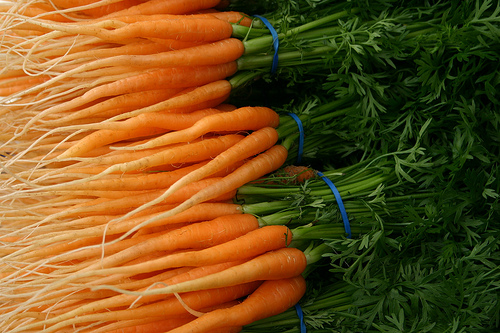
Baby carrots from the Glacier Valley Farm CSA photostream by South Anchorage Farmers Market Reporter Alison Arians

Baby carrots from the Glacier Valley Farm CSA photostream by South Anchorage Farmers Market Reporter Alison Arians

Glacier Valley Farm CSA, which is based in the Palmer area, is considering expanding its distribution network to include some Southeast communities, including Sitka.

Glacier Valley currently distributes its produce in the Anchorage, Mat-Su Valley and Kenai Peninsula areas. However, a customer service rep named Nelli said the CSA has been receiving a lot of interest from Southeast Alaska. For those not familiar with a CSA, or Community Supported Agriculture, small farms sell subscriptions or memberships to local residents, who share in the produce of that farm through weekly boxes of fruits and veggies (and sometimes fresh bread). Glacier Valley Farm CSA is owned by Arthur and Michelle Keyes, who also own A & M Farms.
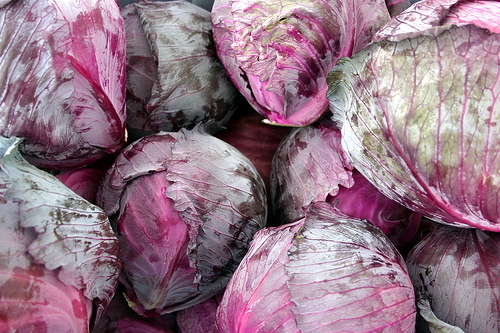
Red cabbage from the Glacier Valley Farm CSA photostream by South Anchorage Farmers Market Reporter Alison Arians

Red cabbage from the Glacier Valley Farm CSA photostream by South Anchorage Farmers Market Reporter Alison Arians

“We are getting a growing list of interested people together, so that when we officially launch our Southeast service we can let folks know,” Nelli wrote in an e-mail.

She encourages people to go to the Glacier Valley Farm CSA website and learn more about the services it provides. On its site, Glacier Valley advertises itself as, “The only year-round CSA produce box program featuring Alaskan vegetables.” When it can, the program uses Alaska Grown produce from some of the better-known Mat-Su Valley farms. But sometimes Lower 48 fruits and veggies do make it into the boxes, especially in the winter when storage veggies may look a bit sketchy.

The CSA’s site lists produce box contents from previous weeks, community pick-up locations, recipes, and how to order information.This link features photos of some of the fruits and veggies Glacier Valley Farm CSA sells at the South Anchorage Farmers Market.

Nelli said if people are interested in regularly ordering a produce box or have any questions, they should e-mail her at customerservice@glaciervalleycsa.com to let her know. She said people also should let her know their home community (Sitka, Juneau, etc.) so she can let people know when there are enough people in that community to start service.

While the Glacier Valley Farm CSA program is not based in Southeast Alaska, there are some people in town who prefer to eat Alaska Grown produce, even if it travels nearly the same distance from Anchorage and the Mat-Su Valley as produce from Washington-based Full Circle Farm CSA, Chelan Produce and other organizations that serve Sitka. The Sitka Local Foods Network encourages Sitka residents to buy produce grown by Sitka gardeners first, then look within the region before buying produce grown elsewhere.

• Juneau Farmers Market to host weekly booths with Juneau Artists Market

The Juneau Farmers Market will start hosting weekly booths this Saturday as part of the Juneau Artists Market. The Juneau Farmers Market booths will be open from 10 a.m. to noon starting on Saturday, June 12, at the Juneau Arts and Culture Center, and running through the annual Juneau Farmers Market and Local Food Festival on Aug. 28.

A companion event to the Juneau Artists Market, which offers local arts and crafts, the Juneau Farmers Market will feature locally grown produce, cut flowers, homemade jams and jellies and baked goods. Plant starts also are welcome, so don’t toss your thinnings and starts. Instead, share them with another gardener. Juneau Farmers Market booth space is limited, so advance reservation required.

The season culminates in Juneau with the third annual Juneau Farmers Market and Local Food Festival from 9 a.m. to 2 p.m. on Saturday, Aug. 28, at the Juneau Arts and Culture Center. In past years, this was the only farmers market event in Juneau, so it’s nice to see weekly markets this year. Click the link above for more details on this larger annual event, which includes produce, fish, jams and jellies, baked breads and demonstrations about how to harvest and preserve local foods, or click this link for information from the Sustainable Juneau blog.

The Juneau Farmers Market would not be possible without its sponsors and partners: the Juneau Arts and Humanities Council, the Juneau Economic Development Council, the Juneau Commission on Sustainability, the Alaska State Division of Agriculture and the UAF Cooperative Extension Service.

• Sam Benowitz to give free presentation tonight (Monday, May 24) about growing fruit in Sitka

A cluster of Parkland apples (photo from the Alaska Pioneer Fruit Growers Association gallery, http://www.apfga.org/)

A cluster of Parkland apples (photo from the Alaska Pioneer Fruit Growers Association gallery, http://www.apfga.org/)

Sam Benowitz of RainTree Nursery in Morton, Wash., will be in Sitka to give a free presentation tonight about how to grow fruit in Southeast Alaska.

The presentation takes place at 7 p.m. tonight (Monday, May 24) at Harrigan Centennial Hall. His Sitka presentation will be about about selecting, growing, and maintaining fruit trees, berry bushes and other edible landscape features.

Benowitz is the founder of RainTree Nursery, and he frequently gives presentations in Washington and Alaska about how to grow fruit trees. In Sitka, it’s possible to grow several varieties of apples and a couple of types of cherries. For more information, check out the Alaska Pioneer Fruit Growers Association site. There also are a multitude of berries that grow around Sitka, including many wild varieties and cultivated types such as raspberries and tayberries.

Cherry blossoms at Blatchley Community Garden

Cherry blossoms at Blatchley Community Garden

Benowitz was one of the keynote speakers at this past weekend’s Southeast Alaska Gardeners Conference and Garden Tours event in Juneau, and he agreed to offer a free presentation when he passed through Sitka on his way home to Washington.

For more information about tonight’s presentation, contact Jud Kirkness at 738-3254 or by e-mail at judkirkness@yahoo.com.

• Alaskans Own seafood to start community supported fisheries (CSF) program in Sitka

The Alaskans Own seafood company is starting a community supported fisheries (CSF) program in Sitka this summer. The CSF program will be modeled after the community supported agriculture (CSA) subscription programs used by small farms around the country.

Alaskans Own is a group of independent fishermen in Sitka whose commitment to conservation is supported by the Alaska Sustainable Fisheries Trust. “For us, it’s not just about catching fish, it’s about caring for the fisheries. It’s our passion, our future. Our commitment to the resource comes through in the quality of Alaskans Own seafood — it’s the best, and we’re proud of that,” says Jeff Farvour of the F/V Christi-Rob and an occasional vendor at the Sitka Farmers Market.

The Alaskans Own CSF program features a three-month subscription that lasts from June through August. During these three months, subscribers will receive a total of 40 pounds of fresh, locally caught wild seafood (20 pounds for the half-subscription option) that features a selection of king and coho (silver) salmon, rockfish and ling cod, halibut and black cod (sablefish), plus some free black cod tips.

Subscribers will receive their fish during twice-monthly pick-ups (dates and times TBA) at the Mill Building, 836 Lincoln St., next to the Sitka Sound Science Center. All seafood is flash frozen at its freshest, portioned and commercially vacuum-packed.

Only 15 subscriptions are available this year, and the cost is $380 for a full subscription and $190 for a half-subscription. For more information, contact Beth Short at 738-3360, or e-mail her at info@alaskansown.com to register. Payment is by check for now, but credit cards soon. Proceeds benefit the Fisheries Conservation Network and the Sitka fishing community.

2010 Community Supported Fisheries information sheet

• Alaska Food Policy Council created to examine how our food system relates to our economy, security and health

In response to concerns by Alaskans about food security, health and job creation, the Alaska Food Policy Council is being formed and it will host a meeting on May 18-19 at a location TBA in Anchorage.

“This will be a chance for Alaskans to come together and develop a plan to produce more food for our communities,” said Danny Consenstein, the Executive Director of the USDA Alaska Farm Service Agency in Palmer.

The Alaska Food Policy Council wants your help in examining how our food system relates to our economy, our security and our health. The meeting will provide an opportunity for the wide variety of food system stakeholders to connect, so they can begin to develop comprehensive solutions toward building a stronger Alaska food system.

The first face-to-face meeting takes place from noon to 5 p.m. on Tuesday, May 18, and from 8 a.m. to noon on Wednesday, May 19, at a location TBA in Anchorage. Mark Winne of the Community Food Security Coalition will facilitate the meeting. The goal will be to learn about food policy councils (which exist in many states and local communities), consult with experts to establish the lay of the land in Alaska, and to begin to set the direction for the Alaska Food Policy Council to take. Sitka Local Foods Network President Kerry MacLane has been asked to represent our group on this council, and he said he plans to attend the May meeting.

Seating is limited for this meeting, so please contact Public Health Specialist Diane Peck, MPH, RD, with the Alaska Department of Health and Social Services by May 1 to RSVP or request more information. Diane can be reached at 269-8447 (Anchorage) or diane.peck@alaska.gov. The Alaska Center for the Environment’s local food project page has more information about the creation of the Alaska Food Policy Council.

Alaska Food Policy Council meeting flier for May 18-19 in Anchorage

• Wanton waste of deer meat, a record high herring quota and other local foods stories in the news

Over the past couple of weeks, at least 10 Sitka black tail deer corpses have been found in Sitka with lots of edible meat still on the bone but the prime cuts missing. According to the Anchorage Daily News, state wildlife officials are searching for the hunters, and wanton waste charges may be coming for those involved. There were six deer found off Green Lake Road, then four deer were found near Harbor Mountain Road five days later.

The Sitka Local Foods Network encourages the responsible and sustainable harvesting of traditional subsistence foods, such as deer, but we must respect the resource and use the entire animal. Not only is leaving edible meat in the field wasteful, but the last couple of years have been down years for deer survival and the actions of these wasteful hunters may mean fewer hunting opportunities next year for hunters who need the deer to feed their families. Anyone with information about the cases is asked to call Alaska Wildlife Troopers at 747-3254 or, to remain anonymous, Wildlife Safeguard at 1-800-478-3377.

In other local foods news, the Alaska Department of Fish and Game established a record sac roe herring quota for the 2010 season, a quota of more than 18,000 tons (more than 4,000 tons higher than last year’s then-record quota). The commercial herring fleet is very happy with the higher quota, but KCAW-Raven Radio reports local subsistence gatherers worry that the record quota will harm their ability to gather herring eggs on hemlock branches, a popular subsistence and barter food for local Tlingít and Haida residents. They also worry two straight years of record quotas will hurt the resource, since herring also serves as a key forage food for salmon, halibut, whales, sea lions and other species in the region.

The Juneau Empire reported that the State of Alaska asked for an extension to reply to an inquiry on subsistence management from the federal government. The federal government took over some management of subsistence in Alaska more than a decade ago because state laws weren’t in compliance with the Alaska National Interest Lands Conservation Act (ANILCA), which calls for a rural preference on subsistence in times of shortage, and the federal government may be expanding its role in subsistence management.

The Anchorage Daily News reported on Alaska pork being ready for the freezer at A.D. Farms, and that pork will be sold at the indoor farmers market at Anchorage’s Northway Mall. The story included a wrap-up of other local foods available at the market, and it had a recipe for crock-pot cod.

Laine Welch’s Alaska fishing column was about how more local fish is appearing in school lunch menus.

The Anchorage Daily News Alaska Newsreader feature reported on several Arctic travelers getting trichinosis from eating undercooked bear meat. The National Post of Canada also had a story on travelers eating undercooked bear meat, while the New York Times had an article about how trichinosis is common in bear meat that isn’t cooked properly.

The Anchorage Daily News had an article about how Alaska’s rhubarb probably first came from Russia.

Miller-McCune magazine had an article about how Alaska’s complex salmon politics can serve as a model for sustainable fisheries elsewhere in the world.

The Alaska Public Radio Network reported on a woman from Aniak, Dee Matter, who has taken freezing her food to a new level. The story also was on APRN’s Alaska News Nightly show.

The Fairbanks Daily News-Miner had a feature article about Kotzebue hunter and trapper Ross Schafer and the “Eskimo” way of life.

The Fairbanks Daily News-Miner had an article about a conflict between farmers and hunters over the future of the Delta bison herd.

The Juneau Empire ran a story about glaciers providing an important food source.

Anchorage Daily News garden columnist Jeff Lowenfels wrote about magazine gifts for gardeners.

The Seattle Post-Intelligencer ran an Associated Press article about Monsanto’s role in the business of agriculture, especially the way it squeezes out competitors in the seed industry.

Finally, the University of Alaska Fairbanks School of Natural Resources and Agricultural Sciences blog featured an article about a new study about food security challenges in Alaska.

• Food security in Alaska a big issue in recent local foods news stories

Last week, the Anchorage Daily News’ Alaska Newsreader blog reported on a story from the Huffington Post’s The Daily Beast blog that ranked Alaska second in failing to properly feed its people. The story used data from a new USDA survey on household food security in 2008, where Alaska was ranked in the middle of the pack, but it re-ranked the states based on the household food security rankings combined with statewide income and access to programs (including bureaucratic issues) that feed the hungry. By the way, Colorado had the dubious No. 1 ranking. The Juneau Empire ran an editorial from the Washington Post about the USDA survey that compared food insecurity vs. hunger.

The University of Alaska Fairbanks School of Natural Resources and Agricultural Science blog reported on a food security meeting in Fairbanks earlier this month hosted by the Sustainable Community Action Network for Fairbanks (SCANFairbanks, site hasn’t been updated in more than a year). The UAF SNRAS blog article mentioned food security projects from around the state, including work being done by the Sitka Local Foods Network. The Fairbanks Community Cooperative Market blog also had an article about the meeting.

The food security issue has been around for awhile. Earlier this year, the Alaska Food Coalition reported on Alaska’s Hungriest Communities. More than a year ago, back when Sarah Palin still was governor, Kim Sollien of the Alaska Trust Food Network (and Chickaloon Tribe) wrote an open letter to then-Gov. Palin detailing Alaska’s food security problems. While the letter is more than a year old, many of the issues still exist. Last year, the Christian Science Monitor ran an article about Alaska’s food challenges and how new farmers are coming online.

In other local foods news this week, the Tundra Drums reported that a teacher from the Kuskokwim River village of Quinhagak is receiving a $10,000 grant from former talk show host Jenny Jones’ foundation to build a community greenhouse.

Laine Welch’s Alaska Fisheries column this week discussed how more halibut this year was consumed in homes instead of restaurants.

The Fairbanks Daily News-Miner reported on a problem moose hunters in the Interior have been having with Tanana Valley Meats being overloaded so it’s taking too long to process the meat, processed meat returns have been light and some meat has been rancid.

Finally, the Alaska Dispatch reported on a KTVA-TV story about Permafrost Alaska Vodka, which is made by Glacier Creek Distillery and uses potatoes grown in the Mat-Su valleys, earning a top ranking from the Beverage Tasting Institute of Chicago.

• WISEGUYS men’s health group builds a community potato patch in Klukwan

Tubs of potatoes are loaded into the back of a pick-up truck after they were picked at the WISEGUYS potato patch in Klukwan

Tubs of potatoes are loaded into the back of a pick-up truck after they were picked at the WISEGUYS potato patch in Klukwan

While this site is about the Sitka Local Foods Network and projects in Sitka promoting local foods, occasionally we have news from a nearby community that’s worth reporting.

This summer, the new WISEGUYS men’s health group in Klukwan, a Tlingít community just north of Haines, decided to build a potato patch to raise potatoes and a few other vegetables for community members of the Chilkat Indian Village.

“The idea was to provide a sustainable subsistence based crop that could supply every house in Klukwan with potatoes every year,” said Mike Adams, a Community Health Practitioner at the SEARHC Klukwan Health Center. “This would also allow us to get together with the community kids, exercise and spent time together doing something for our community.”

Adams said the group started with a donated piece of land from the Chilkat Indian Village and began clearing it of debris and cleaning it up so the ground could be tilled for planting. The WISEGUYS received funding from the SEARHC WISEWOMAN Women’s Health Program so they could purchase the potato seed and fertilizer, and the SEARHC Behavioral Health Prevention Program (a program to educate youth about drug and alcohol abuse) bought a few hand tools.

Sixty hours were spent in clearing and ground preparations, as well as 20 hours of donated heavy equipment time from Chilkat Indian village and Hank Jacquot. This got us to a 100-foot-by-100-foot piece of usable ground. The preparations for planting then began. Many of us spent several days with three Roto-Tillers tilling the area, digging furrows for planting, adding organic fertilizers and ultimately planting 1,000 potato plants. Four varieties were planted — Kennebec, Tlingít, Yukon Gold and Chippawa’s.

The summer was unseasonably hot and there was a minimal water supply from a nearby creek. To supplement the creek, watering was done using the village fire truck to spray the patch with 750 gallons of water every three to five days.

“We harvested the potatoes on Sept. 25th and had many community members participate as well as all the kids from the Klukwan school and their teachers,” Adams said. “We grossed approximately 1,500 pounds of potatoes. Every child and teacher was sent home with a large bag of potatoes and every household in Klukwan was given potatoes. Due to the prolonged unseasonable hot weather all summer the final harvest amount was a bit lower then we’d hoped, but everyone was given potatoes and we all had a great time harvesting.”

Adams said the WISEGUYS received a positive note when they applied for a small grant from RurAL CAP in August to purchase supplies and equipment, and they recently found out they were awarded the grant. He said the group plans to build a sprinkler system in the potato patch next year.

“Thanks goes to everyone for all your support,” Adams said. “We look forward to another great year in 2010!”

Potato pickers gather for the potato-picking party on Sept. 25 at the WISEGUYS potato patch in Klukwan

Potato pickers gather for the potato-picking party on Sept. 25 at the WISEGUYS potato patch in Klukwan

Barren land before it was cleared to become the WISEGUYS potato patch in Klukwan

Barren land before it was cleared to become the WISEGUYS potato patch in Klukwan

Potato plants growing in the WISEGUYS potato patch in Klukwan

Potato plants growing in the WISEGUYS potato patch in Klukwan

Community members pick potatoes during a potato-picking party Sept. 25 at the WISEGUYS potato patch in Klukwan

Community members pick potatoes during a potato-picking party Sept. 25 at the WISEGUYS potato patch in Klukwan

Lani Hotch and Bev Klanott stand behind a big cabbage growing at the WISEGUYS potato patch in Klukwan. The cabbage weighed nearly 30 pounds when it was harvested.

Lani Hotch and Bev Klanott stand behind a big cabbage growing at the WISEGUYS potato patch in Klukwan. The cabbage weighed nearly 30 pounds when it was harvested.

• Local foods a topic of several Alaska news stories over the past week or so

This has been an interesting couple of weeks, with food security being discussed at the Alaska Federation of Natives convention, subsistence rights and responsibilities in the news and other stories highlighting the local foods market in Alaska.

The Alaska Public Radio Network ran a story about food security being a hot topic at the Alaska Federation of Natives convention. One element of the discussion was a report from former state Sen. Kim Elton, now is the Interior Department’s senior advisor for Alaska Affairs, who said Interior Secretary Ken Salazar plans to upgrade subsistence management for the coming decades.

The Alaska Public Radio Network also ran a story (from KRBD-FM in Ketchikan) about an invasive plant species conference in Ketchikan and how to prevent the spread of noxious and invasive plants in Alaska.

The Fairbanks Daily News-Miner ran an article about how food grown in gardens on the University of Alaska Fairbanks campus is finding its way onto the plates of UAF students at the Lola Tilly Commons.

The Alaska Journal of Commerce had an article about how wild plant seeds from Alaska are being stored at the Kew Gardens Millennium Seed Bank (aka the Royal Botanical Gardens) southwest of London.

The Alaska Journal of Commerce also had an article about Anchorage chef Robert Kineen of Orso Ristorante and how he is incorporating more local foods into his menus.

This week’s issue of the Alaska Journal of Commerce also has several articles about various fisheries, from whitefish to salmon to crab. Included in the issue is an article about how wild-caught Alaska salmon and Pacific cod made the Monterey Bay Aquarium’s recent listing of “super green” seafoods because of their health benefits, the sustainable ways the fish are harvested and lack of contamination. Here is a link to the full list from the Monterey Bay Aquarium’s Consumer’s Guide to Sustainable Seafood.

Former Anchorage Daily News Outdoors Editor Craig Medred, who now writes for the Alaska Dispatch Web site, wrote this column about how some hunters have lost their connection to the culture of hunting.

The Alaska Dispatch also had an article about tough times at the Triple D Farm and Hatchery in Palmer. The turkey farm was made infamous during a KTUU-TV interview of then-Gov. Sarah Palin video last year, when she was pardoning a turkey as a worker in the background was butchering other turkeys (a link to the video is with the story).

The Anchorage Daily News also ran an obituary for Lawrence Clark, 94, aka “The Apple Man,” who was one of the leading apple tree growers in the Anchorage area and a member of the Alaska Pioneer’s Fruit Growers Association. Clark also was able to grow apricots on his land in the Rabbit Creek area south of Anchorage.

The Fairbanks Community Cooperative Market blog posted this essay about sustainable agriculture in Alaska from Mike Emers, the owner of Rosie Creek Farm in the Fairbanks bedroom community of Ester (Rosie Creek Farm is the northernmost certified organic farm in the country). Emers writes about how he wouldn’t have imagined his life’s direction 10-20 years ago, and how becoming a farmer is such a departure for someone who comes from a long line of Jewish tailors. By the way, while you’re done reading Emers’ essay, check out the rest of the Fairbanks Community Cooperative Market site. This is a project to build a market specializing in local foods for the Fairbanks area.

Finally, here is an article from the USDA’s Agricultural Research Service about whether or not there are regions in the country that have lost their ability to feed themselves. The article focuses on a county-by-county study in the northeast part of the U.S. about what local foods currently are available, but it sounds like similar studies are taking place across the country.

• Thanks for “Growing in Sitka and Southeast Alaska” presentation

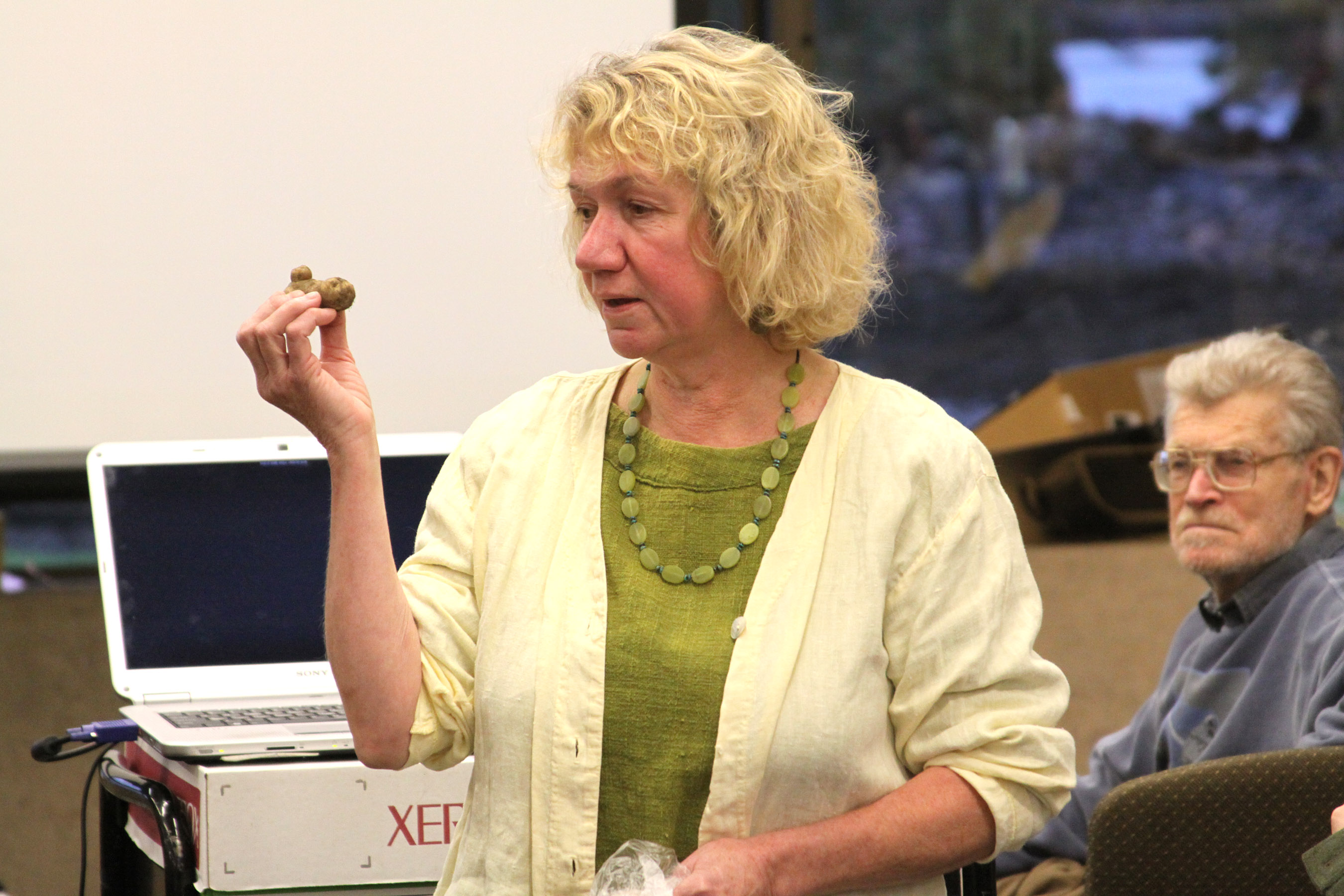
Elizabeth Kunibe shows off a Tlingít potato (also known as "Maria's potato")

On Friday afternoon, the Sitka Local Foods Network hosted anthropology student Elizabeth Kunibe of Juneau for a presentation, “Growing in Sitka and Southeast Alaska: Food of Today, Tomorrow and 200 Years Ago.” This presentation took place at the Kettleson Memorial Library and we had a standing-room-only crowd of 50-plus, despite being arranged less than a week before the event and competing with several Alaska Day happenings.

The Sitka Local Foods Network thanks Elizabeth for taking the time to make the presentation on what, for her, was a pleasure trip to Sitka for Alaska Day. We also thank the library and librarian Sarah Jones for allowing us to use Kettleson Memorial Library for the presentation.

Finally, we thank everybody who came to the presentation to hear Elizabeth discuss traditional Tlingít, Russian and American gardens in Sitka and Southeast Alaska, the Tlingít and Haida potatoes, an agricultural fair in Fort Yukon, the phytonutrients of potatoes and plant diseases.

For those people who weren’t able to attend, the presentation was recorded and it will be aired at various times this week on public access TV (Channel 11). Elizabeth said she might send over some notes from the presentation, and when those arrive they will be posted on the Sitka Local Foods Network site, http://www.sitkalocalfoodsnetwork.org/. A small gallery of photos from the presentation is posted at this link.

Thanks again,
Charles Bingham, event organizer
Sitka Local Foods Network