• It’s time to … learn how to start your seeds for your spring vegetable garden

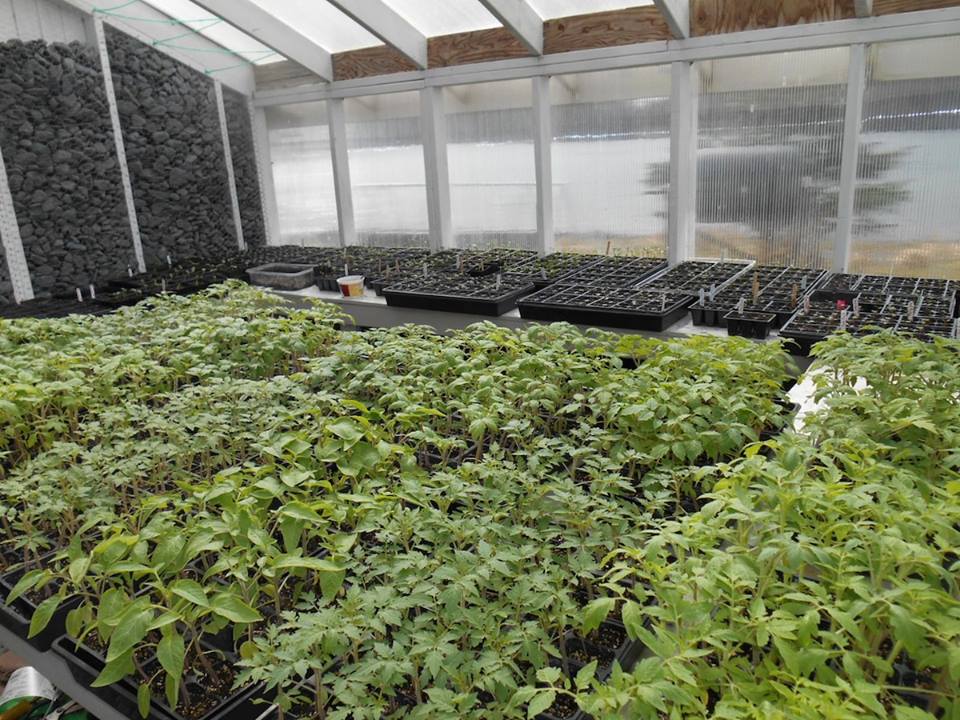
Spring 2014 plant starts in Sitka gardener Keith Nyitray's Finn Island Farm greenhouse.

Spring 2014 plant starts in Sitka gardener Keith Nyitray’s Finn Island Farm greenhouse.

It’s the end of March, which means many people in Sitka are already planning their spring vegetable gardens. While it’s still too early to plant most crops outdoors, this is the perfect time to start some seeds indoors to you can transplant them into your garden in May.
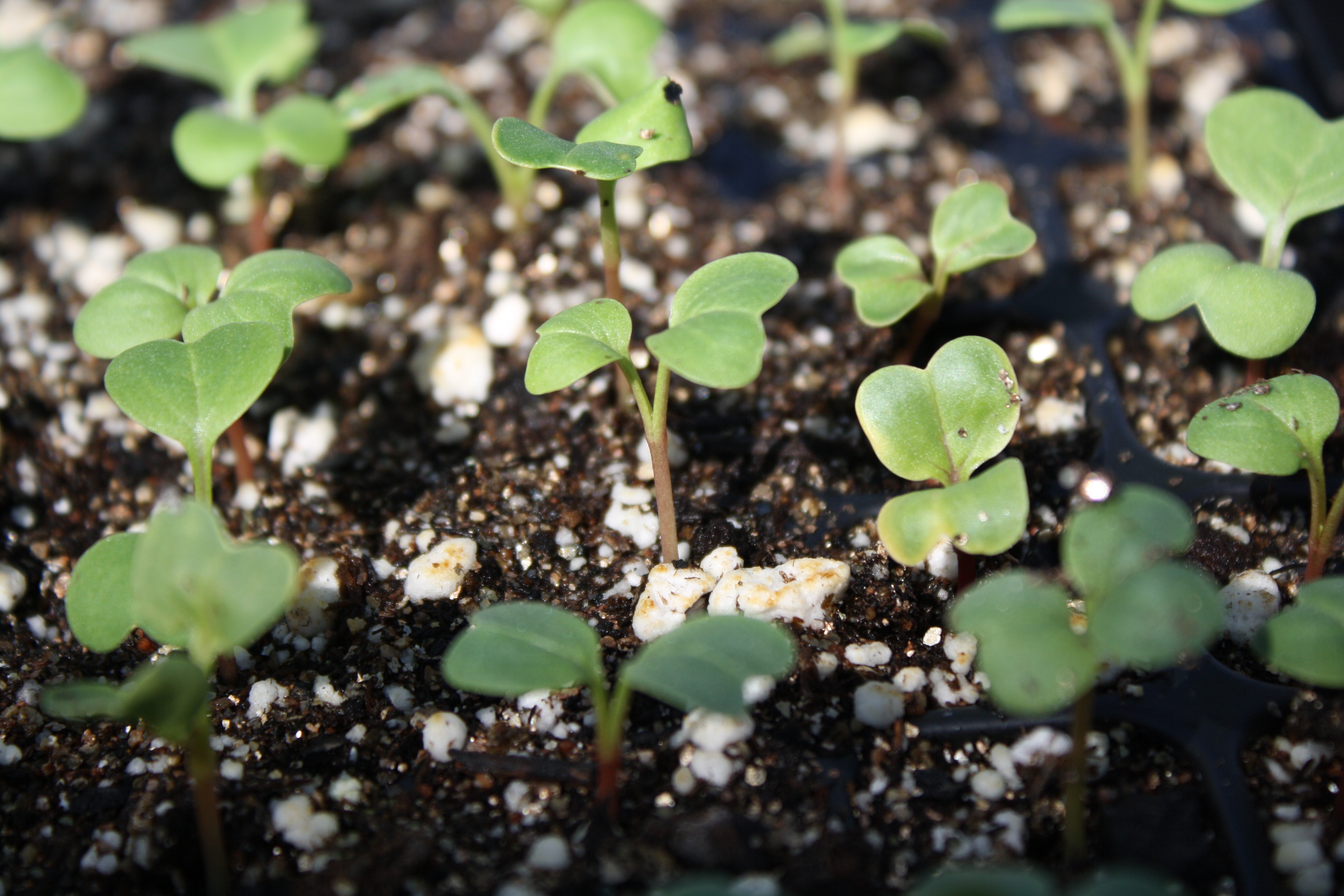
april-5-seeds-2011-012The Sitka Local Foods Network is offering two free classes this spring about starting seeds. Both classes will be limited in size, so preregistration is required. Click here to check out the radio PSA.

The first one will be taught by Jennifer Carter, and it takes place from 6:30-8 p.m. on Tuesday, March 31, at Harrigan Centennial Hall. In this class, which is limited to 15 people, participants will learn how to mix seed-starting soil (potting soil usually is too rich for seedlings), and they will plant a few seeds to take home and grow.

The second class will be taught by longtime Sitka gardener Linda Wilson at 2 p.m. at her home. This class will be limited to 8-10 people, and you will receive the address when you call Michelle Putz or Jennifer Carter (see numbers below) to preregister.

Also, the next meeting of the Sitka Local Foods Network education committee is from 6:30-8 p.m. on Wednesday, April 1, at the Sitka Unitarian Universalist Fellowship Hall, 408 Marine Street (parking off Spruce Street). We will be brainstorming ideas for upcoming classes, and we welcome local gardeners who want to teach classes to join our list of educators. Just give us a topic, best date and time, and we can help you find a venue.

For more information about Sitka Local Foods Network education classes, contact Jennifer Carter at 747-0520 or 1-850-491-2666 (cell), or Michelle Putz at 747-2708. These are two of the many free classes being offered this year by the Sitka Local Foods Network education committee. Click here to get a full list of our upcoming spring classes.
• ‘Building Food Security in Alaska’ report released during Alaska Food Festival and Conference

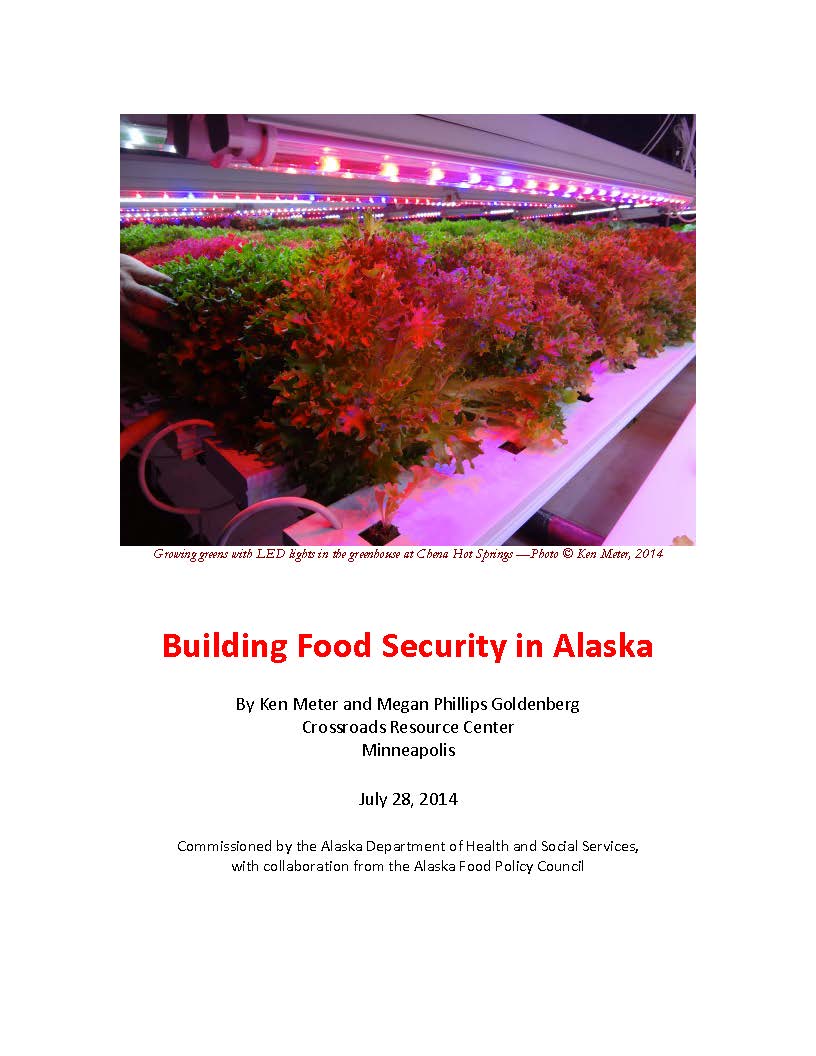
14-09-17_building-food-security-in-ak_exec-summary-recommendations_Page_01

The release of a new report, “Building Food Security in Alaska,” was one of the highlights of the recent Alaska Food Festival and Conference (Nov. 7-9 at the University of Alaska Lucy Anchorage Cuddy Center). This is one of the first comprehensive statewide food security reports compiled for Alaska.

The report was written by Ken Meter and Megan Phillips Goldenberg of the Crossroads Resource Center in Minneapolis, which has done six in-depth statewide food assessments over the past five years and 14 statewide food assessments overall. The report was commissioned by the Alaska Department of Health and Social Services, with collaboration from the Alaska Food Policy Council.

The Crossroads Resource Center website provides this summary of the report:

Like most other states, Alaska imports about 95 percent of the food it purchases. Yet this state is more distant from prevailing food production regions than other states. Alaskans feel a special sense of vulnerability. Despite a rich history in dairy and cattle production, most of these foods are now imported. Much of the arable farmland has been paved over by development. Moreover, Alaskans who wish to purchase some of the $3 billion of seafood harvested from its ocean waters typically have no choice but to buy through Seattle vendors.

Still, farms produce a rich variety of crops and livestock. Direct sales from farmers to household consumers run at 13 times the national average, amounting to one of every six dollars farmers earn selling food to humans. Lettuce, peppers, and cucumbers are available year-round from indoor farms. Chickens are grown inside greenhouses that rely upon surplus heat from nearby buildings.

In no other state is harvesting wild foods as important. Subsistence and personal use hunters bring in an estimated $900 million worth of salmon, caribou, moose, foraged greens and berries, and other foods. Yet even here, hunters and gatherers face special challenges: a decline of hunting skills, weakening ice, changing migrations, and radioactive fallout.

Our study, written by Ken Meter and Megan Phillips Goldenberg, offers practical steps for building a more reliable food supply by growing, storing, and marketing more Alaska-grown food to Alaskans. Commissioned by the Alaska Department of Health and Social Services.

Copies of the full 180-page report and a shorter executive summary and recommendations are linked below. In addition, most of the presentations and panel discussions from the Alaska Food Festival and Conference can be found here. This link includes a keynote presentation by Sitka Local Foods Network Board President Lisa Sadleir-Hart about the experience of compiling the Sitka Community Food Assessment, plus Sitka residents Keith Nyitray of the Sitka Food Co-op and Gordon Blue of the Alaska Sustainable Fisheries Trust participated in panel discussions about food cooperatives and community-based fisheries, respectively.

In addition, earlier this year two locally focussed food assessments were released. Copies of the Sitka Community Food Assessment Indicators Report (released in April 2014) and the Southeast Alaska Food System Assessment (released in February 2014) can be found in the Documents section of our website.

• Building Food Security in Alaska, Executive Summary and Recommendations, by Ken Meter and Megan Phillips Goldenberg (released November 2014)

• Building Food Security in Alaska, by Ken Meter and Megan Phillips Goldenberg (released November 2014)

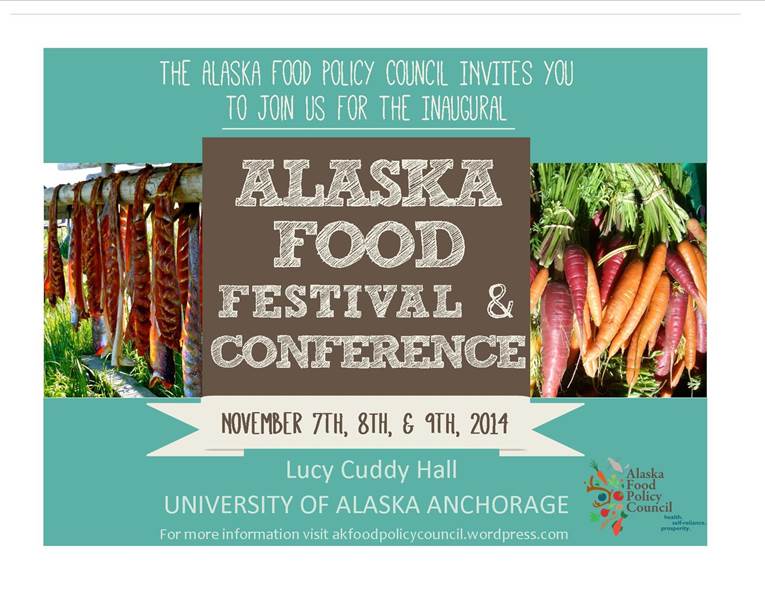
• Inaugural Alaska Food Festival and Conference to feature Sitka speakers

AlaskaFoodFestivalAndConferenceCard

AlaskaFoodPolicyCouncilLogoThree Sitka residents will have prominent roles during the inaugural Alaska Food Festival and Conference on Friday through Sunday, Nov. 7-9, at the University of Alaska Anchorage’s Lucy Cuddy Center. This event is hosted by the Alaska Food Policy Council.

Sitka Local Foods Network Board President Lisa Sadleir-Hart will deliver one of the two keynote speeches during lunch on Friday, when she will discuss food security and the results of the Sitka Community Food Assessment.

Keith Nyitray, president of the Sitka Food Co-op board, will participate in a panel discussion Friday afternoon about the future of food cooperatives in Alaska. Gordon Blue, the president/executive director of the Alaska Sustainable Fisheries Trust (which operates the Alaskans Own Seafood community supported fishery program), will participate in a Friday afternoon panel discussion about innovations to enhancing local fishing livelihoods in coastal Alaska.

This event has a different theme for each of the three days. Friday is the Alaska Food Policy Conference, which features local and national speakers who will present and lead discussions on a variety of food security, production, business and community issues. Saturday is the Alaska Food Festival, which gives participants to sample a variety of Alaska food products, attend short classes on various food topics, shop at the farmers market, etc. The event wraps up Sunday with the Food System Open House, where participants can visit sites in Anchorage that are doing exciting work in our food system.

To register for the Alaska Food Festival and Conference use this link, http://akfoodpolicycouncil.wordpress.com/conference/register/. Registration is $125, or $75 for students. For questions or more information, please feel free to contact the Alaska Food Policy Council at 1-907-269-8072 or akfoodpolicycouncil@gmail.com.

• Sitka Food Co-op, Sitka Local Foods Network make plant starts available on co-op delivery days

Plant starts in Sitka gardener Keith Nyitray's greenhouse

Plant starts in Sitka gardener Keith Nyitray’s greenhouse

The Sitka Local Foods Network and Sitka Food Co-op are teaming up to make garden starts available for Sitka food gardeners.

The plant starts will be available through the Sitka Local Foods Network on the next three monthly Sitka Food Co-op delivery days, from 4:30-6:30 p.m. on Monday, April 21, May 19 and June 23, at the Sitka First Presbyterian Church (505 Sawmill Creek Road). The sale of these plant starts helps benefit the Sitka Local Foods Network, and we thank the Sitka Food Co-op for the opportunity to sell them on their delivery pick-up days. The plant starts are from Sitka gardeners and are of plants that do well in Sitka’s climate.

For more information, contact Keith Nyitray of the Sitka Food Co-op at sitkafoodcoop@gmail.com or go to http://sitkafoodcoop.org/

• Sitka Food Co-op to host all-day planning workshop on Saturday, Nov. 23

SitkaFoodCoopPlanningEvent

Are you interested in helping the Sitka Food Co-op develop its short- and long-term plans? Then come join us in an all-day planning workshop from 9 a.m. to 3:30 p.m. on Saturday, Nov. 23, at the Fireside Room at the First Presbyterian Church, 505 Sawmill Creek Rd.

This workshop will be facilitated by Lisa Sadleir-Hart, board president of the Sitka Local Foods Network and project coordinator of the Sitka Community Food Assessment. Workshop participants will create an action plan for the co-op’s next five years, as well as developing the co-op’s vision and priorities.

Sitka Food Co-op Board Chair Keith Nyitray said, “Topics to be covered include whether we need a paid “general manager” position, whether and/or when to conduct a feasibility study about opening a retail store-front, starting home-deliveries, submitting paperwork to accept WIC, whether to switch incorporation to a non-profit status or not, moving toward establishing a two-tiered membership system, bulk buying and/or member equity sharing, and more.”

According to the Co-op’s website, the purposes of the Sitka Food Co-op are to:

  1. Create a community-based, member-owned buying service;
  2. Make available wholesome natural and organic foods and products as inexpensively as possible;
  3. Support and encourage local growing of fresh organic foods;
  4. Purchase and purvey, whenever feasible, the goods or services of local and regional growers and producers; and
  5. Serve as a center for activities and services which otherwise enrich the life of the community.

This workshop is open to everyone, including non-members, but please RSVP by Nov. 21 at sitkafoodcoop@gmail.com. There will be a potluck lunch, so please bring a dish to share. To learn more about the Sitka Food Co-op, go to http://sitkafoodcoop.org/.

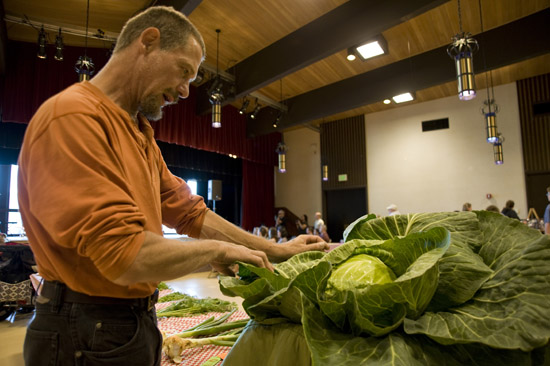
• Daily Sitka Sentinel features Keith Nyitray with his winning cabbage from the Sitka ‘state’ Fair

BIG PRODUCE – Sitka gardener Keith Nyitray arranges the leaves on his 17-pound cabbage Sunday during the second annual Sitka “State” Fair at Harrigan Centennial Hall. The cabbage earned a blue ribbon at the fair, which had categories for vegetables, jams, hobbies, crafts, photography and spam hors d’oeuvres, among others. The event included music by the SitNiks and performances by Celtic dancers. (Daily Sitka Sentinel Photo by James Poulson)

BIG PRODUCE – Sitka gardener Keith Nyitray arranges the leaves on his 17-pound cabbage Sunday during the second annual Sitka “State” Fair at Harrigan Centennial Hall. The cabbage earned a blue ribbon at the fair, which had categories for vegetables, jams, hobbies, crafts, photography and Spam hors d’oeuvres, among others. The event included music by the SitNiks and performances by Celtic dancers. (Daily Sitka Sentinel Photo by James Poulson)

The Monday, Aug. 12, 2013, edition of the Daily Sitka Sentinel included a photo of local gardener Keith Nyitray with his winning cabbage from the Sitka “state” Fair held Sunday, Aug. 11, at Harrigan Centennial Hall.

The second annual Sitka “state” Fair was hosted by the Greater Sitka Arts Council. More details about the event and some of its contests can be found here.

• KCAW-Raven Radio reports on how Sitka residents can double down on EBT benefits at the Sitka Farmers Market

Mira Vale staffs the EBT Quest Card table at the Aug. 3, 2013, Sitka Farmers Market

Mira Vale staffs the Alaska Quest Card/EBT benefits table at the Aug. 3, 2013, Sitka Farmers Market

The Friday, Aug. 9, 2013, newscast on KCAW-Raven Radio featured a story about how Sitka residents on food stamps can double their Alaska Quest Card/EBT benefits at the Sitka Farmers Market.

The Alaska Quest Card is an EBT, or Electronic Benefits Transfer, program that helps people on food stamps pay for food at local grocery stores. Their monthly EBT benefits are loaded onto their Alaska Quest Card, and an amount is deducted from the card each time they buy food.

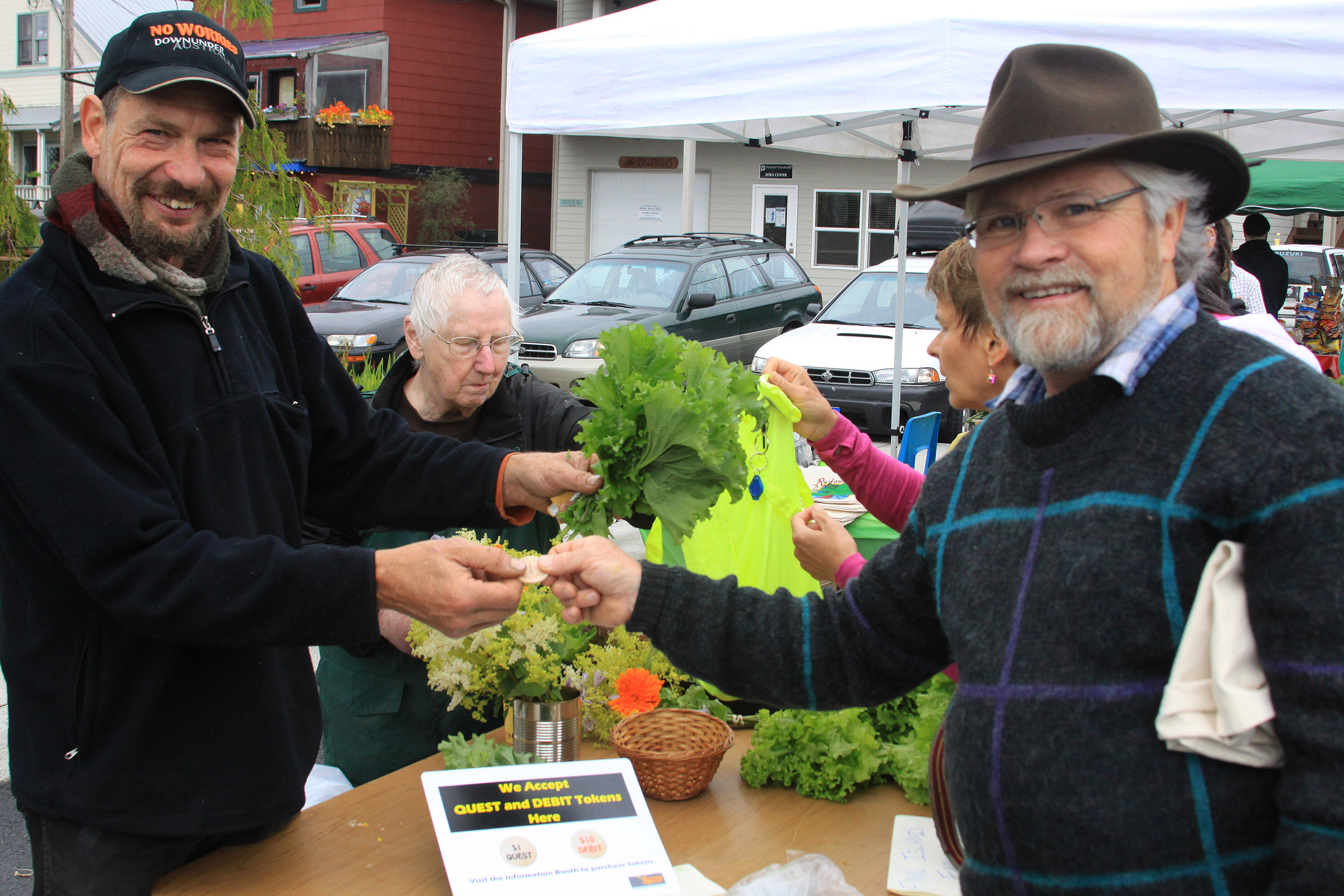
Starting last year, the Sitka Farmers Market joined several Alaska farmers markets in accepting Alaska Quest Cards/EBT benefits, and this year the number of markets accepting EBT has grown to 11 markets in Alaska. Since many farmers market vendors aren’t set up to accept charge cards, people on EBT benefits can use their cards to buy tokens (wooden nickels) at a booth at the Sitka Farmers Market, and they then can use the tokens to purchase fresh food from participating vendors.

The Alaska Quest Card/EBT booth also sells a second type of token that people not on EBT benefits can use to purchase food and other items (including arts and crafts) from participating vendors. This second token allows vendors who aren’t set up for credit/debit cards to still make sales.

Kerry MacLane uses a token to purchase produce from Sitka Farmers Market vendor Keith Nyitray during the Aug. 3, 2013, Sitka Farmers Market.

Kerry MacLane uses a token to purchase produce from Sitka Farmers Market vendor Keith Nyitray during the Aug. 3, 2013, Sitka Farmers Market.

The KCAW story focused on Sitka resident Stacie Joseph, who uses EBT benefits to help pay for her food for her four kids while she attends school. Because of a grant from the state, various Alaska farmers markets are able to provide double the benefits for people using EBT benefits. For example, if someone wants to use $20 of their EBT benefits, they’ll receive $40 worth of tokens. Joseph said the doubled benefits mean that in addition to providing healthy fresh produce for her family, she can have more money available to use on her health management classes at the University of Alaska Southeast-Sitka Campus, helping her improve her earning potential.

“This program improves access to fresh, local foods to community members who are struggling financially.  Additionally, the program helps increase understanding of food insecurity issues in our community and how produce and other food vendors can be part of the solution,” said Lisa Sadlier-Hart, president of the Sitka Local Foods Network board of directors, which hosts the Sitka Farmers Markets.

• Sitka Food Co-op to host first annual membership meeting on Sept. 24

The Sitka Food Co-op will host its first annual membership meeting at 5:30 p.m. on Monday, Sept. 24, at the Rasmuson Center on the Sitka Fines Arts Camp/Sheldon Jackson Campus.

This membership meeting is an important part of the co-op’s development. The co-op incorporated one year ago and now it has to file official by-laws with the Alaska Department of Commerce and Economic Development. The Sitka Food Co-op is a community-based, member-owned buying service dedicated to making wholesome foods and products available to its members as inexpensively as possible.

During this meeting we will establish co-op membership, discuss and vote on the co-op bylaws and elect board members for the next year.

This will affect the bulk ordering aspect of the co-op, so please come and share your opinions and your vote.

“Thanks to you all for making this such a successful operation thus far,” co-op organizer Ann Jenny said. “I look forward to the next phase of our development and, as always, am open to all of your ideas.”

For more information, send an e-mail to Ann at sitkafoodcoop@gmail.com or contact Keith Nyitray at 752-2335. Any person, organization or business interested in becoming a member or just interested in learning about the benefits of becoming a member of the largest local cooperative buying service in Sitka is welcome to attend.

• Sitka Food Co-op annual meeting flier to print out and post around town (PDF file)

• Sitka resident Keith Nyitray shares a recipe for Hungarian cabbage noodles

Hungarian cabbage noodles

Hungarian cabbage noodles

A Hungarian cabbage noodles recipe from Sitka resident Keith Nyitray

• Another recipe from Keith Nyitray — Broccoli pesto/dip

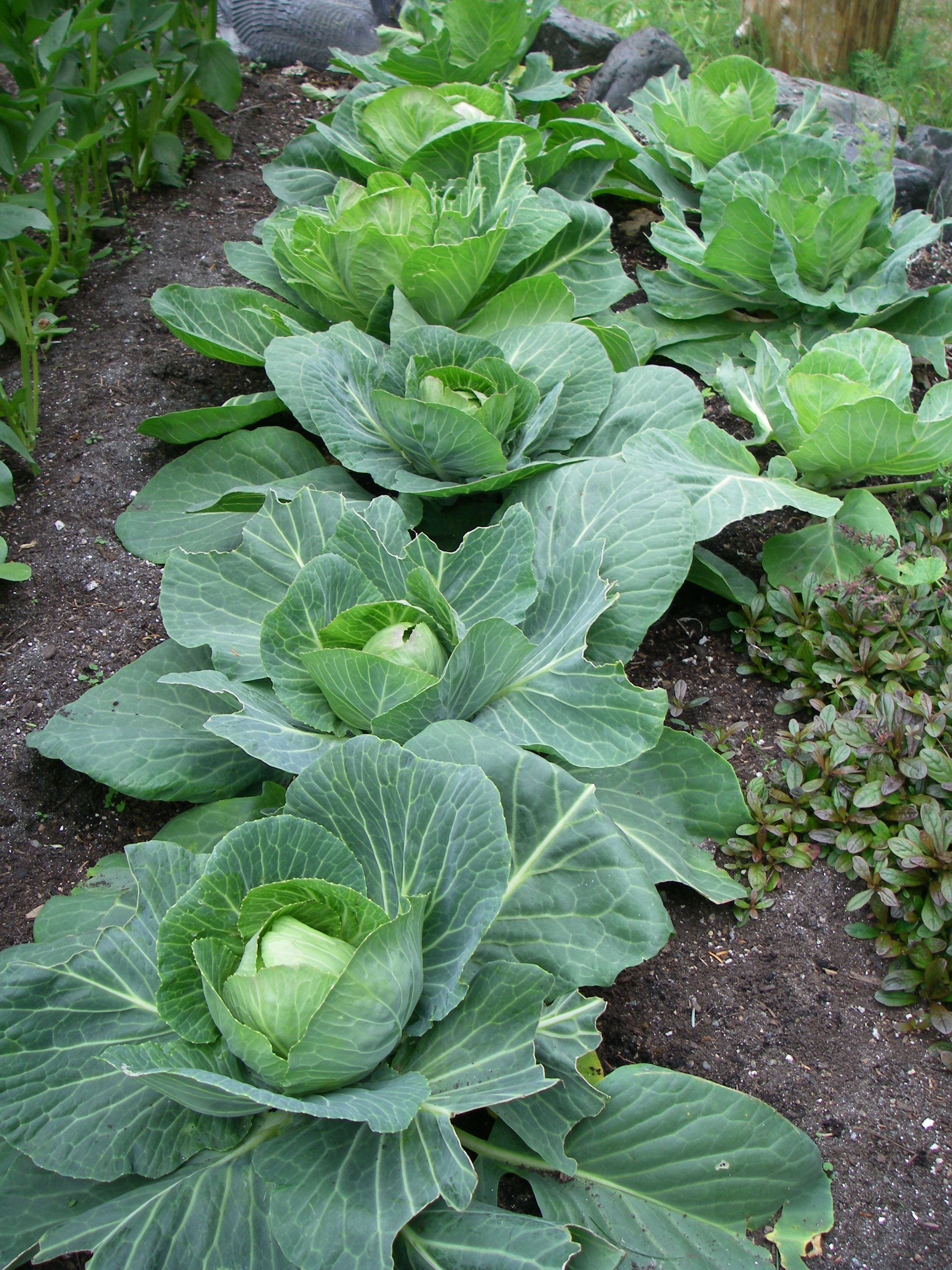
It’s September and, at least in my garden, it’s time to start harvesting cabbages. I love cabbages. Being one of the many members of the Brassica family, cabbage is easy to grow and cultivate in Southeast Alaska and does well without any real special attention. Just keep the deer and slugs away.

Whether used in soups or stews, made into sauerkraut or ’slaw, cabbages are a surprisingly good source of vitamin C, riboflavin, (vitamin B12) and glutamine (which has anti-inflammatory properties).

Below is a very simple yet hearty meal that can stand alone or be served with other meats and/or vegetables. Adding the dill or caraway seeds is a matter of personal taste. Personally, I like to use the dill seeds that I’ve already dried and stored from my previous years’ garden.

Hungarian Cabbage Noodles
(makes 6-8 servings)

1 medium sized head of cabbage – shredded
1/2 cup butter (melted)
1 tbs. sugar/honey
salt/pepper
12 oz. egg noodles, freshly cooked
1 tbs. dill or caraway seeds (optional)

Halve, then core the cabbage. Slice each half of the cabbage into half-inch strips, rotate and then cut those strips into thirds.

Melt butter in a Dutch oven or large pot over medium heat. Add cabbage, dill/caraway seeds (optional), and sauté until cabbage is almost translucent and lightly browned. Note: the volume of cabbage will have shrunk considerably.

Mix in salt, pepper, sugar/honey (to taste). Add noodles and toss to combine.

Reduce heat to low and stir until warmed through.

Serve immediately.

• A broccoli pesto/dip recipe from Sitka’s Keith Nyitray

Broccoli pesto/dip made by Sitka resident Keith Nyitray

Broccoli pesto/dip made by Sitka resident Keith Nyitray

A broccoli pesto/dip recipe from Sitka resident Keith Nyitray

What a wonderful year for gardening! If your garden is anything like mine this year, you probably ended up with an overabundance of broccoli. You’ve sold or given your broccoli away, gorged on steamed broccoli, made broccoli quiche, broccoli rarebit, cream of broccoli soup, and maybe even blanched and frozen some for the winter. And STILL the plants keep producing, especially those side florets!

Well, here’s a variation of pesto that stores well and can easily be transformed into a great dip for other fresh vegetables from your garden. The best thing about this “recipe” is that amounts aren’t written in stone. Feel free to play around with it. Personally I like to toast my pine nuts and double the amount of garlic!

Broccoli Pesto/Dip

3 cups broccoli florets
1/3 cup olive oil (or more as needed)
1/3 cup grated Parmesan cheese
1/2 cup pine nuts (walnuts also work)
1/4 cup fresh parsley (optional)
2 or 3 large cloves of garlic
1 teaspoon salt (sea salt if you have it)
1/4 teaspoon pepper
splash of lemon juice

Steam the broccoli in a medium saucepan until bright green and just slightly tender, drain and immediately rinse in cold water. (You can also cook the florets in a skillet with a pinch of salt, olive oil, and a little bit of water to retain the maximum amount of nutrients. Do not rinse.)

Place the broccoli, half the olive oil, and the rest of the ingredients in a blender or food processor and purée. While blending, drizzle in as much olive oil as is needed to reach a smooth, almost creamy, consistency. (Note: if you’ve got a small blender like mine, this can be done in two batches and mixed together by hand in a separate bowl.)

Once blended, toss it with cooked fettuccine noodles as you would a regular basil pesto. It will store in a refrigerator for weeks and almost indefinitely in a freezer.

To convert this into a hearty vegetable dip, just blend in a little sour cream, cream cheese, mayonnaise or yogurt to taste.

Broccoli growing in the garden

Broccoli growing in the garden