• Meet your vendors: Linda Wilson of Seaview Garden and Jewelry Arte

LindaWilson

SitkaFarmersMarketSign(This is part of a new series of “Meet your vendors” articles, where Sitka Local Foods Network Intern McLane Ritzel is writing features about our regular Sitka Farmers Market vendors.) 

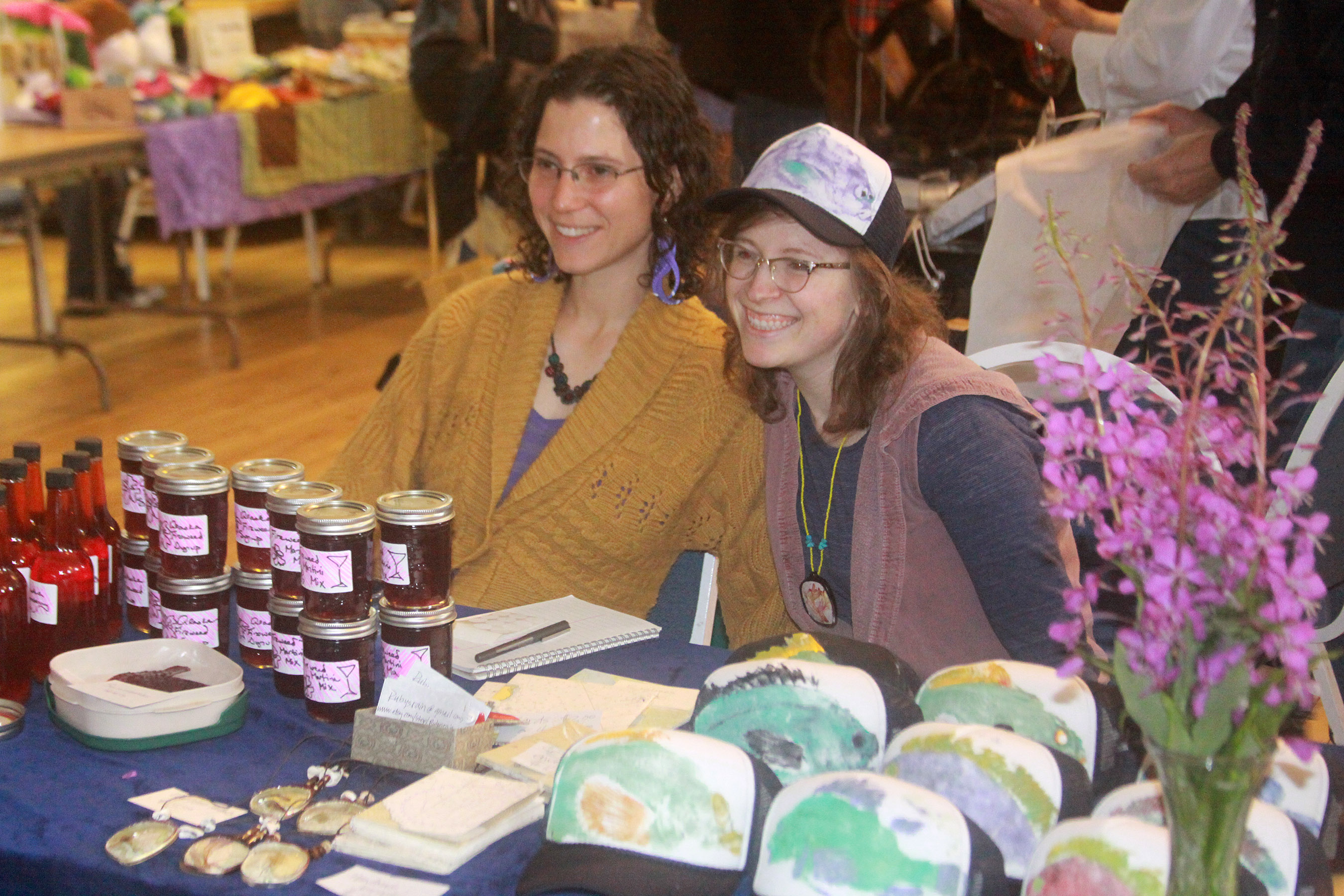
Taking a stroll through this summer’s Sitka Farmers Markets, several perfectly baked rhubarb pies may have caught your eye. Outside in the tent next to the Sitka Local Foods Network produce tent, stood the talented gardener and craftswoman Linda Wilson, a Sitka local for the past three decades who owns Seaview Garden and Jewelry Arte.

Wilson’s father was in the USDA Forest Service. Wilson was raised in California until the age of 6, when her family moved to Ketchikan. A few years later, her father moved the family to Sitka and then to Juneau for his work. Wilson attended high school in Juneau, but yearned to be back in Sitka where they had bought a house in 1975 out on Halibut Point Road. The family returned to Sitka after Wilson’s father retired from the USDA Forest Service in 1982. Wilson lost both her mother and her brother to illnesses, and has been taking care of her father in Sitka since his retirement.
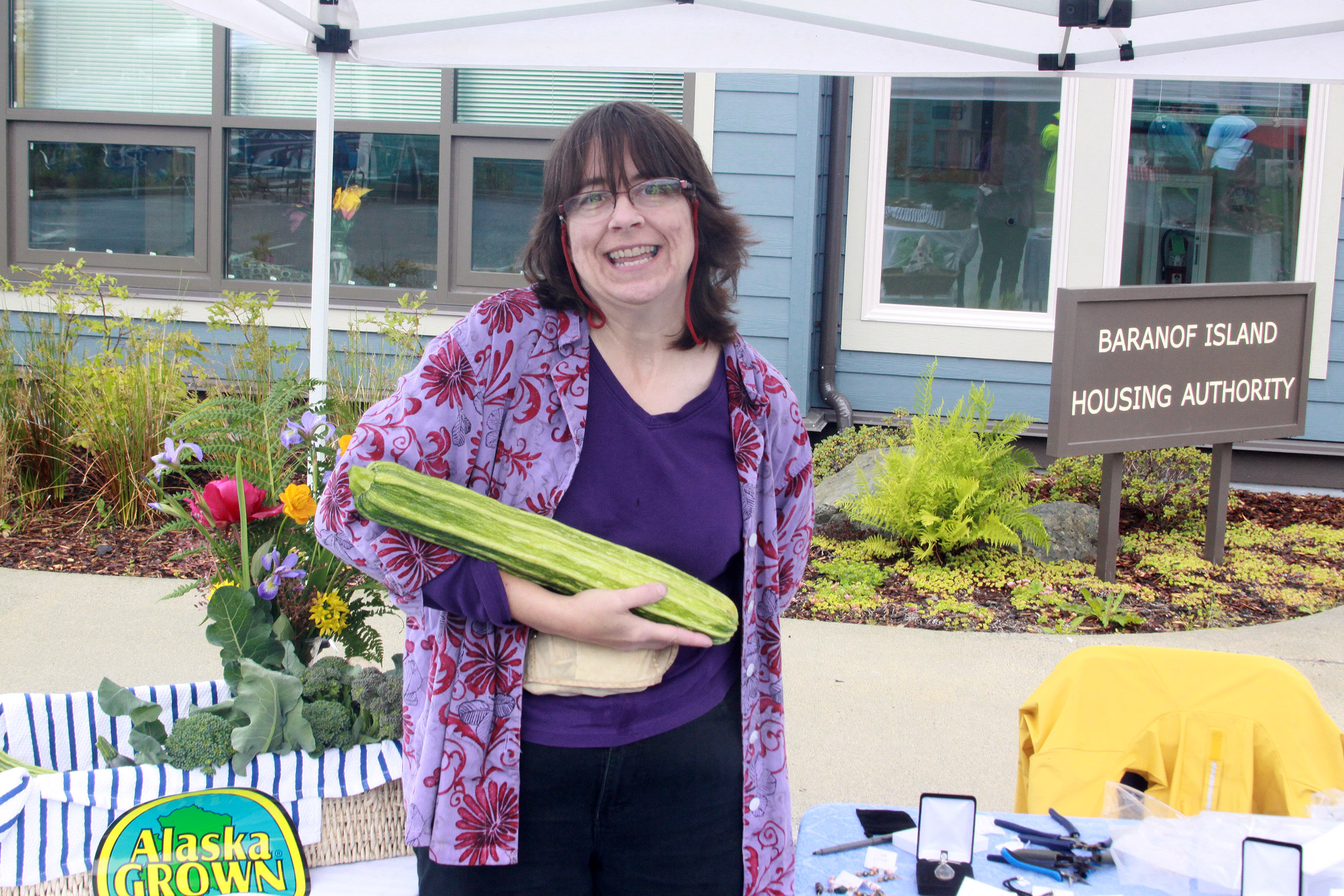
LindaWilsonWithZucchiniIn Sitka, Wilson fell into gardening, because outside of the house is where she felt she had the most control and freedom. Inside the house was dad’s territory. She ripped out her salmonberry bushes in 2004, and learned how to grow broccoli when she met Florence Welsh. Today, she grows carrots, snap peas, greens including kale, collard, and lettuce, and rhubarb. She loves composting and mostly uses coffee grounds and spent grains. At the Sitka Farmers Markets, she sold collard greens and delicious pies. Strawberry-rhubarb is her favorite.

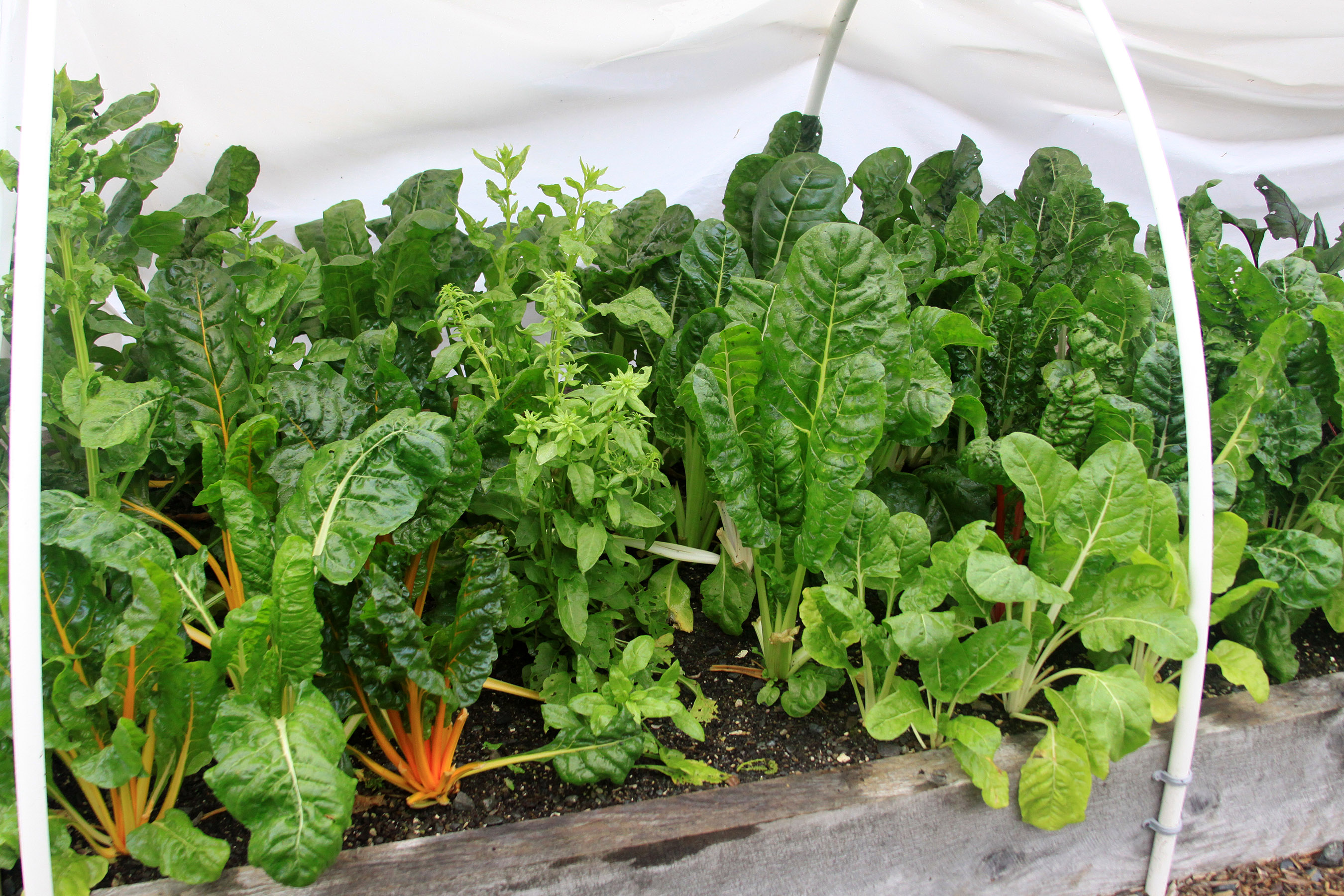
This year, she has been growing zucchini and tomato plants inside her newly established high tunnel via a NRCS grant. She thanks those in the community who helped her put up the high tunnel, and particularly market vendor Kerry MacLane’s instrumental assistance. Even though she has retired from the Sitka Local Foods Network board of directors, Linda was one of the original board members. She also was one of the first managers of the Sitka Farmers Market, and she organized the first Let’s Grow, Sitka! education event.

LindaWilsonWithPieWilson loves making homemade pizza from scratch with homegrown tomatoes, onions, sliced zucchini, nasturtiums, broccoli, garlic, and basil. She says, “I grow tomatoes because it’s a challenge, and I’m gonna get it.” She also makes a mean pesto with carrot top greens. When she produces an overabundance of produce, she donates to the Salvation Army.

She loves to go mushroom foraging, and also picks berries to make a variety of jams. Her favorite is blueberry-huckleberry jam.

From 1985 until 2007, Wilson managed one of the local gift shops in town, where they sold authentic Russian imports. From 2003 to 2006, she also worked on a cruise ship in the Baltic Sea where she lectured on Russian arts and crafts, knowledge she had gained while managing the gift shop. Today, she works part-time with the Sitka Economic Development Association (SEDA), takes care of her father, and makes beautiful sculpted wire jewelry with gemstones.

Every February, Wilson makes a two-week trip down to one of the biggest jewelry shows in the world. She has attended the show 12 out of the past 13 years. Her favorite stones are fossils: coral, ammonites, and sand dollars, because, she says, “They used to be living.” She has a rock shop in her house where she houses her jewelry making studio with beautiful stones and lapidary equipment including a slab saw, trim saw, grinder, and rock tumbler, throughout. “Nature makes amazing things.”

LindaWilsonsJewelryWhen she is not out in the garden, tending to her father, or making jewelry, Wilson loves “petting kitty bellies.” They have two cats, Spike and Sandy, at home, though many more are buried out back. “Serving as compost,” Wilson jokes.

If you don’t see her at the Sitka Farmers Market, make sure to check out Linda Wilson’s beautiful jewelry at the Island Artists Gallery, an artists cooperative on Lincoln Street. Her jewelry makes great gifts for yourself, family members, and friends.
• Meet your vendors: Allison Sayer of Hearts and Flowers

TODAllisonSayerHeartsAndFlowers

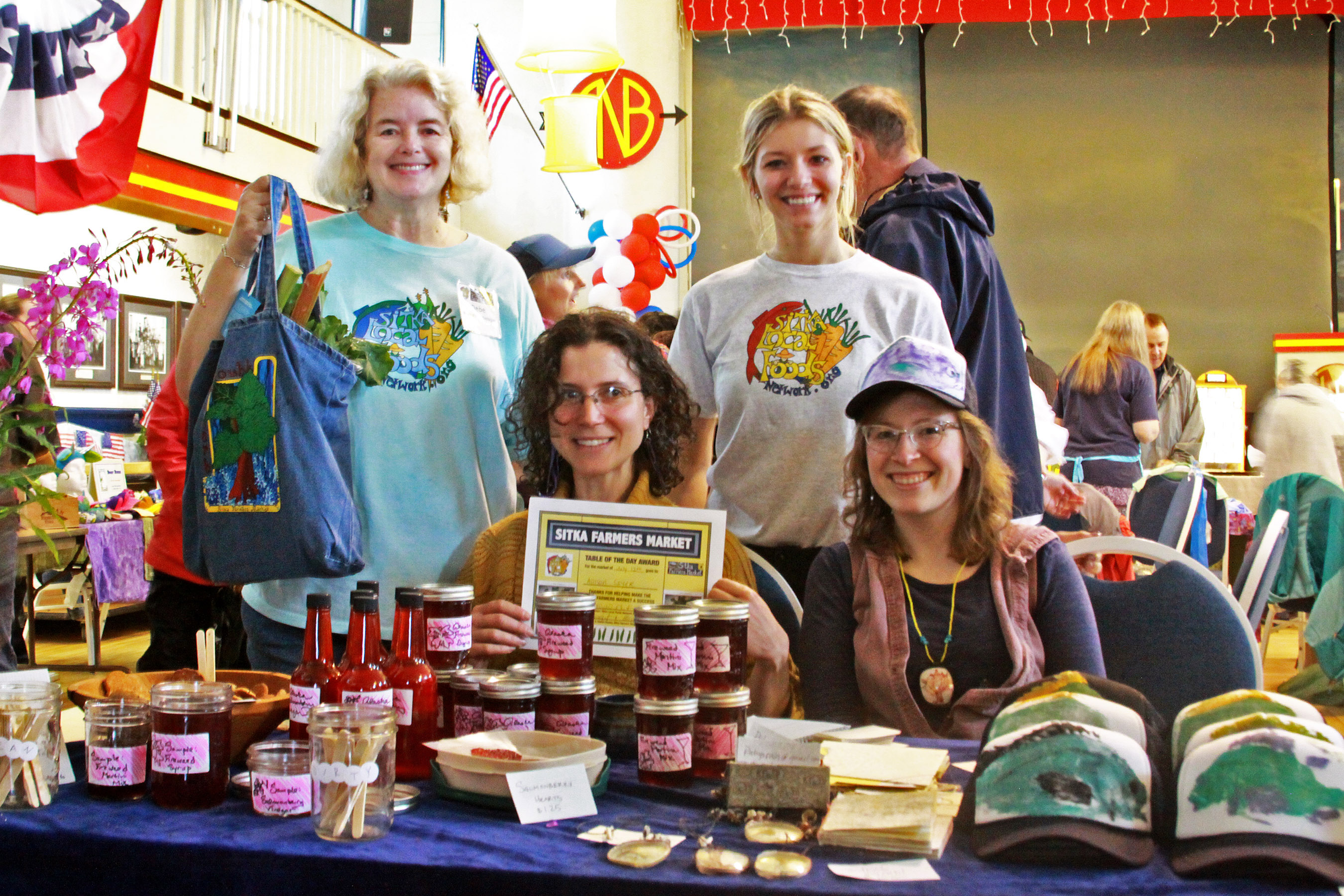
Allison Sayer of Hearts and Flowers (with certificate) won the Table of the Day Award at this summer’s second Sitka Farmers Market on July 12.

SitkaFarmersMarketSign(This is part of a new series of “Meet your vendors” articles, where Sitka Local Foods Network Intern McLane Ritzel is writing features about our regular Sitka Farmers Market vendors.) 

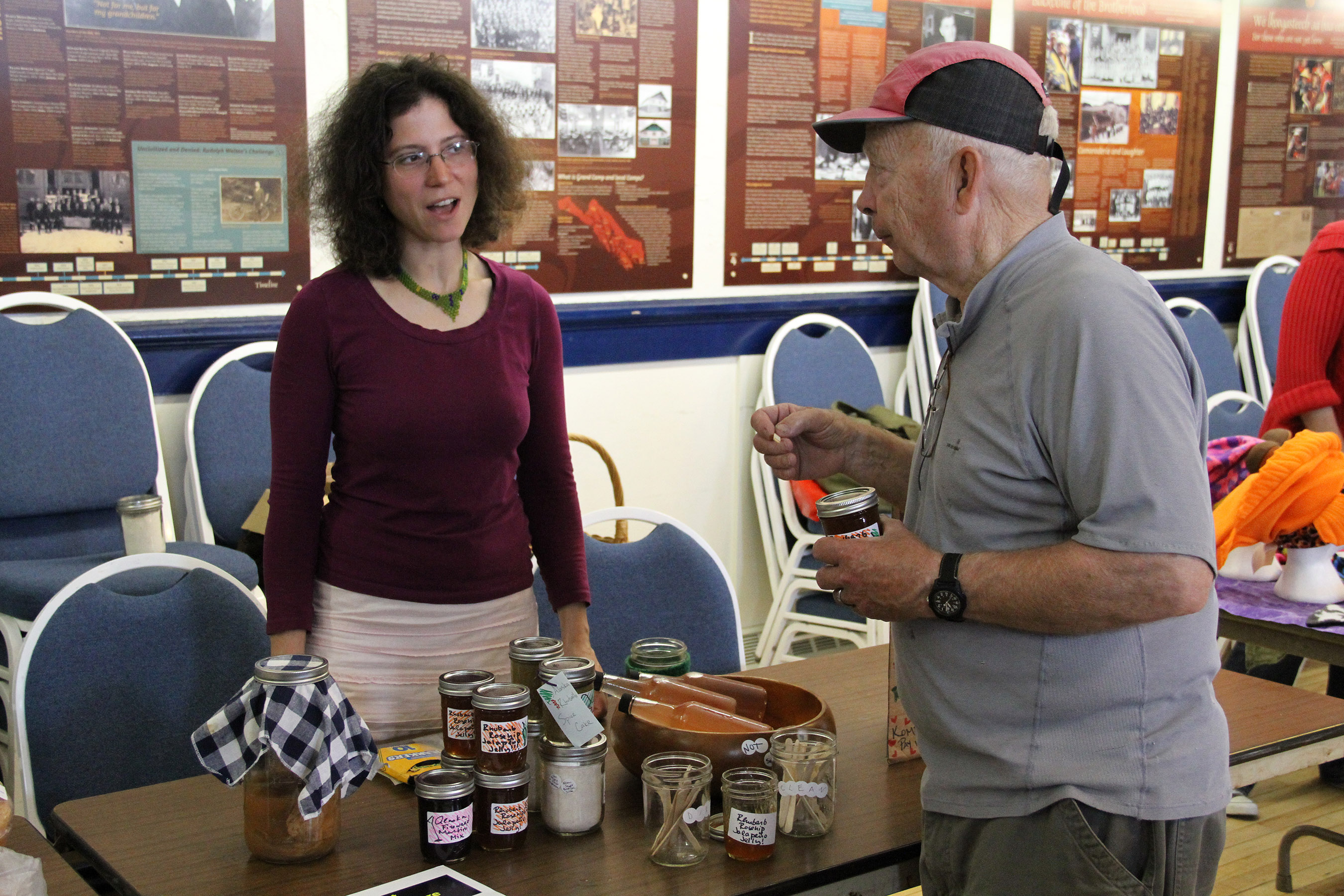
Have you been smelling something funny at this summer’s farmer’s markets? Maybe something a bit sour and overdue? Local resident Allison Sayer has been producing and selling her own live-fermented creations to curious consumers at the market, as well as experienced fermenters.

Born and raised in New York City, Allison Sayer graduated high school there and went straight into AmeriCorps on the West Coast. Later, she studied biology at Smith College, and then went to graduate school at the University of Alaska Anchorage pursuing the same track. She was attracted to the major, because she is passionate about landscape ecology, as well as salmon’s relationship with nature. However, she soon realized that the career (where much of her time would have been spent in a lab) was not quite as fun as the ideas behind it.

AllisonSayerTalksToCustomerSayer then pursued other opportunities that aligned closer with what she really connected with. She worked in Homer, at the Center for Alaskan Studies, and then at many different cooperatives in Santa Cruz, Calif., including a bike co-op, homeless gardener project, and a chicken sanctuary. Then she returned to Alaska, and worked in McCarthy at the Wrangell Mountains Center as a kitchen manager for three years. There she worked in the garden, held workshops, and served meals to participants. Sayer and the facility manager Jim experimented with varying fermented products. There in the Wrangell kitchen, Sayer discovered her passion for live-fermented foods.

At the Sitka Farmers Market on Aug. 9, you may have noticed the fermentation demonstration booth run by Sitka Local Foods Network intern McLane Ritzel. Live fermentation is an ancient practice, but more recently, it has gained a huge following around the world of interested individuals who want to produce their own food following traditional methods. The practice is communal and artisanal, and when consumed, encourages a healthy gut.

AllisonSayerKittySopowIn Sitka, this will be her third year working at Mount Edgecumbe High School, running extracurricular activities after school for the students. She loves her job, and says, “High school students are just so cute!” This summer, she has been working at the Baranof Island Brewing Company brewery.

At home, Sayer spends her time fermenting with produce from her own garden, playing the guitar, reading “too many books at once,” and hiking with her 4-year-old Karellian bear dog, a husky named Tulip.

Come out to this summer’s last Sitka Farmers Market from 10 a.m. to 1 p.m. on Saturday, Sept. 6, at ANB Hall to pick up some of Allison Sayer’s creatively edgy and uniquely delicious homemade Alaskan kimchi, sauerkraut made with varied ingredients, and kombucha, a fermented tea.

• Panel looks at allowing garden sales at homes

Tom Hart at Anam Cara Garden

Tom Hart at Anam Cara Garden

(The following article appeared in the Wednesday, Sept. 3, edition of the Daily Sitka Sentinel.)

By TOM HESSE
Sentinel Staff Writer

A potential zoning change that would allow gardeners to sell their extra produce from home started to take shape at Tuesday night’s Planning Commission meeting.

Lisa Sadleir-Hart works in Anam Cara Garden

Lisa Sadeir-Hart works in Anam Cara Garden

The proposal was brought forth by Lisa Sadleir-Hart and Thomas Hart [who own Anam Cara Garden] during an August meeting. The idea is to allow Sitkans with large gardens to sell their produce from their homes, which would include those in R-1, R-1 MH, R-2, R-2 MHP, GI and LI zoned districts. Since the zoning revision was first proposed, the city planning department has been trying to shape the rules, and Planning Director Wells Williams told commission members that there are a number of forms they could take.

“Like anything else, it’s a fairly simple concept but it gets complicated fairly quickly,” Williams said.

Currently, you-pick style gardens are allowed under a conditional use permit. Williams said the new proposal, which is being called commercial home horticulture, could follow a similar path. The big difference would be that gardeners could sell their produce and have a small stand in their yards where they could sell it. Those differences could be an issue in some neighborhoods, said commissioner Chris Spivey.

“There are definitely a lot of concerns about the sheer fact of having anything commercial in an R-1,” Spivey said.

Because of that, requests for commercial home horticulture permits would be done on a case-by-case basis under the proposals now being considered. Planning staff tentatively proposed a conditional use system whereby applicants would need to notify neighbors and take their applications through the planning process.

Sadleir-Hart said a four-week process to obtain a permit would be appropriate for gardeners who are looking ahead to the next growing season.

“Most people who would be moving through this process would be moving fall through winter,” she said. “To me that would be plenty of time and just being a good neighbor.”

Some of the issues commission members raised were about the days and times when sales would be allowed, how large garden stands could be, and how best to handle applications.

After a discussion, the commissioners decided the best system may be to set hours on a permit-to-permit basis.

“It’s that way with a lot of conditional use permits that we do. It varies from neighborhood to neighborhood,” commission member Richard Parmalee said.

Specifics are far from being concrete, but stands 6 feet by 8 feet in size, with an awning, are in the current proposal. They would be temporary, so they would be up only during the growing season.

“You’re going to have people in the neighborhood that want something that is aesthetically pleasing or temporary and easily broken down,” Spivey said.

Commissioners did take out a items from the original proposal, regarding greenhouses and sheds.

Williams said the planning office would take the comments from Tuesday night’s meeting and start drawing up a draft proposal with more specifics. The issue will be discussed further when the panel meets on Sept. 16.

• Scenes from Alaska’s first Lexicon of Sustainability gallery show in Sitka

LexiconOfSustainabilityBackDoorEventFlier

the_lexicon_of_sustainability_postConversations were started, ukuleles were played, and kale-feta salad was eaten as the Sitka Local Foods Network hosted Alaska’s first pop-up art gallery show of the Lexicon of Sustainability on Thursday night, Aug. 28, at the Back Door Café.

So what is the Lexicon of Sustainability? According to the website, “The Lexicon of Sustainability is based on the simple premise: People will live more sustainably if they understand the basic terms and principles that will define the next economy.” The Lexicon of Sustainability features dozens of large photos of our food and farming systems, water and energy, with a variety of topics defined on each photo, such as food security, sustainable fisheries, farm to table, permaculture, etc.

“The Lexicon of Sustainability illuminates the vocabulary of sustainable agriculture, and with it, the conversation about America’s rapidly evolving food culture. The Lexicon of Sustainability educates, engages and activates people to pay closer attention to how they eat, what they buy, and where their responsibility begins for creating a healthier, safer food system in America.”

The photos from this first show will be on display through Saturday, Sept. 13, at the Back Door Café. Future Sitka shows include a Sitka Local Foods Network fundraiser tentatively set for Oct. 23 at the Sitka Fine Arts Camp/Sheldon Jackson Campus, and possibly a show at the University of Alaska Southeast Sitka Campus at a date TBA. Then the photos will go to Anchorage for the Alaska Food Festival and Conference on Nov. 7-9, hosted by the Alaska Food Policy Council. This batch of Lexicon of Sustainability photos will stay in Alaska so different groups can use them in their communities.

To learn more about this project, contact Sitka Local Foods Network Board of Directors President Lisa Sadleir-Hart at sitkalocalfoodsnetwork@gmail.com. A slideshow of images from Thursday night’s event is posted below.

This slideshow requires JavaScript.

• UAF Cooperative Extension Service offers Certified Food Protection Manager class by videoconference in Sitka

CFPM-flyer-10-1-14

Wednesday, Sept. 17, is the registration deadline for a certified food protection manager workshop being taught on Wednesday, Oct. 1, by University of Alaska Fairbanks Cooperative Extension Service. This is an all-day statewide class that will be offered by videoconferencing to Fairbanks, Nome, Palmer, Sitka and Petersburg.

A certified food protection manager (CFPM) is responsible for monitoring and managing all food establishment operations to ensure that the facility is operating in compliance with food establishment regulations.

A CFPM is knowledgeable about food safety practices and uses this knowledge to provide consumers with safe food, protect public health and prevent food-borne illnesses. Alaska regulations require food establishments to have at least one CFPM on staff.

This course takes place from 9 a.m. to 5 p.m. (with a half-hour lunch), and participants will take a computer-based exam at the end of the class. The reason the deadline is two weeks before the class is to guarantee course materials reach all the students in time for the class. The cost is $200, and the course will be taught by Marsha Munsell of Fairbanks and Julie Cascio of Palmer. Students can register here (scroll down and select the Oct. 1 item).

The Sitka videoconference for the class will take place in Room 110 at the University of Alaska Southeast Sitka Campus. To learn more, contact Jasmine Shaw at the Sitka District Office of the UAF Cooperative Extension Service at 747-9440, or contact Kathy McDougall at (907) 474-2420 (Fairbanks number) or kmmcdougall@alaska.edu.

• It’s time to … get outdoors and pick some berries

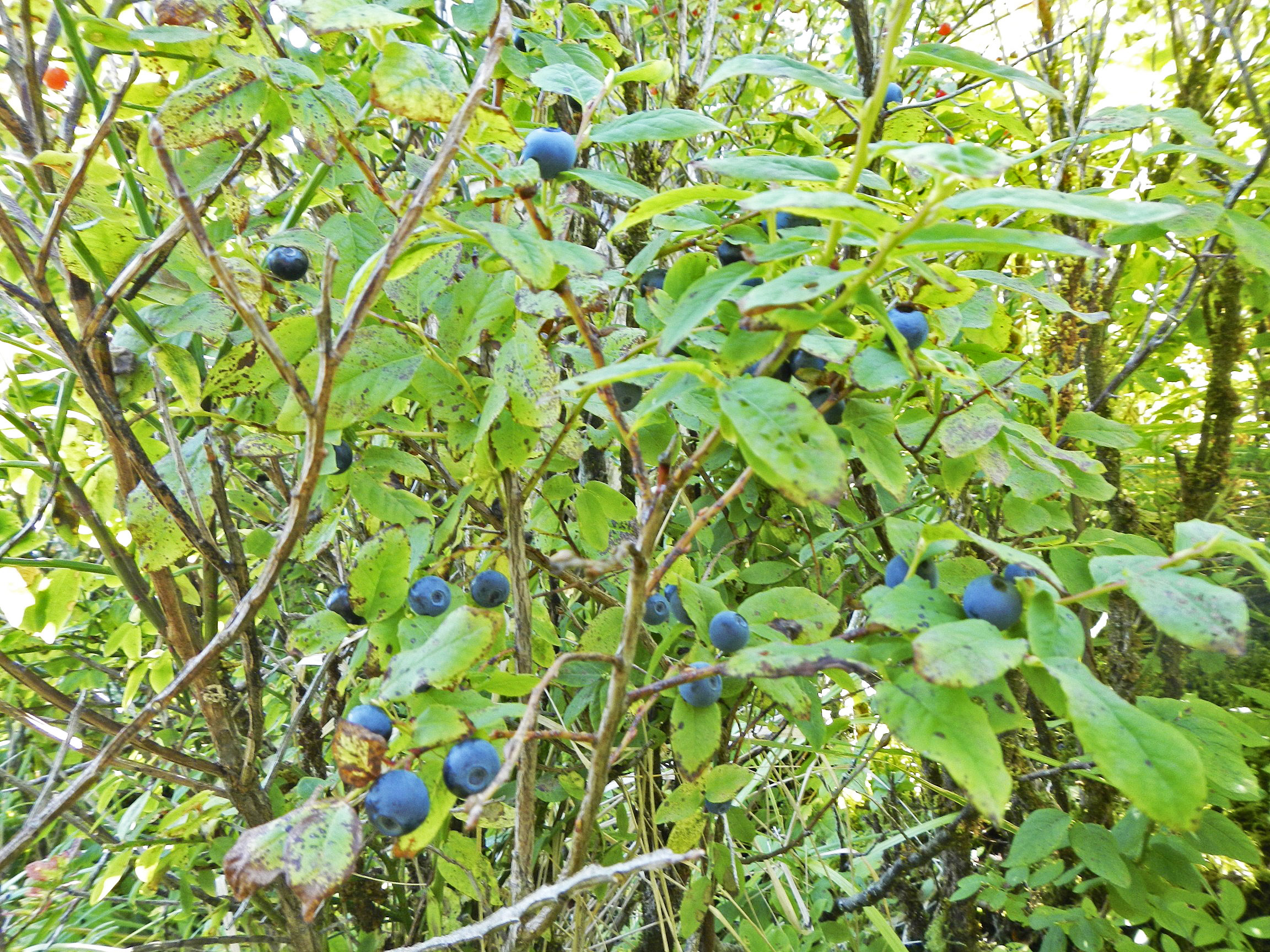
Blueberries (kanat'á)

Blueberries (kanat’á)

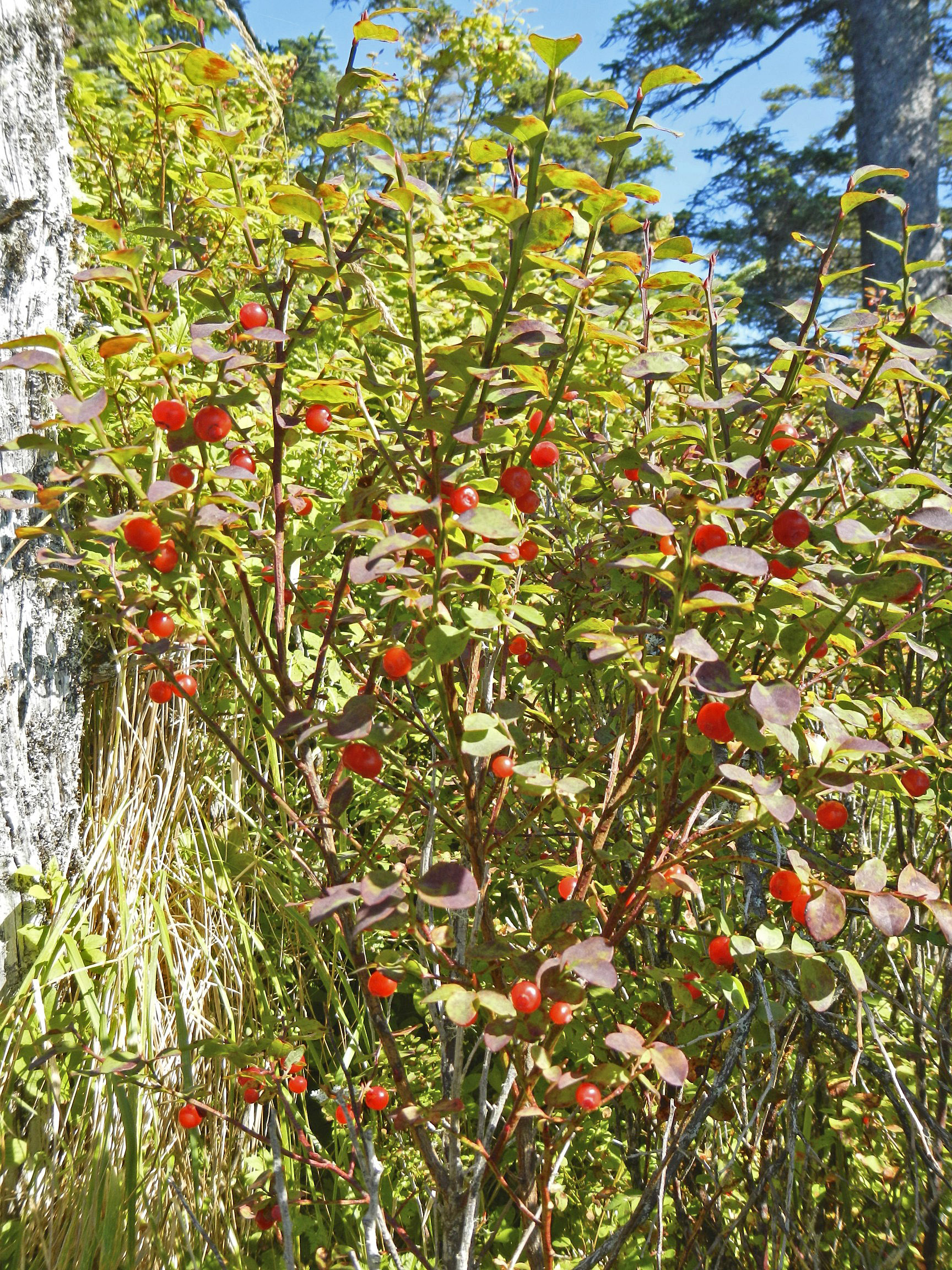
Huckleberries (tleikatánk)

Huckleberries (tleikatánk)

The Sitka Tribe of Alaska’s Kayaaní Commission (aka, the Plants Commission) and your Sitka Local Foods Network (SLFN) remind Sitka residents that it’s time to get out in the woods and pick huckleberries (tleikatánk) and blueberries (kanat’á).

Huckleberries and blueberries are extremely healthy fruits that grow in the forests and openings that surround Sitka. They are a traditional food of the Tlingít and have become a traditional food for Sitka residents who depend on nature’s bounty to keep their families healthy. They can be used fresh on a salad, in jams and smoothies, berry desserts and many other dishes. And they store well in the freezer for a healthy winter snack.

When going berry picking, please keep the following in mind (summarized from the Kayaaní Commission Traditional Harvesting Guidelines):

  • Be Courteous — other families are picking berries too; never take more than you need. If you accidentally got too much, share it with someone that you know will use it.
  • Be Safe — be positive about your identification of edible plants. Check your field guide for details if you are unsure. And pick berries during daylight with friends; make plenty of noise to keep bears away.
  • Take Care of the Berries — wash your berries with clean water before eating them and watch for rot, mildew, and insects. For best results: rinse berries, spread on a baking sheet to freeze, once frozen, slide off the tray and freeze in bags until ready to use.
  • Pick Clean Berries — from off the major road systems and in areas where you know pesticides and other chemicals will not have reached the berry plants.
  • Take Care of the Plants — make sure that there are plenty of other plants in the area (at least 10) to assure future abundance. Whenever possible, harvest so that the existing plant can reseed or recover after you are done. Treat the plants with respect. In Alaska Native cultures, it is traditional to thank the plant for its gift and give an offering. Each individual should show respect to the plant spirits in their own way.

“We encourage people to get out and pick the ripe berries. By getting out and picking berries you’ll get fresh, healthy food, exercise, and quality time with family and friends,” said Kayaaní Commission Coordinator Heather Riggs and Sitka Local Foods Network Vice President Michelle Putz. “Encouraging berry-picking for personal consumption and for winter storage supports both our missions. The Kayaaní Commission’s mission is to preserve their spiritual way of life and to preserve and protect traditional ways of their ancestral knowledge. The Sitka Local Foods Network’s mission is to increase the amount of locally produced and harvested food in the diets of Southeast Alaskans.”

While the kanat’á (blueberry) season is upon us, remember the plant is not finished offering its resources to the inhabitants of Sitka once the berries are gone. After the berries have completed their life cycle, the leaves from the plant can be utilized for its medicinal properties. Kanat’á leaves are high in antioxidants. These antioxidants can protect your body against heart disease and cancer. Making a tea from the leaves can help indigestion or a sore throat. Contact the Kayaaní Commission for more information on uses of native plants and methods of preparing plants.

More information about either group or local, traditionally harvested foods is available by calling Heather with the Kayaaní Commission at 747-7167 or Michelle with the Sitka Local Foods Network at 747-2708.

Please note that personal-use berry-picking is allowed on state and federal lands around Sitka, but any commercial-use berry-picking (money changes hands) requires a special permit, https://sitkalocalfoodsnetwork.org/2014/08/20/%E2%80%A2-tongass-national-forest-sitka-ranger-district-clarifies-rules-for-berry-picking-and-gathering-on-forest-lands/

• Kayaaní Commission Plant Gathering Guidelines

• 2003 Sitka Tribe of Alaska ordinance creating and defining the Kayaaní Commission

• Sitka Local Foods Network to host Alaska’s first Lexicon of Sustainability pop-up art show

LexiconOfSustainabilityBackDoorEventFlier

the_lexicon_of_sustainability_postYour Sitka Local Foods Network will host a free Alaska premiere of the Lexicon of Sustainability pop-up gallery art show from 6:30-8:30 p.m. on Thursday, Aug. 28, at the Back Door Café. Samples of a kale feta salad featuring kale grown in Sitka at St. Peter’s Fellowship Farm will be available, and the Back Door Café will be selling drinks and food during the show.

So what is the Lexicon of Sustainability? According to the website, “The Lexicon of Sustainability is based on the simple premise: People will live more sustainably if they understand the basic terms and principles that will define the next economy.” The Lexicon of Sustainability features dozens of large photos of our food and farming systems, water and energy, with a variety of topics defined on each photo, such as food security, sustainable fisheries, farm to table, permaculture, etc.

lex84_salmonsafe“The Lexicon of Sustainability illuminates the vocabulary of sustainable agriculture, and with it, the conversation about America’s rapidly evolving food culture. The Lexicon of Sustainability educates, engages and activates people to pay closer attention to how they eat, what they buy, and where their responsibility begins for creating a healthier, safer food system in America.”

In addition to the photos, the Lexicon of Sustainability includes a book, “Local: The New Face of Food and Farming in America,” by Douglas Gayeton. The project also was featured in a “Know Your Food” series of short films on PBS. Copies of Local have been ordered by Old Harbor Books and will be available for purchase soon.

WildHarvest“I had the good fortune to view the Lexicon of Sustainability art show at the Food Justice Conference in Oakland in 2012,” Sitka Local Foods Network Board President Lisa Sadleir-Hart said. “As conference attendees gathered around the posters, amazing conversations sprung up and started us thinking collaboratively about solutions and make connections with each other. I couldn’t wait to use art this way to stimulate social change conversations in Sitka around food.”

This will be the first of several Lexicon of Sustainability shows in Sitka, before the photos move north to Anchorage and the rest of the state (this batch of photos will remain in Anchorage with the Alaska Food Policy Council for future shows around the state). The photos from this first show will be on display through Saturday, Sept. 13, at the Back Door Café. Future Sitka shows include a Sitka Local Foods Network fundraiser in late October at the Sitka Fine Arts Camp/Sheldon Jackson Campus, and possibly a show at the University of Alaska Southeast Sitka Campus at a date TBA.

To learn more about this project, contact Lisa Sadleir-Hart at sitkalocalfoodsnetwork@gmail.com.

Lexicon-Local-Connected-Market-2

• Sitka Local Foods Network education committee to meet on Wednesday, Aug. 27


GreensInHoopHouseStPeters

Want to learn how to grow or gather your own food, or teach others about growing and gathering food? Your Sitka Local Foods Network invites Sitkans to learn more at an education committee meeting at 7 p.m. on Wednesday, Aug. 27, at Harrigan Centennial Hall.

Those interested in learning more about or volunteering on Sitka Local Foods Network education projects are invited to attend. SLFN board members and volunteers will discuss the past and future of our Family Garden Mentor Project, begin to plan the 2014-15 “It’s time to …” garden classes, and discuss new opportunities for projects such as a home business garden mentoring project and a future garden tour. Those interested in learning more and volunteering are encouraged to attend.

For those who cannot attend the meeting or want more information, contact Michelle Putz at 747-2708.

• Scenes from the Sitka Kitch class on canning the harvest


SarahLewisWatchesBetsyDeckerAddWaterToCooker

Sarah Lewis, right, watches as Betsy Decker adds water to a pressure cooker before jars of produce are added to start the canning process.

kitch_logo_mainOn July 25-27, the Sitka Kitch project hosted Sarah Lewis of the Juneau District Office of the University of Alaska Fairbanks Cooperative Extension Service to host three classes in Sitka on the cottage food industry and home canning. In addition, Sarah had a table at the Sitka Farmers Market on July 26 where she tested pressure canner gauges.

The slideshow below features photos from Saturday’s Canning The Harvest class at First Presbyterian Church. For those who missed the classes and want to learn more about home canning, the UAF Cooperative Extension Service has a series of online tutorials on its website called “Preserving Alaska’s Bounty.” Pressure canner gauges should be tested at least once a year to make sure they are hitting the right pressures for safe food preservation. The Sitka District Office of the UAF Cooperative Extension Service also has a variety of resources on home canning, gardening and other topics.

Sitka Kitch is a community wellness project from the 2013 Sitka Health Summit designed to improve food security in Sitka. The different parts of the project include creating a community kitchen Sitka residents can rent to prepare food for their small businesses or to preserve their family harvest of fish, game, or garden veggies; expanding Sitka’s emergency food storage capacity; and providing education about preserving food and building family emergency food pantries.

For more information about the Sitka Kitch project, contact Marjorie Hennessy at marjorie@sitkawild.org or 747-7509.

This slideshow requires JavaScript.


• Lori Adams’ contribution to Sitka gardening featured on Sitka Conservation Society website

Lori Adams poses with some of the ducks she keeps to help keep slugs at bay at her Down-To-Earth U-Pick Garden. (Photo Courtesy of Sitka Conservation Society)

Lori Adams poses with some of the ducks she keeps to help keep the slugs at bay at her Down-To-Earth U-Pick Garden. (Photo Courtesy of Sitka Conservation Society)

If you haven’t seen it yet, check out this recent feature story about Sitka gardener Lori Adams on the Sitka Conservation Society‘s website.

Lori Adams is owner of Down-To-Earth U-Pick Garden (located at 2103 Sawmill Creek Road), and the author of “How to Grow Vegetables in Sitka, Alaska” (a collection of her 2012 Gardening in Southeast Alaska columns originally published in the Daily Sitka Sentinel). Lori also is a regular vendor at the Sitka Farmers Market.

The feature tells the story about how Lori wanted to start a you-pick garden at her house in 2007, but city code at the time didn’t allow people to grow food and then sell it directly to people from her private property. Lori worked with the city planning department and Sitka Assembly to rewrite the code so Sitka residents can apply for a special permit to sell food grown in their home gardens. The article also features several photos from her garden.