• St. Peter’s Fellowship Farm hosts first planting party of the season

This slideshow requires JavaScript.

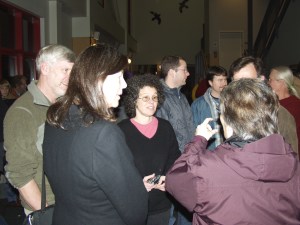
The first of three scheduled planting parties this month took place on Saturday, May 15, at the St. Peter’s Fellowship Farm communal garden (located by the See House behind St. Peter’s By The Sea Episcopal Church on Lincoln Street). In addition to the slideshow above (which also includes some photos from a SEARHC WISEGUYS men’s health group work party the same day at its plot in the Blatchley Community Garden), click here and scroll down for a similar slideshow on our Shutterfly site.

The volunteers planted a variety of plant starts, including many that were grown by local residents who signed contracts at the Let’s Grow Sitka garden show in March. Residents who have plant starts from their Let’s Grow Sitka contracts can drop them off at the St. Peter’s Fellowship Farm planting parties.

Food grown at the St. Peter’s Fellowship Farm communal garden is sold at the Sitka Farmers Markets. This summer the Sitka Farmers Markets take place on five alternate Saturdays starting on July 17 and running through Sept. 11.

Two more planting parties are planned, from 2-4 on Saturday, May 22 and 29. Tools and gloves will be provided. For more information on the planting parties, contact Lisa Sadleir-Hart at 747-5985 or 3akharts@acsalaska.net, or contact Doug Osborne at 747-3752 or doug_las@att.net.

• SEARHC, Sitka Local Foods Network host Ed Hume for sustainable gardening presentations

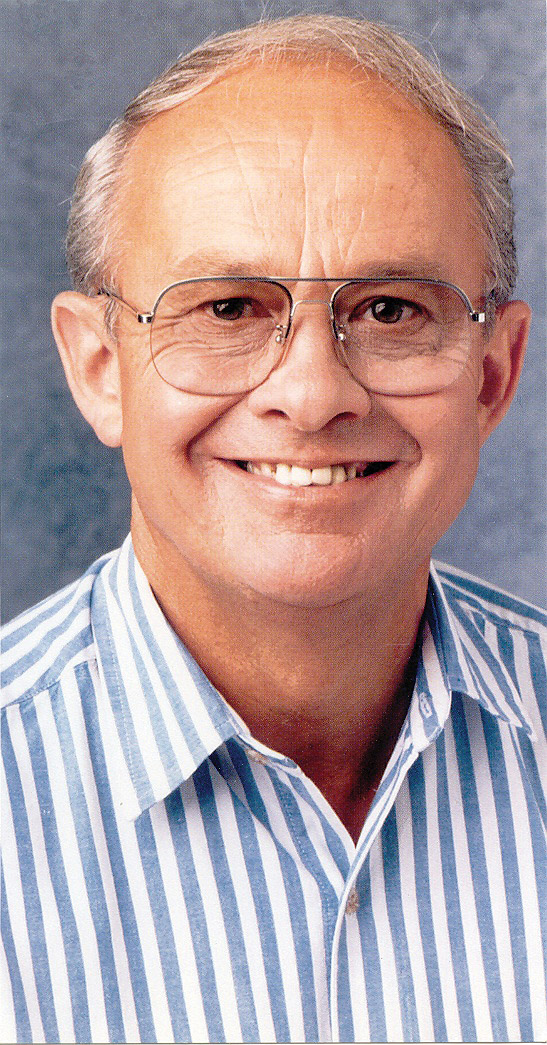
Ed Hume

Ed Hume

The SouthEast Alaska Regional Health Consortium (SEARHC) and Sitka Local Foods Network will host Northwest garden guru, author, TV personality and seed company owner Ed Hume for two presentations on sustainable gardening.

The two presentations take place on Monday, May 31 (Memorial Day), at Grace Harbor Church, 1904 Halibut Point Road (the gray building across from SeaMart). The first presentation is from 3-5 p.m. and the topic will be “Preparing the Northwest Garden: Soil preparation and garden design for the Pacific Northwest climate.” The second presentation is from 7-9 p.m. with a topic of “Vegetables and Ornamentals: Sustainable solutions for common problems, variety selection and ideas for ornamental gardening.”

Tickets are $15 per session, or $20 for both sessions, and they are available at Old Harbor Books or White’s Pharmacy (at AC Lakeside Grocery). The two “Sustainable Gardening with Ed Hume” presentations are fundraisers for the Sitka Local Foods Network (http://www.sitkalocalfoodsnetwork.org/), a non-profit organization that promotes and encourages the use of locally grown, harvested and produced foods in Sitka. Event sponsors include White’s Inc., True Value, the SEARHC Health Promotion, Diabetes and Lifestyle Balance programs and Garden Ventures.

A separate event for SEARHC patients and their families living with diabetes or prediabetes is being planned for Tuesday, June 1. Details about that event will be announced later.

“I remember first hearing about Ed Hume and his year-round vegetable garden a couple of years ago at a Northwest Flower and Garden Show,” said SEARHC Diabetes Grant Coordinator Maybelle Filler, who is organizing the event for the Sitka Local Foods Network. “This seemed impossible since he lives in the same climate zone as Sitka and as far as I knew once winter hits, even fall time, there aren’t any vegetable gardens to be found. But as I sat there listening to his presentation and looking at his slides, it definitely was true. I was so impressed, and I thought what a great opportunity for Sitkans to listen to what he’s been able to do so we can extend the growing season for our own vegetable gardens.”

Hume is host of the weekly “Gardening in America” television show, the longest continuously running TV show on gardening at 42-plus years. He also hosts a weekly radio show. He is a member of the Garden Writers Association’s “Hall of Fame,” and won the National Garden Communicator’s Award in 1977. He has written several books on gardening, including “Gardening With Ed Hume: Northwest Gardening Made Easy.” He owns Ed Hume Seeds (http://www.humeseeds.com/), manages a children’s educational garden in Puyallup, Wash., and also is an internationally known speaker on gardening.

“Ed’s seed firm has a reputation for quality and reliability that is second to none,” said Kerry MacLane, Sitka Local Foods Network Board President. “We’re pretty lucky that such a famous expert is coming to Sitka. People do like to come to Sitka. Last year we hosted Ciscoe Morris (for a sold-out Memorial Day gardening presentation). This is getting to be a great tradition.”

No stranger to Southeast Alaska, Hume has visited Sitka and other communities in our region several times. His son used to fish out of Elfin Cove, and Hume said he conducted some of the trials for his seeds in an Elfin Cove garden to see if the plants were hardy enough for our climate.

During his presentations, Hume said he will discuss soil preparation and he will show how to improve vegetable garden soil since successful gardens need to start off with high-quality soil. Another topic includes the advantages of growing vegetables in raised beds, which provide warmer soil temperatures and better drainage. For those gardeners who have limited space, Hume will discuss the concept of the wide row to make small spaces more productive. Other topics will be the importance of garden layout for better light exposure and air circulation, fertilization issues and the environment, what types of vegetables to plant, and more.

At the two presentations on May 31, Sitka strawberry plant starts will be available for sale at $2 each as a fundraiser for the St. Peter’s Fellowship Farm communal garden (a Sitka Local Foods Network project). For information about the presentations and Ed Hume, contact Maybelle Filler at 966-8739. For information about the Sitka Local Foods Network and its projects, contact Kerry MacLane at 752-0654 or go to http://www.sitkalocalfoodsnetwork.org/.

• Kerry MacLane provides update on Sitka Community Greenhouse and Education Center project

An artist's concept of one version of a proposed Sitka Community Greenhouse and Education Center

An artist's concept of one version of a proposed Sitka Community Greenhouse and Education Center

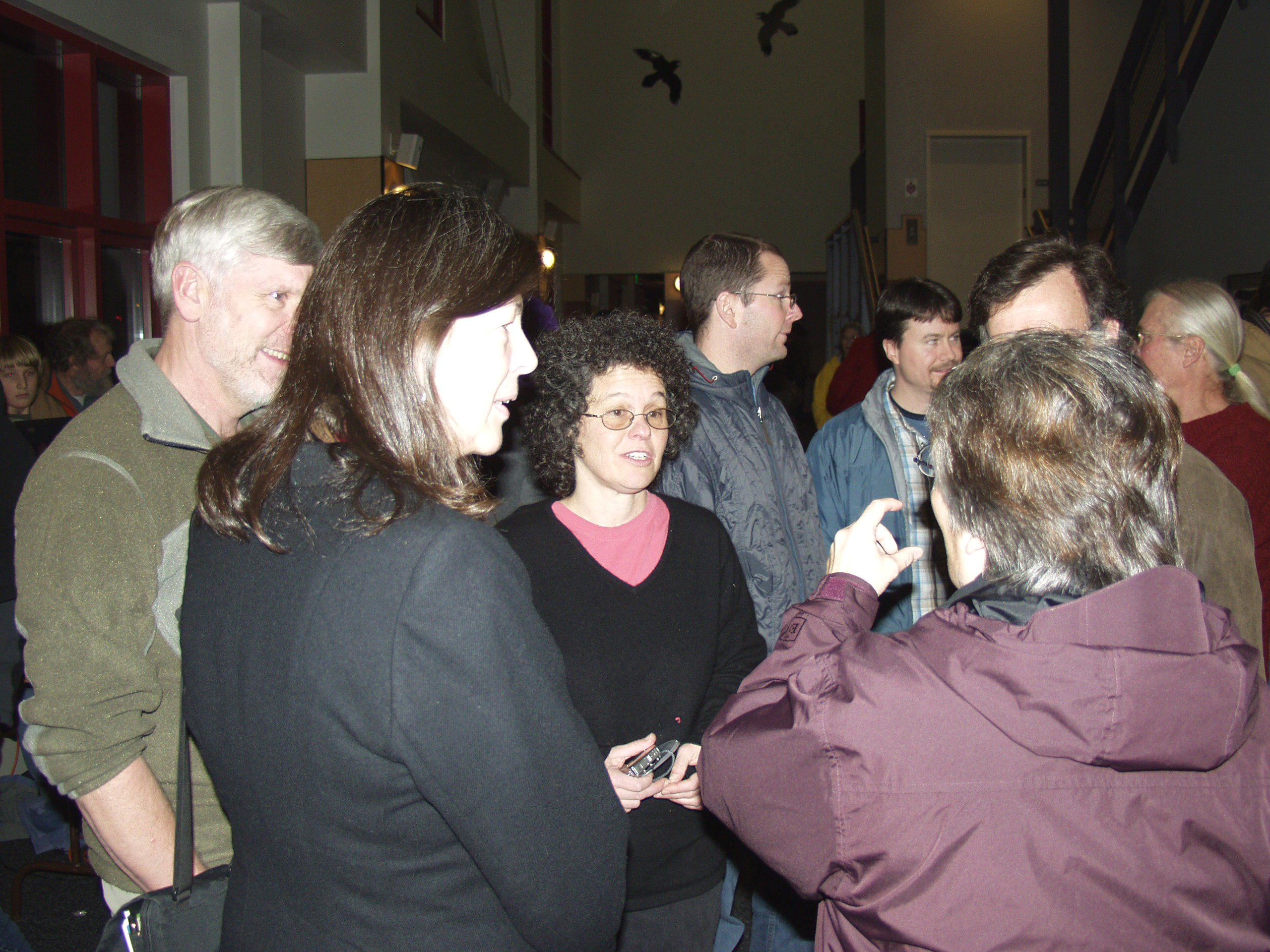
About a dozen people joined Sitka Local Foods Network president Kerry MacLane for a PowerPoint presentation about the proposed Sitka Community Greenhouse and Education Center on Wednesday, May 12, at the SEARHC At Kaník Hít Community Health Services Building first-floor conference room. Kerry showed his presentation (attached) and provided a status update for the project. He also took feedback from the participants, seeking ideas for the next steps needed to complete the project.

The Sitka Community Greenhouse and Education Center is a project of the Sitka Local Foods Network to address one of the top local health priorities identified at the 2008 Sitka Health Summit. Sitka residents said they wanted a community greenhouse in order to make more locally grown fruits and vegetables available in town, and a community greenhouse is seen as a way to grow fruits and veggies all year. In addition to local food being healthier for you, local food also provides food security in case of a disaster or other event that keeps the barges or airplanes from delivering (it’s estimated that 95 percent of the food eaten in Alaska is shipped in from the Lower 48 or overseas).

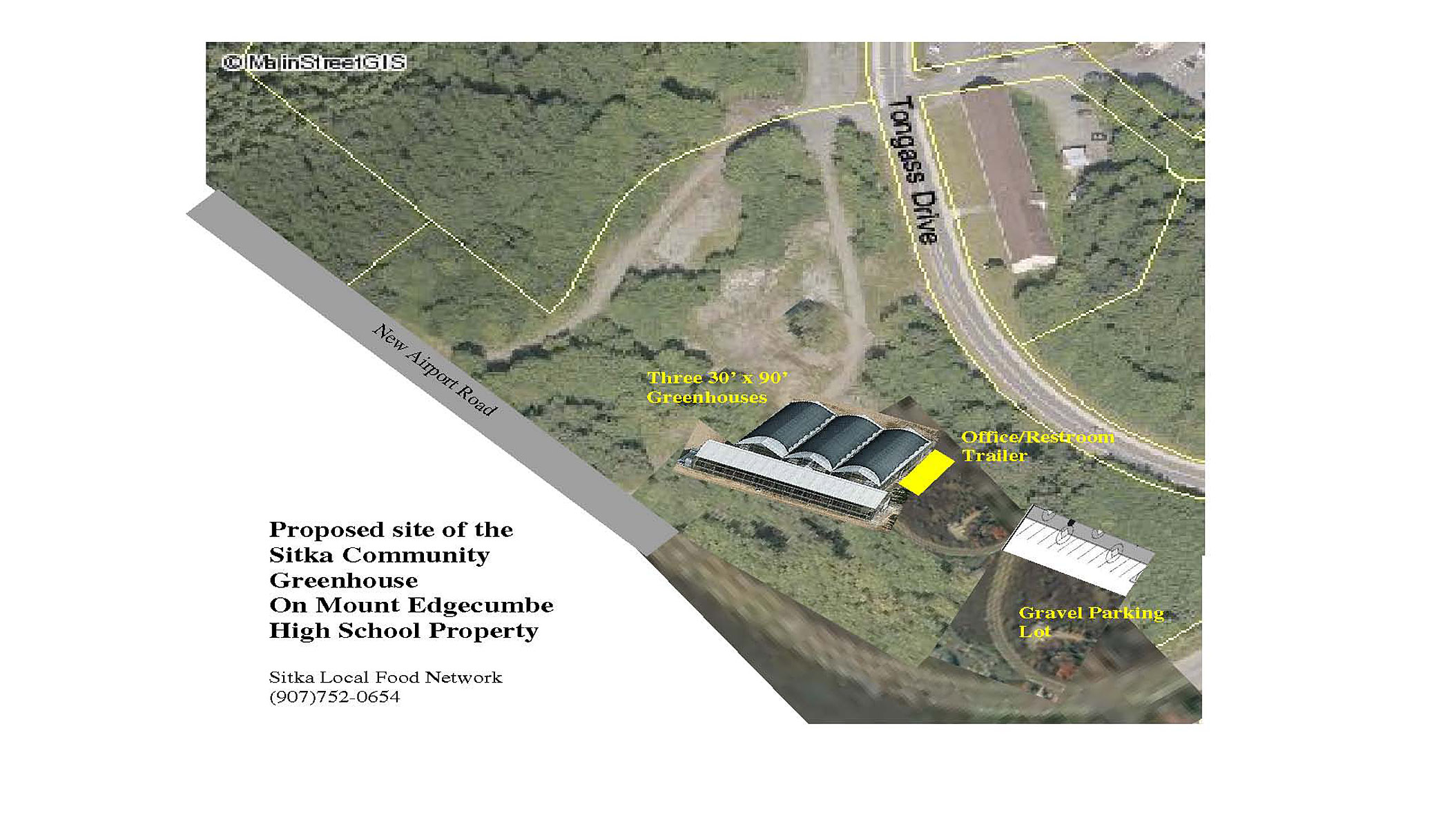
Currently, the Sitka Local Foods Network is in negotiations with the State of Alaska to lease an unused piece of Mt. Edgecumbe High School-owned land on Japonski Island near Mt. Edgecumbe Hospital. If the lease goes through, the community greenhouse will help Sitka grow more fruits and vegetables locally while extending our short growing season. The greenhouse can provide educational opportunities for Mt. Edgecumbe High School and University of Alaska Southeast-Sitka Campus students, as well as for other school, church and community groups who want to learn more about growing their own food. The community greenhouse also can provide horticultural therapy for medical and behavioral health patients.

Kerry said the model for the Sitka Community Garden and Education Center is the Cheyenne Botanic Gardens in Cheyenne, Wyo. Kerry used to work at the Cheyenne Botanic Gardens several years ago, and he has been given pointers by Cheyenne Botanic Gardens director/founder Shane Smith. The Cheyenne Botanic Gardens started out as a small-scale community greenhouse in 1977 that now features more than nine acres of extensive gardens, a solarium, arboretum and other features. It combines educational opportunities with production gardening and horticultural therapy (see fact sheet linked below).

Kerry said he is seeking letters of support from individuals and groups in Sitka who support the Sitka Community Greenhouse and Education Center, and a sample letter is attached below. For more information, contact Kerry at 966-8839 or 752-0654.

Sitka Community Greenhouse and Education Center PowerPoint presentation

Sitka Community Greenhouse and Education Center proposal 2010

Sample Letter of Support for the Sitka Community Greenhouse and Education Center

Cheyenne Botanic Gardens factsheet

• SEARHC Employee Wellness Team builds vegetable garden at Sitka campus

This slideshow requires JavaScript.

The SouthEast Alaska Regional Health Consortium (SEARHC) Employee Wellness Team is building a new community garden for employees on its Sitka campus.

The vegetable garden is located on an unused patch of land on the lower part of SEARHC’s Sitka campus, between the employee fitness center and daycare facilities and across the street from the SEARHC Behavioral Health residential substance abuse treatment centers. The garden is being built with the blessings of the SEARHC Employee Wellness Team, SEARHC Green Team and SEARHC Facilities Management Department. The garden was initiated by SEARHC Grant Writer Kerry MacLane, who also is president of the Sitka Local Foods Network.

SEARHC employees are holding regular lunchtime work parties on Fridays, and employees who work in the garden will be eligible to share in the bounty when the produce is ready to harvest. The garden will be used to grow potatoes, onions, greens, herbs and edible flowers, among other items.

In his note about this Friday’s work party (May 7), MacLane wrote, “This will be a great opportunity to work out and get out any angst that you might be harboring. Come go crazy on the weeds. Aggressive behavior is encouraged. We are going to be digging up weeds, chopping down salmonberries, mixing in sand and compost, and forming two big raised beds.”

SEARHC Employee Wellness Team leaders Lisa Sadleir-Hart and Doug Osborne said a community garden for employees is something a lot of businesses in Sitka can build. A workplace community garden allows employees a chance to get physical activity and gives them the opportunity to add more locally grown vegetables to their diets. Other benefits of an employee garden include reduced stress and improved employee morale. Also, some employees may live in small apartments where they don’t have room for a garden.

To learn more about how you can start a similar employee garden project at your business, contact Kerry MacLane at 966-8839, Lisa Sadleir-Hart at 966-8735 or Doug Osborne at 966-8734.

• Two associated with Sitka Local Foods Network win awards at Alaska Health Summit

Sitka filmmaker Ellen Frankenstein, center, of Frankenstein Productions, greets fans after the Sitka premiere of her film "Eating Alaska" in October 2008

Sitka filmmaker Ellen Frankenstein, center, of Frankenstein Productions, greets fans after the Sitka premiere of her film "Eating Alaska" in October 2008

The Alaska Public Health Association (ALPHA) honored two programs with ties to the Sitka Local Foods Network during the Alaska Health Summit banquet on Dec. 9. Sitka filmmaker Ellen Frankenstein (and her Frankenstein Productions company) and the SouthEast Alaska Regional Health Consortium (SEARHC) Steps to a Healthier SE Alaska program both won the Alaska Community Service Award. According to ALPHA, the Alaska Community Service Award “recognizes an organization, business or group making a significant contribution to improving the health of Alaskans. It is ALPHA’s intent that nominees outside the public health tradition be considered for this award. A nominee does not need to be an ALPHA member.”

Frankenstein has produced several documentary films over the years, including “Eating Alaska,” which focuses on how we choose the food we eat. Eating Alaska debuted in the fall of 2008, and Frankenstein has taken it to film festivals all over the state and country. “Eating Alaska” received funding support from the SEARHC Steps to a Healthier SE Alaska program and other funders, plus technical support was provided by SEARHC health educators, physicians and dietitians. Some of Frankenstein’s other films include “No Loitering,” “Carved from the Heart,” “A Matter of Respect,” and “Miles from the Border.” She currently is working on a documentary film project with Haida weaver Dolores Churchill.

“As someone who fills in the occupation blank on forms with ‘filmmaker/artist,’ this award represents the fact that labels and lines don’t matter when it comes to social change and to making our lives healthier,” Frankenstein wrote from Austin, Texas, where she was attending a screening of Eating Alaska. “It not only validates my work, but represents your open-mindedness to the potential of working collaboratively and creatively with kids and adults, using art, media and storytelling to influence well-being and healthy communities.”

Frankenstein also sent this note to her e-mail group:

EATING ALASKA: ART AND HEALTH!
We just got the news the project has been awarded The Alaska Public Health Association’s 2009 Community Service Award for Health. In the process of making this film and in its use we’ve worked with nutritionists, health educators, medical and public health practitioners to add to the conversation about what we can do to make our homes, workplaces, schools and communities healthier and more sustainable. We appreciate the help everyone has given to the project to help us “contribute to improving the health of Alaskans” and others far beyond.

The SEARHC Steps to a Healthier SE Alaska program, which closes this month, was honored for the work it did over the life of its five-year grant (the national Steps to a Healthier US grant has ended, so that means all of the local grants that were part of the national grant also are ending). The Steps program funded 77 projects worth just over $1.1 million in 12 Southeast Alaska communities. Steps was one of the major funders and organizers of the Sitka Health Summit, which is where the Sitka Local Foods Network originated.

The Steps program’s goals were to increase opportunities for physical activity, improve nutrition and reduce the impact of tobacco in Southeast Alaska. The program also worked to reduce diabetes, obesity and asthma in Southeast communities. To accomplish its goals, Steps developed partnerships with schools, worksites, tribes and other community groups so they could change social norms and policies, and make evidence-based and culturally relevant interventions. In addition to the projects, Steps also hosted conferences and workshops to help programs learn how to work in collaboration.

The Steps program used the socio-ecological model, which emphasizes that an individual’s health status is influenced not only by his or her attitudes and practices, but also by personal relationships and community and societal factors. Nearly half of the 77 Steps grants (37) went to community projects, with the others geared toward schools and worksites. More than three-quarters of the grants (60) focused on improving nutrition and/or increasing physical activity. Together, the projects reached 128,000 people (with many people reached by multiple projects) in the communities of Angoon, Craig, Haines, Hoonah, Hydaburg, Juneau, Kake, Kasaan, Klawock, Klukwan, Sitka and Wrangell.

“Overall, the Steps initiative helped build capacity within communities, worksites and schools to work collaboratively, to plan evidence-based programs, and to monitor and evaluate program success,” said Grace Brooks, Steps Grant Manager. “Steps also contributed to an overall increased understanding of the importance of policy in supporting community, school and workplace health.”

In other local foods news from around the state this past week, the Alaska Dispatch ran an article about an indoors farmers market this winter at Anchorage’s Northway Mall.

Capital City Weekly featured a story by Carla Petersen about how the search for elusive cranberries is worth the challenge.

The National Oceanic and Atmospheric Administration (NOAA) announced last week that it is encouraging the use of catch shares to preserve the remaining stocks of halibut (the article features a photo from Sitka).

The Anchorage Daily News featured a story about Gov. Sean Parnell proposing to spend $1.3 million to research declining Yukon River salmon runs.

The Juneau Empire had a story about how an arts advocacy group in Juneau, Arts for Kids, has teamed up with Sitka-based Theobroma Chocolate Co. to offer SmART bars as a fundraiser for art scholarships for graduating seniors in Juneau.

The publicity poster for the movie Eating Alaska

• WISEGUYS men’s health group builds a community potato patch in Klukwan

Tubs of potatoes are loaded into the back of a pick-up truck after they were picked at the WISEGUYS potato patch in Klukwan

Tubs of potatoes are loaded into the back of a pick-up truck after they were picked at the WISEGUYS potato patch in Klukwan

While this site is about the Sitka Local Foods Network and projects in Sitka promoting local foods, occasionally we have news from a nearby community that’s worth reporting.

This summer, the new WISEGUYS men’s health group in Klukwan, a Tlingít community just north of Haines, decided to build a potato patch to raise potatoes and a few other vegetables for community members of the Chilkat Indian Village.

“The idea was to provide a sustainable subsistence based crop that could supply every house in Klukwan with potatoes every year,” said Mike Adams, a Community Health Practitioner at the SEARHC Klukwan Health Center. “This would also allow us to get together with the community kids, exercise and spent time together doing something for our community.”

Adams said the group started with a donated piece of land from the Chilkat Indian Village and began clearing it of debris and cleaning it up so the ground could be tilled for planting. The WISEGUYS received funding from the SEARHC WISEWOMAN Women’s Health Program so they could purchase the potato seed and fertilizer, and the SEARHC Behavioral Health Prevention Program (a program to educate youth about drug and alcohol abuse) bought a few hand tools.

Sixty hours were spent in clearing and ground preparations, as well as 20 hours of donated heavy equipment time from Chilkat Indian village and Hank Jacquot. This got us to a 100-foot-by-100-foot piece of usable ground. The preparations for planting then began. Many of us spent several days with three Roto-Tillers tilling the area, digging furrows for planting, adding organic fertilizers and ultimately planting 1,000 potato plants. Four varieties were planted — Kennebec, Tlingít, Yukon Gold and Chippawa’s.

The summer was unseasonably hot and there was a minimal water supply from a nearby creek. To supplement the creek, watering was done using the village fire truck to spray the patch with 750 gallons of water every three to five days.

“We harvested the potatoes on Sept. 25th and had many community members participate as well as all the kids from the Klukwan school and their teachers,” Adams said. “We grossed approximately 1,500 pounds of potatoes. Every child and teacher was sent home with a large bag of potatoes and every household in Klukwan was given potatoes. Due to the prolonged unseasonable hot weather all summer the final harvest amount was a bit lower then we’d hoped, but everyone was given potatoes and we all had a great time harvesting.”

Adams said the WISEGUYS received a positive note when they applied for a small grant from RurAL CAP in August to purchase supplies and equipment, and they recently found out they were awarded the grant. He said the group plans to build a sprinkler system in the potato patch next year.

“Thanks goes to everyone for all your support,” Adams said. “We look forward to another great year in 2010!”

Potato pickers gather for the potato-picking party on Sept. 25 at the WISEGUYS potato patch in Klukwan

Potato pickers gather for the potato-picking party on Sept. 25 at the WISEGUYS potato patch in Klukwan

Barren land before it was cleared to become the WISEGUYS potato patch in Klukwan

Barren land before it was cleared to become the WISEGUYS potato patch in Klukwan

Potato plants growing in the WISEGUYS potato patch in Klukwan

Potato plants growing in the WISEGUYS potato patch in Klukwan

Community members pick potatoes during a potato-picking party Sept. 25 at the WISEGUYS potato patch in Klukwan

Community members pick potatoes during a potato-picking party Sept. 25 at the WISEGUYS potato patch in Klukwan

Lani Hotch and Bev Klanott stand behind a big cabbage growing at the WISEGUYS potato patch in Klukwan. The cabbage weighed nearly 30 pounds when it was harvested.

Lani Hotch and Bev Klanott stand behind a big cabbage growing at the WISEGUYS potato patch in Klukwan. The cabbage weighed nearly 30 pounds when it was harvested.

• SEARHC, Cooperative Extension hosts free garden workshop on Sept. 9

Master gardener Bob Gorman shows off seed starts in wet paper towels during a March garden workshop

Master gardener Bob Gorman shows off seed starts in wet paper towels during a March garden workshop

Do you want to grow some of your own food this summer, so you can have more fresh food choices and eat healthier dinners? Then the fourth and final installment in a continuing series of garden workshops is for you.

The SEARHC Diabetes and Health Promotion programs have teamed up with master gardener Bob Gorman of the Sitka office of the University of Alaska Fairbanks Cooperative Extension Service to offer a series of four free garden workshops during the summer of 2009. The last workshop of the series takes place from 1:30 to 3 p.m. on Wednesday, Sept. 9.

The class will be hosted at the SEARHC Community Health Services Building third-floor conference room in Sitka (1212 Seward Dr.). But participants in other communities will join by video or audioconference from the SEARHC Juneau Administration Building Conference Room, the SEARHC Jessie Norma Jim Health Center in Angoon, the Haines Borough Library, the SEARHC Kake Health Center and the SEARHC Alicia Roberts Medical Center in Klawock.

“Even though summer is winding down, people still have a lot they can do in this year’s growing season,” said Maybelle Filler, SEARHC Diabetes Grant Coordinator. “Southeast Alaska is unique in its growing conditions, and it’s great that the SEARHC Diabetes and Health Promotion programs can partner with the Sitka office of the University of Alaska Fairbanks Cooperative Extension Service to provide information on growing things in our area.”

The first three workshops in the four-workshop series were March 11, May 6 and July 8. The topics for the remaining workshop are:

* Sept. 9 — Late-winter plantings; trees and shrubs; house plants and indoor gardening; and winterizing your garden.

For more information about this series of free workshops, contact SEARHC Diabetes Grant Coordinator Maybelle Filler at 966-8739 or maybelle.filler@searhc.org. People who aren’t able to attend at one of the listed video or audioconferencing sites, should contact Maybelle for other options. Maybelle also has extra copies of the handouts for those who miss any of the garden workshops.

• Tlingít potato makes a comeback in Juneau

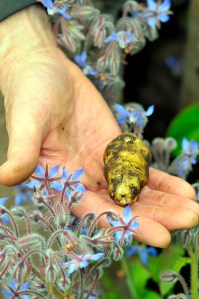
(Photo courtesy of Klas Stolpe/Juneau Empire) Bill Ehlers, assistant gardener at the Jensen-Olson Arboretum in Juneau, holds a Tlingít potato next to some borage plant flowers.

There was an interesting article in Wednesday’s edition of the Juneau Empire about the revival of a Tlingít potato that was a staple in Tlingít gardens for hundreds of years (Click here to read the Juneau Empire article by Kimberly Marquis).

Tlingít and Haida gardeners grew their own vegetables more than 200 years ago, and potatoes were one of their most important crops. In an article in the Winter 2008/2009 newsletter for Alaska EPSCoR (Experimental Program to Stimulate Competitive Research), University of Alaska Southeast social science/anthropology student Elizabeth Kunibe said residents of many Southeast Alaska villages planted gardens of root vegetables — such as potatoes, rutabagas and parsnips — on neighboring islands in the spring while they headed to their fish camps. They harvested them when they returned home in the fall (Click here to read the article on Pages 4-5).

Kunibe said many of these gardens disappeared over the past century, especially as the U.S. Forest Service parceled out some islands for homesteads or fox farms. She said Tlingíts in Sitka lost their island gardens in World War II when the government forbade private water travel. The increasing availability of imported food and other disruptions, such as tuberculosis outbreaks, also sped up the demise of the individual and community gardens found in many Native villages. Kunibe said in 1952 they grew 4,000 pounds of potatoes in Angoon, but the gardens disappeared and Angoon was without a garden until the last year or two when there was a movement to start a community garden.

The Tlingít potato is a fingerling potato with a yellowish skin and somewhat lumpy shape. They do not do well mashed or fried, but taste great in soups or roasted, said Merrill Jensen, manager of the Jensen-Olson Arboretum in Juneau where they expect to harvest about 1,500 pounds of the potatoes next month. The Tlingít potato also is known as “Maria’s Potato” in honor of the late Maria (Ackerman) Miller, the Haines woman who in 1994 gave Juneau’s Richard and Nora Dauenhauer their first seed potatoes. Miller, who died in 1995, told the Dauenhauers the potatoes had been in her family for more than 100 years.

According to Kunibe, who sent samples to a plant geneticist for DNA testing, the Tlingít potato is a distinct variety among potatoes, but they are very similar to two other varieties of Native American potatoes — the Ozette or Makah potato from Washington State’s Olympic Peninsula and the Haida potato from Kasaan on Alaska’s Prince of Wales Island. In a June 7, 2007, article in the Chilkat Valley News (click here to read it), Kunibe said potatoes arrived in Southeast Alaska aboard Spanish ships as early as 1765. She said the three Native American varieties are closely related to potatoes grown in Mexico and the Chilean coastal areas. (Most modern domestic potatoes are descended from species native to the Peruvian Andes.) The Tlingít potato grows well in our rainy climate and keeps a long time in a root cellar. Kunibe said the potatoes became a prime Southeast Alaska commerce item in the early 1800s and the Russian fleets contracted with the Tlingít and Haida tribes to grow them.

Bob Gorman, a master gardener who works with the Sitka office of the University of Alaska Fairbanks Cooperative Extension Service, said off the top of his head he didn’t know of anybody growing the potato in Sitka right now, though he did suggest several longtime gardeners who might know if people grew them in the past. Maybelle Filler, a master gardener who works with the SEARHC Diabetes Program, said they are looking to bring some seed potatoes to give to Sitka gardeners, but she had been told the potatoes can’t be sold at local markets (though they can be given away).

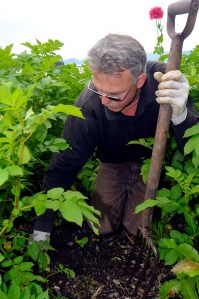
(Photo courtesy of Klas Stolpe/Juneau Empire) Bill Ehlers, assistant gardener of the Jensen-Olson Arboretum in Juneau, tends to a Tlingít potato plant on July 27, 2009. The potatoes will be used as seed stock to be distrbuted to people interested in growing the variety.

• Healthy Wrangell Coalition hopes to build a community garden

Some of our neighbor communities also are looking for ways to get more local foods into their diets. Last week, KSTK-FM in Wrangell ran a story about the Healthy Wrangell Coalition’s goal of building a community garden in Wrangell. A couple of days later, there was a follow-up story about the project receiving a $5,000 start-up grant from the SEARHC Steps to a Healthier SE Alaska program.

Here’s wishing Wrangell well with the project. We can use more locally grown food in all Southeast Alaska communities.

By the way, Wrangell and Kake both recently launched new WISEFAMILIES Through Customary and Traditional Living health and wellness programs, which are modeled after a similar WISEFAMILIES program in Klukwan that’s been around for a couple of years. These programs feature culture camps where residents learn how to harvest and preserve traditional subsistence foods, learn Tlingít language, tell stories and learn other traditional activities such as carving and weaving. The more established program in Klukwan includes a community garden and a potato patch as part of its offerings, and Kake also is working on building a community garden. The three WISEFAMILIES programs are partnerships between the SEARHC WISEWOMAN Women’s Health Program and the local tribes in each community (Wrangell Cooperative Association, Organized Village of Kake and Chilkat Indian Village).

Click here to listen to the first KSTK-FM radio story about building a Wrangell community garden (note that link has streaming audio, so adjust your volume accordingly)

Click here to listen to the follow-up KSTK-FM radio story about the $5,000 start-up grant for the project (link also has streaming audio)

Click here to learn more about the Healthy Wrangell Coalition

• SEARHC, Cooperative Extension host free garden workshops

BobGormanSeedStarts

(Photo — Master gardener Bob Gorman shows off germinating seed starts during a free garden workshop in March. He will lead another workshop on July 8.)

SEARHC, Cooperative Extension host free garden workshops

Do you want to grow some of your own food this summer, so you can have more fresh food choices and eat healthier dinners? Then the third in a continuing series of garden workshops is for you.

The SEARHC Diabetes and Health Promotion programs have teamed up with master gardener Bob Gorman of the Sitka office of the University of Alaska Fairbanks Cooperative Extension Service to offer a series of four free garden workshops during the summer of 2009. The remaining workshops take place from 1:30 to 3 p.m. on Wednesday, July 8, and Wednesday, Sept. 9.

These classes will be hosted at the SEARHC Community Health Services Building third-floor conference room in Sitka, but other communities will join by video or audioconference from the SEARHC Juneau Administration Building Conference Room, the SEARHC Jessie Norma Jim Health Center in Angoon, the Haines Borough Library, the SEARHC Kake Health Center and the SEARHC Alicia Roberts Medical Center in Klawock.

“Even though summer hasn’t fully arrived, people still have a lot they can do in this year’s growing season,” said Maybelle Filler, SEARHC Diabetes Grant Coordinator. “Southeast Alaska is unique in its growing conditions, and it’s great that the SEARHC Diabetes and Health Promotion programs can partner with the Sitka office of the University of Alaska Fairbanks Cooperative Extension Service to provide information on growing things in our area.”

The first two workshops in the four-workshop series were March 11 and May 6. The topics for the two remaining workshops are:
* July 8 — Gathering and pest management.
* Sept. 9 — Late-winter plantings, trees and shrubs; house plants and indoor gardening; and winterizing your garden.

For more information about this series of free workshops, contact SEARHC Diabetes Grant Coordinator Maybelle Filler at 966-8739 or maybelle.filler@searhc.org. People who aren’t able to attend at one of the listed video or audeoconferencing sites, should contact Maybelle for other options. Maybelle also has extra copies of the handouts for those who miss any of the garden workshops.