The Sitka Tribe of Alaska (STA) has formed the Southeast Alaska Tribal Toxins (SEATT) partnership with six other Southeast tribes to monitor harmful algal blooms (HABs) in Southeast Alaska. In addition, STA has been awarded a grant to build a lab to monitor biotoxins, which frequently impact clams, mussels, cockles, and other shellfish harvested in the region.
SEATT will unify Southeast Alaska tribes in monitoring HAB events that pose a human health risk to the subsistence shellfish harvester, such as paralytic shellfish poisoning (PSP). This monitoring effort will provide weekly data on the timing and distribution of HABs, along with measurements of environmental conditions, indicators, and potential mechanisms that trigger HAB events.
In addition to STA, SEATT partners include the Klawock Cooperative Association, Craig Tribal Association, Yakutat Tlingít Tribe, Petersburg Indian Association, Organized Village of Kasaan, and the Central Council of Tlingít and Haida Indian Tribes of Alaska (CCTHITA).
The National Oceanic and Atmospheric Administration (NOAA) Marine Biotoxin Programs from Seattle, Wash., and Charleston, S.C., have committed to provide training through workshops to help develop the SEATT program. The Sitka Tribe of Alaska is hosting a workshop in November for SEATT to provide training on sample collection techniques and data entry. NOAA staff will help facilitate the trainings using previously established protocols used by other HAB monitoring groups throughout nation.
Each SEATT tribe received funding through the Environmental Protection Agency (EPA) Indian General Assistance Program (IGAP) totaling $210,000 for fiscal year 2015, with plans to continue through 2017. The Sitka Tribe of Alaska also received an additional $150,000 to support SEATT with the bi-annual technical workshops and conduct cellular toxin analysis.
In addition, the Sitka Tribe of Alaska received $527,000 for the development of a marine biotoxin lab in Sitka from the Administration for Native Americans’ Environmental Regulatory Enhancement program. The lab will provide the SEATT partners the ability to assess their communities’ vulnerability for human health risks following with the same regulatory standards used by other state and federal agencies.
The STA lab will conduct toxin analysis on shellfish using the new Receptor Binding Assay (RBA) technique developed at the NOAA Charleston laboratory. The RBA was just recently accepted as a regulatory method used to determine toxin levels in shellfish by the Interstate Shellfish Sanitation Conference (ISSC) and has been adopted into the National Shellfish Sanitation Program (NSSP).
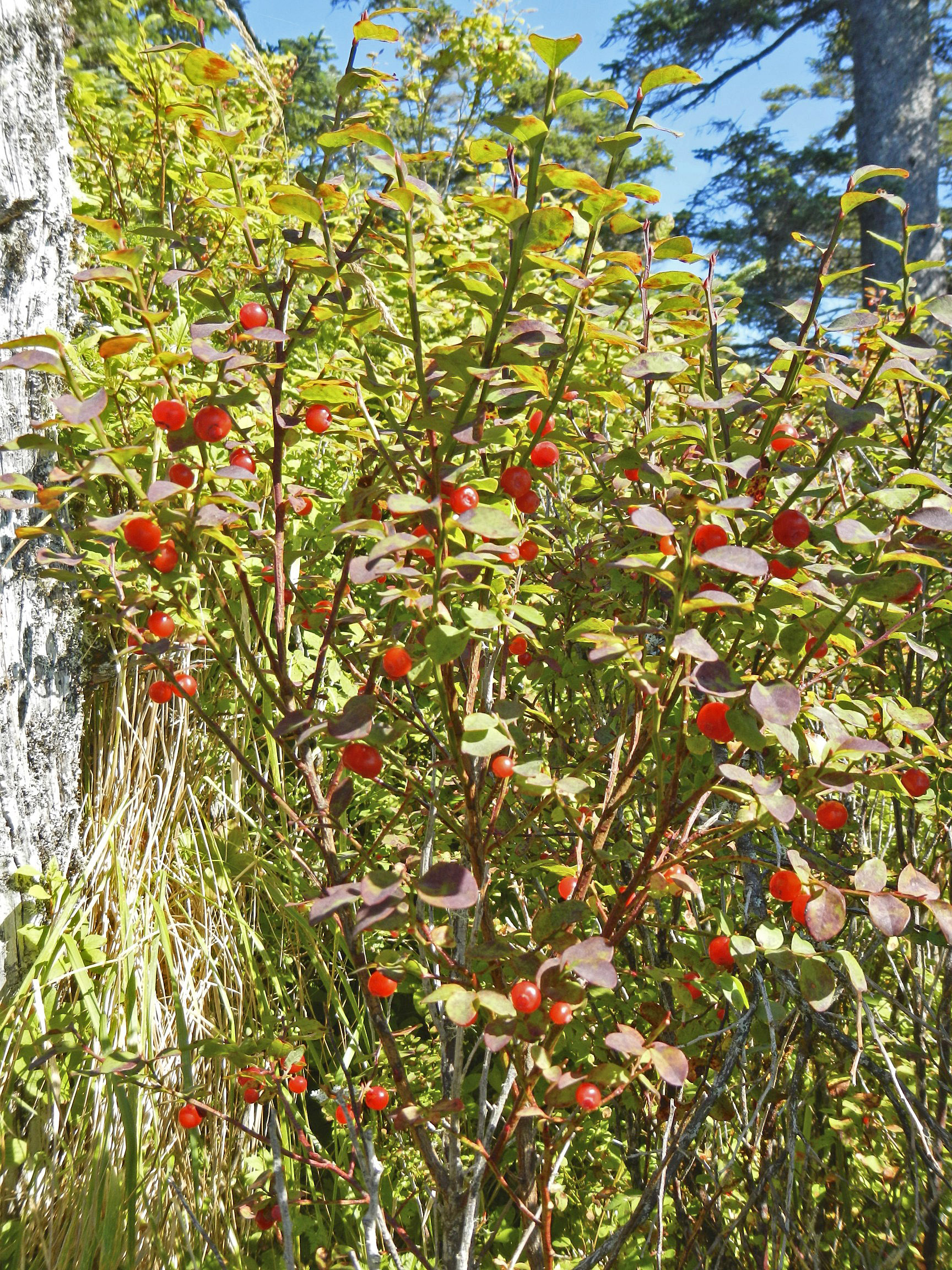
The Sitka Tribe of Alaska’s Kayaaní Commission (aka, the Plants Commission) and your Sitka Local Foods Network (SLFN) remind Sitka residents that it’s time to get out in the woods and pick huckleberries (tleikatánk) and blueberries (kanat’á).
Huckleberries and blueberries are extremely healthy fruits that grow in the forests and openings that surround Sitka. They are a traditional food of the Tlingít and have become a traditional food for Sitka residents who depend on nature’s bounty to keep their families healthy. They can be used fresh on a salad, in jams and smoothies, berry desserts and many other dishes. And they store well in the freezer for a healthy winter snack.
When going berry picking, please keep the following in mind (summarized from the Kayaaní Commission Traditional Harvesting Guidelines):
Be Courteous — other families are picking berries too; never take more than you need. If you accidentally got too much, share it with someone that you know will use it.
Be Safe — be positive about your identification of edible plants. Check your field guide for details if you are unsure. And pick berries during daylight with friends; make plenty of noise to keep bears away.
Take Care of the Berries — wash your berries with clean water before eating them and watch for rot, mildew, and insects. For best results: rinse berries, spread on a baking sheet to freeze, once frozen, slide off the tray and freeze in bags until ready to use.
Pick Clean Berries — from off the major road systems and in areas where you know pesticides and other chemicals will not have reached the berry plants.
Take Care of the Plants — make sure that there are plenty of other plants in the area (at least 10) to assure future abundance. Whenever possible, harvest so that the existing plant can reseed or recover after you are done. Treat the plants with respect. In Alaska Native cultures, it is traditional to thank the plant for its gift and give an offering. Each individual should show respect to the plant spirits in their own way.
“We encourage people to get out and pick the ripe berries. By getting out and picking berries you’ll get fresh, healthy food, exercise, and quality time with family and friends,” said Kayaaní Commission Coordinator Heather Riggs and Sitka Local Foods Network Vice President Michelle Putz. “Encouraging berry-picking for personal consumption and for winter storage supports both our missions. The Kayaaní Commission’s mission is to preserve their spiritual way of life and to preserve and protect traditional ways of their ancestral knowledge. The Sitka Local Foods Network’s mission is to increase the amount of locally produced and harvested food in the diets of Southeast Alaskans.”
While the kanat’á (blueberry) season is upon us, remember the plant is not finished offering its resources to the inhabitants of Sitka once the berries are gone. After the berries have completed their life cycle, the leaves from the plant can be utilized for its medicinal properties. Kanat’á leaves are high in antioxidants. These antioxidants can protect your body against heart disease and cancer. Making a tea from the leaves can help indigestion or a sore throat. Contact the Kayaaní Commission for more information on uses of native plants and methods of preparing plants.
More information about either group or local, traditionally harvested foods is available by calling Heather with the Kayaaní Commission at 747-7167 or Michelle with the Sitka Local Foods Network at 747-2708.
The Sitka Community Food Assessment Indicators Report was released on Monday, and the findings will help guide future food system planning in Sitka.
A 2012 Sitka Health Summit project, the Sitka Community Food Assessment has examined where Sitka residents get their food, what types they eat, what they grow, what they hunt and fish for, where they shop, what type of access people have to healthy food, and other questions about Sitka’s food supply. The findings of the food assessment will help Sitka improve its food security.
After Sitka residents chose the Sitka Community Food Assessment as a project at the September 2012 Sitka Health Summit, the work group received a grant to hire a coordinator and contract with a data person. A revised version of a questionnaire from a similar project on the Kenai Peninsula was posted online, available at the library, and discussed in focus groups, with more than 400 residents answering the 36 questions. In November 2013, some of the initial data was presented at the Sitka Food Summit, where about 60 residents discussed the results and noted any further research that needed to be done. Since then, the work group, in partnership with The Island Institute and others, fine-tuned the data before writing and editing the indicators report.
“We hope the Sitka Community Food Assessment Indicators Report can guide future food system planning and plant seeds for innovative responses that will strengthen Sitka’s food landscape,” project coordinator Lisa Sadleir-Hart wrote in the 26-page document’s introduction. “The Sitka Community Food Assessment Indicators Report uncovers many weaknesses in our food system as well as some incredible assets that define Sitka’s food culture — a rich ecosystem filled with nutritious gems from the land and sea plus a generous spirit of sharing with our neighbors. Now that we’ve defined the current foodscape in Sitka, let’s work together to build a more resilient food system that can deeply nourish the entire community for generations to come.”
The Sitka Community Food Assessment Indicators Report opens with Sitka’s demographics and several Sitka food facts. It then features data about how many people in Sitka hunt, fish, gather, and/or grow their own food, as well as some barriers. Next is information about where people in Sitka shop for their food, followed by how many people in Sitka are on some form of food assistance. The report also includes information about food in the schools, and local food manufacturing.
The findings will be presented to the community during an upcoming meeting of the Sitka Assembly, and the report will be posted online here (see below) and on The Island Institute’s website.
(EDITOR’S NOTE: The following article first appeared on this site in April 2010. It is repeated because much of the information remains current and newsworthy.)
As you start to plan your garden for this spring and summer, don’t forget to Plant A Row For The Hungry. The Plant A Row For The Hungry program (also known as Plant A Row or PAR) is a national campaign by the Garden Writers Association of America that got its start in Alaska.
In the cold winter of 1994, Anchorage Daily News garden columnist and former Garden Writers Association of America President Jeff Lowenfels was returning to his hotel after a Washington, D.C., event when he was approached by a homeless person who asked for some money to buy food. Lowenfels said Washington, D.C., had signs saying, “Don’t give money to panhandlers,” so he shook his head and kept on walking. But the man’s reply, “I really am homeless and I really am hungry. You can come with me and watch me eat,” stayed with Lowenfels for the rest of his trip.
Jeff Lowenfels
The encounter continued to bother Lowenfels, even as he was flying back to Anchorage. During the flight, Lowenfels came up with an idea when he started writing his weekly garden column (the longest continuously running garden column in the country, with no missed weeks since it started on Nov. 13, 1976). He asked his readers to plant one extra row in their gardens to grow food to donate to Bean’s Café, an Anchorage soup kitchen. The idea took off.
When Anchorage hosted the Garden Writers Association of America convention in 1995, Lowenfels took the GWAA members to Bean’s Café to learn about the Plant A Row For Bean’s Café program. The Garden Writers Association of America liked the idea, and it became the national Plant A Row For The Hungry campaign (also known as Plant A Row or PAR). In 2002, the Garden Writers Association Foundation was created as a national 501(c)(3) nonprofit to manage the Plant A Row For The Hungry program.
“I am not surprised by the growth of PAR,” Lowenfels wrote in an e-mail to the Sitka Local Foods Network. “It is now in all 50 states and across Canada and there are thousands of variations of the original program — from prison gardens for the hungry to botanical gardens donating their produce from public display gardens. This is because gardeners always share information and extra food, so the idea was a natural.”
It took five years for the program to reach its first million pounds of donated food, but the second million only took two years and the next eight years saw a million pounds of donated food (or more) each year. Since 1995, more than 14 million pounds of food have been donated. Not only that, the program is getting ready to expand overseas to Australia, England and other countries with avid gardeners.
“We have supplied something in the vicinity of enough food for 50 million meals,” Lowenfels wrote in his e-mail. “Gardeners can solve this hunger problem without the government. And we don’t need a tea party to do it! Or chemicals, I might add, as author of a book on organic gardening (Teaming With Microbes, written with Wayne Lewis)!” (Lowenfels recently released a second book, Teaming With Nutrients, which is a follow-up to his first book).
According to the U.S. Department of Agriculture, one out of every eight U.S. households experiences hunger or the risk of hunger. Many people skip meals or eat too little, sometimes going an entire day or more without food. About 33 million Americans, including 13 million children, have substandard diets or must resort to seeking emergency food because they can’t always afford to buy the food they need. In recent years the demand for hunger assistance has increased 70 percent, and research shows that hundreds of children and adults are turned away from food banks each year because of lack of resources.
While many people credit Lowenfels for creating the Plant A Row For The Hungry program, Lowenfels says the real heroes are the gardeners growing the extra food and donating it to local soup kitchens, senior programs, schools, homeless shelters and neighbors. You can hear him pass along the credit to all gardeners at the end of this interview last year with an Oklahoma television station (video also embedded below).
“One row. That’s all it takes. No rules other than the food goes to the hungry. You pick the drop-off spot or just give it to a needy friend or neighbor. Nothing slips between the lip and the cup, I say,” Lowenfels wrote in his e-mail.
For people wanting to Plant A Row For The Hungry in Sitka, there are several places that would love to help distribute some fresh locally grown veggies or berries to those who are less fortunate, such as the Salvation Army, Sitkans Against Family Violence (SAFV), local churches, Sitka Tribe of Alaska and other organizations. The food the Sitka Local Foods Network grows at St. Peter’s Fellowship Farm communal garden goes to the Sitka Farmers Market.
The Sitka Local Foods Network also takes donations of local produce to sell at the Sitka Farmers Markets, and all proceeds are used to help pay for SLFN projects geared toward helping more people in Sitka grow and harvest local food. For more information, contact SLFN President Lisa Sadleir-Hart or one of the other board members at sitkalocalfoodsnetwork@gmail.com.
Sitka Tribe of Alaska‘s Kayaaní Commission is accepting letters of interest to fill two open commissioner seats — a three-year term tribal citizen seat, and a one-year term general membership seat.
The Kayaaní Commission works to preserve and protect plants and the traditional ways they are used. It is a commission of knowledgeable tribal citizens, elders and knowledgeable Sitka residents who care for the preservation of traditional ways, protection of native species and their uses. The commission then shares that knowledge so it is not lost. A few years ago, the Kayaaní Commission published The Kayaaní Commission Ethnobotany Field Guide to Selective Plants in Sitka, Alaska, which details some of the food and medicinal uses of a variety of local plants.
For the open commission seats, the term “tribal citizen” shall mean any individual enrolled at the Sitka Tribe of Alaska, and the term “general membership” of the Kayaani Commission shall mean all tribal citizens and residents of Sitka who have resided here for at least six months. Deadline is close of business on Friday, March 28.
Please mail or hand deliver letters of interest to the STA’s Resource Protection Department, 456 Katlian Street, Sitka, AK 99835, Attention: Heather Riggs, or email letters to heather.riggs@sitkatribe-nsn.gov. For more information, please contact Heather @ 747-7167.
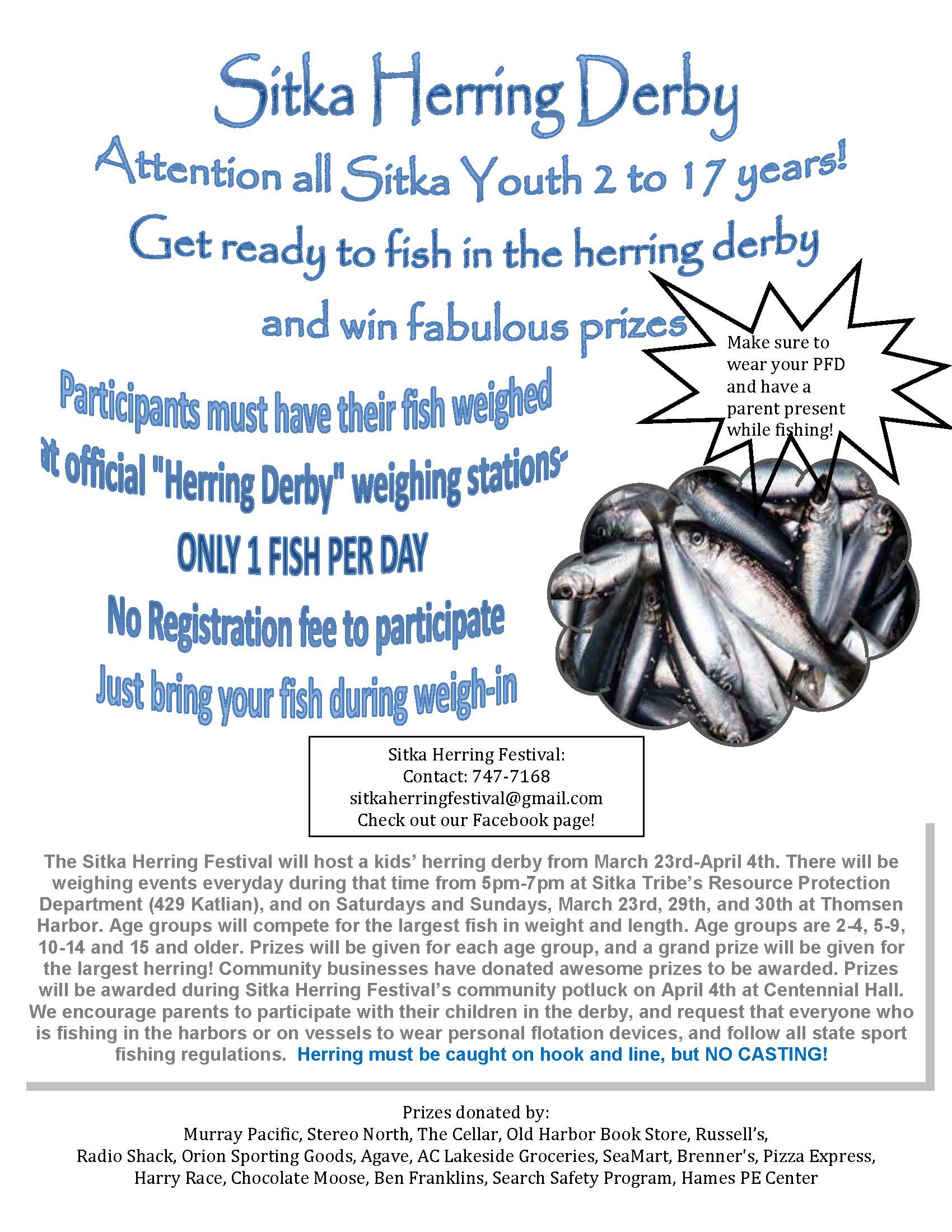
The inaugural Sitka Herring Festival will feature a variety of events from March 17 through April 12, when the herring return to Sitka to spawn. The event is sponsored by the Sitka Tribe of Alaska Resource Protection Department.
“The festival is a collaborative event to promote the importance of Pacific herring on the ecosystem and the culture of Sitka and the North Pacific Ocean,” event coordinator Jessica Gill said. “A few events to note are: kids’ herring derby, herring dip, fish printing, an educational unit in the schools, and a community potluck scheduled for April 4th. I am currently working on bringing in a scientist from Oxford to give a talk on herring for the potluck, but that will be dependent of funding.”
To learn more, please contact Jessica Gill at 747-7168 or by email at sitkaherringfestival@gmail.com. In addition to the event’s new website, there is a Facebook page.
The inaugural Sitka Herring Festival will host a benefit dinner at 5:30 p.m. on Sunday, Nov. 17, at the Sitka Elks Club.
The Sitka Herring Festival will take place in the spring of 2014, when the herring return to Sitka to spawn. The event is sponsored by the Sitka Tribe of Alaska Resource Protection Department.
“The festival is a collaborative event to promote the importance of Pacific herring on the ecosystem and the culture of Sitka and the North Pacific Ocean,” event coordinator Jessica Gill said. “A few events to note are: kids’ herring derby, herring dip, fish printing, an educational unit in the schools, and a community potluck scheduled for April 4th. I am currently working on bringing in a scientist from Oxford to give a talk on herring for the potluck, but that will be dependent of funding.”
To learn more, please contact Jessica Gill at 747-7168 or by email at sitkaherringfestival@gmail.com. In addition to the event’s new website (still under construction), there is a Facebook page.
The Sitka Community Food Assessment work group will present its findings during the inaugural Sitka Food Summit, from 6-9 p.m. on Thursday, Nov. 14, at Harrigan Centennial Hall.
A 2012 Sitka Health Summit project, the Sitka Community Food Assessment has examined where Sitka residents get their food, what types they eat, what they grow, what they hunt and fish for, where they shop, what type of access people have to healthy food, and other questions about Sitka’s food supply. The findings of the food assessment will help Sitka improve its food security.
“The Sitka Community Food Assessment work group decided early on that there needed to be an opportunity for Sitka to engage with the food data and shape the writing of the food assessment indicator report,” project coordinator Lisa Sadleir-Hart said. “The inaugural Sitka Food Summit will use a format that was first tested in the late 1990s when the Island Institute was developing Sitka’s initial indicator report. We’ll interact individually with the data, then use a conversation café model to discuss what the data brings up for us as Sitkans. The working group wanted to create a venue that meets the needs of a wide range of citizens.”
For more information, contact Lisa Sadleir-Hart at 747-5895 or sitkafoodassessment@gmail.com. (Editor’s note: A few photos from the Sitka Food Summit are posted below.)
(EDITOR’S NOTE: The following article first appeared on this site in April 2010. It is repeated because much of the information remains current and newsworthy.)
As you start to plan your garden for this spring and summer, don’t forget to Plant A Row For The Hungry. The Plant A Row For The Hungry program (also known as Plant A Row or PAR) is a national campaign by the Garden Writers Association of America that got its start in Alaska.
In the cold winter of 1994, Anchorage Daily News garden columnist and former Garden Writers Association of America President Jeff Lowenfels was returning to his hotel after a Washington, D.C., event when he was approached by a homeless person who asked for some money to buy food. Lowenfels said Washington, D.C., had signs saying, “Don’t give money to panhandlers,” so he shook his head and kept on walking. But the man’s reply, “I really am homeless and I really am hungry. You can come with me and watch me eat,” stayed with Lowenfels for the rest of his trip.
Jeff Lowenfels
The encounter continued to bother Lowenfels, even as he was flying back to Anchorage. During the flight, Lowenfels came up with an idea when he started writing his weekly garden column (the longest continuously running garden column in the country, with no missed weeks since it started on Nov. 13, 1976). He asked his readers to plant one extra row in their gardens to grow food to donate to Bean’s Café, an Anchorage soup kitchen. The idea took off.
When Anchorage hosted the Garden Writers Association of America convention in 1995, Lowenfels took the GWAA members to Bean’s Café to learn about the Plant A Row For Bean’s Café program. The Garden Writers Association of America liked the idea, and it became the national Plant A Row For The Hungry campaign (also known as Plant A Row or PAR). In 2002, the Garden Writers Association Foundation was created as a national 501(c)(3) nonprofit to manage the Plant A Row For The Hungry program.
“I am not surprised by the growth of PAR,” Lowenfels wrote in an e-mail to the Sitka Local Foods Network. “It is now in all 50 states and across Canada and there are thousands of variations of the original program — from prison gardens for the hungry to botanical gardens donating their produce from public display gardens. This is because gardeners always share information and extra food, so the idea was a natural.”
It took five years for the program to reach its first million pounds of donated food, but the second million only took two years and the next eight years saw a million pounds of donated food (or more) each year. Since 1995, more than 14 million pounds of food have been donated. Not only that, the program is getting ready to expand overseas to Australia, England and other countries with avid gardeners.
“We have supplied something in the vicinity of enough food for 50 million meals,” Lowenfels wrote in his e-mail. “Gardeners can solve this hunger problem without the government. And we don’t need a tea party to do it! Or chemicals, I might add, as author of a book on organic gardening (Teaming With Microbes, written with Wayne Lewis)!” (Lowenfels recently released a second book, Teaming With Nutrients, which is a follow-up to his first book).
According to the U.S. Department of Agriculture, one out of every eight U.S. households experiences hunger or the risk of hunger. Many people skip meals or eat too little, sometimes going an entire day or more without food. About 33 million Americans, including 13 million children, have substandard diets or must resort to seeking emergency food because they can’t always afford to buy the food they need. In recent years the demand for hunger assistance has increased 70 percent, and research shows that hundreds of children and adults are turned away from food banks each year because of lack of resources.
While many people credit Lowenfels for creating the Plant A Row For The Hungry program, Lowenfels says the real heroes are the gardeners growing the extra food and donating it to local soup kitchens, senior programs, schools, homeless shelters and neighbors. You can hear him pass along the credit to all gardeners at the end of this interview last year with an Oklahoma television station (video also embedded below).
“One row. That’s all it takes. No rules other than the food goes to the hungry. You pick the drop-off spot or just give it to a needy friend or neighbor. Nothing slips between the lip and the cup, I say,” Lowenfels wrote in his e-mail.
For people wanting to Plant A Row For The Hungry in Sitka, there are several places that would love to help distribute some fresh locally grown veggies or berries to those who are less fortunate, such as the Salvation Army, Sitkans Against Family Violence (SAFV), local churches, Sitka Tribe of Alaska and other organizations. The food the Sitka Local Foods Network grows at St. Peter’s Fellowship Farm communal garden goes to the Sitka Farmers Market.
The Sitka Local Foods Network also takes donations of local produce to sell at the Sitka Farmers Markets, and all proceeds are used to help pay for SLFN projects geared toward helping more people in Sitka grow and harvest local food. For more information, contact SLFN President Lisa Sadleir-Hart or one of the other board members at sitkalocalfoodsnetwork@gmail.com.
(The following editorial about protecting forage fish, such as Pacific herring, was submitted to local media on April 11 by Sitka Tribe of Alaska tribal chairman Michael Baines.)
State of Alaska Denies Herring Forage Fish Status
Currently Pacific herring are acknowledged as a keystone forage fish species that is responsible for maintaining the health of the marine ecosystem in the waters of California, Oregon, Washington and British Columbia (BC). As you cross the maritime boundary between BC and Alaska herring lose their forage fish status and become just another commercially harvested finfish. At a recent Board of Fish meeting in Anchorage, the Board heard testimony from fishery managers, the herring industry and the public on a proposal that would have acknowledged herring as a forage fish by adding them to the State’s Forage Fish Management Plan (FFMP).
The FFMP became effective in 1999 and was intended to prevent the development of new fisheries on forage fish while allowing existing commercial forage fisheries to continue. The Plan states that forage fish perform a critical role in the marine ecosystem by transferring energy from primary (zooplankton) and secondary (phytoplankton) producers to upper trophic level shellfish, finfish, marine mammals and sea birds. The Plan also recognizes that, “abundant populations of forage fish are necessary to sustain healthy populations of commercially important species of salmon, groundfish, halibut, and shellfish.”
The Alaska Department of Fish and Game commented that adding herring the FFMP would not affect the way it currently manages herring fisheries in the State. When asked by the Board if herring met the definition and fulfilled the role of a forage fish as described in the Plan, the ADF&G Southeast Regional Commercial Fisheries Coordinator responded that he felt they did.
Supporters of the plan stressed that herring are an ecological keystone species that are recognized around the world as a forage fish. The Federal government holds herring to a higher standard that other forage fish by having no directed fisheries on herring in federal waters and by listing them as a prohibited species that is not allowed to be retained as by-catch.
Herring industry representatives testified that they felt herring stocks are healthy, well managed and did not need to be acknowledged as a forage fish. Concerns were also expressed that listing herring as a forage fish would lead to changes in the way herring are managed. This would have required the State to look at herring in a different light. It may have paved the way for more conservative forage fish friendly management plans to be brought forth through the Board of Fisheries process in the future.
Unfortunately for Alaskans, this proposal was voted down on a 4-3 vote. Three of the opposing Board members are commercial fishermen or have ties to the commercial fishing industry. These Board members reiterated comments made by the industry that herring stocks are healthy, well managed and did not need to be listed in the plan.
The arguments put forth by the industry representatives and members of the Board in opposition to the proposal were not germane to the issue of adding herring to the FFMP. The health of a population has nothing to do with its definition as a forage fish. If this were the case the Lynn Canal and Prince William Sound herring stocks would be considered forage fish while the apparently healthy Togiak stock would not have the same status. Likewise, if acknowledging herring as a forage fish by adding them to the FFMP eventually changes the way stocks are managed, it should tell us something about their current management.
The acknowledgement of herring as a forage fish would have allowed managers to look at herring in a different light and might have paved the way for more conservative forage fish friendly management plans to be brought forth through the Board of Fisheries process in the future. Refusal by the State of Alaska to acknowledge herring as a forage fish sends a message to the world about Alaska’s biased Board of Fish process and the State’s priorities when it comes to managing its marine resources. Alaska boasts having the best managed fisheries in the world, but that reputation is now tarnished. It’s a sad day for Alaskans when greed and political influence win out over the common good of all who live in this great State.
If you feel the Board of Fisheries erred in their decision to deny herring forage fish status, you are encouraged to contact Alaska Governor Sean Parnell and the Board of Fisheries and request that the State reconsider adding herring to the State’s FFMP. This is an Alaskan resource that needs to be managed for the benefit of all Alaskans.
(Sent to)
Governor Sean Parnell, P.O. Box 110001, Juneau, AK 99811-0001, Phone (907) 465-3500, governor@alaska.gov
and
Alaska Department of Fish and Game, Board of Fisheries, P.O. Box 115526, 1255 W. 8th Street, Juneau, AK 99811-5526


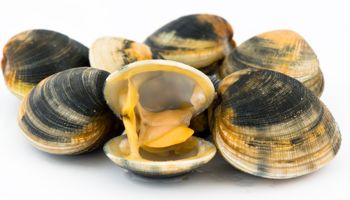 SEATT will unify Southeast Alaska tribes in monitoring HAB events that pose a human health risk to the subsistence shellfish harvester, such as paralytic shellfish poisoning (PSP). This monitoring effort will provide weekly data on the timing and distribution of HABs, along with measurements of environmental conditions, indicators, and potential mechanisms that trigger HAB events.
 n addition, the Sitka Tribe of Alaska received $527,000 for the development of a marine biotoxin lab in Sitka from the Administration for Native Americans’ Environmental Regulatory Enhancement program. The lab will provide the SEATT partners the ability to assess their communities’ vulnerability for human health risks following with the same regulatory standards used by other state and federal agencies.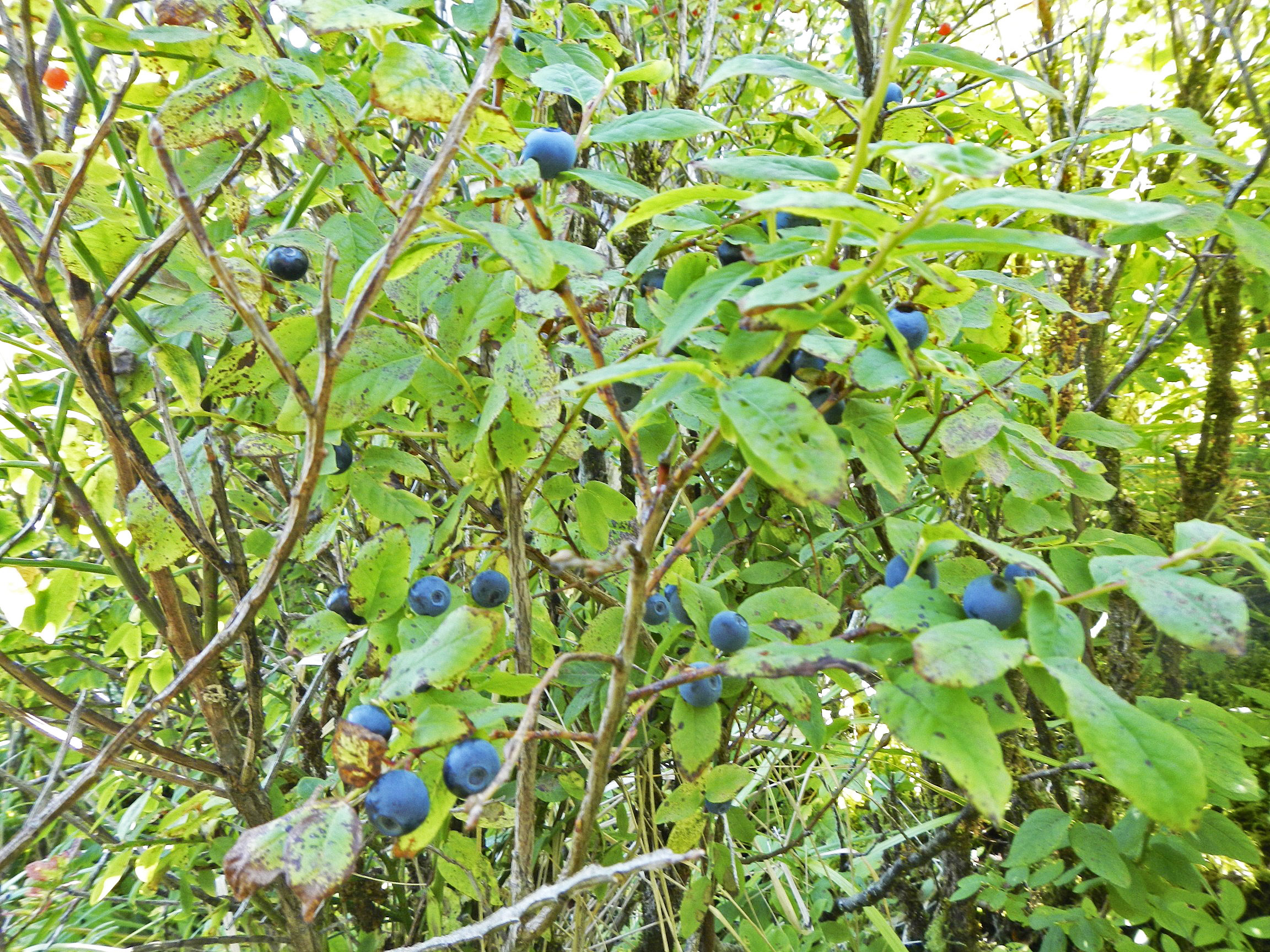





 Sitka Local Foods Network
You must be logged in to post a comment.