• Natural History Seminar Series to feature presentation on Mushrooms of Alaska’s Southern Coasts

mohatth

The next topic of the Natural History Seminar Series will feature Kate Mohatt presenting “Mushrooms of Alaska’s Southern Coasts.” The presentation is at 7:30 p.m. on Friday Sept. 19, in Room 229 at the University of Alaska Southeast Sitka Campus.

Kate Mohatt is an ecologist for the Chugach National Forest who has been studying fungi in Montana and Alaska for several years. She has been a key organizer in the Girdwood Fungus Fair and a frequent speaker at the Tongass Rainforest Festival in Petersburg. Mohatt is the lead author of the 2013 publication, Mushrooms of the National Forests in Alaska (available at the USDA Forest Service, Sitka Ranger District office in Sitka, 204 Siginaka Way).

Mohatt will talk about the importance of fungi in forests, and about some common and interesting fungi found in Alaska. She also will lead a walk focused on forest fungi on Saturday, Sept. 20, in Sitka, with details shared at the Friday night seminar.

The seminar series is supported by a grant from the Sitka Permanent Charitable Trust to the Sitka Sound Science Center, and by the University of Alaska Southeast Sitka Campus with support from the USDA Forest Service. If you have questions, please contact Kitty LaBounty at 747-9432.

• It’s time to … get outdoors and pick some berries

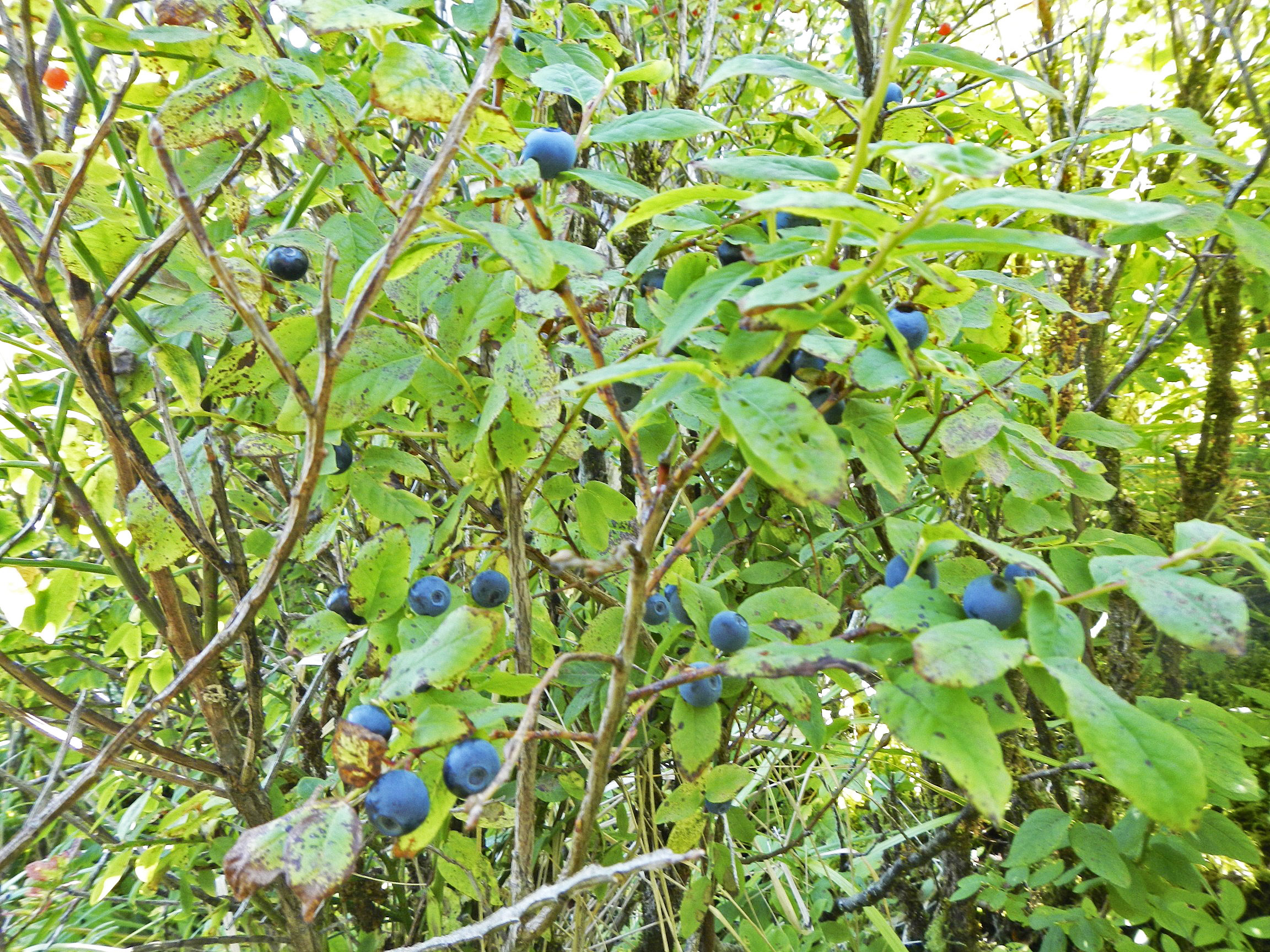
Blueberries (kanat'á)

Blueberries (kanat’á)

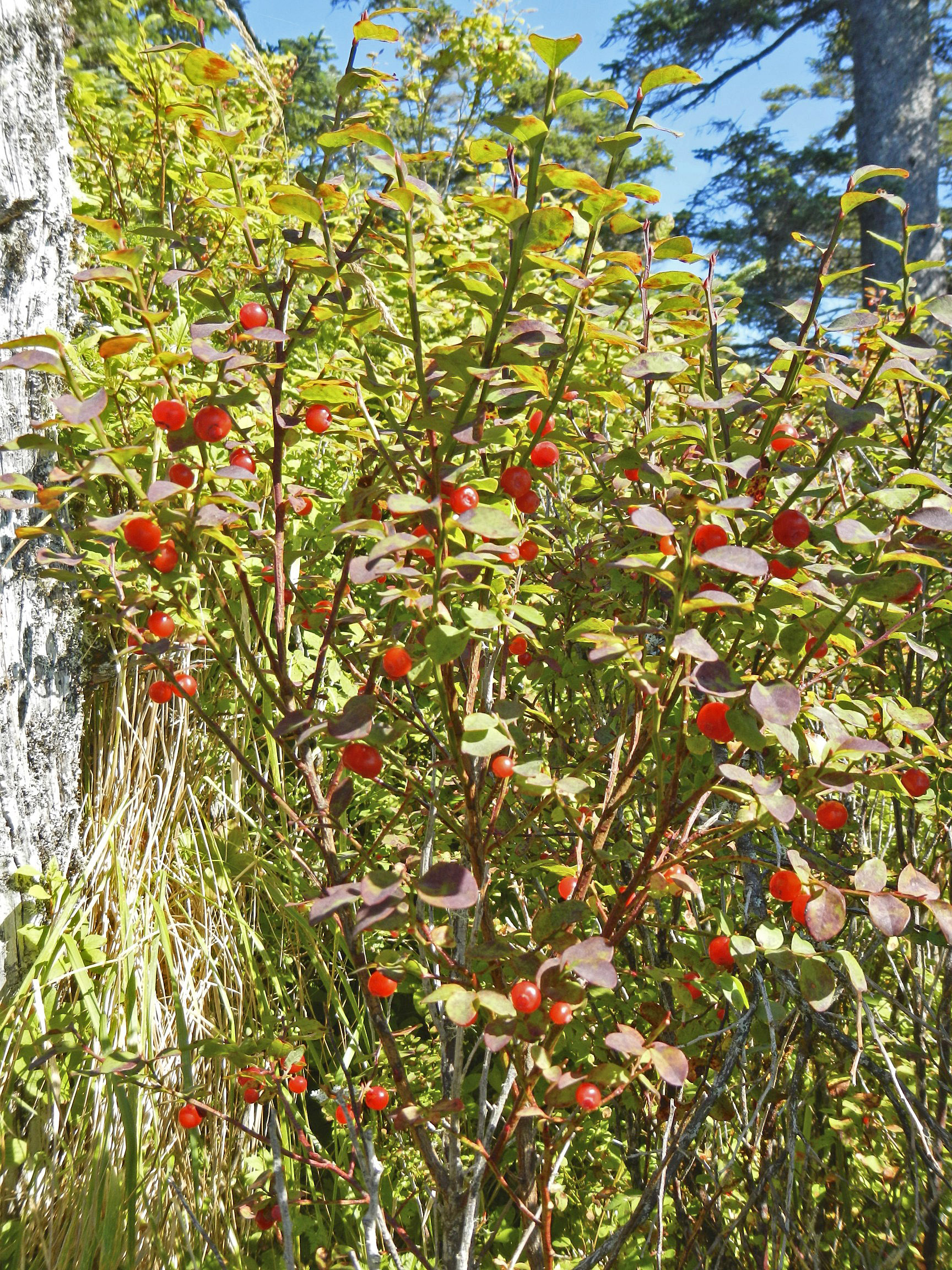
Huckleberries (tleikatánk)

Huckleberries (tleikatánk)

The Sitka Tribe of Alaska’s Kayaaní Commission (aka, the Plants Commission) and your Sitka Local Foods Network (SLFN) remind Sitka residents that it’s time to get out in the woods and pick huckleberries (tleikatánk) and blueberries (kanat’á).

Huckleberries and blueberries are extremely healthy fruits that grow in the forests and openings that surround Sitka. They are a traditional food of the Tlingít and have become a traditional food for Sitka residents who depend on nature’s bounty to keep their families healthy. They can be used fresh on a salad, in jams and smoothies, berry desserts and many other dishes. And they store well in the freezer for a healthy winter snack.

When going berry picking, please keep the following in mind (summarized from the Kayaaní Commission Traditional Harvesting Guidelines):

  • Be Courteous — other families are picking berries too; never take more than you need. If you accidentally got too much, share it with someone that you know will use it.
  • Be Safe — be positive about your identification of edible plants. Check your field guide for details if you are unsure. And pick berries during daylight with friends; make plenty of noise to keep bears away.
  • Take Care of the Berries — wash your berries with clean water before eating them and watch for rot, mildew, and insects. For best results: rinse berries, spread on a baking sheet to freeze, once frozen, slide off the tray and freeze in bags until ready to use.
  • Pick Clean Berries — from off the major road systems and in areas where you know pesticides and other chemicals will not have reached the berry plants.
  • Take Care of the Plants — make sure that there are plenty of other plants in the area (at least 10) to assure future abundance. Whenever possible, harvest so that the existing plant can reseed or recover after you are done. Treat the plants with respect. In Alaska Native cultures, it is traditional to thank the plant for its gift and give an offering. Each individual should show respect to the plant spirits in their own way.

“We encourage people to get out and pick the ripe berries. By getting out and picking berries you’ll get fresh, healthy food, exercise, and quality time with family and friends,” said Kayaaní Commission Coordinator Heather Riggs and Sitka Local Foods Network Vice President Michelle Putz. “Encouraging berry-picking for personal consumption and for winter storage supports both our missions. The Kayaaní Commission’s mission is to preserve their spiritual way of life and to preserve and protect traditional ways of their ancestral knowledge. The Sitka Local Foods Network’s mission is to increase the amount of locally produced and harvested food in the diets of Southeast Alaskans.”

While the kanat’á (blueberry) season is upon us, remember the plant is not finished offering its resources to the inhabitants of Sitka once the berries are gone. After the berries have completed their life cycle, the leaves from the plant can be utilized for its medicinal properties. Kanat’á leaves are high in antioxidants. These antioxidants can protect your body against heart disease and cancer. Making a tea from the leaves can help indigestion or a sore throat. Contact the Kayaaní Commission for more information on uses of native plants and methods of preparing plants.

More information about either group or local, traditionally harvested foods is available by calling Heather with the Kayaaní Commission at 747-7167 or Michelle with the Sitka Local Foods Network at 747-2708.

Please note that personal-use berry-picking is allowed on state and federal lands around Sitka, but any commercial-use berry-picking (money changes hands) requires a special permit, https://sitkalocalfoodsnetwork.org/2014/08/20/%E2%80%A2-tongass-national-forest-sitka-ranger-district-clarifies-rules-for-berry-picking-and-gathering-on-forest-lands/

• Kayaaní Commission Plant Gathering Guidelines

• 2003 Sitka Tribe of Alaska ordinance creating and defining the Kayaaní Commission

• UAS Sitka Campus to host annual class on how to identify Southeast Alaska mushrooms

SE mushrooms Brochure 2014_Page_2

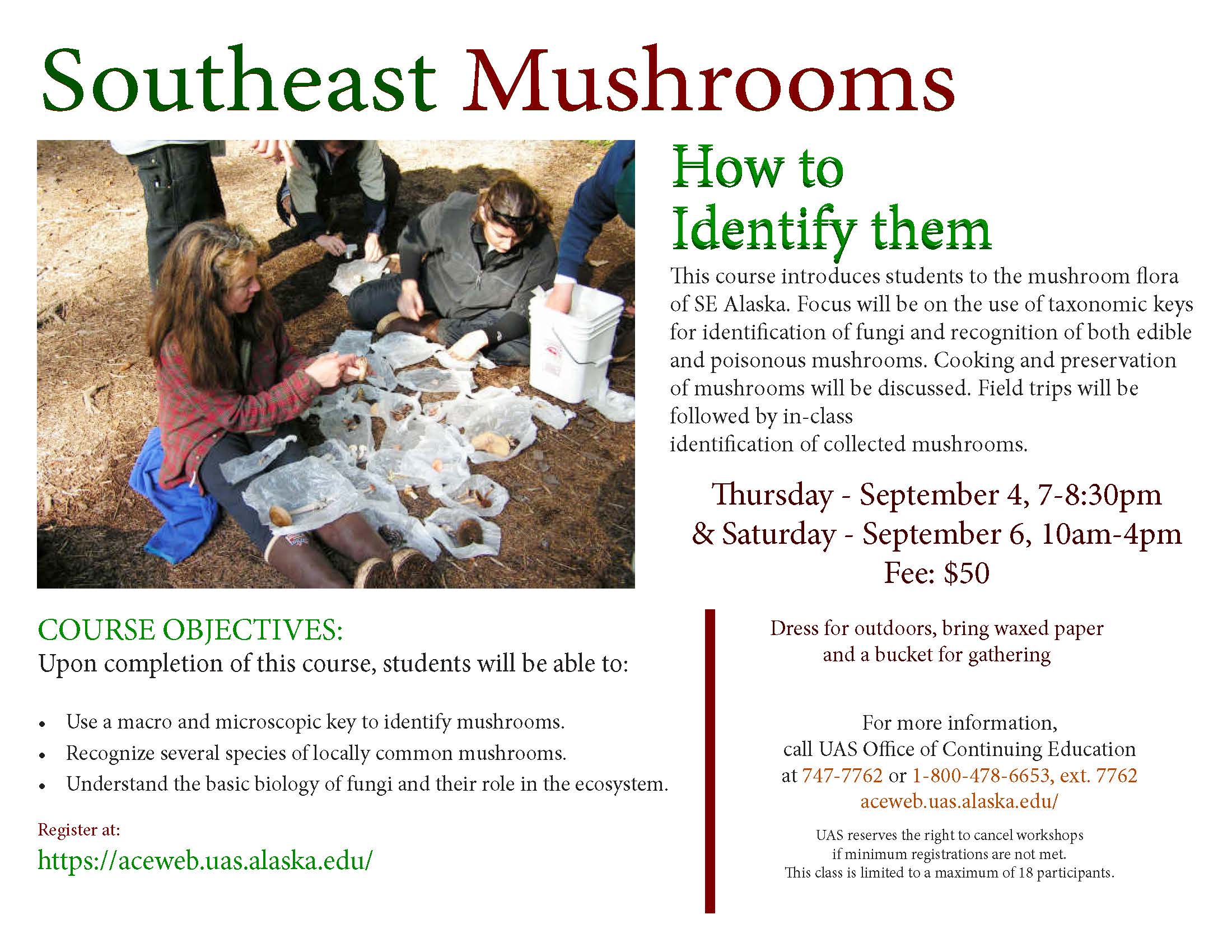
The University of Alaska Southeast Sitka Campus Office of Continuing Education will host its annual class “Southeast Mushrooms: How to Identify Them.”

This two-day class takes place from 7-8:30 p.m. on Thursday, Sept. 4, and from 10 a.m. to 4 p.m. on Saturday, Sept. 6, at the UAS Sitka Campus (with field trips). The course fee is $50 and students should dress for the outdoors, bring waxed paper and a bucket for gathering.

This course is designed to introduce students to the mushroom flora of Southeast Alaska. The focus will be on the use of taxonomic keys for identification of fungi and recognition of both edible and poisonous mushrooms. Cooking and preservation of mushrooms will be discussed. Field trips are followed by in-class identification of collected mushrooms.

There is a maximum of 18 students allowed in this class, and the class may be canceled if at least 10 people don’t pre-register for it. For more information, contact the UAS Sitka Campus Office of Continuing Education at 747-7762. To register, call 1-800-478-6653, Ext. 7762, or go to https://aceweb.uas.alaska.edu/. Click the link below to download the course brochure as a PDF file.

• “Southeast Mushrooms: How to Identify Them” class brochure for 2014

• Tongass National Forest, Sitka Ranger District, clarifies rules for berry-picking and gathering on forest lands

Salmonberries await picking near the entrance to Sitka National Historical Park

Salmonberries await picking near the entrance to Sitka National Historical Park

The Tongass National Forest, Sitka Ranger District, is reminding people that any berry-picking or other gathering for commercial use on national forest lands requires a special-use permit. The rules clarification comes after a sign recently was posted outside a grocery store offering payment for salmonberries. Personal-use berry-picking and other gathering is allowed, so long as no money changes hands.

Please note, these are not new regulations and they have been on the books for many years. But the USDA Forest Service wants to remind people about them because many Sitka residents don’t know them.

“Here is an interim policy for special forest products attached (see link below), but it is long and cumbersome for most to read,” District Ranger Perry Edwards wrote. “The short version is you can collect berries, mushrooms, etc., for personal use in a national forest. But once you sell them it becomes a commercial use and a person needs to have a special forest product permit. So far, no one has officially gone through the process to get one from the Sitka Ranger District, as it does take some time for the USDA Forest Service to do the analysis and the public process.”

The interim rules and regulations run several pages, but the two paragraphs below help clarify Special Forest Products and commercial uses.

  • Special Forest Products – Special forest products (SFPs) are defined as products derived from non-timber biological resources that are used for subsistence, personal, spiritual, educational, commercial, and scientific use. SFP resources include, but are not limited to: mushrooms, boughs, Christmas trees, bark, ferns, moss, burls, berries, cones, conks, herbs, roots, and wildflowers. Also included are cuttings (such as of willow used for restoration) and transplants (as for landscaping purposes). SFP resources exclude saw-timber, pulpwood, cull logs, small round-wood, house logs, utility poles, minerals, animals, animal parts, rocks, water and soil.
  • Commercial Uses — SFP resources that are sold, processed for sale, or used in business operations are considered commercial use. Research collections for bioprospecting or other purposes by entities that do not have a cooperative agreement with the Forest Service or other federal government agency or department are considered commercial use and are subject to the same permitting procedures and requirements as other commercial uses. Commercial use on the Tongass National Forest is subject to the standards and guidelines in the Tongass Forest Plan, national and regional SFP policies, and the following management guidelines. In all cases, commercial use should not displace subsistence, personal or other non-commercial uses.

The Alaska Division of Parks and Outdoor Recreation has similar rules for harvesting from Alaska State Parks, and earlier this summer began requiring a special permit for gathering seaweed at the Halibut Point Recreation Area in Sitka.

• Interim Special Forest Products Policy for Tongass National Forest, Sitka Ranger District

• Fish to Schools program seeks donations of coho salmon from commercial fishermen

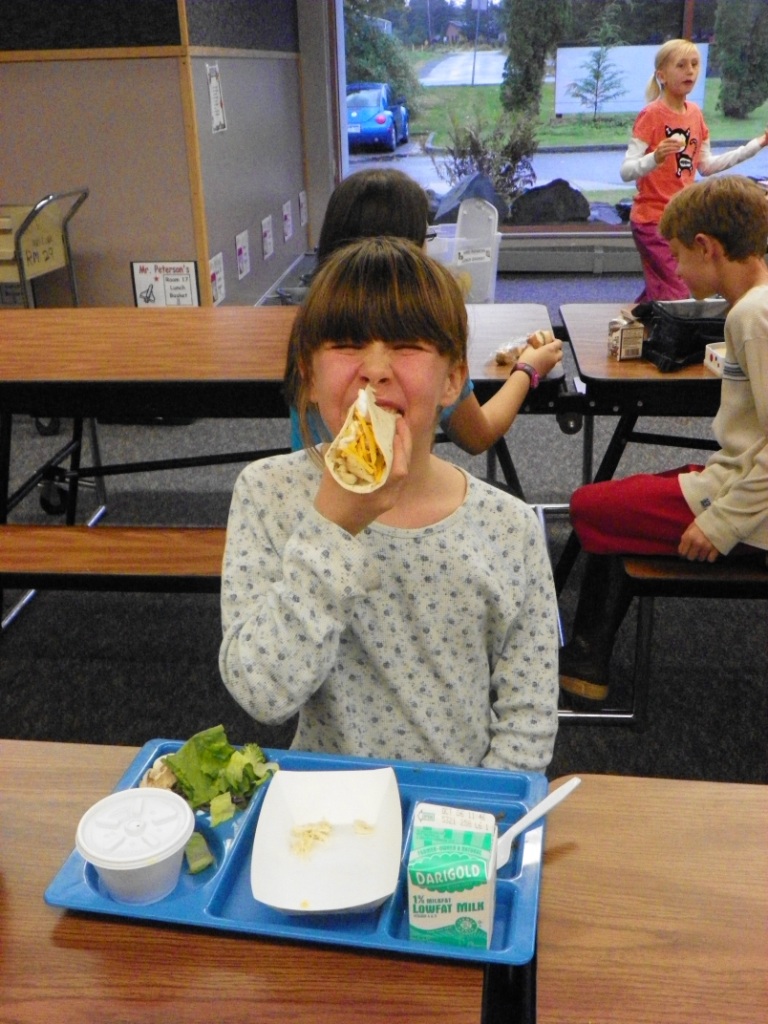
SCS-031_smFishToSchoolsTaco

The Fish to Schools program needs help from Sitka’s commercial fishermen. The program needs 500 pounds of coho salmon to help make Fish to Schools meals for Sitka students during the upcoming school year.

“Please donate a few of your fish at the closure of the second king opener to Fish to Schools this August and help us meet our goal to get locally caught coho in all Sitka schools,” Fish to Schools program coordinator Tracy Gagnon said. “We’re also collecting photos of you (fishermen) in action — please email a photo of you on the water.”

The Sitka Fish To Schools project (click here to see short video) got its start as a community wellness project at the 2010 Sitka Health Summit, and now is managed by the Sitka Conservation Society. It started by providing a monthly fish dish as part of the school lunch as Blatchley Middle School, and since then has grown to feature regular fish dishes as part of the lunch programs at Baranof Elementary School, Keet Gooshi Heen Elementary School,Blatchley Middle School, Sitka High School, Pacific High School (where the alternative high school students cook the meals themselves), the SEER School, and Mount Edgecumbe High School.

In addition to serving locally caught fish meals as part of the school lunch program, the Fish To Schools program also brings local fishermen, fisheries biologists and chefs to the classroom to teach the kids about the importance of locally caught fish in Sitka. The program received an innovation award from the Alaska Farm To Schools program during a community celebration dinner in May 2012, and now serves as a model for other school districts from coastal fishing communities. In May 2014, the Fish to Schools program released a guidebook so other school districts in Alaska could create similar programs.

To donate, sign up in the main offices at Seafood Producers Cooperative or Sitka Sound Seafoods. The program can only accept commercially caught fish (no sport or subsistence fish).

For more information, contact Tracy Gagnon at Sitka Conservation Society, tracy@sitkawild.org or 747-7509.

• Sitka to host three-day Gathering in conjunction with two-week Introduction to Ethnobotany course

Salmonberries await picking near the entrance to Sitka National Historical Park

Salmonberries await picking near the entrance to Sitka National Historical Park

This month Sitka will host a two-week Introduction to Ethnobotany course on May 19-30, and as part of that course there will be a three-day UAF Kuskokwim Campus Ethnobotany Program All-Hands Gathering for stakeholders on May 29-31 held in conjunction with the class. As part of the Gathering, there will be a couple of events open to Sitka residents interested in ethnobotany and the uses of local plants.

The Gathering is sponsored by the Ethnobotany Certification Program of the University of Alaska Fairbanks Kuskokwim Campus (Bethel), and the Gathering will serve as a chance for stakeholders (students, instructors, elders, colleagues) to to get together to celebrate the program’s first five years, plan the next five years, and network with each other.

The schedule is still being finalized, but the first public event will be on Thursday, May 29, when the 10 ethnobotany class students will make their presentations from 3-5 and 6-8 p.m. (with a break for a bring-your-own dinner) in Room 229 of the University of Alaska Southeast Sitka Campus.

At 9:30-10:30 a.m. on Saturday morning, May 31, keynote speaker Anore Jones (author of Plants That We Eat) will  share her passion for traditional foods of the subarctic. This event will be at the Yaw Classroom at the Sitka Fine Arts Campus.

The Gathering will conclude at 5:30-9 p.m. on Saturday, May 31, with a community potluck dinner/local foods feast and Native dancing at the Sheet’ká Kwáan Naa Kahídi. This event will feature a Native chant from our Hawaiian friends, vending tables, as well as music from the Sitka rock band Slack Tide. The Gathering will provide a main course, some desserts and beverages for this event, and people are encouraged to bring side dishes featuring local food.

For more information, contact Kuskokwim Campus Ethnobotany Program Coordinator Rose Meier, PhD, at 1-907-474-6935 (voice), 1-907-474-5952 (fax) or by email at rameier@alaska.edu.

EBOT Public Flyer final

• Sitka to host two-week Introduction to Ethnobotany course for college credit

EBOT 100 flyer 2014

Sitka will be the site of a two-week Introduction to Ethnobotany summer fieldwork course May 19-30 offered by the University of Alaska Fairbanks Kuskokwim Campus (Bethel).

The Ethnobotany Certificate Program operated by the UAF Kuskokwim Campus is the first such program in this state and only one of a handful that are currently being offered in the entire United States. Ethnobotany is integral to life in Alaska because it recognizes cultural knowledge and deepens our connection with the expansive and exceptional natural world at our doorstep.

Students enrolled in the EBOT program will learn basic plant biology and floral ecology of Alaska, economic applications of ethnobotany, basic applied chemistry of plants, research methods for local specific projects, as well as traditional and new uses of Alaska native plants. These skills will prepare Alaska Native students for employment in wildlife and cultural management agencies, education, and other rural-based jobs, as well as further college milestones such as the associate’s and bachelor’s of
science degrees.

The Sitka-based class EBOT 100, “Introduction to Ethnobotany,” will discuss the relationships between people and plants in the Sitka region as well as other parts of Alaska and the rest of the world. People relate to plants in many ways, for example, by eating them, using them as medicine, naming them and telling stories about them.

To give you an idea of the types of things we’ll discuss, we have included a few sample pages from our ethnobotany program’s upcoming book on the ethnobotany of the Yukon-Kuskokwim region, in Western Alaska. This will give you a feeling for how people of a different region relate to a few species you may also have in your area. Please read the descriptions on the EBOT program website of fireweed, Labrador tea and cloud berry. Then you can take a short quiz to see what you learned, and what you already know about plants and the study of how people use them.

The three-credit class (biology credits) costs $600 for tuition, books and materials, but there are scholarships available for Alaska-based students enrolled in the EBOT certificate program. In addition to the class, there will be a three-day program stakeholder meeting that will end on May 31 with a local foods dinner.

Registration forms for the class and the ethnobotany program are linked below. For more information, contact Kuskokwim Campus Ethnobotany Program Coordinator Rose Meier, PhD, at 1-907-474-6935 (voice), 1-907-474-5952 (fax) or by email at rameier@alaska.edu.

• Kuskokwim Campus Introduction to Ethnobotany 100 (Sitka) course application 2014

• Kuskokwim Campus Ethnobotany Program Application 2014

• UAF College of Rural and Community Development Registration Form

• Alaskans Own community-supported fisheries program announces 2014 season subscription prices

AO flier no tags

Sitka-based Alaskans Own seafood recently announced its subscription prices for its 2014 community-supported fisheries (CSF) program in Sitka, Juneau, and Anchorage. The prices appear to have gone down a tiny bit since the 2013 season.

Alaskans Own was the first CSF program in the state, modeling its program after the successful community-supported agriculture (CSA) programs that let customers deal directly with harvesters so they can buy subscription shares to the year’s crop/catch. In addition to the CSF program, Alaskans Own usually has a table at the Sitka Farmers Markets during the summer.

ErinFultonAshiaLaneAlaskansOwnSeafoodThis is the fifth year of the Alaskans Own CSF program, and there are four-month and six-month subscriptions available. The six-month subscriptions  allow people to keep receiving freshly caught seafood through October instead of August, when the traditional four-month subscriptions end. Half-subscriptions also are available. Subscriptions include a mix of locally caught black cod (sablefish), halibut, king salmon, coho salmon, lingcod and miscellaneous rockfish, depending on the commercial fishing season and prices.

The Alaskans Own program is associated with the Alaska Sustainable Fisheries Trust. The Alaska Sustainable Fisheries Trust’s mission is to strengthen Alaskan fishing communities and marine resources through scientific research, education, and economic opportunity.

Here is Alaskans Own CSF program information for 2014 provided in a recent email sent to the program’s past subscribers and other interested folk:

Hello, Sitka!

It’s that time of year again. The days are getting longer, the herring are back, and Alaskans Own CSF is gearing up for our 2014 season.

This summer looks to be another season filled with even better quality seafood than before. We’d love to have you join us and get access to the great local seafood the Sitka has to offer.

It is difficult to tell, at this point, how prices will trend through the season. Please be assured that we will always bring you the very best value, highest quality seafood that we can, meeting or exceeding the total number of pounds for the plan that you choose. We will make adjustments in specific items to preserve this value. Our small staff gratefully receives assistance from a number of volunteers to help keep costs down. Any and all ‘profits’ go to support the scientific work of the Fishery Conservation Networks.

  • Six months, Full share: $760 (60 pounds, ~ 10 lb. /month)
  • Six months, Half share: $400 (30 pounds, ~ 5 lb./month)s
  • Four months, Full share: $520 (40 pounds, ~ 10 lb./month)
  • Four months, Half share: $280 (20 pounds, ~ 5 lb./month)

To renew your subscription with Alaskans Own, please send me an email, or give me a call on the Alaskans Own phone 907-738-2275(*). Subscriptions can be paid for using cash, check or credit card. You can learn more about what we offer and the work we do on our website: www.alaskansown.com.

Thank you for all your support. I hope you’ll join Alaskans Own again this season to enjoy the best seafood from the finest fishermen in Southeast Alaska.

Cheers,
Erin Fulton, Programs Coordinator, Alaska Sustainable Fisheries Trust

* With the Sitka Sound Science Center under construction, we won’t be in our normal office space — email and the new AO phone will be the best way to reach us, and to schedule an ‘in person’ meeting.

• Kayaaní Commission accepting letters of interest for commissioners.

Devils-Club__SE-Alaska1

Sitka Tribe of Alaska‘s Kayaaní Commission is accepting letters of interest to fill two open commissioner seats — a three-year term tribal citizen seat, and a one-year term general membership seat.

The Kayaaní Commission works to preserve and protect plants and the traditional ways they are used. It is a commission of knowledgeable tribal citizens, elders and knowledgeable Sitka residents who care for the preservation of traditional ways, protection of native species and their uses. The commission then shares that knowledge so it is not lost. A few years ago, the Kayaaní Commission published The Kayaaní Commission Ethnobotany Field Guide to Selective Plants in Sitka, Alaska, which details some of the food and medicinal uses of a variety of local plants.

For the open commission seats, the term “tribal citizen” shall mean any individual enrolled at the Sitka Tribe of Alaska, and the term “general membership” of the Kayaani Commission shall mean all tribal citizens and residents of Sitka who have resided here for at least six months. Deadline is close of business on Friday, March 28.

Please mail or hand deliver letters of interest to the STA’s Resource Protection Department, 456 Katlian Street, Sitka, AK 99835, Attention: Heather Riggs, or email letters to heather.riggs@sitkatribe-nsn.gov. For more information, please contact Heather @ 747-7167.

• Celebrate Fish to State takes place on March 20 to support statewide Fish to Schools program

celebrate fish to state

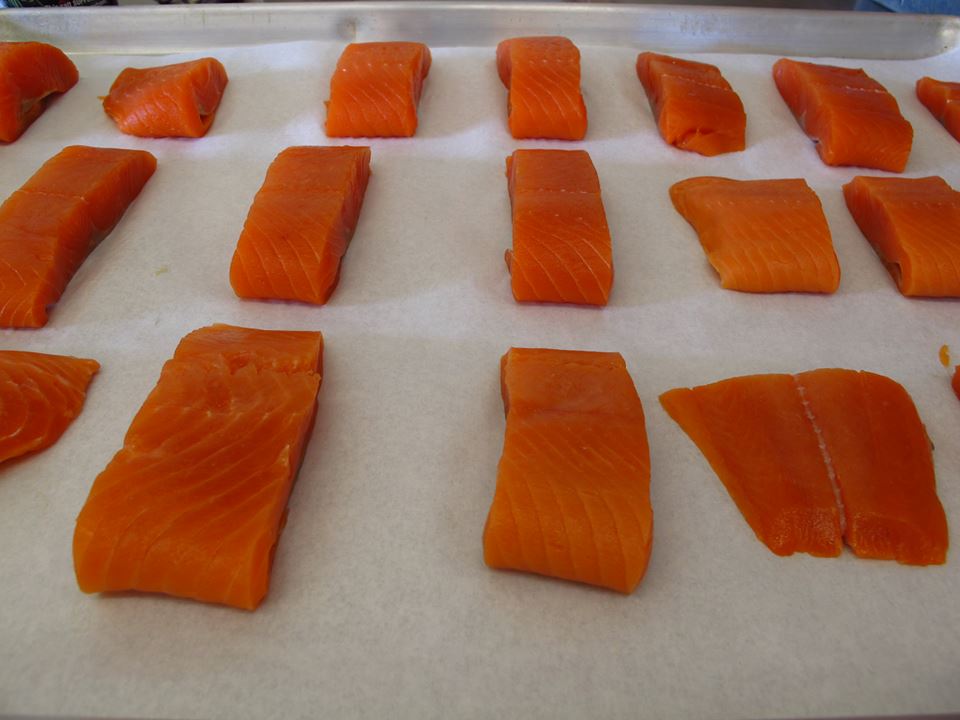
SCSCohoPortionsForCookingSitka’s Fish to Schools program has been extremely successful the past three years, and now there’s a movement to make similar programs available statewide. Join us from 6:30-7:30 p.m. on Thursday, March 20, at Blatchley Middle School as we celebrate Fish to State.

This event will celebrate the success of the Sitka Fish to Schools program, which is coordinated by the Sitka Conservation Society and other partners. The event will include short presentations from Sitka School Board President Lon Garrison, Sitka Local Foods Network President Lisa Sadleir-Hart, and Sitka Conservation Society Community Sustainability Organizer Tracy Gagnon. Light refreshments will be available.

The Sitka Fish to Schools program came out of the 2010 Sitka Health Summit, when local residents chose as one of its community wellness projects to serve more local seafood in our schools. Since then the program has grown so that all students from Grades 2-12 in Sitka have a local seafood lunch option at least twice a month. This includes the Sitka School District schools, Keet Gooshi Heen Elementary School, Blatchley Middle School, Sitka High School, and Pacific High School, plus other local schools, the state-run boarding school Mount Edgecumbe High School and the private K-8 The SEER School. The award-winning program has served as a model for a handful of other school districts in Alaska, and now there is a push to make it available statewide with a full curriculum and resource guide, plus financial support.

For more information, contact Ray Friedlander of the Sitka Conservation Society at 747-7509 or ray@sitkawild.org.