• Alaskans Own community-supported fisheries program announces 2014 season subscription prices

AO flier no tags

Sitka-based Alaskans Own seafood recently announced its subscription prices for its 2014 community-supported fisheries (CSF) program in Sitka, Juneau, and Anchorage. The prices appear to have gone down a tiny bit since the 2013 season.

Alaskans Own was the first CSF program in the state, modeling its program after the successful community-supported agriculture (CSA) programs that let customers deal directly with harvesters so they can buy subscription shares to the year’s crop/catch. In addition to the CSF program, Alaskans Own usually has a table at the Sitka Farmers Markets during the summer.

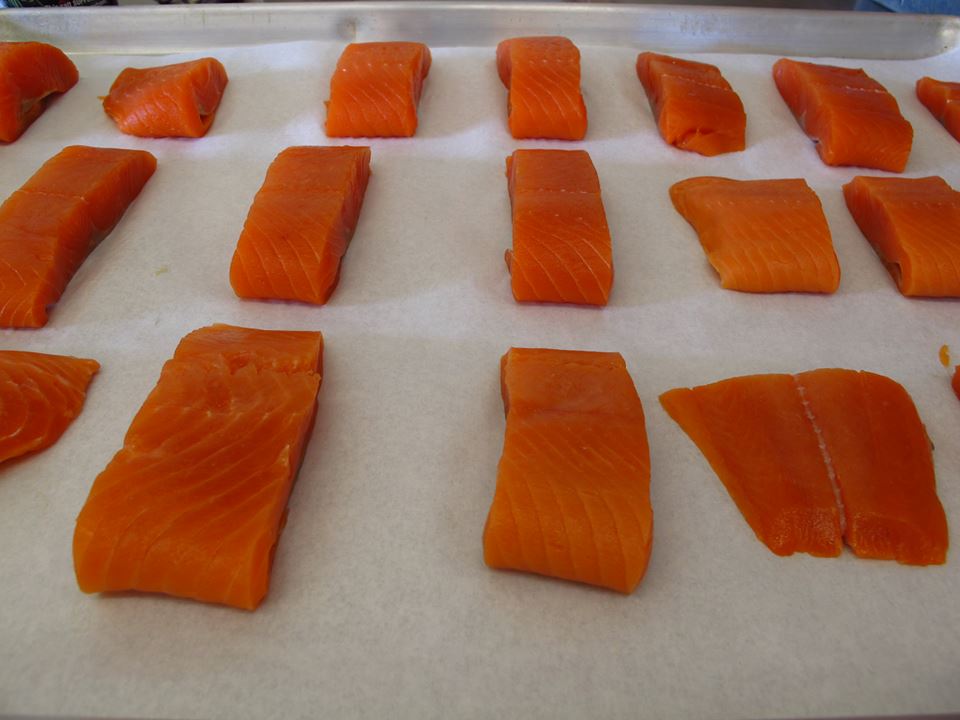
ErinFultonAshiaLaneAlaskansOwnSeafoodThis is the fifth year of the Alaskans Own CSF program, and there are four-month and six-month subscriptions available. The six-month subscriptions  allow people to keep receiving freshly caught seafood through October instead of August, when the traditional four-month subscriptions end. Half-subscriptions also are available. Subscriptions include a mix of locally caught black cod (sablefish), halibut, king salmon, coho salmon, lingcod and miscellaneous rockfish, depending on the commercial fishing season and prices.

The Alaskans Own program is associated with the Alaska Sustainable Fisheries Trust. The Alaska Sustainable Fisheries Trust’s mission is to strengthen Alaskan fishing communities and marine resources through scientific research, education, and economic opportunity.

Here is Alaskans Own CSF program information for 2014 provided in a recent email sent to the program’s past subscribers and other interested folk:

Hello, Sitka!

It’s that time of year again. The days are getting longer, the herring are back, and Alaskans Own CSF is gearing up for our 2014 season.

This summer looks to be another season filled with even better quality seafood than before. We’d love to have you join us and get access to the great local seafood the Sitka has to offer.

It is difficult to tell, at this point, how prices will trend through the season. Please be assured that we will always bring you the very best value, highest quality seafood that we can, meeting or exceeding the total number of pounds for the plan that you choose. We will make adjustments in specific items to preserve this value. Our small staff gratefully receives assistance from a number of volunteers to help keep costs down. Any and all ‘profits’ go to support the scientific work of the Fishery Conservation Networks.

  • Six months, Full share: $760 (60 pounds, ~ 10 lb. /month)
  • Six months, Half share: $400 (30 pounds, ~ 5 lb./month)s
  • Four months, Full share: $520 (40 pounds, ~ 10 lb./month)
  • Four months, Half share: $280 (20 pounds, ~ 5 lb./month)

To renew your subscription with Alaskans Own, please send me an email, or give me a call on the Alaskans Own phone 907-738-2275(*). Subscriptions can be paid for using cash, check or credit card. You can learn more about what we offer and the work we do on our website: www.alaskansown.com.

Thank you for all your support. I hope you’ll join Alaskans Own again this season to enjoy the best seafood from the finest fishermen in Southeast Alaska.

Cheers,
Erin Fulton, Programs Coordinator, Alaska Sustainable Fisheries Trust

* With the Sitka Sound Science Center under construction, we won’t be in our normal office space — email and the new AO phone will be the best way to reach us, and to schedule an ‘in person’ meeting.

• Sitka Conservation Society publishes resource guide for statewide Fish to Schools programs

Serving Local Fish in School Cafeteria_Page_01

The Sitka Conservation Society, which coordinates Sitka’s Fish to Schools program, has published a new resource guide, A Guide to Serving Local Fish in School Cafeterias, to help other school districts around the state implement similar programs in their communities.

F2S_Elementary2The Sitka Fish to Schools program came out of the 2010 Sitka Health Summit, when local residents chose as one of its community wellness projects to serve more local seafood in our schools. Since then the program has grown so that all students from Grades 2-12 in Sitka have a local seafood lunch option at least twice a month. This includes the Sitka School District schools, Keet Gooshi Heen Elementary School, Blatchley Middle School, Sitka High School, and Pacific High School, plus other local schools, the state-run boarding school Mount Edgecumbe High School and the private K-8 The SEER School.

Sitka is one of the first districts in the state to serve local seafood through the National School Lunch Program and has become a leader in the State of Alaska in getting local foods into schools. In the last three years, the number of schools interested in serving local seafood has increased ten-fold. Haines, Dillingham, Kodiak, Galena, and Juneau are a few of the districts that are now serving seafood in their meal programs.

In an effort to support regional and statewide efforts to serve local foods in schools, the Sitka Conservation Society developed a “how-to” guide to serving fish in schools. Using Sitka as a case study, it outlines procurement and processing strategies, legalities, tips, and recipes. Also included are case studies from around the state that offer tips and suggestions based on the success of their programs.

F2S_Elementary3The Sitka Fish to Schools program has seen an increase in meal participation on fish lunch days, likely attributed to the participation of students who typically bring a sack lunch. One student who reported never liking fish started to eat fish after a local chef came to her classroom. Others students circle fish lunch dates on their school lunch calendar, refusing home lunch that day. And why are they so excited? A middle school student put it this way, “It’s healthy and good for you and you feel good after you eat it.” Others give reasons of wanting to become a fisherman or cite the economic value to their community.

In addition to this guide is the “Stream to Plate” curriculum, a unit of seven lessons that connect salmon to the classroom. The lessons address the ecological significance and human relationship to salmon. These lessons have been tried and refined the last three years with third graders at Keet Gooshi Heen Elementary School.

Chris Bryner, teacher and collaborator on the salmon unit said, “The Fish to Schools curriculum connects my classroom to the community. Students not only learn about a resource relevant to their daily lives, but come away with an understanding that learning happens inside and outside of school.”

As the ninth largest seafood port in the country, Sitka is paving the way for locally-sourced meals. Their efforts are part of a larger national movement, Farm to School, to get local foods in schools. The Alaska Farm to School program honored Sitka’s Fish to Schools program for its innovation a couple of years ago.

celebrate fish to state“The beauty of Fish to Schools is that it provides a practical, local solution to a multitude of current global issues,” Fish to Schools Co-Founder Lexi Fish said. Local sourcing reduces the environmental impact of foods grown and raised thousands of miles away and ultimately supports a more resilient food system.

Local fish in school lunches not only tastes “delicus” (stet), as one third grader put it, but also addresses food justice, nutrition, community sustainability, and conservation. To get a free copy of the guide and curriculum, visit http://sitkawild.org/2014/03/a-guide-to-serving-local-fish-in-school-cafeterias/ or contact Sitka Conservation Society Community Sustainability Organizer Tracy Gagnon at 747.7509 or tracy@sitkawild.org.

Also, don’t forget to stop by the Celebrate Fish to State event from 6:30-7:30 p.m. on Thursday, March 20, at Blatchley Middle School to learn more about the efforts to expand the Fish to Schools program statewide.

• Celebrate Fish to State takes place on March 20 to support statewide Fish to Schools program

celebrate fish to state

SCSCohoPortionsForCookingSitka’s Fish to Schools program has been extremely successful the past three years, and now there’s a movement to make similar programs available statewide. Join us from 6:30-7:30 p.m. on Thursday, March 20, at Blatchley Middle School as we celebrate Fish to State.

This event will celebrate the success of the Sitka Fish to Schools program, which is coordinated by the Sitka Conservation Society and other partners. The event will include short presentations from Sitka School Board President Lon Garrison, Sitka Local Foods Network President Lisa Sadleir-Hart, and Sitka Conservation Society Community Sustainability Organizer Tracy Gagnon. Light refreshments will be available.

The Sitka Fish to Schools program came out of the 2010 Sitka Health Summit, when local residents chose as one of its community wellness projects to serve more local seafood in our schools. Since then the program has grown so that all students from Grades 2-12 in Sitka have a local seafood lunch option at least twice a month. This includes the Sitka School District schools, Keet Gooshi Heen Elementary School, Blatchley Middle School, Sitka High School, and Pacific High School, plus other local schools, the state-run boarding school Mount Edgecumbe High School and the private K-8 The SEER School. The award-winning program has served as a model for a handful of other school districts in Alaska, and now there is a push to make it available statewide with a full curriculum and resource guide, plus financial support.

For more information, contact Ray Friedlander of the Sitka Conservation Society at 747-7509 or ray@sitkawild.org.


• Sitka Local Foods Network extends application deadline for 2014 Sitka Farmers Market manager and assistant manager

SitkaFarmersMarketSignThe Sitka Local Foods Network has extended the application deadline as it seeks a manager and assistant manager to coordinate the 2014 Sitka Farmers Markets this summer. These are contract positions, and the manager and assistant manager (who reports to the manager) receive small compensation depending on experience for their work organizing the six scheduled farmers markets this summer. The new application deadline for both positions is 5 p.m. on Tuesday, March 18.

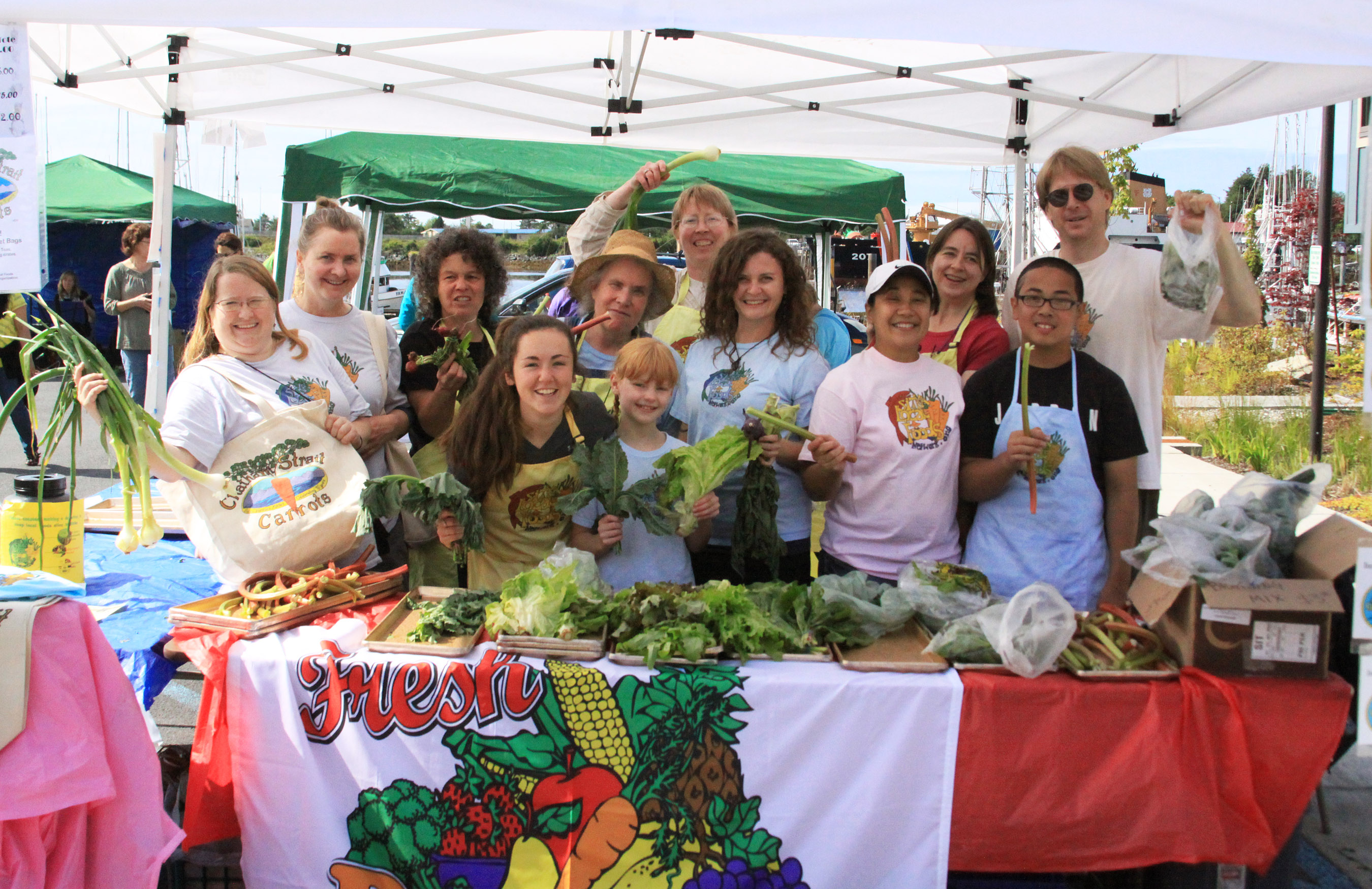
This is the seventh year of operation for the Sitka Farmers Market, which features six markets from 10 a.m. to 1 p.m. every other Saturday from June through September at the Alaska Native Brotherhood Founders Hall (this year’s tentative dates are June 28, July 12, 26, Aug. 9, 23, and Sept. 6). SLFNGroupwLindaThe farmers markets feature booths from local farmers/gardeners, local fishermen, and artisans and craftspeople. These events are great Sitka gathering places, and we promote local foods and other local goods at them.

A detailed description of the market manager duties can be found at the link below. For more information or to submit applications, contact Maybelle Filler at 738-1982 or mocampo25@hotmail.com, or you can email the Sitka Local Foods Network Board of Directors at sitkalocalfoodsnetwork@gmail.com. Applications (a cover letter, resume, and contact information for three recommendations) are due by 5 p.m. on Tuesday, March 18. The market manager of the Sitka Farmers Market reports to the Sitka Local Foods Network Board of Directors.

• Description of duties for market manager of the Sitka Farmers Market Manager (2014)

• Sitka Maritime Heritage Society annual meeting features stories of harvesting and sharing foods from our local waters and shores

annual meet 2014 web

Local food will be the focus when the Sitka Maritime Heritage Society holds its annual meeting on Tuesday, Feb. 25, at the Sheet’ká Kwáan Naa Kahídi. The meeting’s program topic is Harvesting and Sharing Foods from our Waters and Shores: Stories of Sitka’s Oldest Family Tradition. There will be mingling and refreshments starting at 6:30 p.m., with the program running from 7-9 p.m.

The meeting’s format, as in past years, is to have a panel of individuals with stories and experiences to share about the topic. In the second half of the program, the floor will be opened up to stories from the audience. The panel host and moderator will be longtime troller Eric Jordan.

According to the Sitka Maritime Heritage Society’s website:

Being able to get our food for our families from the ocean and shores is a big reason for living here. In fact, for many of us, it’s a big reason to live, period: the collective effort with friends and family, teaching and learning, the satisfaction of a productive day on the water (never dull!), the deep contentment of having food put up to feed our children and elders. As in past annual meetings, we are expecting a lot of laughter, and a lot of learning about our fellow Sitkans, this place we live in, family and history. Oh, and cookies.

For more information about the annual meeting, go to the group’s website, send email to sitkamaritime@gmail.com, or contact new executive director Carole Gibb at 747-3448.


• Sitka Local Foods Network seeks manager and assistant manager for 2014 Sitka Farmers Markets

SitkaFarmersMarketSignThe Sitka Local Foods Network is looking for a manager and assistant manager to coordinate the 2014 Sitka Farmers Markets this summer. These are contract positions, and the manager and assistant manager (who reports to the manager) receive small compensation depending on experience for their work organizing the six scheduled farmers markets this summer.

This is the seventh year of operation for the Sitka Farmers Market, which features six markets from 10 a.m. to 1 p.m. every other Saturday from June through September at the Alaska Native Brotherhood Founders Hall (this year’s tentative dates are June 28, July 12, 26, Aug. 9, 23, and Sept. 6). SLFNGroupwLindaThe farmers markets feature booths from local farmers/gardeners, local fishermen, and artisans and craftspeople. These events are great Sitka gathering places, and we promote local foods and other local goods at them.

A detailed description of the market manager duties can be found at the link below. For more information or to submit applications, contact Maybelle Filler at 738-1982 or mocampo25@hotmail.com, or you can email the Sitka Local Foods Network Board of Directors at sitkalocalfoodsnetwork@gmail.com. Applications (cover letter, resume, three recommendations) are due by 5 p.m. on Friday, Feb. 28. The market manager of the Sitka Farmers Market reports to the Sitka Local Foods Network Board of Directors.

• Description of duties for market manager of the Sitka Farmers Market Manager (2014)

• Sitka School District touts more state investment into local foods for school lunch programs

SCSCohoPortionsForCooking

During its Feb. 4 meeting, the Sitka School Board put its weight behind an effort to increase funding for locally sourced food in schools across the state.

In a resolution to the legislature, the board cited the success of Sitka’s Fish to Schools program as justification for extending a similar statewide program beyond one year. Nutritional Alaskan Food for Schools (NAFS) was introduced by Rep. Bill Stoltze (R-Anchorage) in 2012, and piloted last year. This year the governor has included funding of $3 million dollars for the program — but only for one year. All schools in Alaska will receive funding from the program, based on student population. The Sitka School District and state-run Mount Edgecumbe High School received $39,000 from the program last year, which mostly went for seafood purchases (Mount Edgecumbe did buy some potatoes from Gustavus, and Pacific High School bought some vegetables from St. Peter’s Fellowship Farm).

In late January, Tracy Gagnon, who coordinates the Fish to Schools program for the Sitka Conservation Society, submitted the following letter to the editor to the Daily Sitka Sentinel outlining the reasons to support the program.

Nutritional Alaskan Foods for Schools

Dear Editor,

Sitka is one of the first communities in Alaska to push for local foods in schools through the Fish to Schools program; now it’s time to go state-wide. The Governor has included in his FY15 budget state funding to reimburse school districts for their purchases of Alaskan grown or caught foods through the Nutritional Alaskan Foods for Schools program (NAFS). This makes it possible for schools to serve local, nutritious foods to their students, sourcing from farmers, fishermen, and processors in or around their communities. NAFS improves Alaska’s food security and helps us create a more sustainable local food system.

Representative Stoltze proposed NAFS in 2011, and more than 100 vendors and 48 school districts benefited from this legislation in the 2012-2013 school year. Nearly 90 percent of those 48 school districts purchased local seafood.

Every year food producers and school food service providers wait anxiously every spring for NAFS to pass. And usually it’s too late for farmers to meet the extra demand because they’ve already planted their crops and food service has already purchased other foods. Making this funding permanent would provide both food service and food producers the consistency necessary for advanced planning and coordination of harvest to ensure supply meets demand.

The Sitka Conservation Society thanks both the leadership of Representative Stoltze and Governor Parnell for including NAFS in his proposed budget. We urge Alaska Legislators to support the permanent funding of a program that increases Alaska’s food security, catalyzes Alaska’s food production, supports local communities, and improves the health of our students.

Tracy Gagnon
Community Sustainability Organizer
Sitka Conservation Society

• Former Sitka resident Nic Mink publishes book, ‘Salmon: A Glocal History,’ highlighting salmon in Sitka and the world

NicolaasMinkWithBookOnSalmon

Former Sitka resident Nicolaas “Nic” Mink — now the Urban Sustainable Foods Fellow at Butler University, Indianapolis — recently published the book Salmon: A Global History that highlights salmon in Sitka, Alaska, and the world.

The book is published by Reaktion Books, LTD, as part of The Edible Series, which features books about different types of food from around the world. The small hardback book is 127 pages with 49 illustrations (30 in color), recipes, bibliography, and index. It costs $18 in the United States ($9.99 on Kindle).

Nic used to lead the now-defunct Sitka Salmon Tours, which took visitors on a walking tour around Sitka to show them the different stages of salmon growth and processing, during the two-plus years he lived in Sitka and worked with the Sitka Conservation Society. He said many of the scripts he developed for the tours were incorporated into the book, which isn’t much longer than a traditional academic paper. Now that he lives in Indiana, Nic still has connections to Sitka’s salmon through a company he started called Sitka Salmon Shares, which markets sustainably caught salmon, halibut, sablefish (black cod), and other fish from Sitka and Juneau to residents of the Midwest United States.

While exploring the state of salmon throughout the world, Nic said he centered a lot of the book on Sitka’s salmon because of its place in the history of the fish. In addition to looking at the natural history of salmon eating, the book also examines cured, canned, and fresh salmon, plus the future of edible salmon. He writes about the role of salmon with Alaska Native cultures, how Alaska’s salmon industry was impacted when a British boy died from botulism after eating canned salmon from Ketchikan in the 1980s, the differences between wild Alaska salmon and farmed salmon, and more.

The book’s description, from the book jacket:

The story of salmon takes readers on a culinary journey from the coast of Alaska to the rivers of Scotland, tracing salmon’s history from the earliest known records to the present. He tells the story of how the salmon was transformed from an abundant fish found seasonally along coastal regions to a mass-produced canned food  and a highly prized culinary delight.

Rich in omega-3 fatty acids, cheap, and widely available, salmon is often listed as an essential part of any diet. A delicious and versatile fish, it can be used to make sashimi, cold smoked for lox, or shaped into a fishcake as an alternative to hamburgers. But while salmon is enjoyed all over the globe, it also swims at the center of controversy, with commercial fishing, global warming, and loss of freshwater habitats all threatening salmon populations and the ecological and health impacts of intense salmon farming under fire.

• Pacific High School wins recognition in 2013 Alaska Farm to School Challenge

Pacific High School student chefs (from left) Allana Carlos, Walter Borbridge, and Justin Tucker

Pacific High School student chefs (from left) Allana Carlos, Walter Borbridge, and Justin Tucker

Pacific High School of Sitka is an Alaska Farm to School Challenge prize-winner after serving a local lunch this October. The meal highlighted coho salmon sourced through the Sitka Conservation Society’s Fish to Schools program along with Sitka-grown produce and biscuits made from Alaska-grown barley flour.

In celebration of National Farm to School Month this October, the Alaska Division of Agriculture presented the 2013 Alaska Farm to School Challenge. The challenge encouraged schools and community members to highlight projects and activities that bring foods produced or grown in Alaska into schools. These projects underlined a broader goal of promoting the benefits of increasing procurement of Alaskan foods for use in schools.

Pacific High School’s cooking class prepared the meal for students, staff and visitors on Oct. 24. The class is part of the alternative high school’s Healthy Lunch, Healthy Lives program, which provides students with the tools and knowledge to incorporate wellness into their everyday lives through culinary arts, nutrition, and gardening education.

For more information on this program or Pacific High School’s efforts to increase sourcing of local products, contact Sarah Ferrency at ferrencys@sitkaschools.org.

• Alaskans Own to host fish sale on Monday, Nov. 4, in Sitka

AO_LogoDo you need to stock up your freezer with locally caught fish for the winter? Alaskans Own Seafood of Sitka will host a fish sale from 3-6 p.m. on Monday, Nov. 4, at the Mill Building (next to the Sitka Sound Science Center).

The sale will feature several types of frozen fish commonly sold at the Alaskans Own Seafood booth at the Sitka Farmers Market or found in the monthly community-supported fisheries subscription boxes — king (chinook) salmon, silver (coho) salmon, halibut, and rockfish. In addition, spot prawns will be available at this sale.

To learn more, contact Erin Fulton at 747-3477 or email her at efulton@thealaskatrust.org.