• Sitka Seafood Festival steering committee to meet on Thursday, May 6

The next meeting of the Sitka Seafood Festival steering committee takes place at 7:30 p.m. on Thursday, May 6, at Harrigan Centennial Hall (Editor’s note: The meeting has been changed to 7 p.m. on Thursday, May 6, at the Sitka Fire Station). Six smaller committees are supposed to hold meetings before the steering committee meets again.

During the April 17 steering committee meeting, the discussion included an update on the group’s fundraising raffle that takes place at noon on Sunday, May 9, at the Bayview Restaurant. Raffle tickets were distributed to committee members, who will sell them for $5 each. The tickets also will be available at several locations that will be announced later this week. The prizes include a Specialized Hardrock Sport Disc mountain bike worth $550 from Yellow Jersey Cycle Shop, $125 worth of king salmon from F/V Cloud Nine (Betsy and Moe Johnson) and 11 “Taste of Sitka” prizes of restaurant gift certificates with a variety of price values that will be awarded individually. For more raffle info or to purchase tickets, contact Linda Olson at 747-6985.

The steering committee also discussed the need to visit more businesses for donations or sponsorships. Committee members are trying to get the donations/sponsorships confirmed by May 9 so the businesses can be acknowledged in Sitka Seafood Festival promotions leading up to the festival. Donations will be accepted after the May 9 deadline, but they may not receive as much recognition. There are several tiers based on the level of the donation/sponsorship. Donation/sponsorship checks need to be written to the “Sitka Conservation Society” with a memo of “Sitka Seafood Festival” or “SCS/SSF” (the Sitka Conservation Society is letting the festival share the society’s 501(c)(3) non-profit permit until the festival can get its own permit).

Committee members also discussed the tentative schedule, which includes on Friday, Aug. 6, a formal opening banquet dinner with a guest chef and live music following the dinner. On Saturday, Aug. 7, the tentative schedule includes a parade, vendors (including food and a beer garden), educational booths, entertainment booths, a stage with live acts (bands, cooking demonstrations, NANDA, etc.), a variety of contests for the kids, a “Taste of Sitka” with local chefs, and the headliner band and dance at night.

So far, the committee has booked “NANDA: Acrobaticalist Ninja Action Heroes,” a four-man juggling, acrobatic, martial arts and comedy troupe (see clip below). The committee hopes to confirm a headline music act and guest chef in the near future.

To learn more about the Sitka Seafood Festival or to volunteer to help on one of the committees, e-mail sitkaseafoodfestival@gmail.com. You also can contact Alicia Peavey at alaska_al33@hotmail.com or 1-928-607-4845. The Sitka Seafood Festival also has a new website under development, and eventually updates will be posted on the site.

Tentative schedule for the 2010 Sitka Seafood Festival (Aug. 6-7)

Sitka Seafood Festival business donation assignments (who asks) (updated)

Advertising Committee and tasks
Beverage Committee and tasks

Culinary Committee and tasks

Education Committee and tasks

Entertainment Committee and tasks

Fundraising Committee and tasks

• Sitka Seafood Festival steering committee to meet on Saturday, April 17

The next meeting of the Sitka Seafood Festival steering committee is 10 a.m. on Saturday, April 17, at Harrigan Centennial Hall.

During the April 10 meeting, the committee voted Lily Herwald in as secretary and Phyllis Hackett as bookkeeper. The committee also decided to book “NANDA: Acrobaticalist Ninja Action Heroes,” a four-man juggling, acrobatic, martial arts and comedy troupe that is performing at the Southeast Alaska State Fair on July 29-Aug. 1 in Haines, the weekend before the Sitka Seafood Festival (Aug. 6-7). A headline music group also is being booked.

Committee members will be canvassing local businesses for donations to cover the costs of hosting the inaugural Sitka Seafood Festival, and the deadline for donations is May 9 (Mother’s Day). A donation/sponsorship letter has been approved and committee members soon will distribute it to local businesses. Donations will be accepted after May 9, but that’s the deadline to be included in the event promotional materials, which uses a tier system based on the amount of the donation. Donation/sponsorship checks need to be written to the “Sitka Conservation Society” with a memo of “Sitka Seafood Festival” or “SCS/SSF” (the Sitka Conservation Society is letting us share their 501(c)(3) permit until we can get our own next year).

Also, committee members are seeking prizes for a raffle and raffle prize commitments are needed by Wednesday, April 14, to either Alicia Peavey (alaska_al33@hotmail.com or 1-928-607-4845) or Linda Olson (747-6985 or Baranof Elementary School). The raffle will feature 800 tickets at $5 each, with the drawing to take place on May 9 (Mother’s Day). Donations of merchandise, including locally caught seafood or gourmet meals of Sitka seafood, are greatly appreciated.

During the April 5 meeting, the steering committee decided to hold the inaugural Sitka Seafood Festival on Friday and Saturday, Aug. 6-7. The tentative plan is to have an opening dinner on Friday night with a guest chef and the possibility of live music. The main events will be on Saturday, with vendors set up all day, contests, a parade, cooking demos, music and educational activities. The headliner music guest will play a concert/dance on Saturday night.

To learn more about the Sitka Seafood Festival or to volunteer to help on one of the committees, e-mail sitkaseafoodfestival@gmail.com. You also can contact Alicia Peavey at alaska_al33@hotmail.com or 1-928-607-4845.

Sitka Seafood Festival minutes from the April 10, 2010, meeting

Sitka Seafood Festival committee breakdown and job tasks (updated)

Sitka Seafood Festival business donation assignments (who asks) (updated)

• Sitka subsistence herring egg harvest in progress

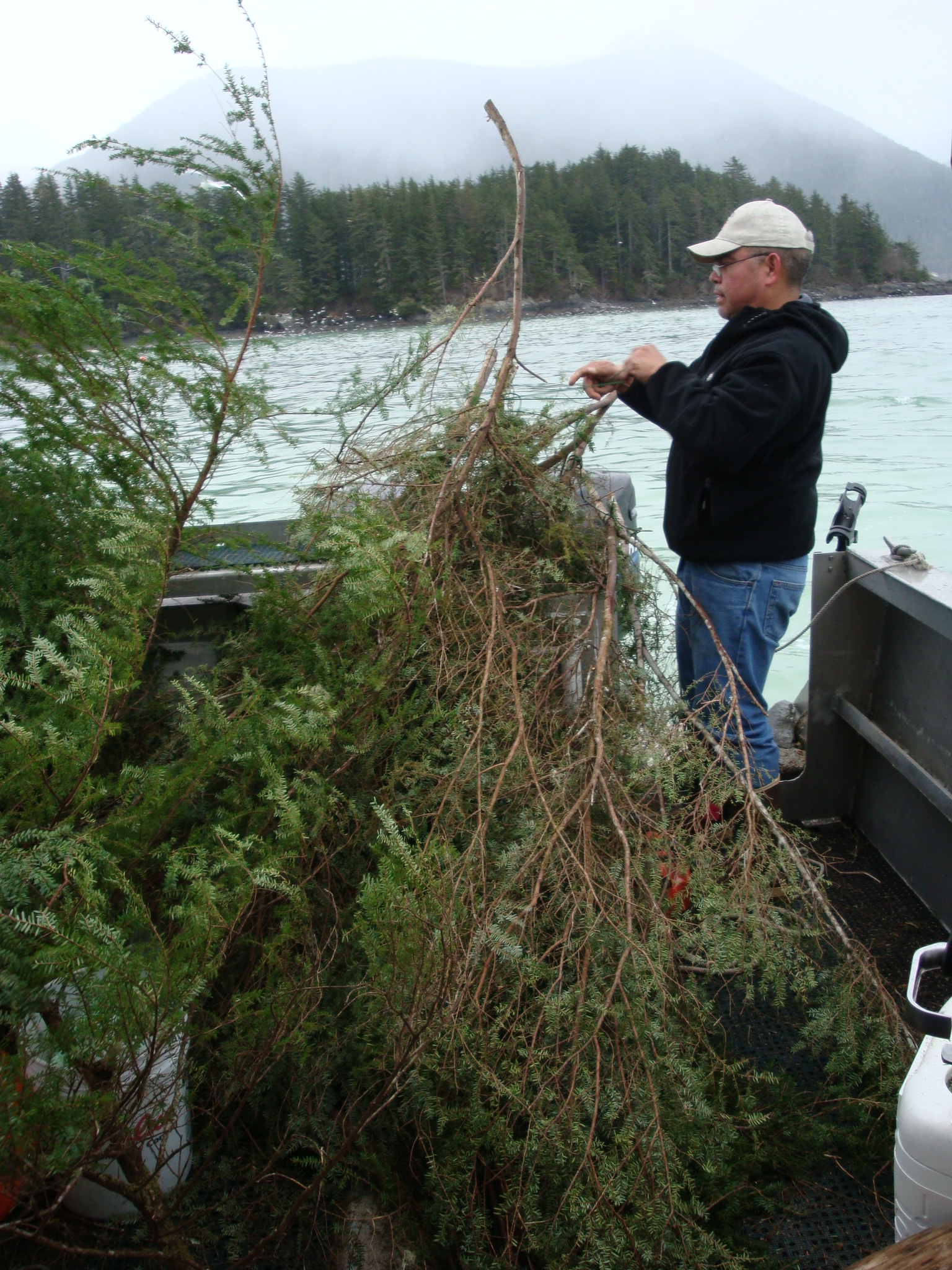
Michael Baines prepares hemlock trees and branches before they are placed in the water to catch herring spawn (Photo taken by Ed Ronco of KCAW-Raven Radio)

Michael Baines prepares hemlock trees and branches before they are placed in the water to catch herring spawn (Photo taken by Ed Ronco of KCAW-Raven Radio)

If it’s snowing in April, it probably means it’s time for the subsistence herring egg harvest in Sitka. This is one of the most important signs of spring in Sitka, especially for the Tlingít, Haida and Tsimshian people who lived in Southeast Alaska long before the first Europeans showed up.

On the KCAW-Raven Radio news Tuesday, KCAW reporter Ed Ronco reported on a trip he took with Sitka Tribe of Alaska Vice Chairman Michael Baines and his sister, Betty Baines, to place hemlock trees and branches into Sitka Sound, near Kasiana Island, to collect the herring spawn. The story link includes an audio postcard, where Michael Baines discusses the herring roe’s importance to the Native culture, and a few photos of the hemlock branches and trees being prepared. The herring eggs will collect on the branches, which will be pulled from the water a few days later, hopefully with a thick mass of roe. (Editor’s note: On Friday there was a follow-up story featuring the fishing vessel Julia Kae, skippered by Steve Demmert, which has been distributing herring eggs to local residents of Sitka and surrounding communities.)

The herring harvest is an amazing time in Sitka, because it seems like every species comes to town for the herring. There are more whales, eagles, sea gulls, sea lions, etc., around town, and even halibut and salmon are looking for meals of herring eggs. Pauline Duncan produced this Tlingít curriculum about herring geared toward younger students for the Alaska Native Knowledge Network. The blog Kiksadi News by Heen Kweix’ (Bob Gamble) tells how subsistence herring eggs are harvested and prepared (scroll down to the second item).

There also is a large commercial harvest of herring just before the subsistence herring roe harvest. The commercial harvest this year had a record guideline harvest of 18,293 tons, and finished just 550 tons short of that goal. The growing commercial harvest has put a lot of pressure on the relatively small subsistence harvest, in 2005 only 72,000 pounds (not tons) were taken out of a target range of 105,000 to 158,000 pounds. Sitka Tribe of Alaska regularly submits proposals to the Alaska Department of Fish and Game (which manages both the commercial and subsistence fisheries) to increase the subsistence harvest, but the proposals have not been passed. The subsistence herring eggs are used not just in Sitka, but all over the state and they are a popular trading subsistence food (for example, a Tlingít in Sitka might swap herring eggs with an Iñupiat for caribou meat from the Kotzebue area, since caribou is an item not found in Southeast Alaska).

• Sitka Seafood Festival steering committee to meet on Saturday, April 10

Sockeye salmon hang in a smoker in preparation for the 2009 ANSWER Camp program

Sockeye salmon hang in a smoker in preparation for the 2009 ANSWER Camp program

The next meeting of the Sitka Seafood Festival steering committee is 11 a.m. on Saturday, April 10, at the Bayview Wine Bar (on the second floor of the Bayview Building on Lincoln Street).

During the April 5 meeting, the steering committee decided to hold the inaugural Sitka Seafood Festival on Friday and Saturday, Aug. 6-7. The tentative plan is to have an opening dinner on Friday night with a guest chef and the possibility of live music. The main events will be on Saturday, with vendors set up all day, contests, a parade, cooking demos, music and educational activities. The headliner music guest will play a concert/dance on Saturday night.

To learn more about the Sitka Seafood Festival or to volunteer to help on one of the committees, e-mail sitkaseafoodfestival@gmail.com. You also can contact Alicia Peavey at alaska_al33@hotmail.com or 1-928-607-4845.

Sitka Seafood Festival committee breakdown and job tasks

Final draft of Sitka Seafood Festival donation letter

Sitka Seafood Festival business donation assignments (who asks)

• Sitka Seafood Festival steering committee meets tonight (April 5)

Grillmaster Rick DeGroot checks salmon fillets barbecuing for a 2007 prostate cancer awareness event in Sitka

Grillmaster Rick DeGroot checks salmon fillets barbecuing for a 2007 prostate cancer awareness event in Sitka

The Sitka Seafood Festival steering committee will meet at 7:30 p.m. tonight (Monday, April 5) at Harrigan Centennial Hall. The meeting times have been moving around in recent weeks as they try to find a time that can get local restaurant people involved.

Tonight’s meeting will finalize a sponsorship letter for fundraising, discuss a raffle fundraiser, discuss work committees and duties, discuss budget for music and possible guest chefs, etc.

At the last meeting on April 1, the group finalized the mission statement, “The Sitka Seafood Festival’s mission is to celebrate wild Alaska seafood.” The steering committee also decided that this year’s inaugural event will focus on culinary experience, entertainment (music) and education.

To learn more about the Sitka Seafood Festival or to volunteer to help on one of the committees, e-mail sitkaseafoodfestival@gmail.com. You also can contact Alicia Peavey at alaska_al33@hotmail.com or 1-928-607-4845.

Sitka Seafood Festival committee breakdown

Sitka Seafood Festival tasks

Rough draft of Sitka Seafood Festival donation letter

Sitka Seafood Festival business donation assignments (who asks)

• Group to meet about organizing a Sitka Seafood Festival this summer

Black cod (aka sablefish) on the grill from the Alaska Longline Fisherman's Association booth at the Sitka Farmers Market

Black cod (aka sablefish) on the grill from the Alaska Longline Fisherman's Association booth at the Sitka Farmers Market

A group in Sitka will meet at 6 p.m. tonight, Wednesday, March 24, at the Sitka Economic Development Association’s conference room (second floor of the Troutte Center building on Lincoln Street, the Sitka Chamber of Commerce office above Seasons card store) to plan the inaugural Sitka Seafood Festival.

The group first met on Saturday afternoon, March 20, to brainstorm ideas for the event. The group discussed the event’s mission, name, slogan location, music, the scope of the event (just salmon or multi species, very local or grander scale, etc.), committees, funding, event partners and other organizational aspects. Suggestions from the first meeting included having local and/or regional chefs provide cooking demonstrations, honoring the life cycle of the salmon (or featured species of the year), etc. The tentative dates for the first Sitka Seafood Festival are Aug. 6-8, 2010.

If you have any questions about the Sitka Seafood Festival, contact Alicia Peavey at alaska_al33@yahoo.com. (Editor’s note: The next Sitka Seafood Festival steering committee meeting will be at 6 p.m. on Thursday, April 1, at the Sitka Economic Development Association office in the Troutte Center building on Lincoln Street.)

Sitka Seafood Festival steering committee meeting notes from March 20, 2010

Sitka Seafood Festival steering committee meeting agenda, March 24, 2010

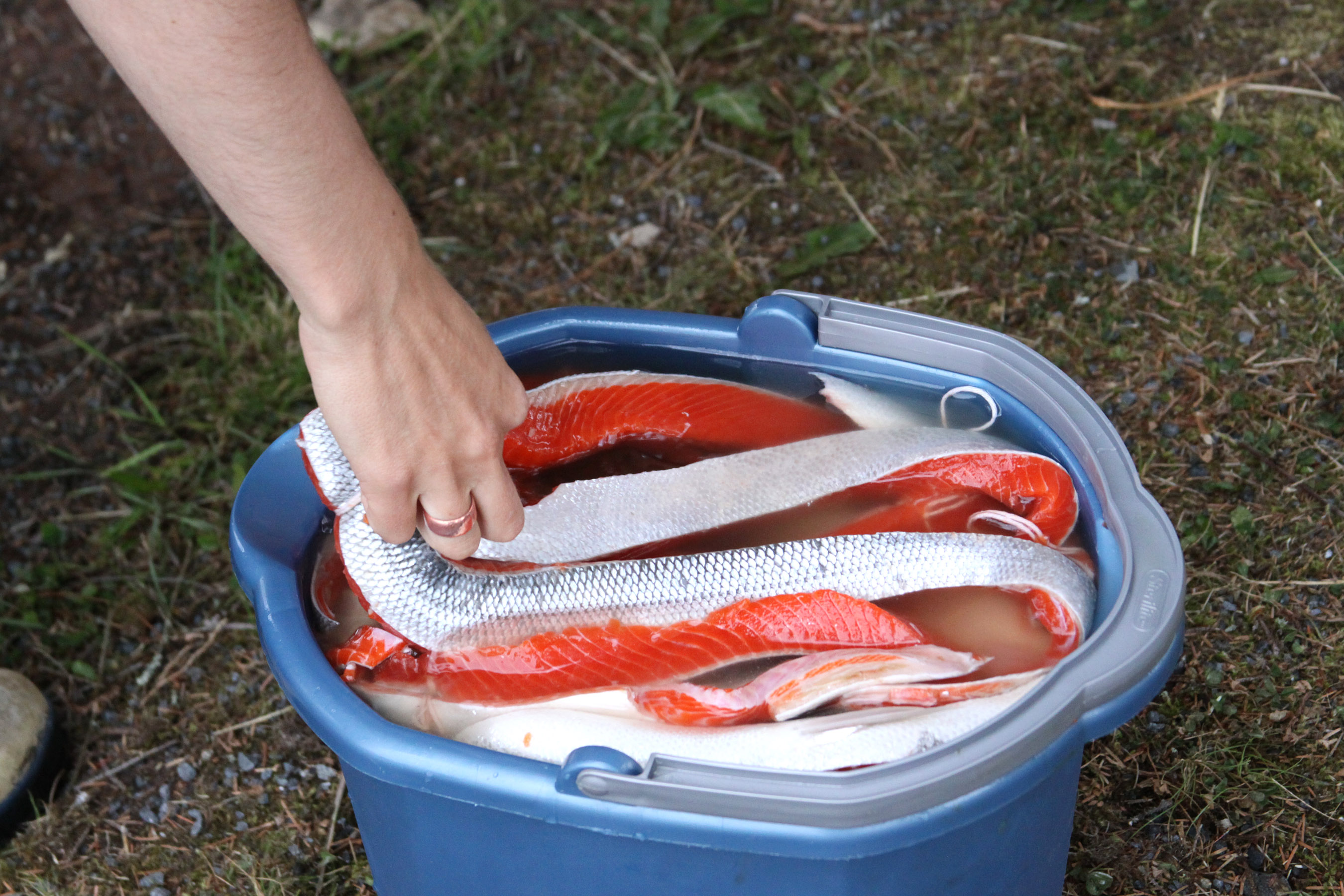
Chohla Moll grabs some sockeye salmon out of the brine mixture so she can hang it in the smoker.

• ‘Let’s Grow Sitka!’ garden show takes place Sunday, March 14

All gardeners and would-be gardeners are encouraged to attend the second annual “Let’s Grow Sitka!” educational and social event for Sitka gardeners. Let’s Grow Sitka! takes place from noon until 3 p.m. on Sunday, March 14, at the Alaska Native Brotherhood Hall on Katlian Street.

Learn about home greenhouses, how to prepare your soil, and what to do with all those slugs. Buy seeds and plant starts. Swap ideas and tips. Come learn, share, and get ready to grow your garden. Learn about plans for the Sitka Farmers Markets this summer. Let’s Grow Sitka is organized by the Sitka Local Foods Network and is part of the 10-day Arti Gras Sitka Music and Arts Festival, which takes place March 5-14.

Master gardeners are encouraged to sign up to share their personal experience on how to create a successful garden in Sitka. Also, anyone with a garden-related product or service to sell is invited to participate. Some of the expected booths are from the University of Alaska Cooperative Extension Service, St. Peter’s Fellowship Farm, Garden Ventures, Solexx Greenhouses, Harry Race, Down To Earth U-Pick Garden, Sitka Global Warming Group (garden-matching program) and many others.

There still are a few FREE tables available for vendors, education and demonstrations. For more information or to reserve table space, contact Linda Wilson in the evenings at 747-3096.

Doug Osborne answers questions at the Sitka Farmers Market table during the 2009 Let's Grow Sitka garden show

Doug Osborne answers questions at the Sitka Farmers Market table during the 2009 Let's Grow Sitka garden show

Sitka residents wander the booths during the 2009 Let's Grow Sitka garden show

Sitka residents wander the booths during the 2009 Let's Grow Sitka garden show

Mike and Robin run the White's Inc./Harry Race table during the 2009 Let's Grow Sitka garden show

Mike and Robin run the White's Inc./Harry Race table during the 2009 Let's Grow Sitka garden show

• New Sitka Local Foods Network events calendar added to site

We now have an events calendar. This link goes to a calendar for Sitka Local Foods Network and other related events in the Sitka area. You will be able to find the link under “Pages” in the right column.

This calendar will feature events such as Sitka Local Foods Network board meetings, Sitka Farmers Markets, Let’s Grow Sitka, work parties for St. Peter’s Fellowship Farm and other events sponsored by the Sitka Local Foods Network. It also will feature community events related our mission, such as UAF Cooperative Extension Service classes, Sitka Gardeners Club meetings, traditional foods classes, etc.

If you have any events you feel should be included on this calendar, please e-mail the details to charles(at)sitkalocalfoodsnetwork.org — replace the (at) with a @ symbol. Please be aware this is a work in progress, so it may take a few days to get most of our events transferred to the calendar.

• Sonja Koukel of the UAF Cooperative Extension Service writes about discovering treasures from the CES catalog

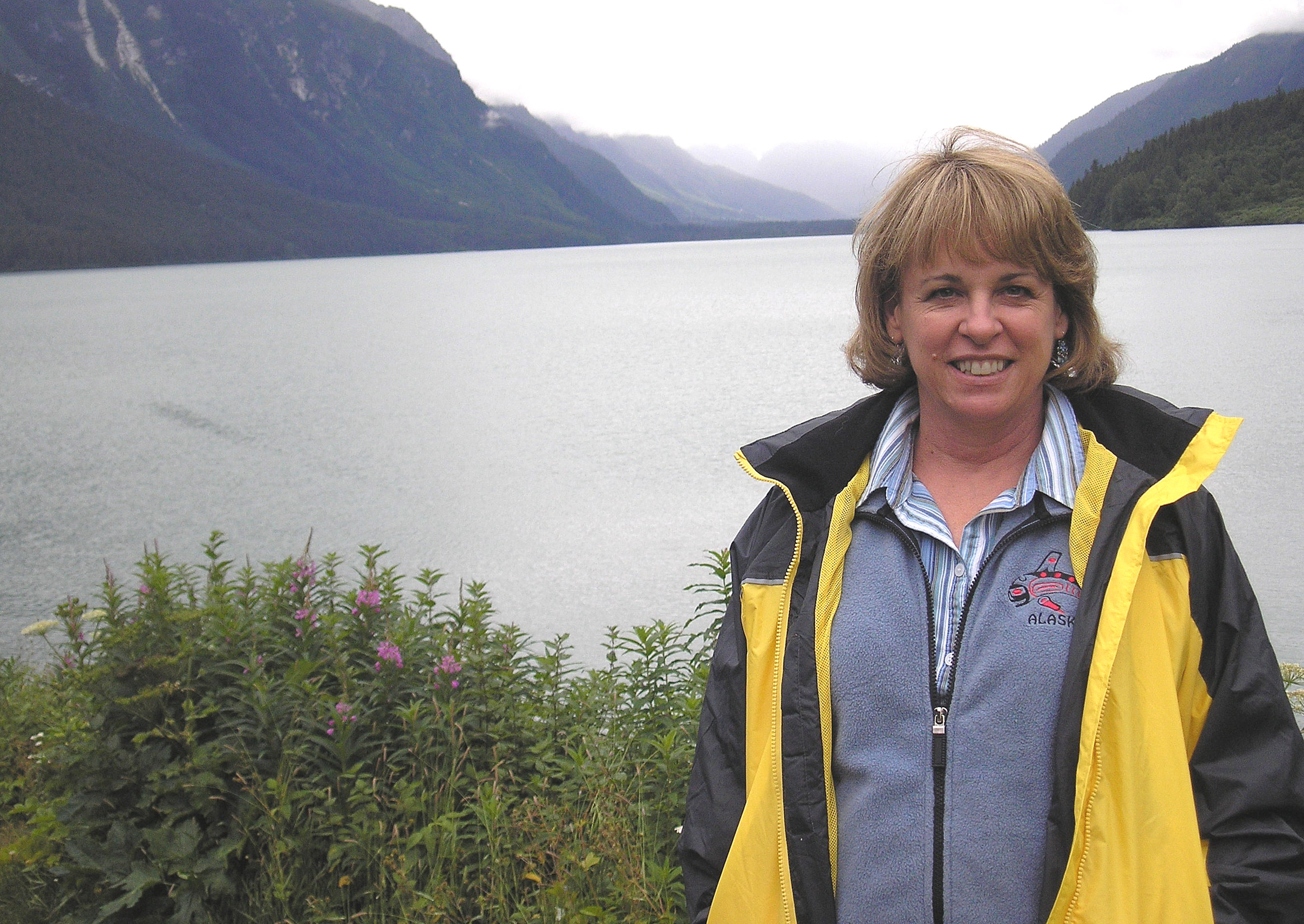
Dr. Sonja Koukel, PhD, of the UAF Cooperative Extension Service

Dr. Sonja Koukel, PhD, of the UAF Cooperative Extension Service

Discover Treasures from the UAF Cooperative Extension Service

By Dr. Sonja Koukel, PhD
Health, Home & Family Development Program
UAF Cooperative Extension Service, Juneau Office

_____

When was the last time you visited the University of Alaska Fairbanks Cooperative Extension Service (UAF CES) website? Perhaps it’s been awhile, or perhaps you’ve never taken the time to surf the site and take stock of all the treasures available in hard copy, electronic media, and on the Internet.

Every year the CES Communications Department provides a “Publications & Media” catalog listing research-based publications in the major program areas: Agriculture & Horticulture; Community Resource & Economic Development; Energy Education & Housing; and Health, Home & Family Development. Some publications are free and may be downloaded from the website. Those with a small fee can be ordered using the online form (http://www.uaf.edu/ces/pubs/), calling the toll-free number (1-877-520-5211), or contacting the local district office.

Let’s take a look at the treasure trove of information available through the Health, Home & Family Development (HHFD) program. For instance, there are a number of publications listed in the “Food, Nutrition and Health” category. Here, you will find information on storing vegetables and fruits, freezing vegetables, making fruit leather, making jerky, facts on botulism, and a variety of recipes including sourdough, rhubarb, zucchini, and wild berries. Several vegetable fact sheets provide nutrition and health guidelines (such as vitamin, mineral, and fiber content), harvesting, storage, and preparation with sample recipes included. Selected vegetables include beets, broccoli, cabbage, carrots, potatoes, squash, herbs, and chard. Bonus — all these fact sheets are free!

In my view, the most exciting new developments are the educational modules made possible through a USDA grant. Titled, “Preserving Alaska’s Bounty,” the web-based modules and DVDs were created and developed as a team effort involving HHFD faculty, program assistants, and the communications staff. The series focuses on home preservation of Alaska Native foods. Client feedback on the media, gathered from an online satisfaction survey, has been very positive.

The primary purpose for developing the modules was to provide research-based information for rural communities and areas that do not have extension faculty members on-site. The web modules are developed in a sequential manner so that each step is clearly defined and explained. There are hyperlinks within the modules that link the user to additional information. Topics are grouped into three main categories: Canning Basics, Canning Products & Methods (i.e., canning fish, meat, jams/jellies), and Meat Products & Methods (i.e., sausage, jerky). These modules are free. Locate them at (http://www.uaf.edu/ces/preservingalaskasbounty/index.html)

For those who learn best by watching demonstrations, the DVDs bring the extension experts into your home. Health, Home & Family Development program area faculty from all seven Alaska districts serve as the educators. To date, seven DVDs have been released on the following topics: Canning Basics, Canning Meat and Fish in Jars, Canning Meat and Fish in Cans, Pickling, Drying Foods, Sausage and Jerky, and the just-released, Jams and Jellies. More titles will be available in the very near future, these include: Root Cellars, Fireweed, Processing Reindeer (game meats), and Harvesting Alaska Seaweeds. The DVDs are available at a nominal fee of $5.

The Alaska Native foods preservation series is the culmination of a five-year process. It is a topic that figures into all the HHFD program areas: nutrition, food budgeting, eating locally, and energy conservation. Recently, the CES HHFD team received recognition for their work, “A Multimedia Approach to Preserving Alaska’s Bounty,” from the National Extension Honorary Society of Epsilon Sigma Phi.

In the new year, take a moment to visit the UAF Cooperative Extension Service website and discover all the treasures that await you. Contact: sdkoukel@alaska.edu or 907-796-6221.

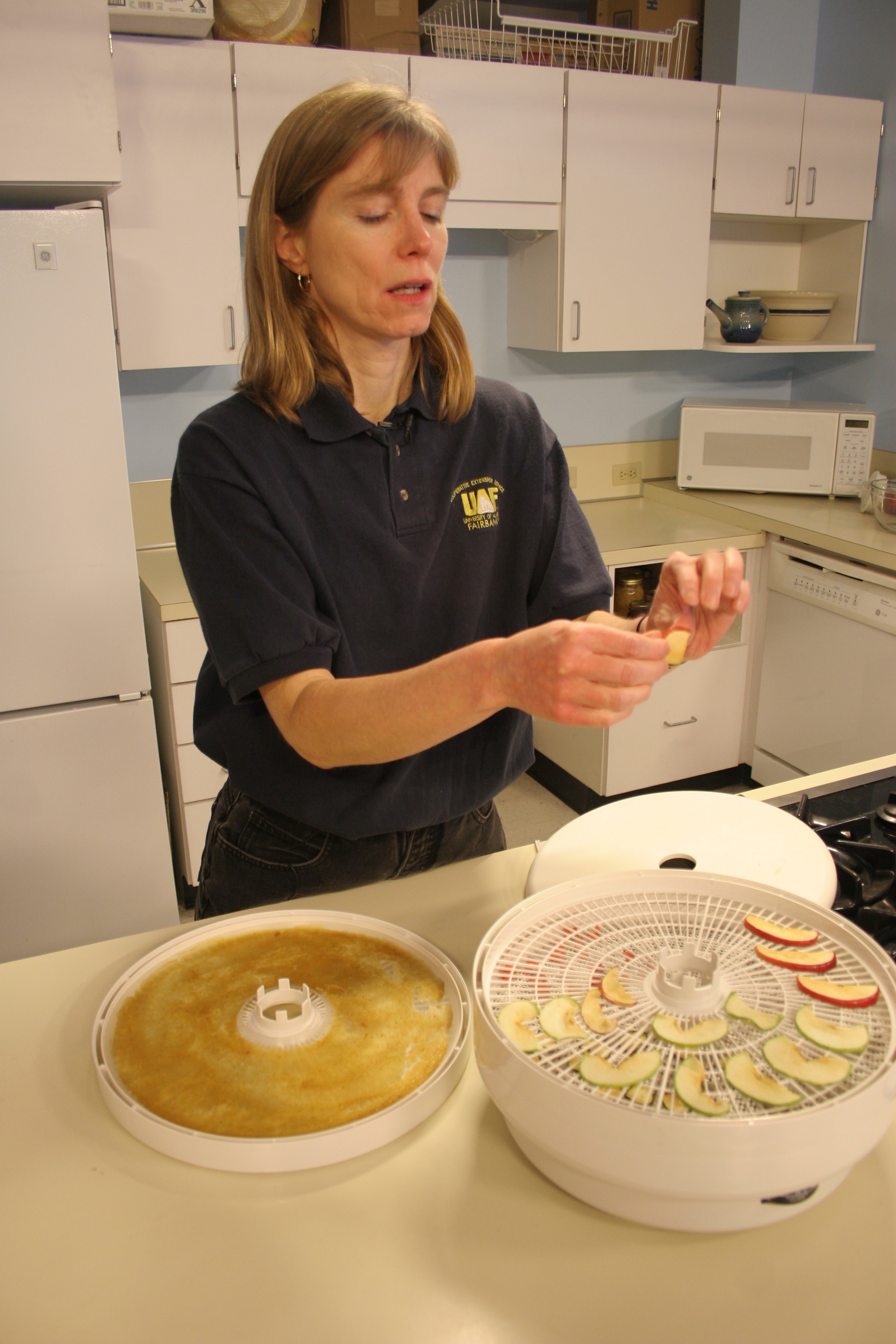
Julie Cascio of UAF Cooperative Extension Service's Health, Home and Family Development program in the Palmer/Mat-Su district demonstrates how to dry apples

Julie Cascio of UAF Cooperative Extension Service's Health, Home and Family Development program in the Palmer/Mat-Su district demonstrates how to dry apples

• Wanton waste of deer meat, a record high herring quota and other local foods stories in the news

Over the past couple of weeks, at least 10 Sitka black tail deer corpses have been found in Sitka with lots of edible meat still on the bone but the prime cuts missing. According to the Anchorage Daily News, state wildlife officials are searching for the hunters, and wanton waste charges may be coming for those involved. There were six deer found off Green Lake Road, then four deer were found near Harbor Mountain Road five days later.

The Sitka Local Foods Network encourages the responsible and sustainable harvesting of traditional subsistence foods, such as deer, but we must respect the resource and use the entire animal. Not only is leaving edible meat in the field wasteful, but the last couple of years have been down years for deer survival and the actions of these wasteful hunters may mean fewer hunting opportunities next year for hunters who need the deer to feed their families. Anyone with information about the cases is asked to call Alaska Wildlife Troopers at 747-3254 or, to remain anonymous, Wildlife Safeguard at 1-800-478-3377.

In other local foods news, the Alaska Department of Fish and Game established a record sac roe herring quota for the 2010 season, a quota of more than 18,000 tons (more than 4,000 tons higher than last year’s then-record quota). The commercial herring fleet is very happy with the higher quota, but KCAW-Raven Radio reports local subsistence gatherers worry that the record quota will harm their ability to gather herring eggs on hemlock branches, a popular subsistence and barter food for local Tlingít and Haida residents. They also worry two straight years of record quotas will hurt the resource, since herring also serves as a key forage food for salmon, halibut, whales, sea lions and other species in the region.

The Juneau Empire reported that the State of Alaska asked for an extension to reply to an inquiry on subsistence management from the federal government. The federal government took over some management of subsistence in Alaska more than a decade ago because state laws weren’t in compliance with the Alaska National Interest Lands Conservation Act (ANILCA), which calls for a rural preference on subsistence in times of shortage, and the federal government may be expanding its role in subsistence management.

The Anchorage Daily News reported on Alaska pork being ready for the freezer at A.D. Farms, and that pork will be sold at the indoor farmers market at Anchorage’s Northway Mall. The story included a wrap-up of other local foods available at the market, and it had a recipe for crock-pot cod.

Laine Welch’s Alaska fishing column was about how more local fish is appearing in school lunch menus.

The Anchorage Daily News Alaska Newsreader feature reported on several Arctic travelers getting trichinosis from eating undercooked bear meat. The National Post of Canada also had a story on travelers eating undercooked bear meat, while the New York Times had an article about how trichinosis is common in bear meat that isn’t cooked properly.

The Anchorage Daily News had an article about how Alaska’s rhubarb probably first came from Russia.

Miller-McCune magazine had an article about how Alaska’s complex salmon politics can serve as a model for sustainable fisheries elsewhere in the world.

The Alaska Public Radio Network reported on a woman from Aniak, Dee Matter, who has taken freezing her food to a new level. The story also was on APRN’s Alaska News Nightly show.

The Fairbanks Daily News-Miner had a feature article about Kotzebue hunter and trapper Ross Schafer and the “Eskimo” way of life.

The Fairbanks Daily News-Miner had an article about a conflict between farmers and hunters over the future of the Delta bison herd.

The Juneau Empire ran a story about glaciers providing an important food source.

Anchorage Daily News garden columnist Jeff Lowenfels wrote about magazine gifts for gardeners.

The Seattle Post-Intelligencer ran an Associated Press article about Monsanto’s role in the business of agriculture, especially the way it squeezes out competitors in the seed industry.

Finally, the University of Alaska Fairbanks School of Natural Resources and Agricultural Sciences blog featured an article about a new study about food security challenges in Alaska.