• ‘Flora of Southeast Alaska’ class offered by UAS Sitka Campus to be a hybrid

Salmonberries await picking near the entrance to Sitka National Historical Park

Salmonberries await picking near the entrance to Sitka National Historical Park

A new biology class by University of Alaska Southeast Sitka Campus associate professor Kitty LaBounty will itself be a “hybrid”.

klabountyThe DNA of most traditional botany classes is to gather students around a table of samples and look at them in a face-to-face classroom setting. By offering Flora of Southeast Alaska as both a local and distance class, students from anywhere can get up to speed on how to identify the common native trees, shrubs and herbs of southeast and south central Alaska. Local students can participate in the lectures on campus, while students across Alaska can see the imagery online and hear the lectures either live or via digital recording.

Flora of Southeast Alaska is a one-credit, seven-week workshop. The focus will be on identification of common species and attaining an understanding of their place in the ecosystem of Southeast Alaska. Students will discover how these plants interact with other plants and animals, and how humans use these plants for food, fuel, medicine, or simply enjoyment.

In addition to illustrated weekly lectures, there will be written exercises and “check for understanding” activities. The class is available to any student without prerequisites. It does not count as credit toward a biology major at UAS.

Professor LaBounty brings her lifelong passion as a gardener and scientist to this topic, along with more than 25 years experience working on plant identification for state, federal and non-profit agencies in Alaska.

The class will meet from 5:30-7 p.m. on Thursdays from March 5 to April 30 — with March 19th off for spring break. The cost is $187 for local students and $227 for eLearning (distance) students.

For more information, contact Kitty LaBounty at UAS Sitka Campus. 747-9432. To register, call 747-7700. or toll-free, 800-478-6653.


• Please remember those people in Sitka in need during this Thanksgiving season

SalvationArmyTunaShelf

As we approach Thanksgiving, many families are gathering their supplies for the traditional feast. But there are a lot of people in Sitka who are struggling just to put food on the table.

In Sitka, the Salvation Army serves as the USDA-designated food bank and distribution point for commodity food. Maj. Turnie Wright (who teams up with his wife, Maj. Evadne Wright to run the local Salvation Army) said there are many items the Sitka Salvation Army can use to keep up with Sitka’s growing hunger needs. He said they served 77 meals at the soup kitchen the other day. You can learn more about Sitka’s growing number of people who need food assistance in the Sitka Community Food Assessment Indicators Report released in April 2014 (note, the number of people using the Salvation Army food bank and soup kitchen already is much higher than the numbers listed in the report).

Here’s a list:

  • gloves/mittens, hats, and coats (especially kids sizes)
  • sample-size toiletry kits
  • diapers (all sizes)
  • vegetables (canned, if possible, due to limited freezer space, or fresh for the soup kitchen)
  • cereals (avoid the sugar-laden junk masquerading as cereal)
  • peanut butter
  • potted meat (spreadable, such as Libby’s)
  • Ramen noodles
  • powdered milk
  • canned meats (such as chicken, salmon, Spam, etc.)
  • pork and beans
  • soups
  • spaghetti and other pasta
  • spaghetti sauce
  • fish (any type, frozen is preferred for the soup kitchen and canned for the food bank)
  • wild game (for the soup kitchen)
  • six-packs of Ocean Spray or other juices
  • bottled water/tea
  • raisins (preferably in the snack boxes)

Maj. Turnie Wright said the Salvation Army can break down bulk sizes of different foods for the food bank. He also said they accept grocery gift cards from the local stores and Costco. In addition, they can work with people who are taking their vehicles to Juneau on the ferry and have room to bring stuff back from the Southeast Food Bank or Costco (this helps Salvation Army avoid freight charges). Finally, when you design your garden this year, don’t forget to Plant A Row For The Hungry.

The Salvation Army is one of several food assistance programs in Sitka, with others being centered around local churches, the Sitka Tribe of Alaska, and Sitkans Against Family Violence. The Salvation Army will assist the Sitka Tlingít and Haida Community, Sitka Tribe of Alaska, and the Alaska Native Brotherhood/Alaska Native Sisterhood to host the annual community Thanksgiving dinner on Thursday, Nov. 27, at ANB Founders Hall. Doors open at 1 p.m., and food will start being served at 2 p.m. until it runs out (probably about 4 p.m.). Volunteers are needed, and donations of side dishes and desserts are appreciated (call Rachel Moreno at 738-6595 for details on the dinner).

For more information about how to help with the Salvation Army food bank and soup kitchen, contact Maj. Turnie Wright at 738-5854.

• ‘Building Food Security in Alaska’ report released during Alaska Food Festival and Conference

14-09-17_building-food-security-in-ak_exec-summary-recommendations_Page_01

The release of a new report, “Building Food Security in Alaska,” was one of the highlights of the recent Alaska Food Festival and Conference (Nov. 7-9 at the University of Alaska Lucy Anchorage Cuddy Center). This is one of the first comprehensive statewide food security reports compiled for Alaska.

The report was written by Ken Meter and Megan Phillips Goldenberg of the Crossroads Resource Center in Minneapolis, which has done six in-depth statewide food assessments over the past five years and 14 statewide food assessments overall. The report was commissioned by the Alaska Department of Health and Social Services, with collaboration from the Alaska Food Policy Council.

The Crossroads Resource Center website provides this summary of the report:

Like most other states, Alaska imports about 95 percent of the food it purchases. Yet this state is more distant from prevailing food production regions than other states. Alaskans feel a special sense of vulnerability. Despite a rich history in dairy and cattle production, most of these foods are now imported. Much of the arable farmland has been paved over by development. Moreover, Alaskans who wish to purchase some of the $3 billion of seafood harvested from its ocean waters typically have no choice but to buy through Seattle vendors.

Still, farms produce a rich variety of crops and livestock. Direct sales from farmers to household consumers run at 13 times the national average, amounting to one of every six dollars farmers earn selling food to humans. Lettuce, peppers, and cucumbers are available year-round from indoor farms. Chickens are grown inside greenhouses that rely upon surplus heat from nearby buildings.

In no other state is harvesting wild foods as important. Subsistence and personal use hunters bring in an estimated $900 million worth of salmon, caribou, moose, foraged greens and berries, and other foods. Yet even here, hunters and gatherers face special challenges: a decline of hunting skills, weakening ice, changing migrations, and radioactive fallout.

Our study, written by Ken Meter and Megan Phillips Goldenberg, offers practical steps for building a more reliable food supply by growing, storing, and marketing more Alaska-grown food to Alaskans. Commissioned by the Alaska Department of Health and Social Services.

Copies of the full 180-page report and a shorter executive summary and recommendations are linked below. In addition, most of the presentations and panel discussions from the Alaska Food Festival and Conference can be found here. This link includes a keynote presentation by Sitka Local Foods Network Board President Lisa Sadleir-Hart about the experience of compiling the Sitka Community Food Assessment, plus Sitka residents Keith Nyitray of the Sitka Food Co-op and Gordon Blue of the Alaska Sustainable Fisheries Trust participated in panel discussions about food cooperatives and community-based fisheries, respectively.

In addition, earlier this year two locally focussed food assessments were released. Copies of the Sitka Community Food Assessment Indicators Report (released in April 2014) and the Southeast Alaska Food System Assessment (released in February 2014) can be found in the Documents section of our website.

• Building Food Security in Alaska, Executive Summary and Recommendations, by Ken Meter and Megan Phillips Goldenberg (released November 2014)

• Building Food Security in Alaska, by Ken Meter and Megan Phillips Goldenberg (released November 2014)

• Sitka Local Foods Network board thanks everyone for their Pick.Click.Give. donations

Lovalaska FB Square PhotoGrid Tag (1)

Today (Thursday, Oct. 2) Alaskans began receiving their Alaska Permanent Fund Dividend checks, which are $1,884 this year. Recently, many Alaskans have chosen to share that wealth with state and local nonprofits through the Pick.Click.Give. program.

Your Sitka Local Foods Network joined the Pick.Click.Give. program this year, and we’d like to thank the 56 donors who pledged $2,900 to help us promote and encourage the use of locally grown, harvested and produced foods in Sitka and Southeast Alaska. We thank you for supporting the Sitka Farmers Market, community gardens, a community greenhouse, sustainable uses of traditional subsistence foods and education for Sitka gardeners. You can learn more about your Sitka Local Foods Network at http://www.sitkalocalfoodsnetwork.org/.

You also can support us by attending the Sitka Local Foods Network Harvest Fest fundraiser from 6:30-8:30 p.m. on Thursday, Oct. 23, at the Del Shirley Room upstairs in Allen Hall on the Sheldon Jackson Campus. This event will feature a silent auction for a variety of food- and garden-related items and services. In addition, the Lexicon of Sustainability photos will be on display, we will give a short update on the state of local food in Sitka, there will be live music, light refreshments featuring local food will be served, and we will pour locally brewed beer (for those age 21 and older) and root beer from Baranof Island Brewing Company. This is a family oriented event, and there is a suggested donation of $5.

Again, we thank you for your support,


The Sitka Local Foods Network board of directors

President Lisa Sadleir-Hart, Vice President Michelle Putz, Secretary Beth Kindig, Treasurer Maybelle Filler, Webmaster Charles Bingham, Milt Fusselman, Matthew Jackson (and two vacant seats)

• Scenes from the sixth and final Sitka Farmers Market of the 2014 summer

Sitka Farmers Market Co-Managers Debe Brincefield, left, and Ellexis Howey, right, present the Table Of The Day Award to Florence Welsh and her daughter Cory Welsh of Welsh Family Forget-Me-Not Gardens at the sixth and final Sitka Farmers Market of the 2014 summer on Saturday, Sept. 5, at the Alaska Native Brotherhood Founders Hall in Sitka. The Welsh family has one of the larger gardens in Sitka, raising a variety of veggies including cabbage, carrots, zuccini, potatoes, greens, and more. Florence received a gift bag with fresh greens, fresh carrots, fresh rhubarb, and a copy of the Alaska Farmers Market Cookbook. This concludes the seventh year of Sitka Farmers Markets, hosted by the Sitka Local Foods Network. While the Sitka Farmers Market is over for the summer, we will host a produce table at the 20th annual Running of the Boots, with registration at 10 a.m., costume judging at 10:30 a.m. and race at 11 a.m. on Saturday, Sept. 27, near St. Michael of the Archangel Russian Orthodox Cathedral on Lincoln Street. For more information about the Sitka Farmers Markets and Sitka Local Foods Network, go to http://www.sitkalocalfoodsnetwork.org/, or check out our Facebook page at https://www.facebook.com/SitkaLocalFoodsNetwork. (PHOTO COURTESY OF SITKA LOCAL FOODS NETWORK)

Sitka Farmers Market Co-Managers Debe Brincefield, left, and Ellexis Howey, right, present the Table Of The Day Award to Florence Welsh and her daughter Cory Welsh of Welsh Family Forget-Me-Not Gardens at the sixth and final Sitka Farmers Market of the 2014 summer on Saturday, Sept. 6, at the Alaska Native Brotherhood Founders Hall in Sitka. The Welsh family has one of the larger gardens in Sitka, raising a variety of veggies including cabbage, carrots, zuccini, potatoes, greens, and more. Florence received a gift bag with fresh greens, fresh carrots, fresh rhubarb, and a copy of the Alaska Farmers Market Cookbook. This concludes the seventh year of Sitka Farmers Markets, hosted by the Sitka Local Foods Network. While the Sitka Farmers Market is over for the summer, we will host a produce table at the 20th annual Running of the Boots, with registration at 10 a.m., costume judging at 10:30 a.m. and race at 11 a.m. on Saturday, Sept. 27, near St. Michael of the Archangel Russian Orthodox Cathedral on Lincoln Street. For more information about the Sitka Farmers Markets and Sitka Local Foods Network, go to http://www.sitkalocalfoodsnetwork.org/, or check out our Facebook page at https://www.facebook.com/SitkaLocalFoodsNetwork. (PHOTO COURTESY OF SITKA LOCAL FOODS NETWORK)

SitkaFarmersMarketSignFlorence Welsh, along with daughter Cory Welsh, of the Welsh Family Forget-Me-Not Gardens won the Table of the Day Award for the sixth and final Sitka Farmers Market of the 2014 summer, held Saturday, Sept. 6, at the Alaska Native Brotherhood Founders Hall.

This easily was the rainiest Sitka Farmers Market in our seven-year history (we had a record 3 1/2 inches of rain in 12 hours that Saturday), but we still had a decent crowd show up for the market.

While the Sitka Farmers Market is done until the 2015 summer, the Sitka Local Foods Network will host a produce table at the 20th annual Running of the Boots on Saturday, Sept. 27 (10 a.m. registration, 10:30ish costume judging, 11 a.m. race), near St. Michael of the Archangel Russian Orthodox Cathedral on Lincoln Street. The Sitka Local Foods Network also has a local produce table on weekends when Chelan Produce is in town. A slideshow with scenes from the sixth Sitka Farmers Market is below.

This slideshow requires JavaScript.

• Natural History Seminar Series to feature presentation on Mushrooms of Alaska’s Southern Coasts

mohatth

The next topic of the Natural History Seminar Series will feature Kate Mohatt presenting “Mushrooms of Alaska’s Southern Coasts.” The presentation is at 7:30 p.m. on Friday Sept. 19, in Room 229 at the University of Alaska Southeast Sitka Campus.

Kate Mohatt is an ecologist for the Chugach National Forest who has been studying fungi in Montana and Alaska for several years. She has been a key organizer in the Girdwood Fungus Fair and a frequent speaker at the Tongass Rainforest Festival in Petersburg. Mohatt is the lead author of the 2013 publication, Mushrooms of the National Forests in Alaska (available at the USDA Forest Service, Sitka Ranger District office in Sitka, 204 Siginaka Way).

Mohatt will talk about the importance of fungi in forests, and about some common and interesting fungi found in Alaska. She also will lead a walk focused on forest fungi on Saturday, Sept. 20, in Sitka, with details shared at the Friday night seminar.

The seminar series is supported by a grant from the Sitka Permanent Charitable Trust to the Sitka Sound Science Center, and by the University of Alaska Southeast Sitka Campus with support from the USDA Forest Service. If you have questions, please contact Kitty LaBounty at 747-9432.

• Scenes from the fifth Sitka Farmers Market of the 2014 summer

Sitka Farmers Market Co-Managers Debe Brincefield, left, and Ellexis Howey, right, present the Table Of The Day Award to Erin Keenan of Bear Buns at the fifth Sitka Farmers Market of the 2014 summer on Saturday, Aug. 23, at the Alaska Native Brotherhood Founders Hall in Sitka. Erin has been selling her homemade diapers at the Sitka Farmers Market for a couple of years, plus she was selling handmade baby booties from Charlee Oh Creations for Springer Black and Raven's Ink hats for Raven Shaw. Erin received a gift bag with fresh greens, fresh carrots, fresh rhubarb, and a copy of the Alaska Farmers Market Cookbook. This is the seventh year of Sitka Farmers Markets, hosted by the Sitka Local Foods Network. The final market of the summer is from 10 a.m. to 1 p.m. on Saturday, Sept. 6, at the Alaska Native Brotherhood Founders Hall, 235 Katlian St. Check our website to learn about our new bus service to the market. For more information about the Sitka Farmers Markets and Sitka Local Foods Network, go to http://www.sitkalocalfoodsnetwork.org/, or check out our Facebook page at https://www.facebook.com/SitkaLocalFoodsNetwork. (PHOTO COURTESY OF SITKA LOCAL FOODS NETWORK)

Sitka Farmers Market Co-Managers Debe Brincefield, left, and Ellexis Howey, right, present the Table Of The Day Award to Erin Keenan of Bear Buns at the fifth Sitka Farmers Market of the 2014 summer on Saturday, Aug. 23, at the Alaska Native Brotherhood Founders Hall in Sitka. Erin has been selling her homemade diapers at the Sitka Farmers Market for a couple of years, plus she was selling handmade baby booties from Charlee Oh Creations for Springer Black and Raven’s Ink hats for Raven Shaw. Erin received a gift bag with fresh greens, fresh carrots, fresh rhubarb, and a copy of the Alaska Farmers Market Cookbook. This is the seventh year of Sitka Farmers Markets, hosted by the Sitka Local Foods Network. The final market of the summer is from 10 a.m. to 1 p.m. on Saturday, Sept. 6, at the Alaska Native Brotherhood Founders Hall, 235 Katlian St. Check our website to learn about our new bus service to the market. For more information about the Sitka Farmers Markets and Sitka Local Foods Network, go to http://www.sitkalocalfoodsnetwork.org/, or check out our Facebook page at https://www.facebook.com/SitkaLocalFoodsNetwork. (PHOTO COURTESY OF SITKA LOCAL FOODS NETWORK)

SitkaFarmersMarketSignErin Keenan of Bear Buns homemade diapers won Table of the Day during the fifth Sitka Farmers Market of the 2014 summer, which took place on Saturday, Aug. 23, at the Alaska Native Brotherhood Founders Hall, 235 Katlian St.

We wound up with a bit of sunny weather for this market, which was a nice change from our recent rain. We also enjoyed another market with our new bus service from Sitka Tours. This free service will be available at all of the rest of our markets this summer.

The sixth and final Sitka Farmers Market of the season takes place from 10 a.m. to 1 p.m. on Saturday, Sept. 6, at ANB Founders Hall. We also plan to host a produce table at the 20th annual Running of the Boots on Saturday, Sept. 27, near St. Michael of the Archangel Russian Orthodox Church on Lincoln Street. A slideshow with scenes from the fifth Sitka Farmers Market is below.

This slideshow requires JavaScript.

• Scenes from Alaska’s first Lexicon of Sustainability gallery show in Sitka

LexiconOfSustainabilityBackDoorEventFlier

the_lexicon_of_sustainability_postConversations were started, ukuleles were played, and kale-feta salad was eaten as the Sitka Local Foods Network hosted Alaska’s first pop-up art gallery show of the Lexicon of Sustainability on Thursday night, Aug. 28, at the Back Door Café.

So what is the Lexicon of Sustainability? According to the website, “The Lexicon of Sustainability is based on the simple premise: People will live more sustainably if they understand the basic terms and principles that will define the next economy.” The Lexicon of Sustainability features dozens of large photos of our food and farming systems, water and energy, with a variety of topics defined on each photo, such as food security, sustainable fisheries, farm to table, permaculture, etc.

“The Lexicon of Sustainability illuminates the vocabulary of sustainable agriculture, and with it, the conversation about America’s rapidly evolving food culture. The Lexicon of Sustainability educates, engages and activates people to pay closer attention to how they eat, what they buy, and where their responsibility begins for creating a healthier, safer food system in America.”

The photos from this first show will be on display through Saturday, Sept. 13, at the Back Door Café. Future Sitka shows include a Sitka Local Foods Network fundraiser tentatively set for Oct. 23 at the Sitka Fine Arts Camp/Sheldon Jackson Campus, and possibly a show at the University of Alaska Southeast Sitka Campus at a date TBA. Then the photos will go to Anchorage for the Alaska Food Festival and Conference on Nov. 7-9, hosted by the Alaska Food Policy Council. This batch of Lexicon of Sustainability photos will stay in Alaska so different groups can use them in their communities.

To learn more about this project, contact Sitka Local Foods Network Board of Directors President Lisa Sadleir-Hart at sitkalocalfoodsnetwork@gmail.com. A slideshow of images from Thursday night’s event is posted below.

This slideshow requires JavaScript.

• It’s time to … get outdoors and pick some berries

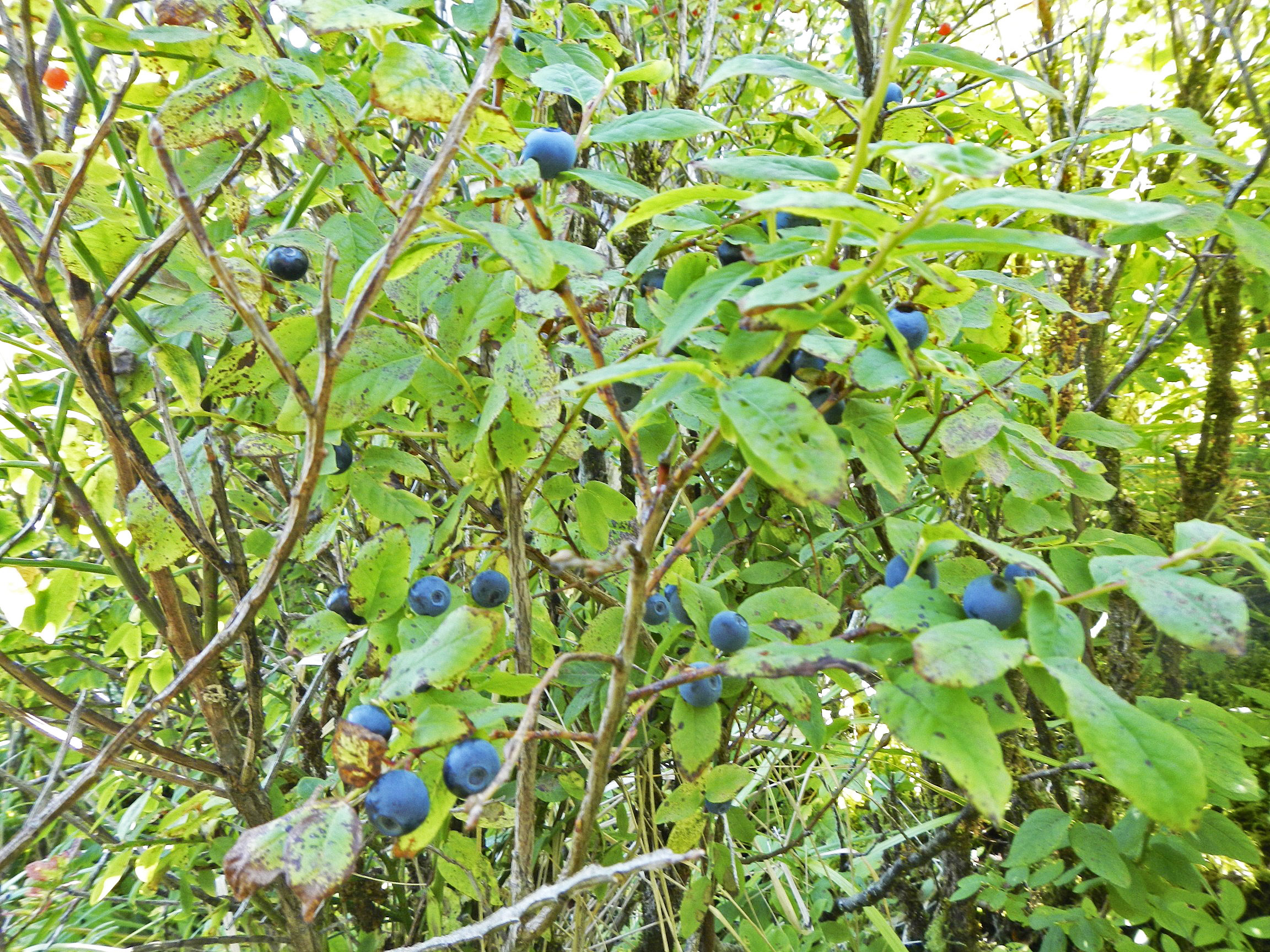
Blueberries (kanat'á)

Blueberries (kanat’á)

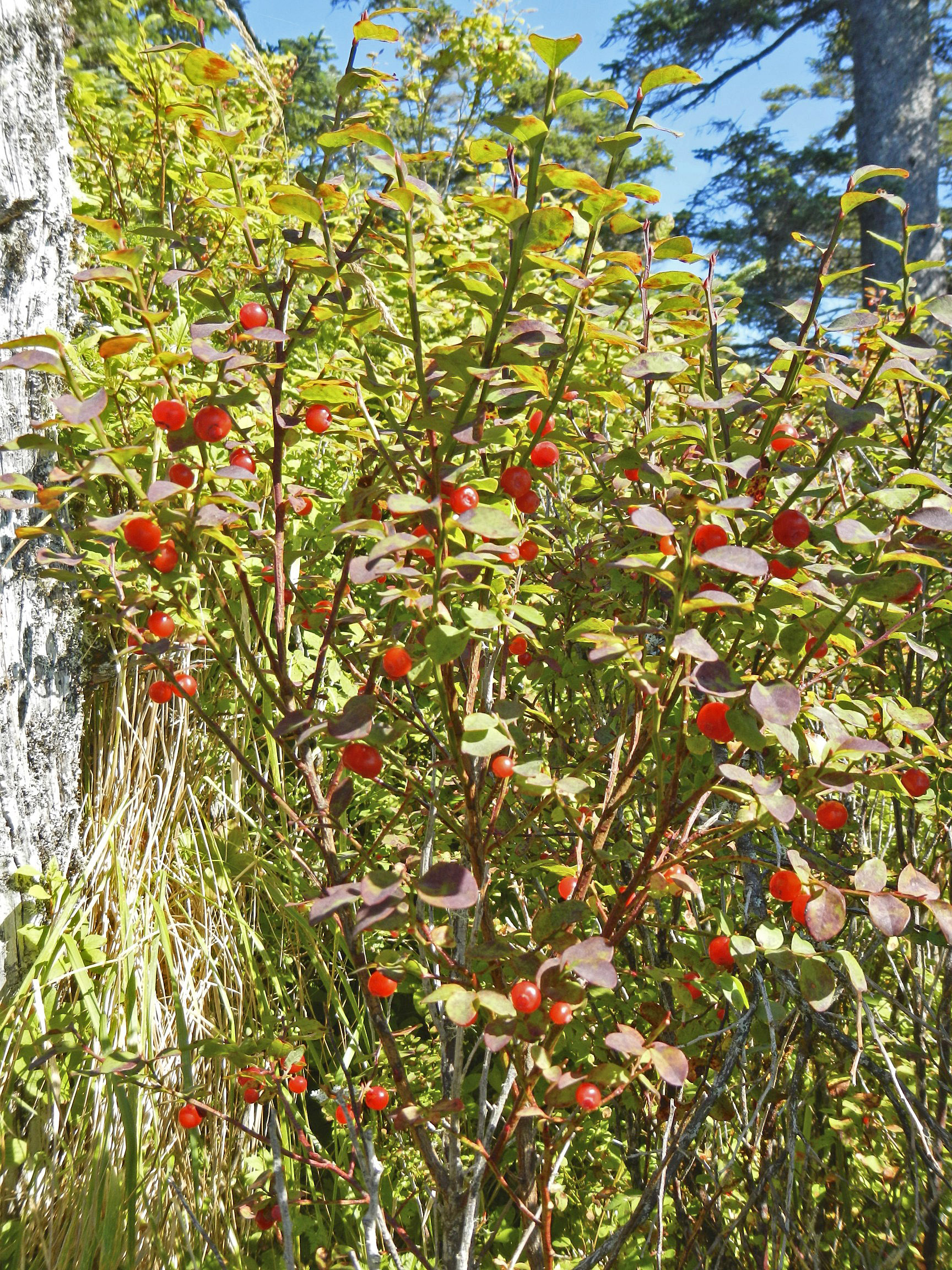
Huckleberries (tleikatánk)

Huckleberries (tleikatánk)

The Sitka Tribe of Alaska’s Kayaaní Commission (aka, the Plants Commission) and your Sitka Local Foods Network (SLFN) remind Sitka residents that it’s time to get out in the woods and pick huckleberries (tleikatánk) and blueberries (kanat’á).

Huckleberries and blueberries are extremely healthy fruits that grow in the forests and openings that surround Sitka. They are a traditional food of the Tlingít and have become a traditional food for Sitka residents who depend on nature’s bounty to keep their families healthy. They can be used fresh on a salad, in jams and smoothies, berry desserts and many other dishes. And they store well in the freezer for a healthy winter snack.

When going berry picking, please keep the following in mind (summarized from the Kayaaní Commission Traditional Harvesting Guidelines):

  • Be Courteous — other families are picking berries too; never take more than you need. If you accidentally got too much, share it with someone that you know will use it.
  • Be Safe — be positive about your identification of edible plants. Check your field guide for details if you are unsure. And pick berries during daylight with friends; make plenty of noise to keep bears away.
  • Take Care of the Berries — wash your berries with clean water before eating them and watch for rot, mildew, and insects. For best results: rinse berries, spread on a baking sheet to freeze, once frozen, slide off the tray and freeze in bags until ready to use.
  • Pick Clean Berries — from off the major road systems and in areas where you know pesticides and other chemicals will not have reached the berry plants.
  • Take Care of the Plants — make sure that there are plenty of other plants in the area (at least 10) to assure future abundance. Whenever possible, harvest so that the existing plant can reseed or recover after you are done. Treat the plants with respect. In Alaska Native cultures, it is traditional to thank the plant for its gift and give an offering. Each individual should show respect to the plant spirits in their own way.

“We encourage people to get out and pick the ripe berries. By getting out and picking berries you’ll get fresh, healthy food, exercise, and quality time with family and friends,” said Kayaaní Commission Coordinator Heather Riggs and Sitka Local Foods Network Vice President Michelle Putz. “Encouraging berry-picking for personal consumption and for winter storage supports both our missions. The Kayaaní Commission’s mission is to preserve their spiritual way of life and to preserve and protect traditional ways of their ancestral knowledge. The Sitka Local Foods Network’s mission is to increase the amount of locally produced and harvested food in the diets of Southeast Alaskans.”

While the kanat’á (blueberry) season is upon us, remember the plant is not finished offering its resources to the inhabitants of Sitka once the berries are gone. After the berries have completed their life cycle, the leaves from the plant can be utilized for its medicinal properties. Kanat’á leaves are high in antioxidants. These antioxidants can protect your body against heart disease and cancer. Making a tea from the leaves can help indigestion or a sore throat. Contact the Kayaaní Commission for more information on uses of native plants and methods of preparing plants.

More information about either group or local, traditionally harvested foods is available by calling Heather with the Kayaaní Commission at 747-7167 or Michelle with the Sitka Local Foods Network at 747-2708.

Please note that personal-use berry-picking is allowed on state and federal lands around Sitka, but any commercial-use berry-picking (money changes hands) requires a special permit, https://sitkalocalfoodsnetwork.org/2014/08/20/%E2%80%A2-tongass-national-forest-sitka-ranger-district-clarifies-rules-for-berry-picking-and-gathering-on-forest-lands/

• Kayaaní Commission Plant Gathering Guidelines

• 2003 Sitka Tribe of Alaska ordinance creating and defining the Kayaaní Commission

• UAS Sitka Campus to host annual class on how to identify Southeast Alaska mushrooms

SE mushrooms Brochure 2014_Page_2

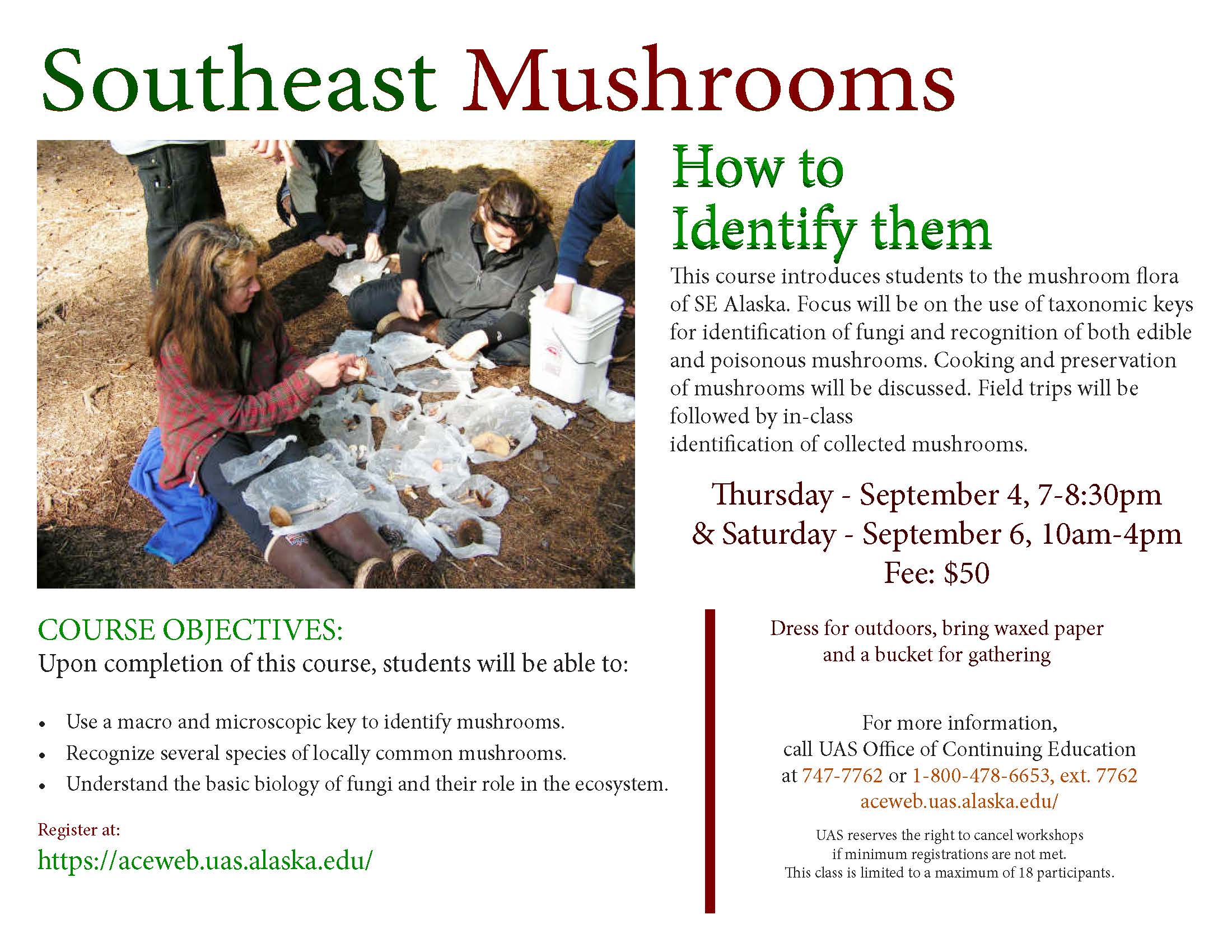
The University of Alaska Southeast Sitka Campus Office of Continuing Education will host its annual class “Southeast Mushrooms: How to Identify Them.”

This two-day class takes place from 7-8:30 p.m. on Thursday, Sept. 4, and from 10 a.m. to 4 p.m. on Saturday, Sept. 6, at the UAS Sitka Campus (with field trips). The course fee is $50 and students should dress for the outdoors, bring waxed paper and a bucket for gathering.

This course is designed to introduce students to the mushroom flora of Southeast Alaska. The focus will be on the use of taxonomic keys for identification of fungi and recognition of both edible and poisonous mushrooms. Cooking and preservation of mushrooms will be discussed. Field trips are followed by in-class identification of collected mushrooms.

There is a maximum of 18 students allowed in this class, and the class may be canceled if at least 10 people don’t pre-register for it. For more information, contact the UAS Sitka Campus Office of Continuing Education at 747-7762. To register, call 1-800-478-6653, Ext. 7762, or go to https://aceweb.uas.alaska.edu/. Click the link below to download the course brochure as a PDF file.

• “Southeast Mushrooms: How to Identify Them” class brochure for 2014