• Sitka Local Foods Network looks to fill vacancies on its board of directors

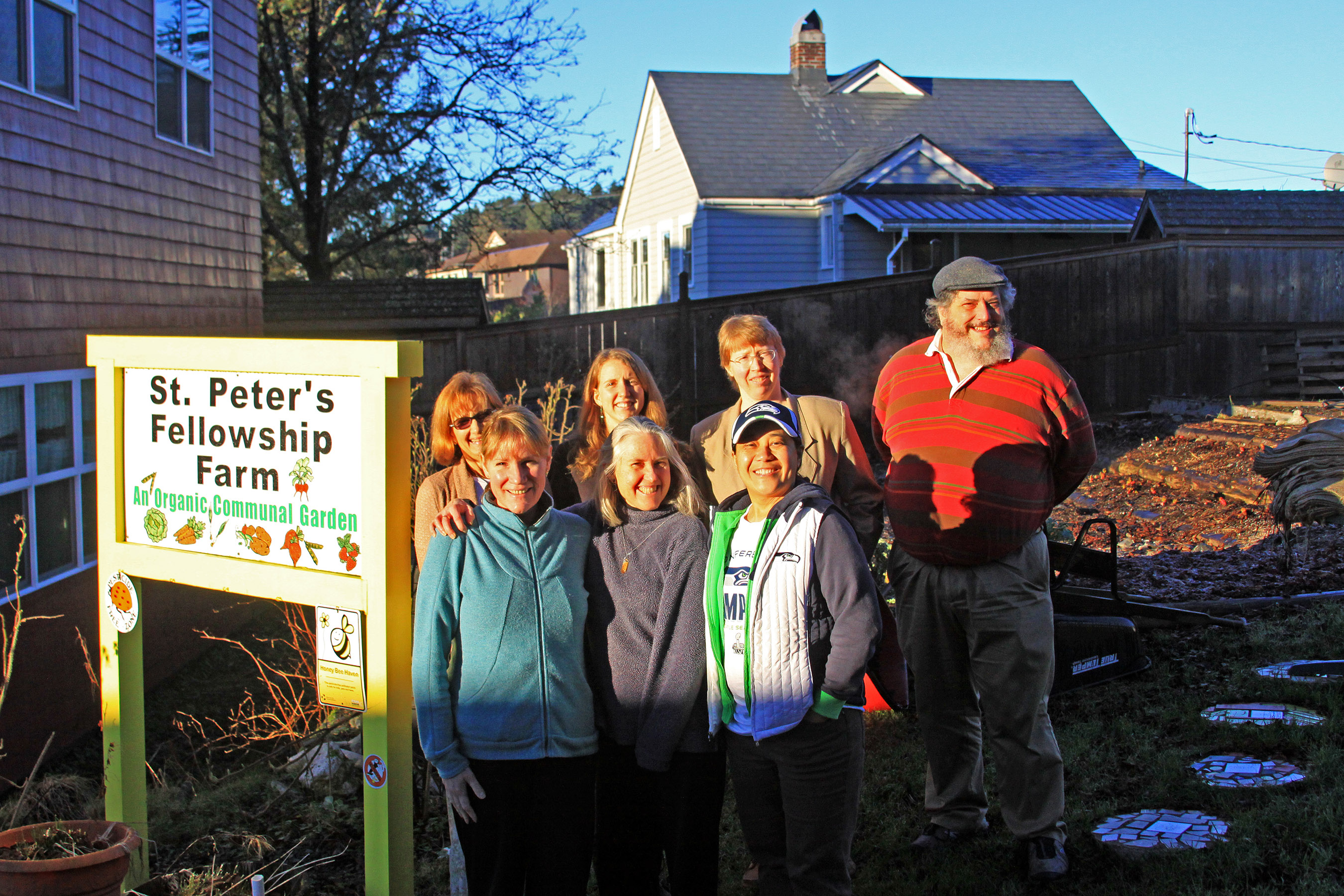
The 2014-15 Sitka Local Foods Network Board of Directors. Front row, from left, Suzan Hess, Lisa Sadleir-Hart, and Maybelle Filler. Back row, from left, Beth Kindig, Lauren Fetzer, Michelle Putz, and Charles Bingham. Not pictured are Jack Ozment, Milt Fusselman, and Rick Armstrong.

The 2014-15 Sitka Local Foods Network Board of Directors. Front row, from left, Suzan Hess, Lisa Sadleir-Hart, and Maybelle Filler. Back row, from left, Beth Kindig, Lauren Fetzer, Michelle Putz, and Charles Bingham. Not pictured are Jack Ozment, Milt Fusselman, and Rick Armstrong.

Are you interested in promoting and encouraging the use of locally grown, harvested and produced foods in Sitka and Southeast Alaska? The Sitka Local Foods Network could use you on its board of directors.

The Sitka Local Foods Network currently has two vacancies on its nine-person board of directors, with the possibility of additional spots opening up in January.

Board members are concerned about increasing access to local food for all Sitka residents. They also are concerned about rising food prices in Sitka, and they want to advocate for more community and family gardens in Sitka.

Board members help direct the Sitka Local Foods Network, a non-profit that promotes the harvest and use of local food in Sitka. In addition to setting the focus of the group, board members also help on a wide variety of projects such as the Sitka Farmers Market, St. Peter’s Fellowship Farm, the Sitka Community Greenhouse and Education Center, and the Sitka Local Foods Network Education Committee. In addition, over the years our board members have supported community food-related projects such as the Blatchley Community Garden, Let’s Grow Sitka, the Sick-A-Waste compost project, the Sitka Community Food Assessment project, Sitka Fish-To-Schools, the Sitka fruit-tree-planting project, other school education projects and more.

To apply for a spot on the board, please fill out the attached application and submit it to sitkalocalfoodsnetwork@gmail.org. The Sitka Local Foods Network board is a working board, which means each board member also participates in one of our four focus groups (farmers market, fellowship farm, education committee, and greenhouse). For more information, contact Sitka Local Foods Network board president Lisa Sadleir-Hart at 747-5985.

Our current board members and the year their terms end are:

  • 2014 — Milt Fusselman, Charles Bingham, one vacant seat
  • 2015 — Lisa Sadleir-Hart, Michelle Putz, Maybelle Filler
  • 2016 — Beth Kindig, Matthew Jackson, one vacant seat

We also are looking to increase our pool of volunteers who will help out during the various projects hosted by the network each year (no formal application needed, just send us your name/contact info and what types of projects you enjoy).

The next Sitka Local Foods Network board meeting is at 6:30 p.m. on Monday, Oct. 13, in the upstairs meeting room at the See House behind St. Peter’s By The Sea Episcopal Church. The board generally meets from 6:30-8:30 p.m. (with a brief finance committee meeting from 6-6:30 p.m.) on the second Monday of each month, except during the summer (June, July, August) when board members are busy working with the Sitka Farmers Market and St. Peter’s Fellowship Farm communal garden.

• Sitka Local Foods Network board of directors application

• Sitka Local Foods Network board of directors job description

• Local merchants provide coffee grounds, spent beer grain for garden compost

Alana Peterson shows where gardeners can find used coffee grounds from the Back Door Café.

Alana Peterson shows where gardeners can find used coffee grounds from the Back Door Café.

Sitka’s constant rains tend to wash the nutrients from our soil, which means many Sitka gardeners also use compost to build new soil. Some local merchants provide used coffee grounds and spent beer grain so gardeners can add them to their compost piles.

Alana Peterson of the Back Door Café (104 Barracks St.) said the person who normally collects her business’ used coffee grounds has reached his max capacity, so now they are available for other gardeners to gather. She usually puts them in one of the plastic containers outside the main entrance to the shop, under the tree by the large black plastic garbage container. The coffee grounds are in plastic bags, so they’re easy for gardeners to grab.

The Baranof Island Brewing Company, aka BIBCO (215 Smith St.), provides free spent beer grain for gardeners. The spent grain is kept in a tote near the brewery’s Tap Room, and gardeners need to bring their own buckets to carry the grain home (a shovel is in the tote).

At both businesses the compost items are available on a first-come, first-served basis. Please double-check with the merchants if you have any questions.

• USDA Natural Resources Conservation Service offers funding support program for high tunnels

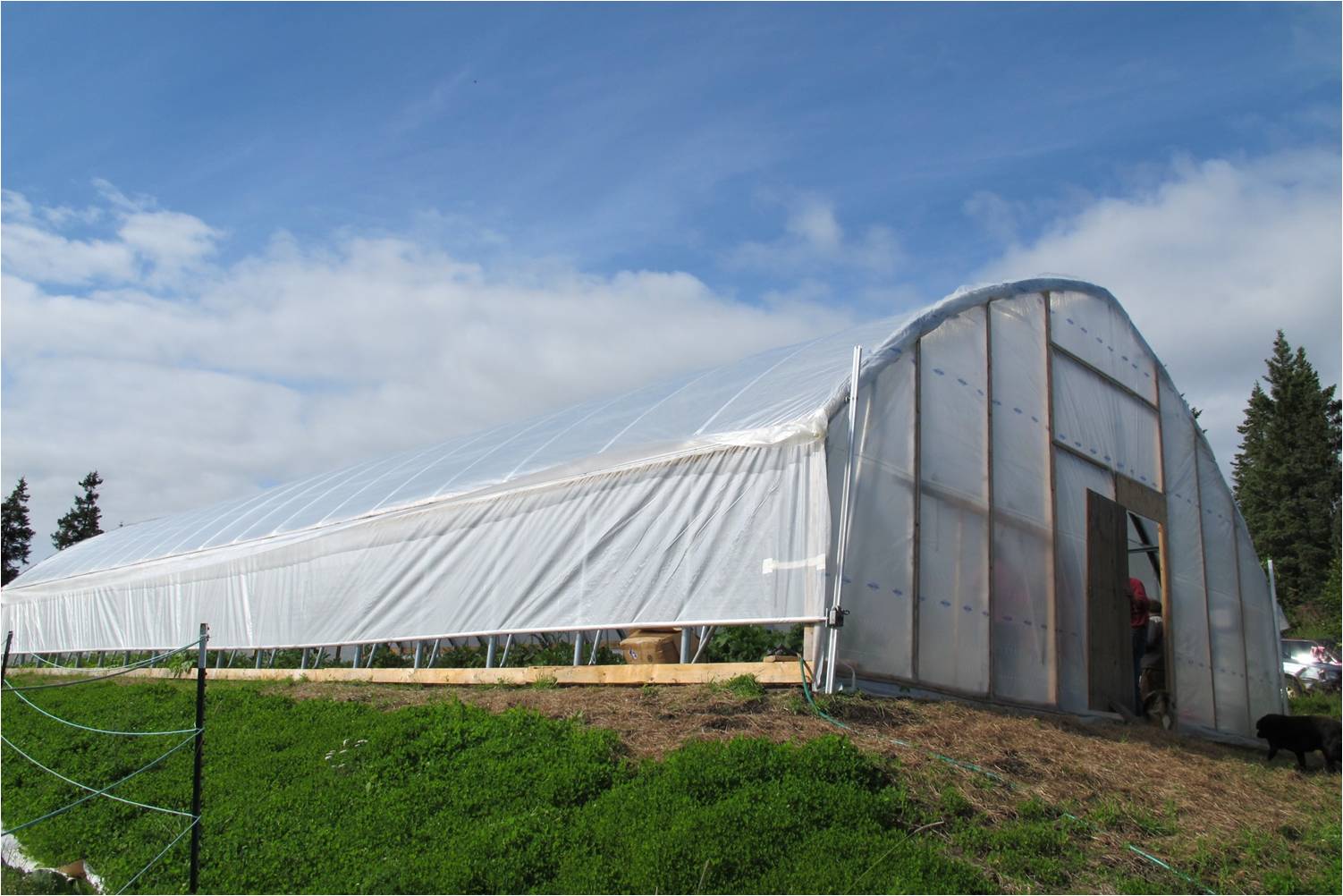
picture8

The deadline is coming up for the next round of applications for the U.S. Department of Agriculture’s Natural Resources Conservation Service (NRCA) cost-sharing program that enables qualifying landowners who produce food to build high tunnels.

The NRCA Alaska program sets two applications deadlines a year (Sept. 15 and June 15) so applications can be batched and ranked. Applications that miss the Sept. 15 deadline will be held for the June 15 deadline.

High tunnels, also known as hoop houses or temporary greenhouses, extend the growing season so more food is produced before and after the traditional dates for growing stuff outdoors.

High tunnels are different than greenhouses in that they are passively heated by the sun, so they have lower energy costs than greenhouses. High tunnels are at least six-feet tall, and low tunnels aren’t eligible in this program. Food in high tunnels is planted either directly into the ground or in raised beds. To learn more about the USDA’s high tunnel program, click here (note, link is to FY2014 program information, there have been updates for FY2015 but no link was available). This link has frequently asked questions and answers about seasonal high tunnel systems for crops.

Picture10This program started a couple of years ago as a pilot program, but now is a permanent part of of the NRCS EQIP (Environmental Quality Incentive Programs). The program recently was revamped, and one major change is there now is no size restriction on the size of structures NRCS will provide cost-sharing funds (previously it was limited to up to 2,178 square feet, or 5 percent of one acre). Also, geodesic domes are now eligible. Both the land owner and land must meet certain eligibility requirements.

Funding is provided on a reimbursable status once the high tunnel is installed and certified to meet NRCS standards. In 2012 there was just one high tunnel in Sitka, but in 2013 there were six. Other areas of the state, such as Homer, have built dozens of high tunnels through the program.

For information regarding the NRCS technical service or program participation in Southeast Alaska, please contact Samia Savella at the Juneau field office at (907) 586-7220 or samia.savell@ak.usda.gov. Applications currently are being accepted for the 2015 fiscal year (Oct. 1, 2014, to Sept. 30, 2015) and applications must be received at the Juneau field office on or before Sept. 15, 2014. Click here for a link to the Alaska NRCS page.

• High Tunnel Fact Sheet March 2014

• Flier about Southeast Alaska cost-sharing program March 2014

• Meet your vendors: Allison Sayer of Hearts and Flowers

TODAllisonSayerHeartsAndFlowers

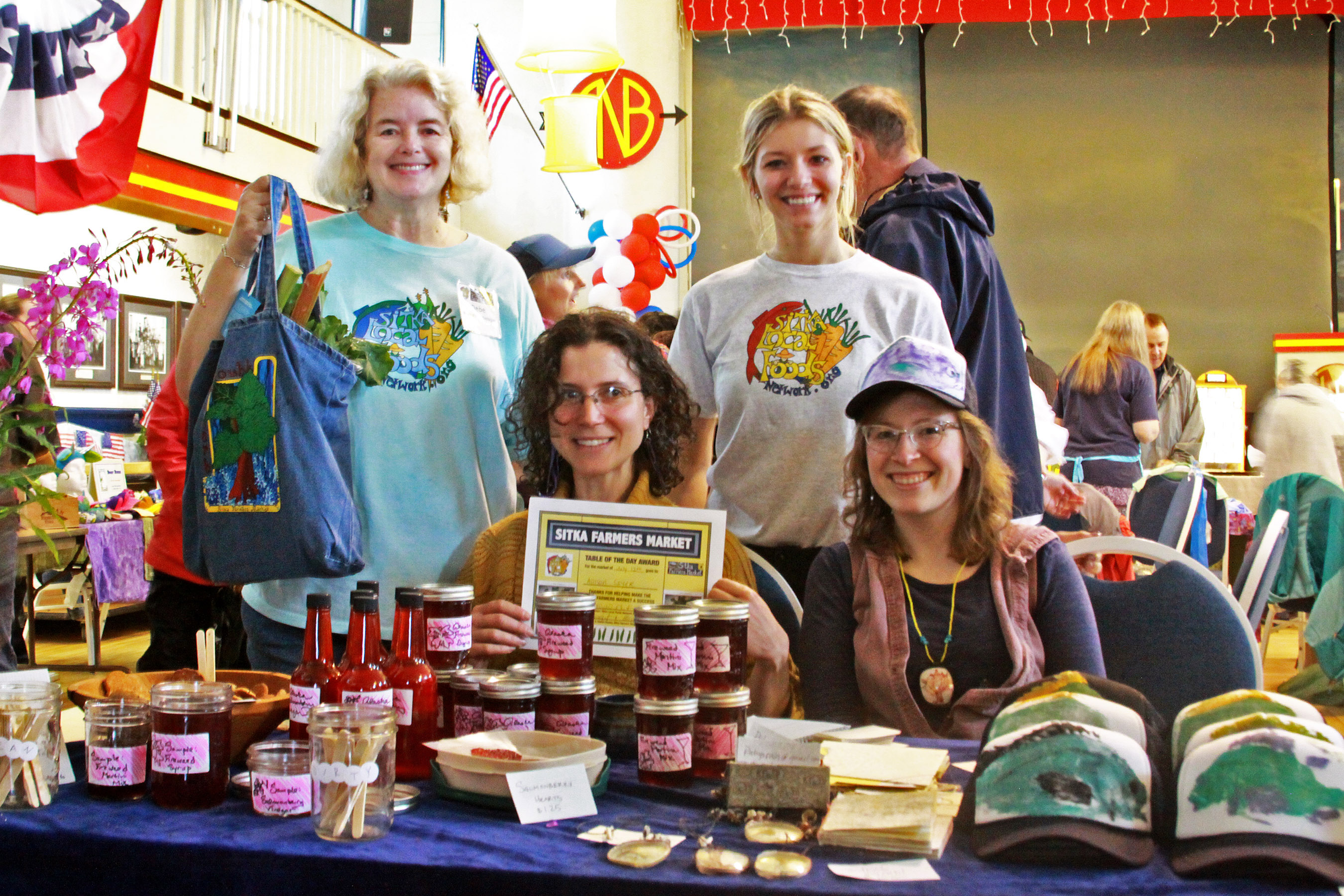
Allison Sayer of Hearts and Flowers (with certificate) won the Table of the Day Award at this summer’s second Sitka Farmers Market on July 12.

SitkaFarmersMarketSign(This is part of a new series of “Meet your vendors” articles, where Sitka Local Foods Network Intern McLane Ritzel is writing features about our regular Sitka Farmers Market vendors.) 

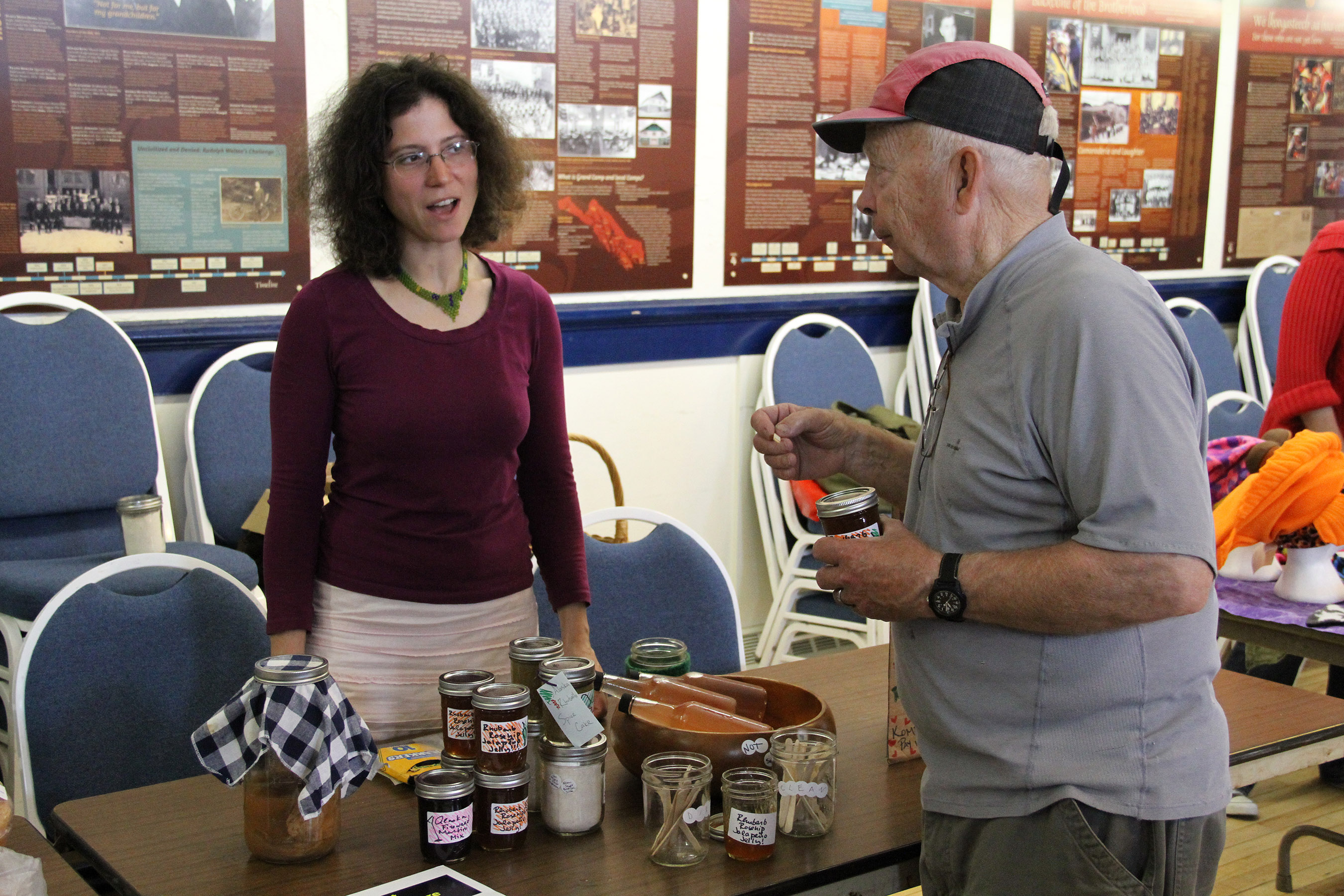
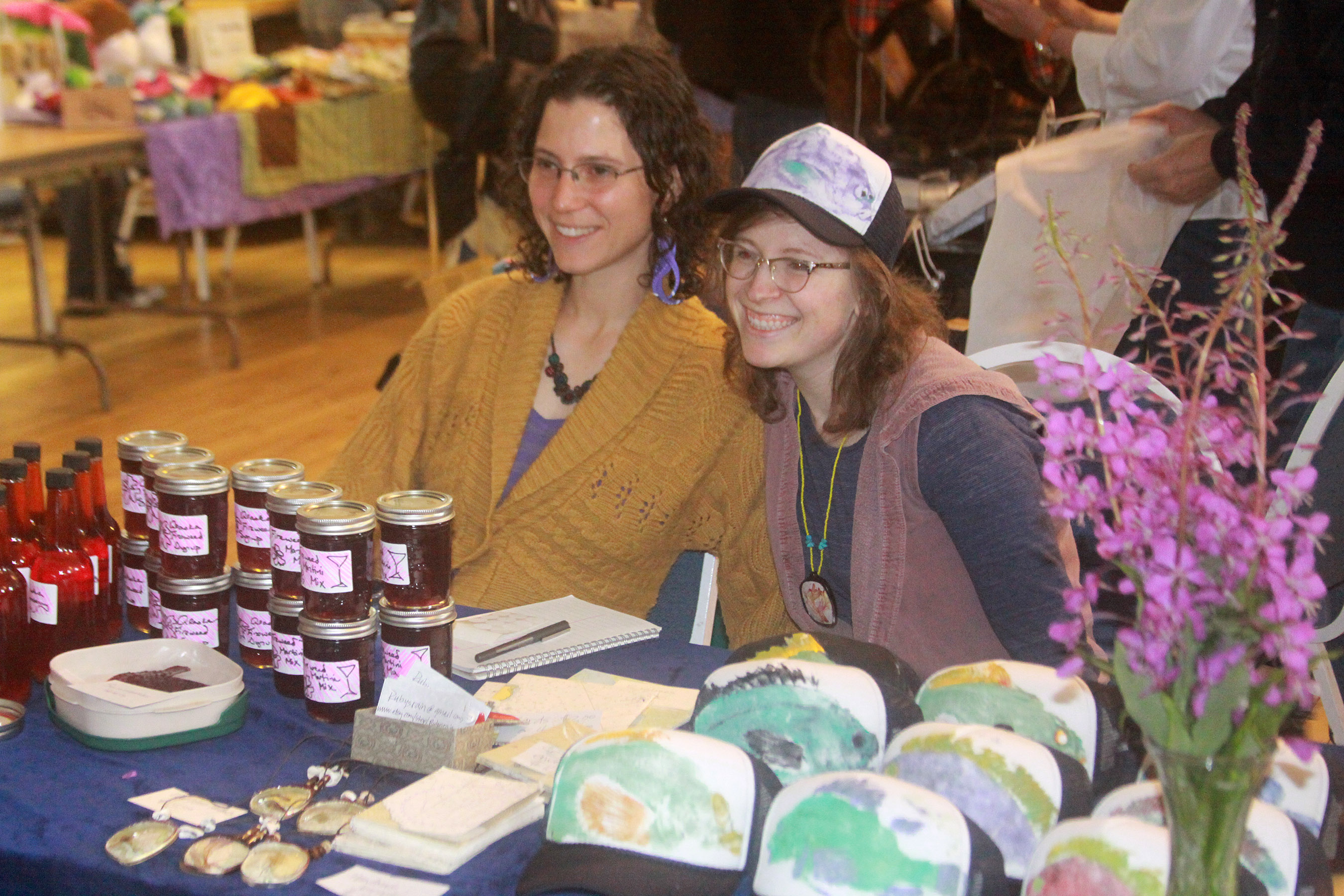
Have you been smelling something funny at this summer’s farmer’s markets? Maybe something a bit sour and overdue? Local resident Allison Sayer has been producing and selling her own live-fermented creations to curious consumers at the market, as well as experienced fermenters.

Born and raised in New York City, Allison Sayer graduated high school there and went straight into AmeriCorps on the West Coast. Later, she studied biology at Smith College, and then went to graduate school at the University of Alaska Anchorage pursuing the same track. She was attracted to the major, because she is passionate about landscape ecology, as well as salmon’s relationship with nature. However, she soon realized that the career (where much of her time would have been spent in a lab) was not quite as fun as the ideas behind it.

AllisonSayerTalksToCustomerSayer then pursued other opportunities that aligned closer with what she really connected with. She worked in Homer, at the Center for Alaskan Studies, and then at many different cooperatives in Santa Cruz, Calif., including a bike co-op, homeless gardener project, and a chicken sanctuary. Then she returned to Alaska, and worked in McCarthy at the Wrangell Mountains Center as a kitchen manager for three years. There she worked in the garden, held workshops, and served meals to participants. Sayer and the facility manager Jim experimented with varying fermented products. There in the Wrangell kitchen, Sayer discovered her passion for live-fermented foods.

At the Sitka Farmers Market on Aug. 9, you may have noticed the fermentation demonstration booth run by Sitka Local Foods Network intern McLane Ritzel. Live fermentation is an ancient practice, but more recently, it has gained a huge following around the world of interested individuals who want to produce their own food following traditional methods. The practice is communal and artisanal, and when consumed, encourages a healthy gut.

AllisonSayerKittySopowIn Sitka, this will be her third year working at Mount Edgecumbe High School, running extracurricular activities after school for the students. She loves her job, and says, “High school students are just so cute!” This summer, she has been working at the Baranof Island Brewing Company brewery.

At home, Sayer spends her time fermenting with produce from her own garden, playing the guitar, reading “too many books at once,” and hiking with her 4-year-old Karellian bear dog, a husky named Tulip.

Come out to this summer’s last Sitka Farmers Market from 10 a.m. to 1 p.m. on Saturday, Sept. 6, at ANB Hall to pick up some of Allison Sayer’s creatively edgy and uniquely delicious homemade Alaskan kimchi, sauerkraut made with varied ingredients, and kombucha, a fermented tea.

• Panel looks at allowing garden sales at homes

Tom Hart at Anam Cara Garden

Tom Hart at Anam Cara Garden

(The following article appeared in the Wednesday, Sept. 3, edition of the Daily Sitka Sentinel.)

By TOM HESSE
Sentinel Staff Writer

A potential zoning change that would allow gardeners to sell their extra produce from home started to take shape at Tuesday night’s Planning Commission meeting.

Lisa Sadleir-Hart works in Anam Cara Garden

Lisa Sadeir-Hart works in Anam Cara Garden

The proposal was brought forth by Lisa Sadleir-Hart and Thomas Hart [who own Anam Cara Garden] during an August meeting. The idea is to allow Sitkans with large gardens to sell their produce from their homes, which would include those in R-1, R-1 MH, R-2, R-2 MHP, GI and LI zoned districts. Since the zoning revision was first proposed, the city planning department has been trying to shape the rules, and Planning Director Wells Williams told commission members that there are a number of forms they could take.

“Like anything else, it’s a fairly simple concept but it gets complicated fairly quickly,” Williams said.

Currently, you-pick style gardens are allowed under a conditional use permit. Williams said the new proposal, which is being called commercial home horticulture, could follow a similar path. The big difference would be that gardeners could sell their produce and have a small stand in their yards where they could sell it. Those differences could be an issue in some neighborhoods, said commissioner Chris Spivey.

“There are definitely a lot of concerns about the sheer fact of having anything commercial in an R-1,” Spivey said.

Because of that, requests for commercial home horticulture permits would be done on a case-by-case basis under the proposals now being considered. Planning staff tentatively proposed a conditional use system whereby applicants would need to notify neighbors and take their applications through the planning process.

Sadleir-Hart said a four-week process to obtain a permit would be appropriate for gardeners who are looking ahead to the next growing season.

“Most people who would be moving through this process would be moving fall through winter,” she said. “To me that would be plenty of time and just being a good neighbor.”

Some of the issues commission members raised were about the days and times when sales would be allowed, how large garden stands could be, and how best to handle applications.

After a discussion, the commissioners decided the best system may be to set hours on a permit-to-permit basis.

“It’s that way with a lot of conditional use permits that we do. It varies from neighborhood to neighborhood,” commission member Richard Parmalee said.

Specifics are far from being concrete, but stands 6 feet by 8 feet in size, with an awning, are in the current proposal. They would be temporary, so they would be up only during the growing season.

“You’re going to have people in the neighborhood that want something that is aesthetically pleasing or temporary and easily broken down,” Spivey said.

Commissioners did take out a items from the original proposal, regarding greenhouses and sheds.

Williams said the planning office would take the comments from Tuesday night’s meeting and start drawing up a draft proposal with more specifics. The issue will be discussed further when the panel meets on Sept. 16.

• Meet your vendors: Pat Hanson of Hanson Baked Goods

PatAndJimHansonOfHansonBakedGoods

SitkaFarmersMarketSign(This is part of a new series of “Meet your vendors” articles, where Sitka Local Foods Network Intern McLane Ritzel is writing features about our regular Sitka Farmers Market vendors.) 

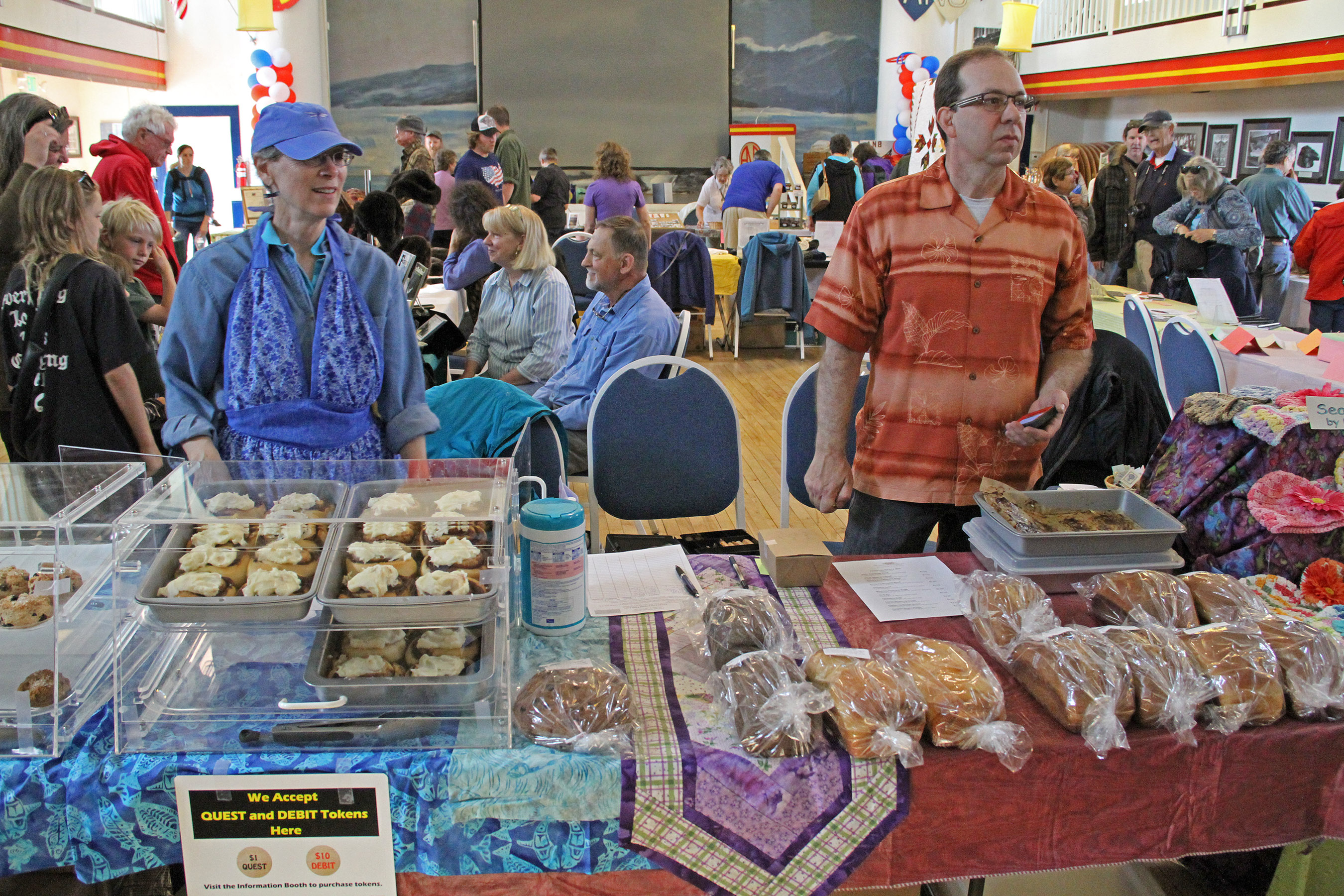
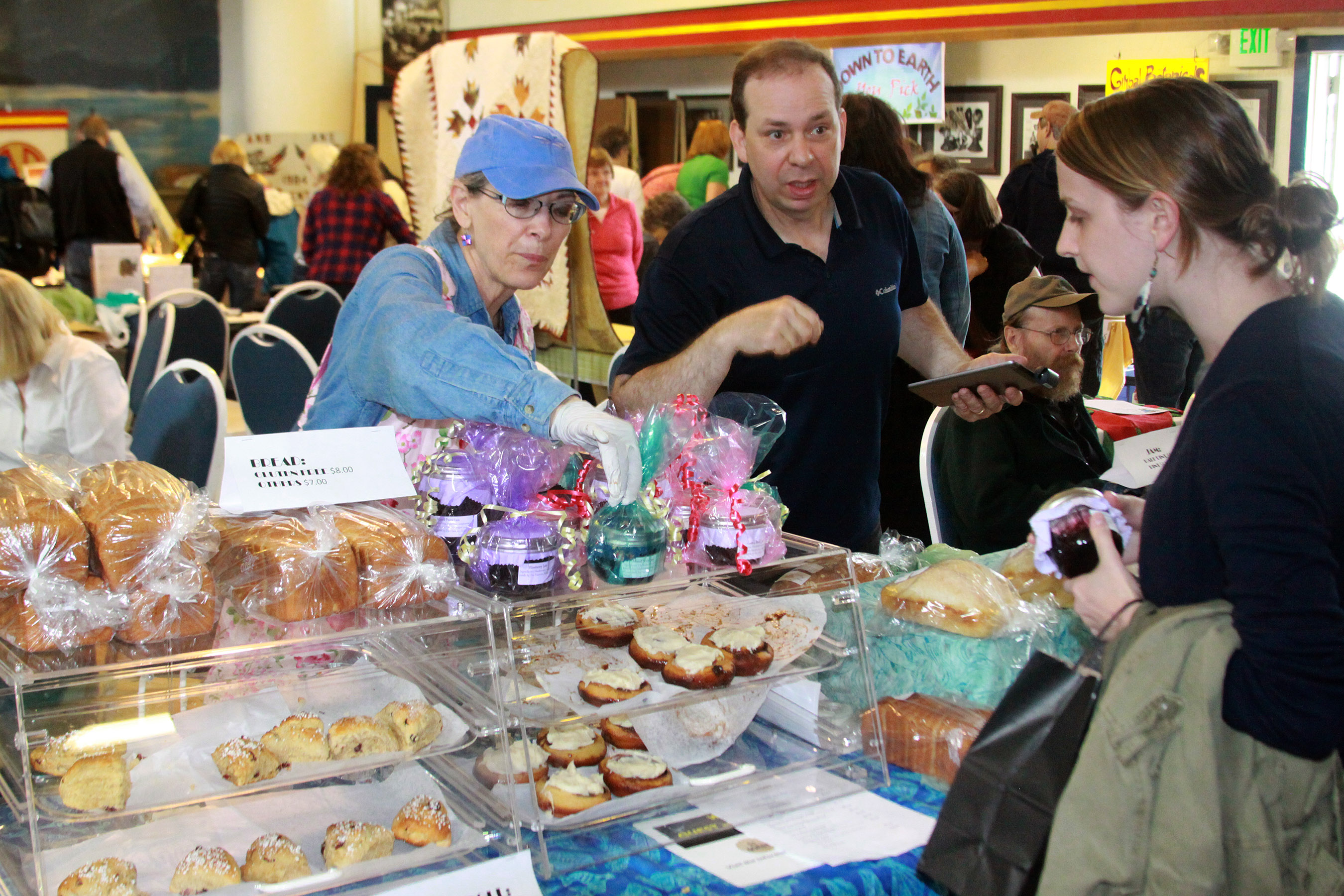
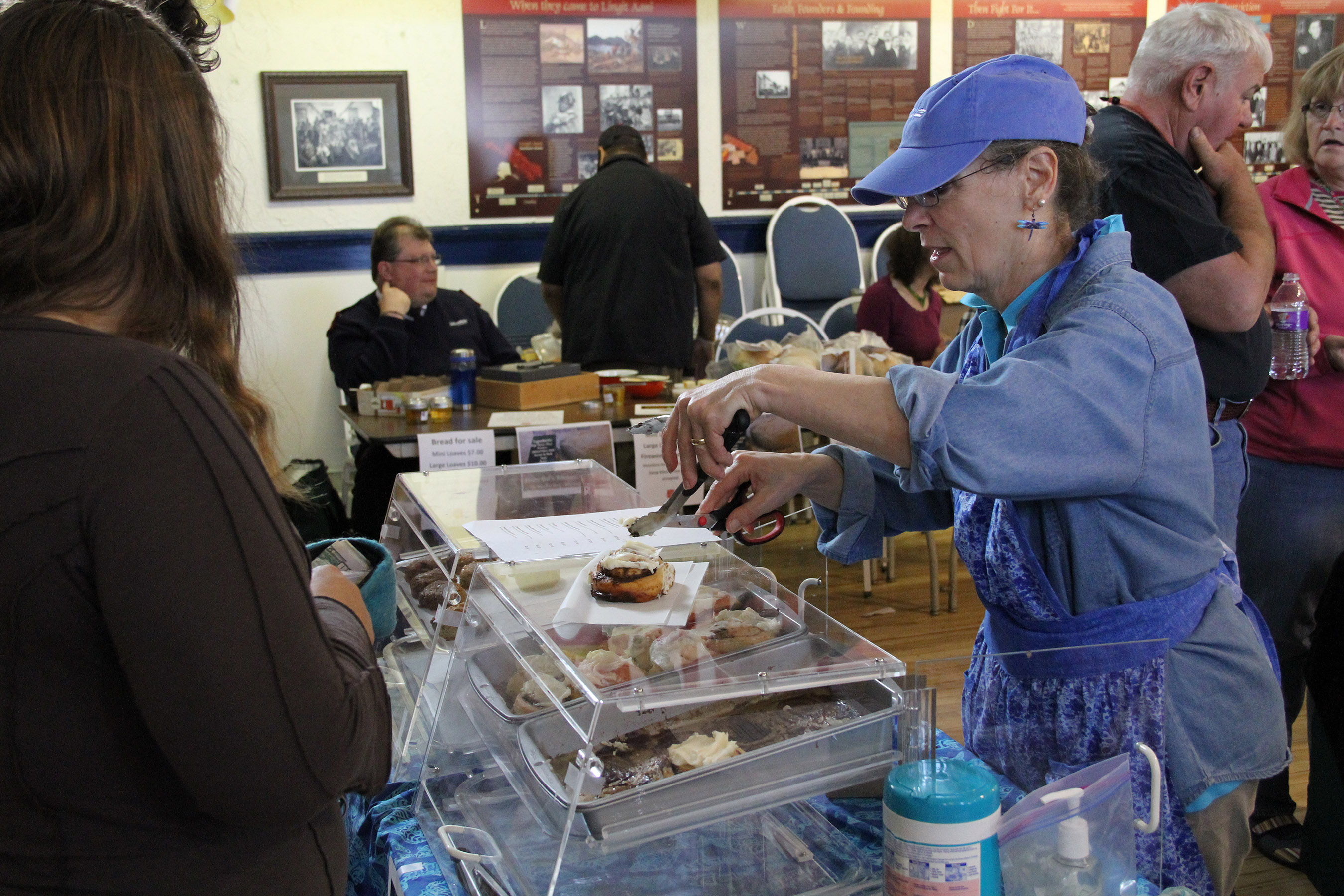
When you walk into the Sitka Farmer’s Market, comforting aromas of freshly baked breads, scones, and cinnamon rolls overcome the senses. Near the entrance of ANB Hall, you can find the talented baker Pat Hanson of Hanson Baked Goods selling a beautiful selection of her baked wonders that are nearly impossible to resist. Trust me, I’ve tried.

PatHansonHansonBakedGoodsHanson bakes for the market as a public service, not for a profit. She uses organic ingredients whenever she can, and the only thing that is not organic is butter, which she is working on sourcing organically. Her baked goods are more expensive, because of her insistence on using organic eggs and other crucial organic products. Hanson fell into a passion for baking, because she loves to eat and loves organic food.

Born in Colorado, Hanson lived in the Centennial State until she was 25, when she moved to Canada with her husband at the time. For the past seven years, she has lived in Sitka with her second husband, Jim, whom she met here. Hanson used to work as a school psychologist in Washington and California, but is retired now. She now volunteers at the Sitka Food Co-op, a buyer’s club organization that thrives with increasing membership. Her husband works at Sitka Tribe of Alaska and Arrowhead Transfer.

PatHansonWithCinnamonRoll“You don’t go into the food industry to make money.” Hanson says that she likes food and likes to know what’s in it. “I won’t sell anything that I don’t think tastes good.”

Hanson sells organic breads, scones, and cinnamon rolls. She makes white sourdough, whole wheat, and whole grain, dark rye, and honey oat breads. If you’re looking for something on the sweeter side make sure to pick up one of her lemon blueberry, cranberry orange, or maple oat scones. And if you’re really lucky, you might be able to get a taste of her pumpkin spice scone with ginger chunks, the baker’s favorite.

When she’s not busy baking, Hanson enjoys reading, and was actually a literature major before becoming a teacher. She especially loves Arizonian author Diana Gabaldon’s Outlander series, now a popular STARZ original series.

Come out to this summer’s last Sitka Farmers Market from 10 a.m. to 1 p.m. on Saturday, Sept. 6, at ANB Hall (235 Katlian St.) to experience Pat Hanson’s delectable baked beauties.

• Scenes from the fifth Sitka Farmers Market of the 2014 summer

Sitka Farmers Market Co-Managers Debe Brincefield, left, and Ellexis Howey, right, present the Table Of The Day Award to Erin Keenan of Bear Buns at the fifth Sitka Farmers Market of the 2014 summer on Saturday, Aug. 23, at the Alaska Native Brotherhood Founders Hall in Sitka. Erin has been selling her homemade diapers at the Sitka Farmers Market for a couple of years, plus she was selling handmade baby booties from Charlee Oh Creations for Springer Black and Raven's Ink hats for Raven Shaw. Erin received a gift bag with fresh greens, fresh carrots, fresh rhubarb, and a copy of the Alaska Farmers Market Cookbook. This is the seventh year of Sitka Farmers Markets, hosted by the Sitka Local Foods Network. The final market of the summer is from 10 a.m. to 1 p.m. on Saturday, Sept. 6, at the Alaska Native Brotherhood Founders Hall, 235 Katlian St. Check our website to learn about our new bus service to the market. For more information about the Sitka Farmers Markets and Sitka Local Foods Network, go to http://www.sitkalocalfoodsnetwork.org/, or check out our Facebook page at https://www.facebook.com/SitkaLocalFoodsNetwork. (PHOTO COURTESY OF SITKA LOCAL FOODS NETWORK)

Sitka Farmers Market Co-Managers Debe Brincefield, left, and Ellexis Howey, right, present the Table Of The Day Award to Erin Keenan of Bear Buns at the fifth Sitka Farmers Market of the 2014 summer on Saturday, Aug. 23, at the Alaska Native Brotherhood Founders Hall in Sitka. Erin has been selling her homemade diapers at the Sitka Farmers Market for a couple of years, plus she was selling handmade baby booties from Charlee Oh Creations for Springer Black and Raven’s Ink hats for Raven Shaw. Erin received a gift bag with fresh greens, fresh carrots, fresh rhubarb, and a copy of the Alaska Farmers Market Cookbook. This is the seventh year of Sitka Farmers Markets, hosted by the Sitka Local Foods Network. The final market of the summer is from 10 a.m. to 1 p.m. on Saturday, Sept. 6, at the Alaska Native Brotherhood Founders Hall, 235 Katlian St. Check our website to learn about our new bus service to the market. For more information about the Sitka Farmers Markets and Sitka Local Foods Network, go to http://www.sitkalocalfoodsnetwork.org/, or check out our Facebook page at https://www.facebook.com/SitkaLocalFoodsNetwork. (PHOTO COURTESY OF SITKA LOCAL FOODS NETWORK)

SitkaFarmersMarketSignErin Keenan of Bear Buns homemade diapers won Table of the Day during the fifth Sitka Farmers Market of the 2014 summer, which took place on Saturday, Aug. 23, at the Alaska Native Brotherhood Founders Hall, 235 Katlian St.

We wound up with a bit of sunny weather for this market, which was a nice change from our recent rain. We also enjoyed another market with our new bus service from Sitka Tours. This free service will be available at all of the rest of our markets this summer.

The sixth and final Sitka Farmers Market of the season takes place from 10 a.m. to 1 p.m. on Saturday, Sept. 6, at ANB Founders Hall. We also plan to host a produce table at the 20th annual Running of the Boots on Saturday, Sept. 27, near St. Michael of the Archangel Russian Orthodox Church on Lincoln Street. A slideshow with scenes from the fifth Sitka Farmers Market is below.

This slideshow requires JavaScript.

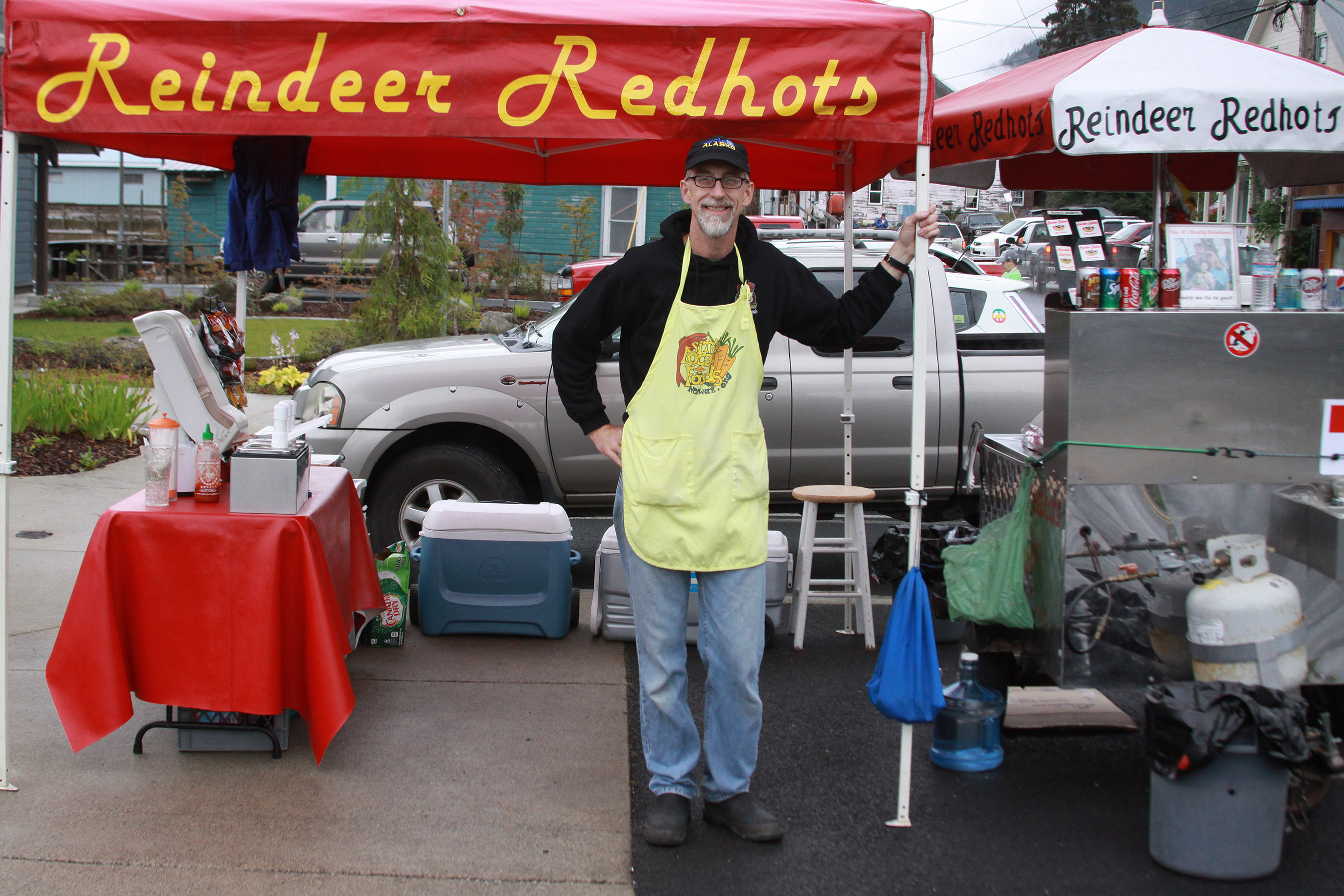
• Meet your vendors: Carole Knuth and Peter Apathy of Reindeer Redhots

TableOfTheDayPeterApathyCaroleKnuthReindeerRedhots

Peter Apathy, second from left, and Carole Knuth, third from left, of Reindeer Redhots won the Table of the Day Award for the Aug. 26, 2013, Sitka Farmers Market.

SitkaFarmersMarketSign(This is part of a new series of “Meet your vendors” articles, where Sitka Local Foods Network Intern McLane Ritzel is writing features about our regular Sitka Farmers Market vendors.) 

Nine years ago, Carole Knuth, co-owner and operator of Reindeer Redhots, was having a mid-life crisis. So, she and her husband, Peter Apathy, decided to do something totally different than anything they had done in the past. They bought the Reindeer Redhots stand, a business that had been in operation for one year. At the time, they had two young children, who Carole says thrived in the Reindeer Redhots working environment. “It was important for the children to experience.” Other kids in the community also participated in operating the business, and according to Carole, the experience taught the kids work ethic and good conversation skills. Carol says, “The business served other needs too.”

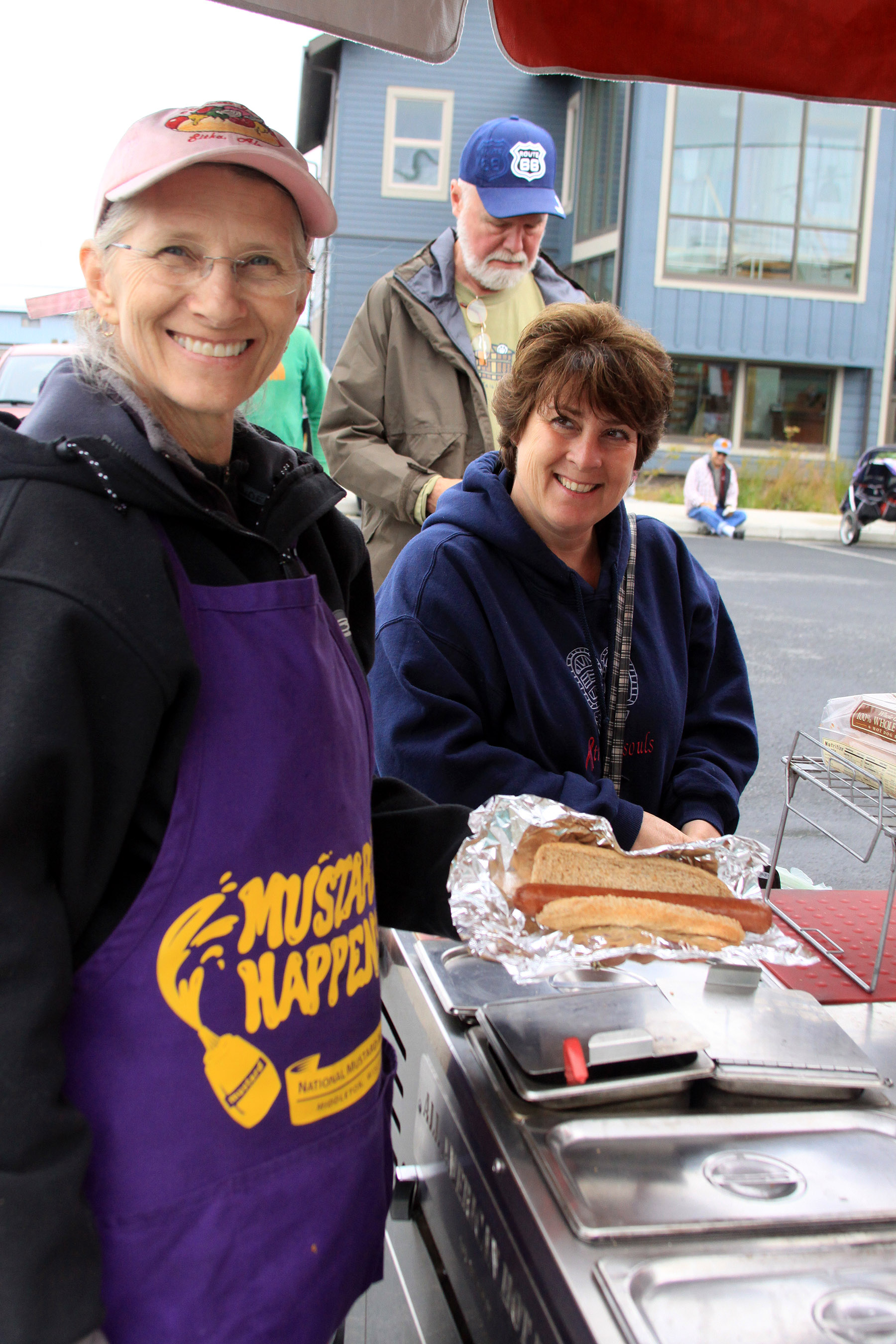
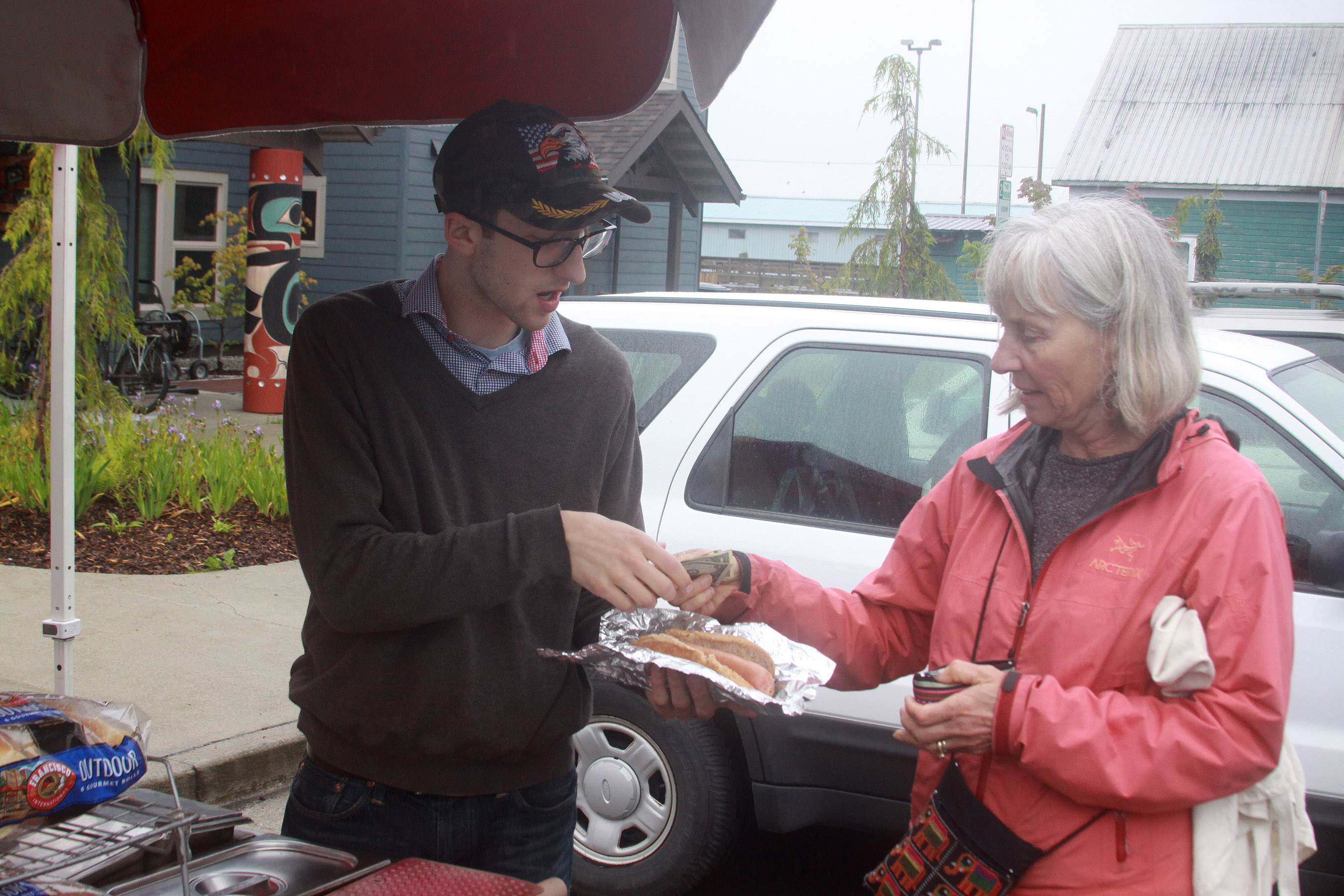
CaroleKnuthWithReindeerPolishDogReindeer Redhots serves hotdogs with reindeer meat and a wide variety of condiments including; sauerkraut, onion, shredded cheddar cheese, ketchup, mustard, no-bean chili, sweet relish, and sriracha sauce. The meat comes from Nunivak Island, where Dr. Sheldon Jackson started a reindeer herd in the 1800s. After the slaughtering on Nunivak, the reindeer meat is sold for processing in Anchorage, where it is produced into a wide variety of products. Reindeer Redhots sells the regular reindeer hotdogs and the mild Polish sausage at their stand. Carole and Peter have dealt with many obstacles in operating their own business, and Carole says that they have “learned a lot about people through the process.”

Today, the dynamic Knuth and Apathy duo run the Reindeer Redhots stand with their son Ryan, who just finished high school. You may have noticed Ryan’s involvement and talent shine in performances around Sitka. Ryan just graduated from the Interlochen Center of the Arts, a competitive arts boarding school in Interlochen, Mich. He also plays the trombone, and is attending the University of Puget Sound this fall. His older sister, Erika, also comes from an artistic background, as a ballet dancer. She currently is studying elementary education at UAS, and just gave birth to a beautiful baby boy named Noah.

PeterApathyOfReindeerRedhotsBoth Carole and Peter are heavily involved in their children’s lives and activities. They are a family that values and supports the arts in many capacities. Carole made costumes for the Nutcracker this past year and has made costumes for other performances around Sitka. She also loves gardening and the family has their own garden at home. As if all of this hasn’t kept her busy enough, she just finished her master’s thesis in public health, which covered a needs assessment for an adult day center in Sitka. She is interested in implementing a kind of senior center in town that offers social and physical activities. When they aren’t serving up delicious hotdogs, supporting their children, or helping out the community, Carole and Peter can be found working at SEARHC. Carole as a physician assistant, and Peter as a electronic health records project manager. Peter also plays bass in the bands Slack Tide and Fishing For Cats.

RyanApathySellsPhyllisHackettReindeerRedhotReindeer Redhots has created quite a following. The alternative hotdog stand has been featured in high-quality public relations outlets including: Food and Wine, Costco, and Sunset magazines. In addition to the stand’s occasional appearances at the Sitka Farmers Market, on large ship days, you can find Carole, Peter, or Ryan serving Reindeer Redhots at the corner of Lake and Lincoln Streets. The stand operates from 10 a.m. to 3 p.m., from May to September, though the operation is very weather-dependent.

Stop by the Reindeer Redhots stand this month on large ship days to try a steaming reindeer hotdog. They also offer gluten-free and whole wheat buns.

• Learn about where your Sitka Farmers Market produce is grown

WhereOurFoodIsGrown

SitkaFarmersMarketSignWhen people stop at the Sitka Local Foods Network booth at the Sitka Farmers Market to buy produce a common question people ask is where is the food grown.

Most of the produce sold at the Sitka Local Foods Network booth is grown here in Sitka and comes from three main sources — the St. Peter’s Fellowship Farm communal garden (Laura Schmidt is lead gardener), some land in Pat Arvin’s Garden she donates to the Sitka Local Foods Network to grow potatoes and carrots, and Anam Cara Garden owned by Tom Hart and SLFN president Lisa Sadleir-Hart. We also receive donations from other family gardens in town with extra produce.

All of the funds raised selling produce at the Sitka Local Foods Network booth are used to support SLFN projects during the year. These include hosting the six Sitka Farmers Markets each summer, operating St. Peter’s Fellowship Farm, providing a variety of education opportunities about local foods and gardening in Sitka, and supporting other projects in town that promote local foods (such as the Sitka Community Food Assessment, Fish to Schools, Sitka Kitch, etc.).

Don’t forget the last Sitka Farmers Market of the summer is from 10 a.m. to 1 p.m. on Saturday, Sept. 6, at Alaska Native Brotherhood Founders Hall (235 Katlian St.). If you live near Sawmill Creek Apartments (9:45 a.m. pick-up), Indian River housing (9:50 a.m.), or the Swan Lake Senior Center (10 a.m.), we have free transportation to the market through a contract with Sitka Tours. The shuttle bus picks up at the times listed, and makes its return trip at noon from ANB Hall. We do plan a small produce table at the Running of the Boots on Saturday, Sept. 27, near St. Michael’s Russian Orthodox Cathedral.

• It’s time to … get outdoors and pick some berries

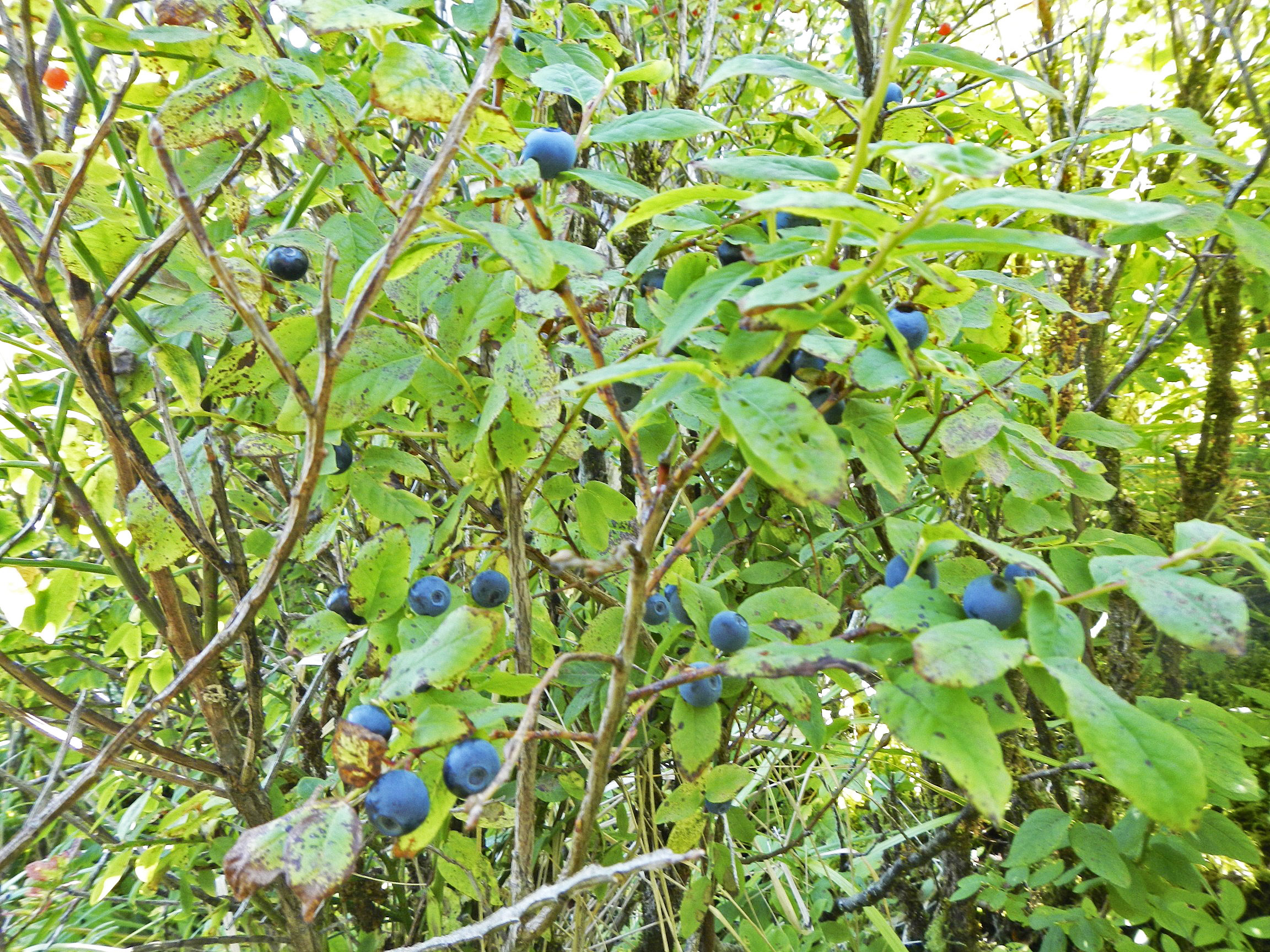
Blueberries (kanat'á)

Blueberries (kanat’á)

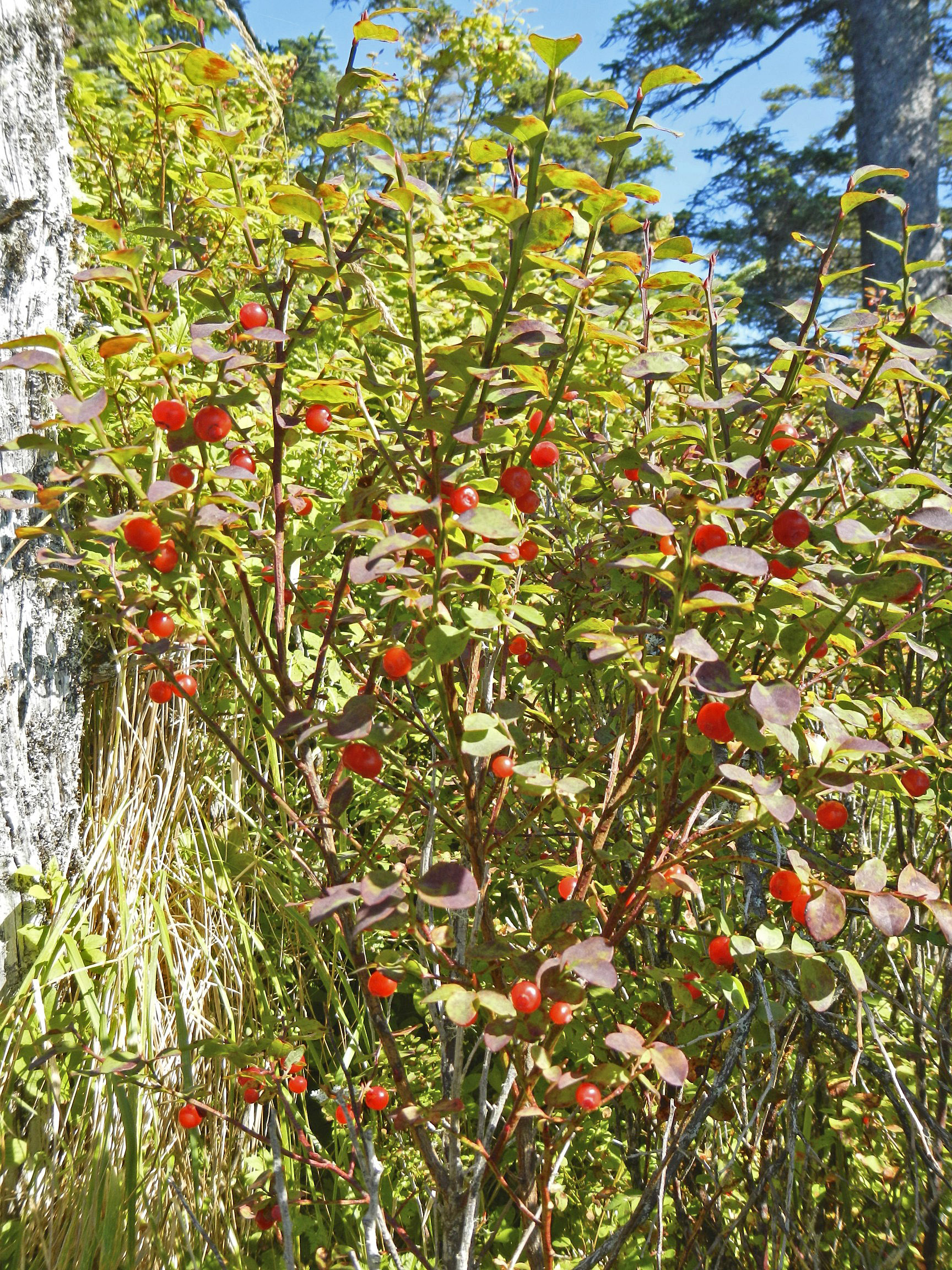
Huckleberries (tleikatánk)

Huckleberries (tleikatánk)

The Sitka Tribe of Alaska’s Kayaaní Commission (aka, the Plants Commission) and your Sitka Local Foods Network (SLFN) remind Sitka residents that it’s time to get out in the woods and pick huckleberries (tleikatánk) and blueberries (kanat’á).

Huckleberries and blueberries are extremely healthy fruits that grow in the forests and openings that surround Sitka. They are a traditional food of the Tlingít and have become a traditional food for Sitka residents who depend on nature’s bounty to keep their families healthy. They can be used fresh on a salad, in jams and smoothies, berry desserts and many other dishes. And they store well in the freezer for a healthy winter snack.

When going berry picking, please keep the following in mind (summarized from the Kayaaní Commission Traditional Harvesting Guidelines):

  • Be Courteous — other families are picking berries too; never take more than you need. If you accidentally got too much, share it with someone that you know will use it.
  • Be Safe — be positive about your identification of edible plants. Check your field guide for details if you are unsure. And pick berries during daylight with friends; make plenty of noise to keep bears away.
  • Take Care of the Berries — wash your berries with clean water before eating them and watch for rot, mildew, and insects. For best results: rinse berries, spread on a baking sheet to freeze, once frozen, slide off the tray and freeze in bags until ready to use.
  • Pick Clean Berries — from off the major road systems and in areas where you know pesticides and other chemicals will not have reached the berry plants.
  • Take Care of the Plants — make sure that there are plenty of other plants in the area (at least 10) to assure future abundance. Whenever possible, harvest so that the existing plant can reseed or recover after you are done. Treat the plants with respect. In Alaska Native cultures, it is traditional to thank the plant for its gift and give an offering. Each individual should show respect to the plant spirits in their own way.

“We encourage people to get out and pick the ripe berries. By getting out and picking berries you’ll get fresh, healthy food, exercise, and quality time with family and friends,” said Kayaaní Commission Coordinator Heather Riggs and Sitka Local Foods Network Vice President Michelle Putz. “Encouraging berry-picking for personal consumption and for winter storage supports both our missions. The Kayaaní Commission’s mission is to preserve their spiritual way of life and to preserve and protect traditional ways of their ancestral knowledge. The Sitka Local Foods Network’s mission is to increase the amount of locally produced and harvested food in the diets of Southeast Alaskans.”

While the kanat’á (blueberry) season is upon us, remember the plant is not finished offering its resources to the inhabitants of Sitka once the berries are gone. After the berries have completed their life cycle, the leaves from the plant can be utilized for its medicinal properties. Kanat’á leaves are high in antioxidants. These antioxidants can protect your body against heart disease and cancer. Making a tea from the leaves can help indigestion or a sore throat. Contact the Kayaaní Commission for more information on uses of native plants and methods of preparing plants.

More information about either group or local, traditionally harvested foods is available by calling Heather with the Kayaaní Commission at 747-7167 or Michelle with the Sitka Local Foods Network at 747-2708.

Please note that personal-use berry-picking is allowed on state and federal lands around Sitka, but any commercial-use berry-picking (money changes hands) requires a special permit, https://sitkalocalfoodsnetwork.org/2014/08/20/%E2%80%A2-tongass-national-forest-sitka-ranger-district-clarifies-rules-for-berry-picking-and-gathering-on-forest-lands/

• Kayaaní Commission Plant Gathering Guidelines

• 2003 Sitka Tribe of Alaska ordinance creating and defining the Kayaaní Commission