• Fish to Schools program seeks donations of coho salmon, photos from commercial fishermen

FishtoSchool

The Fish to Schools program needs help from Sitka’s commercial fishermen. The program needs a few hundred pounds of coho salmon to help make Fish to Schools meals for Sitka students during the upcoming 2015-16 school year. The program also is seeking photos of commercial fishermen at work, which can be used to teach the students more about how the fish got to their plates.

The coho salmon donation period is Monday. Aug. 24, through Monday, Aug. 31. To donate, commercial fishermen can sign up and indicate how many pounds they want to donate when they offload at Seafood Producers Cooperative or Sitka Sound Seafoods during the donation period. The program can only accept commercially caught fish (no sport or subsistence fish). The hope is to get enough coho donated that locally caught salmon can be offered to students at least once a week.

The Sitka Fish To Schools project (click here to see short video) got its start as a community wellness project at the 2010 Sitka Health Summit, and now is managed by the Sitka Conservation Society. It started by providing a monthly fish dish as part of the school lunch as Blatchley Middle School, and since then has grown to feature regular fish dishes as part of the lunch programs at Baranof Elementary School, Keet Gooshi Heen Elementary SchoolBlatchley Middle School, Sitka High SchoolPacific High School (where the alternative high school students cook the meals themselves), the SEER School, and Mount Edgecumbe High School.

FishtoSchool2In addition to serving locally caught fish meals as part of the school lunch program, the Fish To Schools program also brings local fishermen, fisheries biologists and chefs to the classroom to teach the kids about the importance of locally caught fish in Sitka. The program received an innovation award from the Alaska Farm To Schools program during a community celebration dinner in May 2012, and now serves as a model for other school districts from coastal fishing communities. In May 2014, the Fish to Schools program released a guidebook so other school districts in Alaska could create similar programs.

For more information, contact Sophie Nethercut of the Sitka Conservation Society, sophie@sitkawild.org or 747-7509. You also can contact Beth Short-Rhoads at 738-9942 or elianise@yahoo.com. Photos and captions of commercial fishermen working out on the water should be sent to Sophie.
• Sitka Local Foods Network, other groups make free dirt available for Sitka gardens

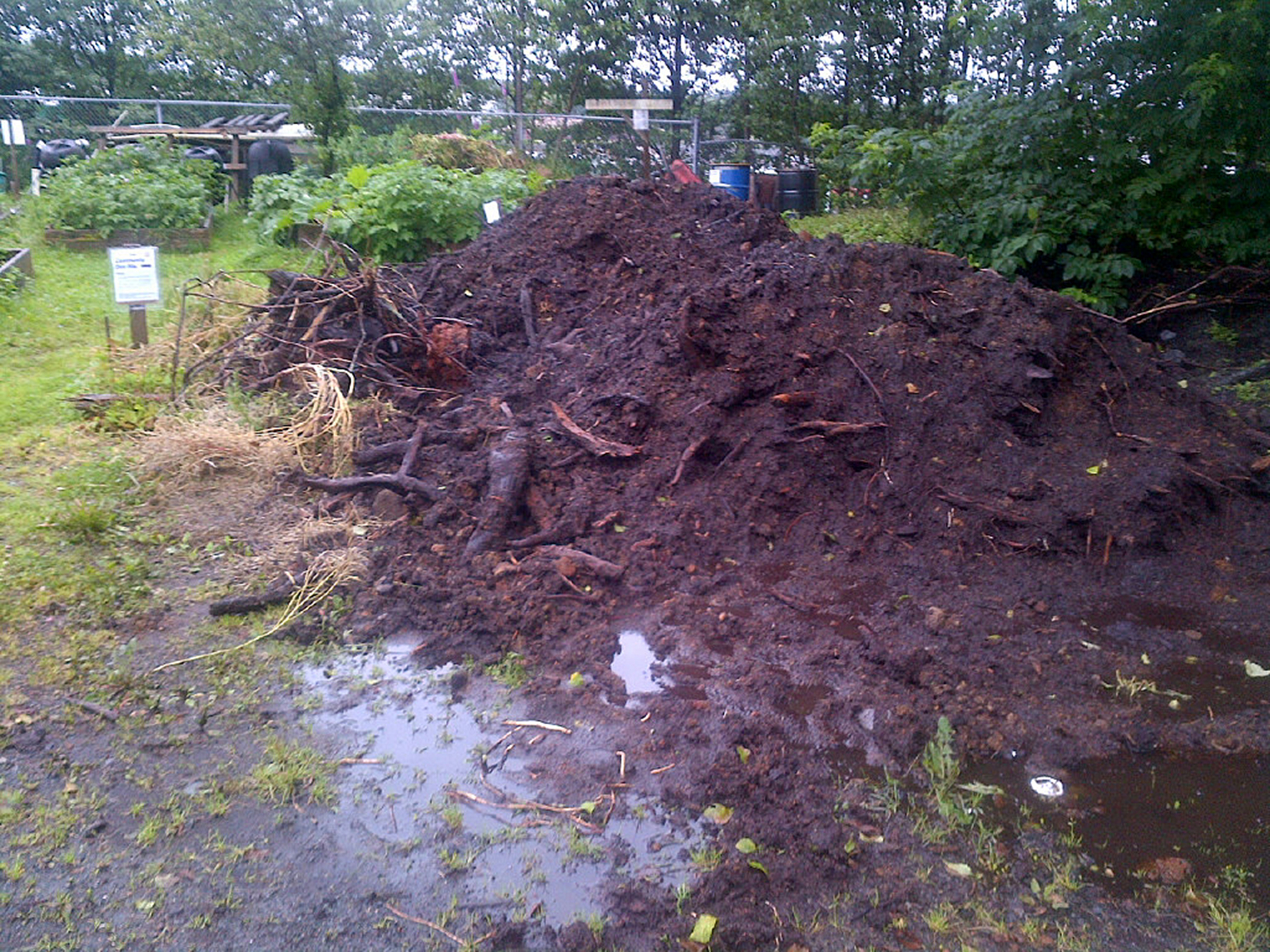
IMG-20150728-00480dirt

Get FREE Dirt to start a gardenFor the second straight year, free dirt is now available to the people of Sitka for their gardening needs.

Your Sitka Local Foods Network (SLFN) worked with and formalized an agreement with the City and Borough of Sitka, Sitka School District, and the Blatchley Community Gardens to provide free dirt to individuals, families, and non-commercial entities for developing fruit, vegetable, and flower gardens and beds.

The free community dirt pile is located at Blatchley Community Gardens, behind Blatchley Middle School. The pile is to the right (north) of the community garden and only dirt between the signs should be removed. People can remove dirt at any time, although avoiding school hours when school is in session is preferred.

“This is raw dirt, mostly from land development in forest and muskeg lots around Sitka,” SLFN Board Member Michelle Putz said. “It is NOT top soil, but it is a good starting point for gardens when mixed with locally purchased lime and sand, and locally purchased or produced compost, manure, and other organic materials.” The Sitka Local Foods Network asks that gardeners not remove sand, rocks, live kelp or live creatures from local beaches to build their soil.

People taking dirt should bring their own shovels and containers for dirt, and some sifting of tree roots and other debris may be required. To make sure there is enough for everyone, SLFN asks Sitkans to take as much as you need but please do not use it for commercial use or developing a lot. People who are coming for dirt need to respect the gardens, gardeners, compost, equipment and other materials at the Blatchley Community Garden site by only taking dirt from the pile and not removing or using anything else at the site.

“One of the most asked questions SLFN gets is ‘where can I get dirt to start a garden?’ We recognize that dirt is scarce in Sitka, and we wanted to try to do something about it,” Putz said. “Making soil, the starting point of all gardens, more available to people really helps us to meet our mission of increasing the amount of locally produced and harvested food in the diets of Southeast Alaskans. We hope that people will take all the dirt they need to build new and larger vegetable, fruit, and flower beds, planters and gardens.”

Thanks to the local contractors, such as Tisher Construction in 2015 and Troy’s Excavating in 2014, who provided the dirt. The Sitka Local Foods Network hopes to continue to provide free dirt, as needed. However, compost will not be given away or created at this time.

Those with questions or wishing to help volunteer on this or other SLFN projects should call Michelle Putz at 747-2708.

• Yaa Khusgé Yaaw Woogoo will teach middle school students about herring during spring break

2006 Herring collection 007

HerringBranchesThe Sitka School District and the Outdoor Foundation, in partnership with the Sitka Tribe of Alaska and Sitka National Historical Park, will host a free, week-long marine science and culture camp during spring break, March 16-20, for 20 sixth-grade, middle-school students. (NOTE: On Feb. 23, this program was opened up to all middle school students, grades 6-8, and the priority deadline was extended to March 6.)

Yaa Khusgé Yaaw Woogoo — Knowledge-of-Herring Camp — provides students the chance to explore the cultural and ecological importance of herring in a hands-on camp. Participants will use cutting-edge technology while working with renowned marine ecologist Michelle Ridgway to study Pacific herring in the field and in the lab. Students who participate in the camp will gain valuable experience conducting scientific research and will gain a deeper understanding of the critical role herring play in Southeast Alaska’s marine ecosystem, as well as the cultural significance of this keystone species.

Daily camp activities will include observing herring and other marine wildlife during marine field trips, conducting research throughout Sitka Sound and in the lab, learning about herring’s cultural significance from Native elders and culture bearers, exploring Sitka’s coastline to learn about critical herring habitat and using advanced scientific technology. Each daily session, held from 12:30-5:30 p.m., will conclude with a presentation or field activity lead by scientists, Native elders or local herring experts.

Applications are available at the Sitka National Historical Park visitors center, 106 Metlakatla St., at Blatchley Middle School, or they can be downloaded at http://www.nps.gov/sitk. All applicants must be in the sixth grade. Interested participants should submit an application by Feb. 20 to receive priority consideration. Completed applications should be returned to staff at Sitka National Historical Park’s visitor center. The hours of operation for the visitor center are Tuesday-Saturday from 9 a.m. to 3 p.m. For additional information, please contact Ryan Carpenter at 747-0121.

• Fish to Schools program seeks donations of coho salmon from commercial fishermen

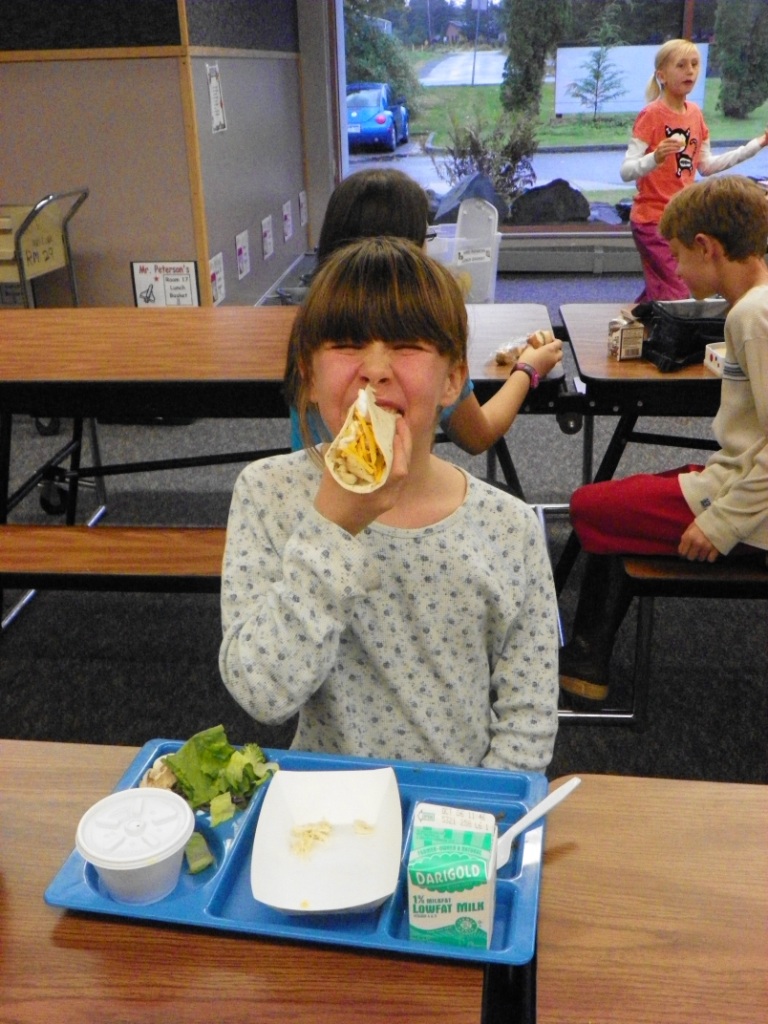
SCS-031_smFishToSchoolsTaco

The Fish to Schools program needs help from Sitka’s commercial fishermen. The program needs 500 pounds of coho salmon to help make Fish to Schools meals for Sitka students during the upcoming school year.

“Please donate a few of your fish at the closure of the second king opener to Fish to Schools this August and help us meet our goal to get locally caught coho in all Sitka schools,” Fish to Schools program coordinator Tracy Gagnon said. “We’re also collecting photos of you (fishermen) in action — please email a photo of you on the water.”

The Sitka Fish To Schools project (click here to see short video) got its start as a community wellness project at the 2010 Sitka Health Summit, and now is managed by the Sitka Conservation Society. It started by providing a monthly fish dish as part of the school lunch as Blatchley Middle School, and since then has grown to feature regular fish dishes as part of the lunch programs at Baranof Elementary School, Keet Gooshi Heen Elementary School,Blatchley Middle School, Sitka High School, Pacific High School (where the alternative high school students cook the meals themselves), the SEER School, and Mount Edgecumbe High School.

In addition to serving locally caught fish meals as part of the school lunch program, the Fish To Schools program also brings local fishermen, fisheries biologists and chefs to the classroom to teach the kids about the importance of locally caught fish in Sitka. The program received an innovation award from the Alaska Farm To Schools program during a community celebration dinner in May 2012, and now serves as a model for other school districts from coastal fishing communities. In May 2014, the Fish to Schools program released a guidebook so other school districts in Alaska could create similar programs.

To donate, sign up in the main offices at Seafood Producers Cooperative or Sitka Sound Seafoods. The program can only accept commercially caught fish (no sport or subsistence fish).

For more information, contact Tracy Gagnon at Sitka Conservation Society, tracy@sitkawild.org or 747-7509.

• Sitka Local Foods Network, other groups make free dirt available for Sitka gardens

IMG_9095

IMG_6075Free dirt is now available to the people of Sitka for their gardening needs. On a trial basis, your Sitka Local Foods Network (SLFN) worked with and formalized an agreement with the City and Borough of Sitka, Sitka School District, and the Blatchley Community Gardens to provide free dirt to individuals, families, and non-commercial entities for developing fruit, vegetable, and flower gardens and beds.

The free community dirt pile is located at Blatchley Community Gardens, behind Blatchley Middle School. The pile is to the right (north) of the community garden and only dirt between the signs should be removed. People can remove dirt at any time, though avoiding school hours when school is in session is preferred.

“This is raw dirt, mostly from land development in forest and muskeg lots around Sitka. It is NOT top soil, but it is a good starting point for gardens when mixed with locally purchased lime and sand, and locally purchased or produced compost, manure, and other organic materials,” said Michelle Putz, SLFN vice-president. The Sitka Local Foods Network asks that gardeners not remove sand, rocks, live kelp or live creatures from local beaches to build their soil.

People taking dirt should bring their own shovels and containers for dirt. To make sure there is enough for everyone, SLFN asks Sitkans to take as much as you need but please do not use it for commercial use or developing a lot. People who are coming for dirt need to respect the gardens, gardeners, compost, equipment and other materials at the site by only taking dirt from the pile and not removing or using anything else at the site.

“One of the most asked questions SLFN gets is ‘where can I get dirt to start a garden?’ We recognize that dirt is scarce in Sitka, and we wanted to try to do something about it,” Putz said. “Making soil, the starting point of all gardens, more available to people really helps us to meet our mission of increasing the amount of locally produced and harvested food in the diets of Southeast Alaskans. We hope that people will take all the dirt they need to build new and larger vegetable, fruit, and flower beds, planters and gardens.”

Local contractors, like Troy’s Excavating are providing the dirt. If this trial goes well, the Sitka Local Foods Network hopes to continue to provide free dirt. Compost will not be given away or created at this time.

Those with questions or wishing to help volunteer on this or other SLFN projects should call Michelle Putz at 747-2708. (Editor’s note, click this link to listen to an Aug. 5 story about the community dirt pile from KCAW-Raven Radio.)

• Sitka Conservation Society publishes resource guide for statewide Fish to Schools programs

Serving Local Fish in School Cafeteria_Page_01

The Sitka Conservation Society, which coordinates Sitka’s Fish to Schools program, has published a new resource guide, A Guide to Serving Local Fish in School Cafeterias, to help other school districts around the state implement similar programs in their communities.

F2S_Elementary2The Sitka Fish to Schools program came out of the 2010 Sitka Health Summit, when local residents chose as one of its community wellness projects to serve more local seafood in our schools. Since then the program has grown so that all students from Grades 2-12 in Sitka have a local seafood lunch option at least twice a month. This includes the Sitka School District schools, Keet Gooshi Heen Elementary School, Blatchley Middle School, Sitka High School, and Pacific High School, plus other local schools, the state-run boarding school Mount Edgecumbe High School and the private K-8 The SEER School.

Sitka is one of the first districts in the state to serve local seafood through the National School Lunch Program and has become a leader in the State of Alaska in getting local foods into schools. In the last three years, the number of schools interested in serving local seafood has increased ten-fold. Haines, Dillingham, Kodiak, Galena, and Juneau are a few of the districts that are now serving seafood in their meal programs.

In an effort to support regional and statewide efforts to serve local foods in schools, the Sitka Conservation Society developed a “how-to” guide to serving fish in schools. Using Sitka as a case study, it outlines procurement and processing strategies, legalities, tips, and recipes. Also included are case studies from around the state that offer tips and suggestions based on the success of their programs.

F2S_Elementary3The Sitka Fish to Schools program has seen an increase in meal participation on fish lunch days, likely attributed to the participation of students who typically bring a sack lunch. One student who reported never liking fish started to eat fish after a local chef came to her classroom. Others students circle fish lunch dates on their school lunch calendar, refusing home lunch that day. And why are they so excited? A middle school student put it this way, “It’s healthy and good for you and you feel good after you eat it.” Others give reasons of wanting to become a fisherman or cite the economic value to their community.

In addition to this guide is the “Stream to Plate” curriculum, a unit of seven lessons that connect salmon to the classroom. The lessons address the ecological significance and human relationship to salmon. These lessons have been tried and refined the last three years with third graders at Keet Gooshi Heen Elementary School.

Chris Bryner, teacher and collaborator on the salmon unit said, “The Fish to Schools curriculum connects my classroom to the community. Students not only learn about a resource relevant to their daily lives, but come away with an understanding that learning happens inside and outside of school.”

As the ninth largest seafood port in the country, Sitka is paving the way for locally-sourced meals. Their efforts are part of a larger national movement, Farm to School, to get local foods in schools. The Alaska Farm to School program honored Sitka’s Fish to Schools program for its innovation a couple of years ago.

celebrate fish to state“The beauty of Fish to Schools is that it provides a practical, local solution to a multitude of current global issues,” Fish to Schools Co-Founder Lexi Fish said. Local sourcing reduces the environmental impact of foods grown and raised thousands of miles away and ultimately supports a more resilient food system.

Local fish in school lunches not only tastes “delicus” (stet), as one third grader put it, but also addresses food justice, nutrition, community sustainability, and conservation. To get a free copy of the guide and curriculum, visit http://sitkawild.org/2014/03/a-guide-to-serving-local-fish-in-school-cafeterias/ or contact Sitka Conservation Society Community Sustainability Organizer Tracy Gagnon at 747.7509 or tracy@sitkawild.org.

Also, don’t forget to stop by the Celebrate Fish to State event from 6:30-7:30 p.m. on Thursday, March 20, at Blatchley Middle School to learn more about the efforts to expand the Fish to Schools program statewide.

• Celebrate Fish to State takes place on March 20 to support statewide Fish to Schools program

celebrate fish to state

SCSCohoPortionsForCookingSitka’s Fish to Schools program has been extremely successful the past three years, and now there’s a movement to make similar programs available statewide. Join us from 6:30-7:30 p.m. on Thursday, March 20, at Blatchley Middle School as we celebrate Fish to State.

This event will celebrate the success of the Sitka Fish to Schools program, which is coordinated by the Sitka Conservation Society and other partners. The event will include short presentations from Sitka School Board President Lon Garrison, Sitka Local Foods Network President Lisa Sadleir-Hart, and Sitka Conservation Society Community Sustainability Organizer Tracy Gagnon. Light refreshments will be available.

The Sitka Fish to Schools program came out of the 2010 Sitka Health Summit, when local residents chose as one of its community wellness projects to serve more local seafood in our schools. Since then the program has grown so that all students from Grades 2-12 in Sitka have a local seafood lunch option at least twice a month. This includes the Sitka School District schools, Keet Gooshi Heen Elementary School, Blatchley Middle School, Sitka High School, and Pacific High School, plus other local schools, the state-run boarding school Mount Edgecumbe High School and the private K-8 The SEER School. The award-winning program has served as a model for a handful of other school districts in Alaska, and now there is a push to make it available statewide with a full curriculum and resource guide, plus financial support.

For more information, contact Ray Friedlander of the Sitka Conservation Society at 747-7509 or ray@sitkawild.org.


• Sitka Food Hub sub-committees to host meetings on food storage, community kitchen

SalvationArmyTunaShelf

Summit_LogoThe two sub-committees from the Sitka Food Hub project of the 2013 Sitka Health Summit will host meetings in the next week. The project has two main focus groups — to increase Sitka’s capacity for emergency food storage, and to create a community commercial kitchen that can be rented to local start-up businesses and residents who need a place to preserve food they’ve harvested.

The emergency food storage group will meet at noon on Friday, Feb. 14, at Harrigan Centennial Hall. This group is looking for ways to help improve and expand community food storage for disaster preparedness. It also will be looking for ways to help educate Sitka residents about how to improve their own family food storage to be better prepared for emergencies.

The community commercial kitchen group will meet at 6:30 p.m. on Monday, Feb. 17, at Blatchley Middle School, Room 208. This group is trying to gauge the interest of local residents in having a rental commercial kitchen available for use. It also is looking at examples from other communities at how community commercial kitchens helped educate residents on food preservation, incubated local small businesses, and cultivated new opportunities for the community.

The next meeting for both groups combined is at 6:30 p.m on Thursday, March 6, at Harrigan Centennial Hall. Fo more information about the project, contact Marjorie Hennessy at marjorie@sitkawild.org.

• Sitka School District touts more state investment into local foods for school lunch programs

SCSCohoPortionsForCooking

During its Feb. 4 meeting, the Sitka School Board put its weight behind an effort to increase funding for locally sourced food in schools across the state.

In a resolution to the legislature, the board cited the success of Sitka’s Fish to Schools program as justification for extending a similar statewide program beyond one year. Nutritional Alaskan Food for Schools (NAFS) was introduced by Rep. Bill Stoltze (R-Anchorage) in 2012, and piloted last year. This year the governor has included funding of $3 million dollars for the program — but only for one year. All schools in Alaska will receive funding from the program, based on student population. The Sitka School District and state-run Mount Edgecumbe High School received $39,000 from the program last year, which mostly went for seafood purchases (Mount Edgecumbe did buy some potatoes from Gustavus, and Pacific High School bought some vegetables from St. Peter’s Fellowship Farm).

In late January, Tracy Gagnon, who coordinates the Fish to Schools program for the Sitka Conservation Society, submitted the following letter to the editor to the Daily Sitka Sentinel outlining the reasons to support the program.

Nutritional Alaskan Foods for Schools

Dear Editor,

Sitka is one of the first communities in Alaska to push for local foods in schools through the Fish to Schools program; now it’s time to go state-wide. The Governor has included in his FY15 budget state funding to reimburse school districts for their purchases of Alaskan grown or caught foods through the Nutritional Alaskan Foods for Schools program (NAFS). This makes it possible for schools to serve local, nutritious foods to their students, sourcing from farmers, fishermen, and processors in or around their communities. NAFS improves Alaska’s food security and helps us create a more sustainable local food system.

Representative Stoltze proposed NAFS in 2011, and more than 100 vendors and 48 school districts benefited from this legislation in the 2012-2013 school year. Nearly 90 percent of those 48 school districts purchased local seafood.

Every year food producers and school food service providers wait anxiously every spring for NAFS to pass. And usually it’s too late for farmers to meet the extra demand because they’ve already planted their crops and food service has already purchased other foods. Making this funding permanent would provide both food service and food producers the consistency necessary for advanced planning and coordination of harvest to ensure supply meets demand.

The Sitka Conservation Society thanks both the leadership of Representative Stoltze and Governor Parnell for including NAFS in his proposed budget. We urge Alaska Legislators to support the permanent funding of a program that increases Alaska’s food security, catalyzes Alaska’s food production, supports local communities, and improves the health of our students.

Tracy Gagnon
Community Sustainability Organizer
Sitka Conservation Society

• Seventh annual Sitka Health Summit helps celebrate a culture of wellness in Sitka

Layout 1

The seventh annual Sitka Health Summit is coming up, and this year’s event features health fair, lunch-and-learn, community planning day and community wellness awards.

This annual event got its start in 2007, when leaders from Sitka Community Hospital and the SouthEast Alaska Regional Health Consortium (SEARHC) got together to try and build bridges between their health organizations. Working with other partners, they created the Sitka Health Summit as a way to help improve the health culture in Sitka.

Summit_LogoThis year’s summit opens with the Sitka Community Health Fair, which takes place from 8:30 a.m. to 12:30 p.m. on Saturday, Sept. 21, at Sweetland Hall on the Sheldon Jackson Campus. This event features workers from the Alaska Health Fair Inc., who will provide a variety of medical tests such as cholesterol checks, glucose tests, vision screenings, flu shots, and more. It also includes informational booths from a variety of health-related programs in Sitka.

At noon on Monday, Sept. 23, at Kettleson Memorial Library will be a lunch-and-learn with Dr. Don Lehmann, a local physician and sports medicine specialist. He will give a brief talk called “Whistle While You Walk,” which will feature highlights about Sitka’s trail system. Participants can enter for a chance to win a set of walking sticks.

The “Community Planning Day: Selecting Sitka’s Wellness Goals” is from 8:30 a.m. to 4:30 p.m. on Friday, Sept. 27, at Sweetland Hall. This all-day event is when members of the community get together and select two community wellness projects to work on this year. The two projects will receive $1,500 in seed money, plus facilitation to help get the project going. Last year’s three winning projects included the Sitka Downtown Revitalization project, Walk Sitka‘s work in applying for a Walk Friendly Communities award, and the Sitka Community Food Assessment. Some of the top projects from previous years include the Sitka Bicycle Friendly Community award applications in 2008 and 2012, the Choose Respect mural at Blatchley Middle School to raise awareness about sexual and domestic violence, the Sitka Outdoor Recreation Coalition’s Get Out, Sitka! project to get more families and kids outdoors, supporting the Hames Athletic and Wellness Center as a community resource, etc. There also have been several projects related to local foods, such as creating a Sitka Farmers Market, expanding community gardens and building a community greenhouse, planting dozens of fruit trees around town, promoting more local fish in school lunches, community composting,, and more. The first 65 people to RSVP will receive a free lunch (contact Clara Gray at clara.gray@searhc.org).

Finally, this year’s Sitka Community Wellness Champion Awards will be presented as part of the Monthly Grind at 7 p.m. on Friday, Oct. 5, at the Sheet’ká Kwáan Naa Kahídi on Katlian Street. The awards are made in a variety of categories, such as physical fitness, nutrition, tobacco control and policy, holistic health, injury prevention, and general wellness.

For more information, call Doug Osborne at 966-8734 or go to the Sitka Health Summit’s website at http://www.sitkahealthsummitak.org/.