• Sitka Seafood Festival to hold debriefing meeting on Tuesday (Aug. 17)

Now that the inaugural Sitka Seafood Festival is over, the steering committee will host a debriefing meeting at 7 p.m. on Tuesday night, Aug. 17, at the wine bar at the New Bayview Restaurant. The debriefing session will be informal and shouldn’t last long. People who can’t make it, but have comments, can contact festival coordinator Alicia Peavey.

To learn more about the Sitka Seafood Festival or to find out how you can be a part of the second annual festival, send an e-mail to sitkaseafoodfestival@gmail.com. You also can contact Alicia Peavey at alaska_al33@hotmail.com or 1-928-607-4845.

Anyway, here is a slideshow of scenes from the inaugural Sitka Seafood Festival. A similar slideshow can be found at the Sitka Local Foods Network’s photo site on Shutterfly.

This slideshow requires JavaScript.

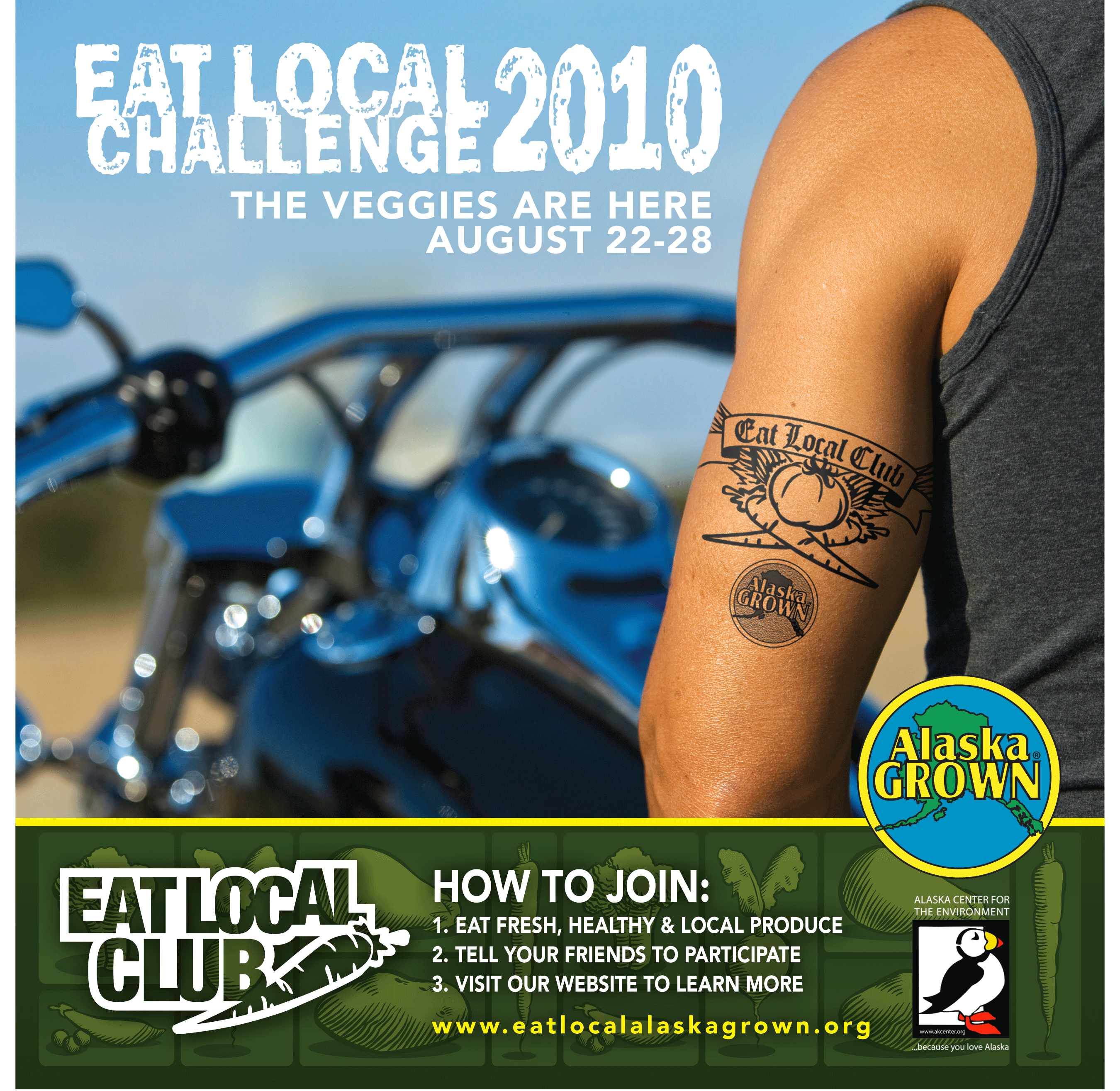
• Alaska Grown, Alaska Center For The Environment team up to host the Eat Local Challenge 2010 on Aug. 22-28

The state’s Alaska Grown program will host its “Eat Local Challenge 2010” on Sunday through Saturday, Aug. 22-28 (click here to read more). This year, the Alaska Center for the Environment, has joined Alaska Grown as a sponsor as part of the center’s local foods and sustainable communities program.

Alaskans have many ways to eat local, from veggies they grow in their own gardens or buy from Alaska farmers, berries they pick, fish they catch, game meat they hunt, seaweed and other beach greens they gather, etc. The benefit of eating local food is it’s fresher so it tastes better and has more nutrients, and you cut out the thousands of miles of transportation costs needed to ship food from the Lower 48 and other countries to Alaska. Growing local food makes a community more sustainable.

During the week of Aug. 22-28, Alaska residents are encouraged to:

  • Try eating at least one home-cooked meal this week, made of mostly local ingredients.
  • Try to incorporate at least one never-before-used local ingredient into a meal.
  • Try “brown-bagging” at least one meal this week made primarily of local ingredients.
  • Try talking to at least one local food retailer and one food producer about local food options.
  • Try to choose local food products whenever possible.

By the way, a good time to buy local food for the Eat Local Challenge is during the third Sitka Farmers Market of the summer on Saturday, Aug. 14, and during the fourth market on Saturday, Aug. 28. The Sitka Farmers Markets take place from 10 a.m. to 2 p.m. on alternate Saturdays (through Sept. 11) at historic Alaska Native Brotherhood Hall, 235 Katlian St. We’ll see you there.

• The Sitka Farmers Market needs your vote in the America’s Favorite Farmers Markets contest

Do you enjoy the Sitka Farmers Market? Do you feel like it helps contribute to the community of Sitka? Then we need your vote in the 2010 America’s Favorite Farmers Markets contest, which is a national contest sponsored by the American Farmland Trust.

The contest is designed to raise national awareness about the importance of supporting fresh food from local farms and farmers. Market shoppers will vote to support their favorite farmers market starting June 1 until midnight (Eastern time) on Aug. 31, 2010. People can vote for as many participating farmers markets as they choose, but can only vote for each market once.

At the end of the contest, one small, medium, large, and a new category, boutique, farmers market will win the title of “America’s Favorite Farmers Market” for 2010. The reward for the winning market in each category will be a shipment of No Farms No Food® tote bags, along with other prizes including free printing services from igreenprint and free graphic design services from Virginia based design firm, SQN Communications. The categories are based on the number of vendors the farmers market has. The four categories are Boutique (15 or fewer vendors), Small (16-30 vendors), Medium (31-55 vendors) and Large (more than 56 vendors). The Sitka Farmers Market competes in the Boutique category.

In addition to the national competition in each of the four size categories, there also is a ranking for the top vote-getters in each state. The Sitka Farmers Market was leading for Alaska on July 29, but a flurry of votes moved HomeGrown Market of Fairbanks (which competes in the Medium category) into a commanding lead. We need your help to close the gap.

Voting is simple, just click on the America’s Favorite Farmers Markets contest logo in the right-hand column of this webpage, or click this link and follow the prompts. Then, after you vote, please spread the word to your friends or post a note on Facebook to let other people know to vote. Your vote shows your support for fresh, locally grown produce.

The Sitka Farmers Market features locally grown produce, locally caught wild seafood, home-baked goods, jams and jellies, arts and crafts, music and fun for the whole family. Our emphasis is on local foods and fun.

By the way, the remaining Sitka Farmers Markets this year are from 10 a.m. to 2 p.m. on Saturday, Aug. 14, Aug. 28 and Sept. 11, at the Alaska Native Brotherhood Hall. We’ll see you there.

• Sitka Seafood Festival steering committee to meet Monday night (July 26)

The Sitka Seafood Festival steering committee will meet at 7 p.m. on Monday night, July 26, at Harrigan Centennial Hall. Pizza and drinks will be supplied.

There will be a quick meeting at 6 p.m. at Harrigan Centennial Hall for those people willing to volunteer to help serve or in the kitchen during the Friday, Aug. 6, banquet dinner event. Please try to attend if you are able to make this. If you are interested in helping but can not attend this meeting, please let Alicia Peavey know so she can finalize the volunteer list.

The inaugural Sitka Seafood Festival takes place on Aug. 6-7 at the Crescent Harbor shelter, Harrigan Centennial Hall and other parts of Sitka. A tentative schedule of events is posted below. Feel free to print it out and post it on local bulletin boards.

The Sitka Seafood Festival is Aug. 6-7, and the guest chef is Robert Kinneen of Orso Ristorante in Anchorage, who will prepare a gourmet seafood meal on Friday night with the assistance of several local chefs. Entertainment for the festival will be provided by the bluegrass band Trampled By Turtles and the four-man juggling, acrobatic, martial arts and comedy troupe “NANDA: Acrobaticalist Ninja Action Heroes.” The basic format of the event features a special dinner on Friday night with a variety of educational events, seafood booths and entertainment all day Saturday. Click on the poster link below for more details.

Also, don’t forget the beer tasting and smoked salmon contest from 6-8 p.m. on Friday, July 30, at the Westmark Sitka. This fundraising event costs $30, and there will be live music, treats from Chef Jo, a variety of beers to sample from local distributors and a chance to win the prizes in the best smoked salmon contest. There is a $10 fee to enter the contest (which is deducted from your admission), and participants receive five pounds of salmon to smoke. For more details about the contest, go to the Sitka Seafood Festival site or contact Molly Andrews at (509) 953-9509 or molly@sitkawild.org.

And don’t forget the Sitka Seafood Festival art and logo contest, so put on your thinking cap and send your camera-ready art entries to 411 Hemlock St., Sitka, AK, 99835, by Aug. 1. There will be a prize for the winning logo. Also, bring your seafood-, ocean- or marine-themed art to the art show Aug. 7 at Harrigan Centennial Hall. For more information, call Jeff Budd at 747-4821 or e-mail sitkaarts@yahoo.com.

To learn more about the Sitka Seafood Festival or to volunteer to help on one of the committees, e-mail sitkaseafoodfestival@gmail.com. You also can contact Alicia Peavey at alaska_al33@hotmail.com or 1-928-607-4845.

• Sitka Seafood Festival schedule poster (opens as PDF document)

• Sitka Seafood Festival details (talking points)

• Sitka Seafood Festival sponsors list (please send any corrections to Alicia Peavey)

• Down To Earth u-pick garden opens for its second summer of providing fresh produce in Sitka

Sitka resident Lori Adams said the Down To Earth u-pick garden is open for its second summer of producing locally grown vegetables that Sitka residents can pick themselves.

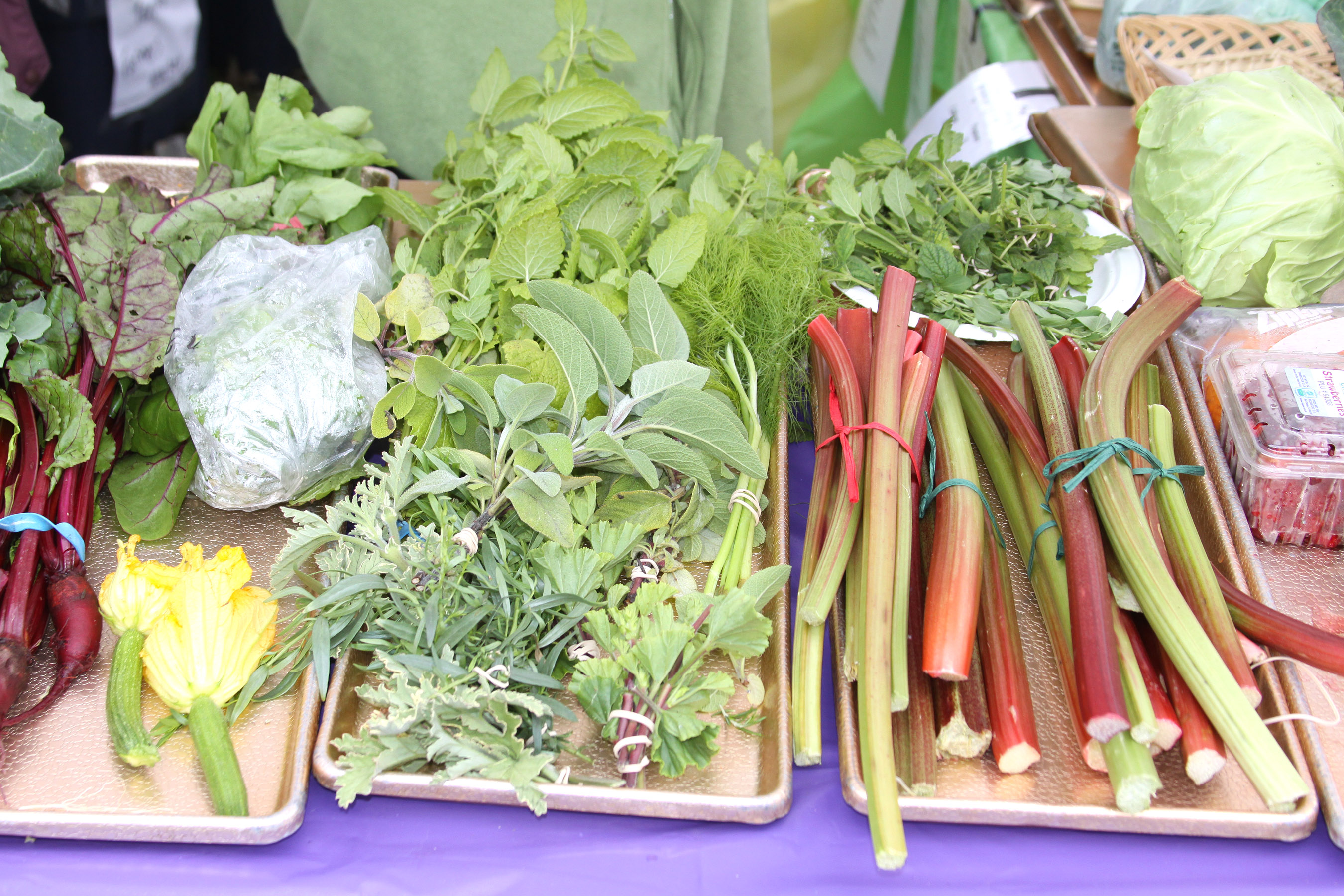
Lori said she has lettuce and spinach available now, as well as rhubarb, white and red radishes, herbs, Egyptian walking onions, and a few plant starts. She also makes gift baskets. Lori is posting updates to the Sitka Local Foods Marketplace page about what in-season produce is available. (This page is available for other Sitka gardeners, commercial fishermen and other local food producers to use to let residents know what food is available.)

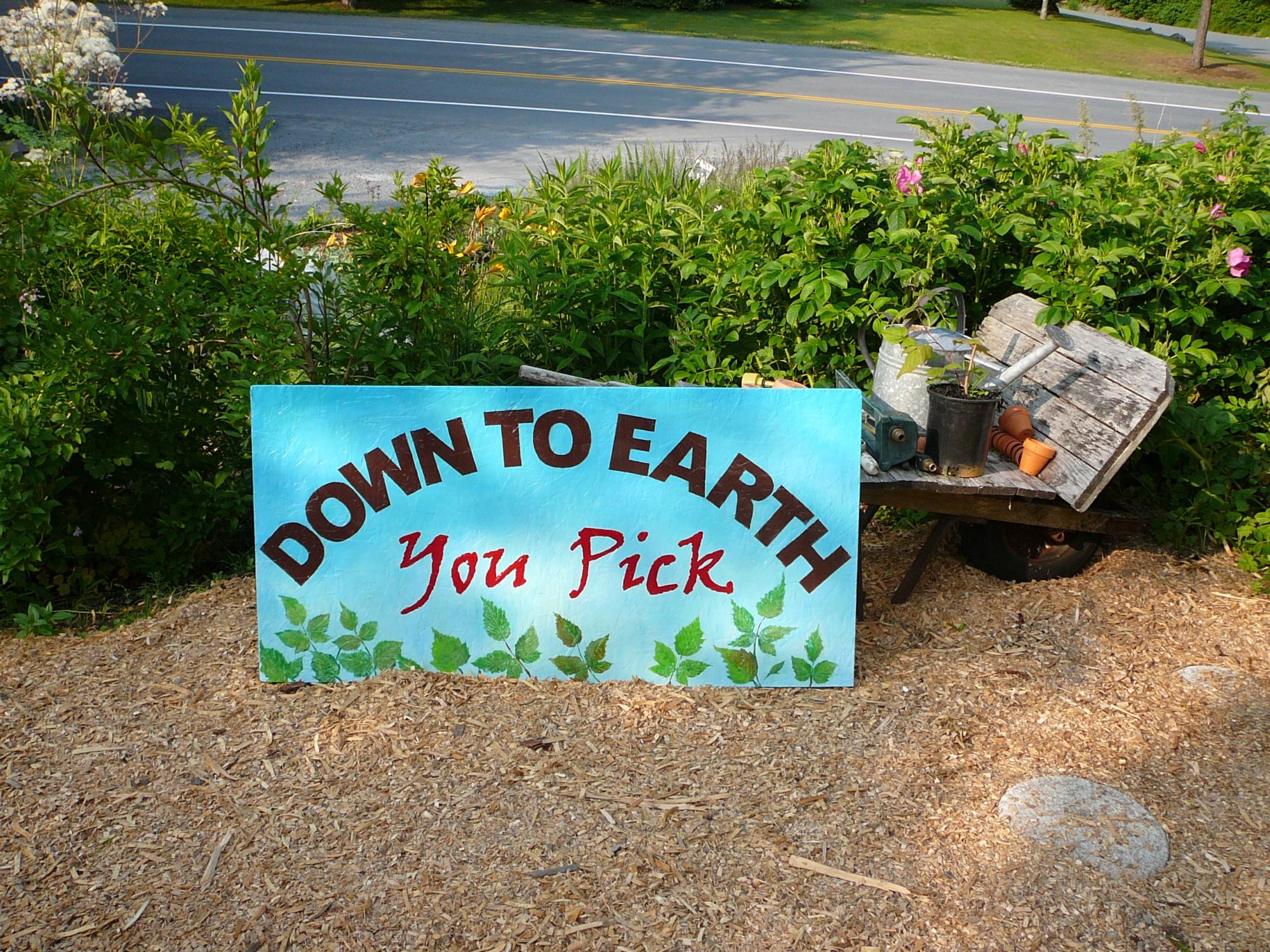
The Down To Earth u-pick garden is open from 11 a.m. to 6 p.m. on Mondays through Saturdays for the rest of the summer, and people can reach Lori at 738-2241 to see what produce is available and what’s about to come into season. The garden is located at 2103 Sawmill Creek Road (across from the Mormon church, look for the sign in the photo). Click here to learn more about the Down to Earth u-pick garden.

This slideshow requires JavaScript.

• Palmer-based CSA looks into distributing produce boxes to Southeast customers

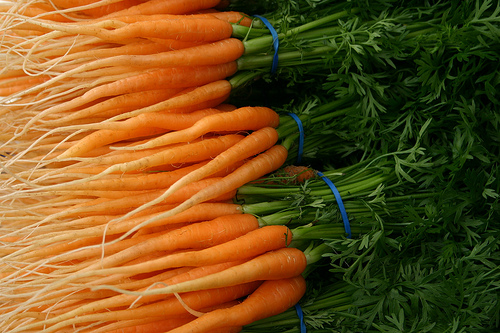
Baby carrots from the Glacier Valley Farm CSA photostream by South Anchorage Farmers Market Reporter Alison Arians

Baby carrots from the Glacier Valley Farm CSA photostream by South Anchorage Farmers Market Reporter Alison Arians

Glacier Valley Farm CSA, which is based in the Palmer area, is considering expanding its distribution network to include some Southeast communities, including Sitka.

Glacier Valley currently distributes its produce in the Anchorage, Mat-Su Valley and Kenai Peninsula areas. However, a customer service rep named Nelli said the CSA has been receiving a lot of interest from Southeast Alaska. For those not familiar with a CSA, or Community Supported Agriculture, small farms sell subscriptions or memberships to local residents, who share in the produce of that farm through weekly boxes of fruits and veggies (and sometimes fresh bread). Glacier Valley Farm CSA is owned by Arthur and Michelle Keyes, who also own A & M Farms.

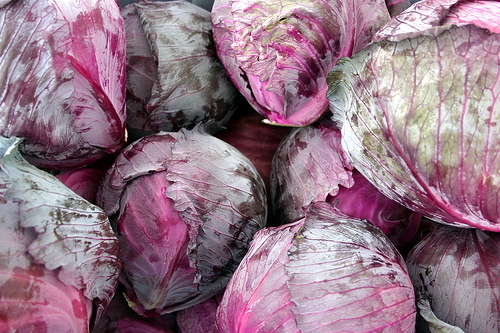
Red cabbage from the Glacier Valley Farm CSA photostream by South Anchorage Farmers Market Reporter Alison Arians

Red cabbage from the Glacier Valley Farm CSA photostream by South Anchorage Farmers Market Reporter Alison Arians

“We are getting a growing list of interested people together, so that when we officially launch our Southeast service we can let folks know,” Nelli wrote in an e-mail.

She encourages people to go to the Glacier Valley Farm CSA website and learn more about the services it provides. On its site, Glacier Valley advertises itself as, “The only year-round CSA produce box program featuring Alaskan vegetables.” When it can, the program uses Alaska Grown produce from some of the better-known Mat-Su Valley farms. But sometimes Lower 48 fruits and veggies do make it into the boxes, especially in the winter when storage veggies may look a bit sketchy.

The CSA’s site lists produce box contents from previous weeks, community pick-up locations, recipes, and how to order information.This link features photos of some of the fruits and veggies Glacier Valley Farm CSA sells at the South Anchorage Farmers Market.

Nelli said if people are interested in regularly ordering a produce box or have any questions, they should e-mail her at customerservice@glaciervalleycsa.com to let her know. She said people also should let her know their home community (Sitka, Juneau, etc.) so she can let people know when there are enough people in that community to start service.

While the Glacier Valley Farm CSA program is not based in Southeast Alaska, there are some people in town who prefer to eat Alaska Grown produce, even if it travels nearly the same distance from Anchorage and the Mat-Su Valley as produce from Washington-based Full Circle Farm CSA, Chelan Produce and other organizations that serve Sitka. The Sitka Local Foods Network encourages Sitka residents to buy produce grown by Sitka gardeners first, then look within the region before buying produce grown elsewhere.

• Sitka represented at first meeting of new Alaska Food Policy Council

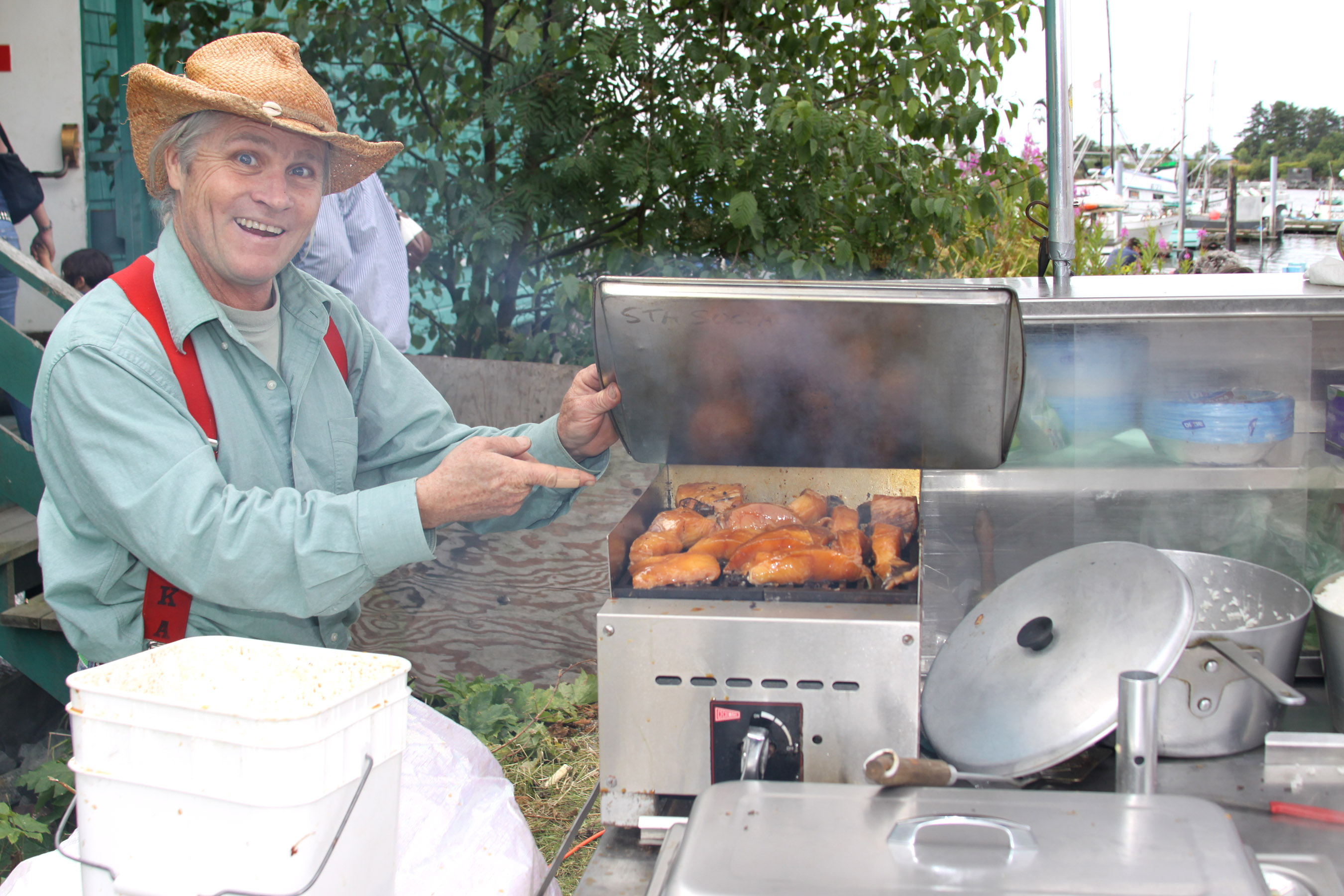
Kerry MacLane grills black cod for the Alaska Longline Fisherman's Association booth at an August 2009 Sitka Farmers Market

Kerry MacLane grills black cod for the Alaska Longline Fisherman's Association booth at an August 2009 Sitka Farmers Market

When the new Alaska Food Policy Council held its first meeting in Anchorage last month, Sitka Local Foods Network president Kerry MacLane was among the 80 or so people in attendance.

“There were nutritionists, politicians, state and federal government folks galore, Native groups, Alaska ranchers (of reindeer, musk ox, elk, goats and even cows), our one creamery, schools, WIC (Women, Infants, Children supplemental nutrition program), restaurants, truckers, a food wholesaler and even some people growing fruits and vegetables,” said Kerry, whose meeting notes are linked as a PDF file at the bottom of this story. “I was honored to represent Sitka at the first meeting of the Alaska Food Policy Council.”

The Alaska Food Policy Council is a new venture in Alaska, but food policy councils are becoming more common around the country at the state and regional level, especially as more people are becoming concerned about where their food comes from and what’s in it. The first meeting of the Alaska Food Policy Council featured guest speaker Mark Winne of the Community Food Security Coalition, who discussed what food policy councils do, and there was a panel of experts from around the state who gave brief presentations about different parts of Alaska’s food system. Many of the participants also took an online survey about Alaska’s food system, which helped provide guidance for the two-day meeting.

“This group will take a critical look at our current food system and start thinking about ideas for building a stronger regional system,” Daniel Consenstein, executive director of the U.S. Department of Agriculture’s Alaska Farm Service Agency, wrote about the meeting. “Most of these stakeholders know that keeping more of our food dollars in Alaska will help create jobs and spur economic development. They know that if Alaska can produce more of its own food, we can build healthier communities and be less vulnerable to food disruptions in times of emergencies. The long-term goals of the Food Policy Council will be to identify barriers to building a viable Alaskan food system, create a strategic plan to address these barriers, and make the necessary recommendations to decision makers to implement this plan. Over the next year, this group will develop an action plan to make Alaska more food secure.”

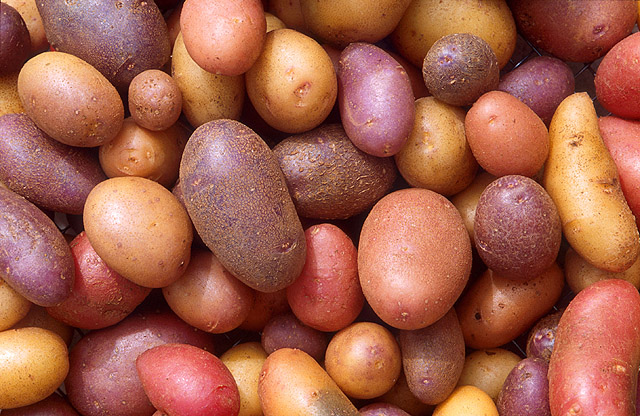
Photo courtesy of USDA Agricultural Research Service Image Gallery / Photo by Scott Bauer -- The average American eats 142 pounds of potatoes a year, making the tubers the vegetable of choice in this country

Photo courtesy of USDA Agricultural Research Service Image Gallery / Photo by Scott Bauer -- The average American eats 142 pounds of potatoes a year, making the tubers the vegetable of choice in this country

Diane Peck of the Alaska Division of Public Health is coordinating the Alaska Food Policy Council, which is having its creation funded by a grant from the U.S. Department of Agriculture and from a two-year grant from the Alaska Department of Health and Social Services Obesity Prevention and Control Program (grant originally provided through the U.S. Centers of Disease Control and Prevention). Detailed meeting minutes and a purpose and next steps document are linked below as PDF files.

The University of Alaska Fairbanks School of Natural Resources and Agricultural Sciences posted a good, detailed wrap-up of the first meeting on its blog, and the University of Alaska’s “Statewide Voice” also had an article about the meeting.

The creation of the Alaska Food Policy Council has sparked regional interest in Southeast Alaska. The Health, Education and Social Services committee of the Southeast Conference will meet by teleconference at 10 a.m. on Tuesday, June 22, to discuss the Alaska Food Policy Council (click Calendar and Events on the link to get call-in numbers and codes). “We have opportunity to advance our local food production and utilize the bounty of our region to sustain our people and improve our health,” Southeast Conference executive director Shelly Wright wrote about the Alaska Food Policy Council.

“There are numerous benefits that food policy changes could mean for residents of Southeast Alaska,” Kerry MacLane said. “The bycatch regulations could be modified to encourage great recovery, processing and distribution. This would result in affordable fish in local markets, schools, health institutions and statewide. Federal, state and local government institutions would have more incentives and few restrictions to include local food in their purchases. More economic development funds could be made available to food system-related entrepreneurs. State and federal storage of (Alaska) emergency food supplies could be in our communities instead of in Portland, Ore. The Alaska Food Policy Council can help Alaskans increase our self-reliance and be more prepared for the coming rise in fuel costs.”

To learn more about the Alaska Food Policy Council, contact Diane Peck with the Alaska Division of Public Health at 1-907-269-8447 (Anchorage) or by e-mail at diane.peck@alaska.gov. Most of the council’s communication and meetings will be by e-mail and teleconference.

Minutes from the May 18-19, 2010, first meeting of the Alaska Food Policy Council

Purpose and next steps for Alaska Food Policy Council

Kerry MacLane’s notes on the first meeting of the Alaska Food Policy Council

• Fast Food Nation author encourages Alaskans to grow their own local food

Fast Food Nation author Eric Schlosser, second from left, visits with University of Alaska Fairbanks School of Natural Resources and Agricultural Sciences associate professor Joshua Greenberg, left, student Charles Caster, third from left, and professor Milan Shipka, right, during a May 27 visit to speak at UAF. (Photo courtesy of the UAF School of Natural Resources and Agricultural Sciences blog)

Fast Food Nation author Eric Schlosser, second from left, visits with University of Alaska Fairbanks School of Natural Resources and Agricultural Sciences associate professor Joshua Greenberg, left, student Charles Caster, third from left, and professor Milan Shipka, right, during a May 27 visit to speak at UAF. (Photo courtesy of the UAF School of Natural Resources and Agricultural Sciences blog)

Eric Schlosser, the author of “Fast Food Nation” and “Chew On This,” encouraged Alaskans to grow their own local foods during a May 27 lunch of Alaska-grown food with University of Alaska Fairbanks (UAF) School of Natural Resources and Agricultural Sciences (SNRAS) students, faculty and staff involved with food security and food production.

Schlosser, who also co-produced the films “Food, Inc.” and “There Will Be Blood,” was in Fairbanks to give a lecture that night as part of UAF’s Summer Sessions. Stories about his lecture can be found on the SNRAS blog and in the UAF Sun Star student newspaper, and a preview story was in the Fairbanks Daily News-Miner.

During his free lecture, Schlosser discussed the recent changes to how our food is grown and prepared, and about how we are losing contact with how our food gets to our plates. He focused on many of the industrial agriculture themes highlighted in his more popular book, “Fast Food Nation,” and some of the resulting problems, such as the low wages and vulnerable workforce in fast food production and the use of hormones in feedlot cattle and issues with antibiotics given feedlot animals.

He also delved into some of the resulting health issues from eating too much fast food, a topic he discussed in his book “Chew On This,” which was written for older children. (Editor’s note: “Chew On This” has a section about the Stop The Pop movement by schools in rural Alaska to eliminate soda pop from their school vending machines.) According to the SNRAS blog, Schlosser discussed the connections between our highly processed, industrial food and diseases such as diabetes.

The people most at risk are children and the elderly. Fast food, which is high in fat, sugar, starch, and salt, compromises the health of these vulnerable citizens. “These are ideal foods to make you unhealthy,” Schlosser said. “And they sell tons of soda because it is the most profitable thing they sell.”

While people in the US used to be some of the most fit people now they are terribly unfit. The obesity rate has nearly doubled for toddlers and tripled for children ages 6 to 11. “Alaska has one of the highest obesity rates in the US,” Schlosser said. “Alaska has more in common with Alabama and Mississippi than western states when it comes to obesity.”

Diabetes is another concern, with one in three children born in 2000 destined to develop diabetes. Among poor people the number is one in two.

“What is to be done?” Schlosser asked. “That all sounds really grim but an entirely different system is possible and necessary.” He stressed organic foods, buying local food, and reconnecting people with where food comes from. He said he is encouraged by the interest in sustainability found on college campuses.

“The fast food system exploits the weak and the poor and threatens our entire democratic system,” he said. “We need an agricultural system based on social policies and access to healthy, nutritional food for every member of society.”

Schlosser also noted how dependent Alaska has become on imported food, and how that impacts food security.

“Hey, you guys in Alaska gotta grow your own. You need to remember where food comes from. Alaska is the most food insecure state; that is not good.” He said Alaska has 15 million acres suitable for agriculture, yet only 30,000 acres are cultivated. (See addendum below.) “Rhode Island has twice as many farms as you and their value of agricultural products is twice as big. Now come on, you guys need to grow food in your back yards, have school gardens, and buy food grown in this state.”

(Addendum — From SNRAS Dean and AFES Director Carol Lewis, June 1, 2010: The 15 million acres is a wonderful quote, but if you look at Roeger (1958), you’ll see the rest of the story. Only 500,000 are accessible by road or rail. There are opportunities to use non-agricultural lands if we use controlled environments and composting, however. There are more than 30,000 acres actually cleared and in Delta alone there are about 100,000 acres.)

• Sitka subsistence herring egg harvest in progress

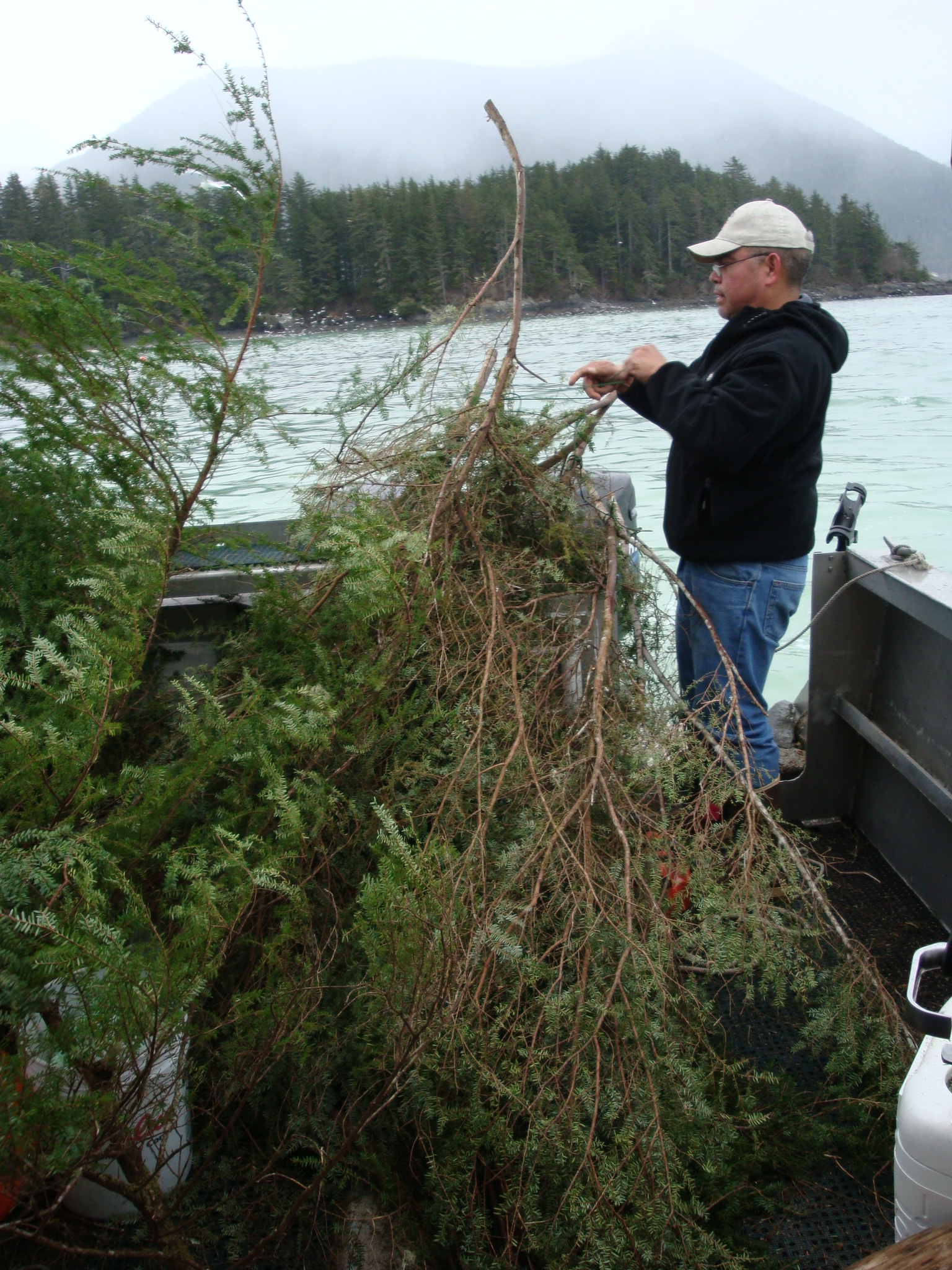
Michael Baines prepares hemlock trees and branches before they are placed in the water to catch herring spawn (Photo taken by Ed Ronco of KCAW-Raven Radio)

Michael Baines prepares hemlock trees and branches before they are placed in the water to catch herring spawn (Photo taken by Ed Ronco of KCAW-Raven Radio)

If it’s snowing in April, it probably means it’s time for the subsistence herring egg harvest in Sitka. This is one of the most important signs of spring in Sitka, especially for the Tlingít, Haida and Tsimshian people who lived in Southeast Alaska long before the first Europeans showed up.

On the KCAW-Raven Radio news Tuesday, KCAW reporter Ed Ronco reported on a trip he took with Sitka Tribe of Alaska Vice Chairman Michael Baines and his sister, Betty Baines, to place hemlock trees and branches into Sitka Sound, near Kasiana Island, to collect the herring spawn. The story link includes an audio postcard, where Michael Baines discusses the herring roe’s importance to the Native culture, and a few photos of the hemlock branches and trees being prepared. The herring eggs will collect on the branches, which will be pulled from the water a few days later, hopefully with a thick mass of roe. (Editor’s note: On Friday there was a follow-up story featuring the fishing vessel Julia Kae, skippered by Steve Demmert, which has been distributing herring eggs to local residents of Sitka and surrounding communities.)

The herring harvest is an amazing time in Sitka, because it seems like every species comes to town for the herring. There are more whales, eagles, sea gulls, sea lions, etc., around town, and even halibut and salmon are looking for meals of herring eggs. Pauline Duncan produced this Tlingít curriculum about herring geared toward younger students for the Alaska Native Knowledge Network. The blog Kiksadi News by Heen Kweix’ (Bob Gamble) tells how subsistence herring eggs are harvested and prepared (scroll down to the second item).

There also is a large commercial harvest of herring just before the subsistence herring roe harvest. The commercial harvest this year had a record guideline harvest of 18,293 tons, and finished just 550 tons short of that goal. The growing commercial harvest has put a lot of pressure on the relatively small subsistence harvest, in 2005 only 72,000 pounds (not tons) were taken out of a target range of 105,000 to 158,000 pounds. Sitka Tribe of Alaska regularly submits proposals to the Alaska Department of Fish and Game (which manages both the commercial and subsistence fisheries) to increase the subsistence harvest, but the proposals have not been passed. The subsistence herring eggs are used not just in Sitka, but all over the state and they are a popular trading subsistence food (for example, a Tlingít in Sitka might swap herring eggs with an Iñupiat for caribou meat from the Kotzebue area, since caribou is an item not found in Southeast Alaska).

• Wanton waste of deer meat, a record high herring quota and other local foods stories in the news

Over the past couple of weeks, at least 10 Sitka black tail deer corpses have been found in Sitka with lots of edible meat still on the bone but the prime cuts missing. According to the Anchorage Daily News, state wildlife officials are searching for the hunters, and wanton waste charges may be coming for those involved. There were six deer found off Green Lake Road, then four deer were found near Harbor Mountain Road five days later.

The Sitka Local Foods Network encourages the responsible and sustainable harvesting of traditional subsistence foods, such as deer, but we must respect the resource and use the entire animal. Not only is leaving edible meat in the field wasteful, but the last couple of years have been down years for deer survival and the actions of these wasteful hunters may mean fewer hunting opportunities next year for hunters who need the deer to feed their families. Anyone with information about the cases is asked to call Alaska Wildlife Troopers at 747-3254 or, to remain anonymous, Wildlife Safeguard at 1-800-478-3377.

In other local foods news, the Alaska Department of Fish and Game established a record sac roe herring quota for the 2010 season, a quota of more than 18,000 tons (more than 4,000 tons higher than last year’s then-record quota). The commercial herring fleet is very happy with the higher quota, but KCAW-Raven Radio reports local subsistence gatherers worry that the record quota will harm their ability to gather herring eggs on hemlock branches, a popular subsistence and barter food for local Tlingít and Haida residents. They also worry two straight years of record quotas will hurt the resource, since herring also serves as a key forage food for salmon, halibut, whales, sea lions and other species in the region.

The Juneau Empire reported that the State of Alaska asked for an extension to reply to an inquiry on subsistence management from the federal government. The federal government took over some management of subsistence in Alaska more than a decade ago because state laws weren’t in compliance with the Alaska National Interest Lands Conservation Act (ANILCA), which calls for a rural preference on subsistence in times of shortage, and the federal government may be expanding its role in subsistence management.

The Anchorage Daily News reported on Alaska pork being ready for the freezer at A.D. Farms, and that pork will be sold at the indoor farmers market at Anchorage’s Northway Mall. The story included a wrap-up of other local foods available at the market, and it had a recipe for crock-pot cod.

Laine Welch’s Alaska fishing column was about how more local fish is appearing in school lunch menus.

The Anchorage Daily News Alaska Newsreader feature reported on several Arctic travelers getting trichinosis from eating undercooked bear meat. The National Post of Canada also had a story on travelers eating undercooked bear meat, while the New York Times had an article about how trichinosis is common in bear meat that isn’t cooked properly.

The Anchorage Daily News had an article about how Alaska’s rhubarb probably first came from Russia.

Miller-McCune magazine had an article about how Alaska’s complex salmon politics can serve as a model for sustainable fisheries elsewhere in the world.

The Alaska Public Radio Network reported on a woman from Aniak, Dee Matter, who has taken freezing her food to a new level. The story also was on APRN’s Alaska News Nightly show.

The Fairbanks Daily News-Miner had a feature article about Kotzebue hunter and trapper Ross Schafer and the “Eskimo” way of life.

The Fairbanks Daily News-Miner had an article about a conflict between farmers and hunters over the future of the Delta bison herd.

The Juneau Empire ran a story about glaciers providing an important food source.

Anchorage Daily News garden columnist Jeff Lowenfels wrote about magazine gifts for gardeners.

The Seattle Post-Intelligencer ran an Associated Press article about Monsanto’s role in the business of agriculture, especially the way it squeezes out competitors in the seed industry.

Finally, the University of Alaska Fairbanks School of Natural Resources and Agricultural Sciences blog featured an article about a new study about food security challenges in Alaska.