• Sitka Local Foods Network education committee announces the inaugural Sitka Slug Races

Slug Races Sign

The Sitka Local Foods Network education committee invites Sitkans to take part in Sitka’s first slug races.

“Do slugs move into your garden faster than a speeding bullet? Are you sure your slugs are breeding with Olympic runners and pole vaulters? Could you have the next winner of the Triple Crown? The Sitka Local Foods Network invites you to come and put your fastest slug to the test against Sitka’s best!” race organizer and SLFN board member Michelle Putz said.

The SLFN education committee will hold its inaugural Sitka Slug Races at 12:30 p.m. on Saturday, Aug. 29, at the fifth Sitka Farmers Market of the summer at the Alaska Native Brotherhood Founders Hall (235 Katlian St.). Registration for the race is from 10 a.m. until noon.

Those interested in participating  will pay $5 per slug entered into the race. Participants are encouraged to bring their own fast slugs, but “rental slugs” will also be available at the race. The participants with the three fastest slugs in Sitka will be crowned and awarded a certificate and commemorative pin.

“Slug races help to support Sitka Local Foods Network’s mission to increase the amount of locally produced and harvested food in the diets of Southeast Alaskans,” Michelle said. “By getting slugs out of our gardens and into the race arena, we are saving valuable cabbage, kale, onions, and other foods from their hungry mouths. And we’ll find out which slugs were tromping to and through our gardens the quickest!”

We ask those who bring slugs to only bring black slugs, which are not native to Sitka, and not the California banana slugs which are native (can grow to three inches or longer, usually yellow or shades of green). Also, please don’t release your slugs in new places. We don’t want to introduce any invasive species, and the black slugs (sometimes brown or gray) are pretty destructive to Sitka gardens.

Funds raised will be used to support the network’s projects and activities including family garden mentoring, garden education classes, the Sitka Farmers Market, and the St. Peter’s Fellowship Farm communal garden.

For more information about helping with the race or the SLFN education committee, please contact Michelle Putz at 747-2708.

• Don’t forget, you still can add Pick.Click.Give. donations to your 2015 PFD application through Aug. 31


PickClickGiveFlier3DYDWEB

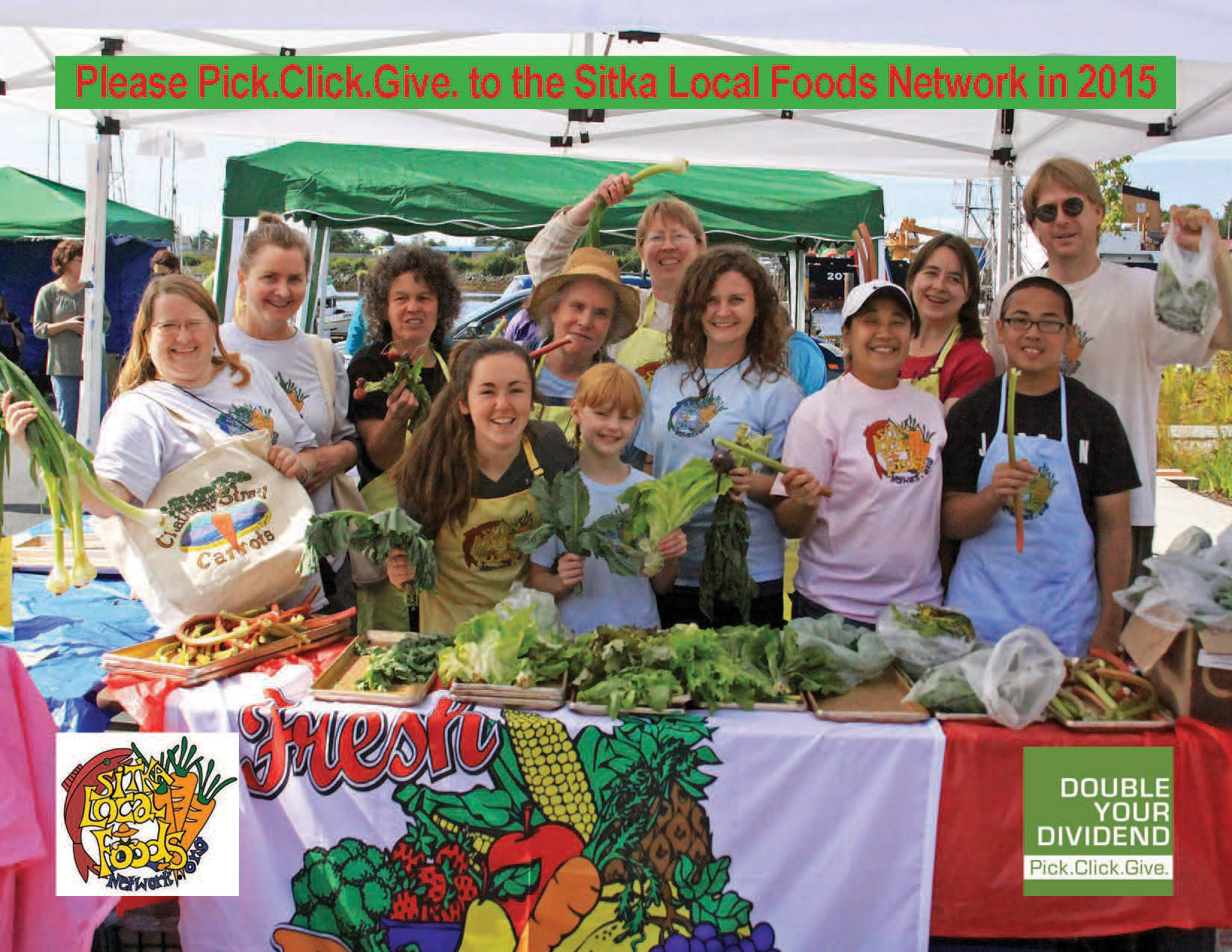
PCGKidsHarvest2015If you’re like most Alaskans you probably filed your 2015 Alaska Permanent Fund Dividend (PFD) application before the March deadline. But did you know you still can add Pick.Click.Give. donations to your 2015 application through Monday, Aug. 31? If you haven’t already, please consider making a Pick.Click.Give. donation to the Sitka Local Foods Network.

Here’s how to add or change your Pick.Click.Give. donations. First, go to the Alaska Permanent Fund Dividend application website, http://pfd.alaska.gov/, and find the green “Add A Pick.Click.Give. Donation” bar in the right column. Click the green bar, and follow the directions. You’ll need to enter your driver’s license number, Social Security number, and birthday to access your application, but once on the page you’ll be able to see your current Pick.Click.Give. donations (if any) and you can add or change them. Click here for an FAQ page about making Pick.Click.Give. donations.

Unfortunately, new donations made after the March 31 Alaska Permanent Fund Dividend filing deadline do not qualify for entry into the Double Your Deadline Sweepstakes, where 10 lucky Alaskans will win the equivalent of a second PFD. However, this year’s PFD is expected to be around $2,000, so please feel free to share the wealth with the more than 500 Alaska nonprofit organizations participating in the Pick.Click.Give. program.

Lovalaska FB Square PhotoGrid Tag (1)This is the second year the Sitka Local Foods Network is participating in the Pick.Click.Give. program, which allows people to donate in $25 increments to their favorite statewide and local 501(c)(3) nonprofit organizations when they file their PFD applications. When you choose to donate part of your PFD to the Sitka Local Foods Network, you support the Sitka Farmers Market, St. Peter’s Fellowship Farm, education programs about growing and preserving food, the Sitka Kitch community rental commercial kitchen, Blatchley Community Gardens, the sustainable use of traditional foods, the Sitka Community Food Assessment, the Sitka Food Summit, the Fish-To-Schools program, and a variety of other projects designed to increase access to healthy local foods in Sitka.

PCGFarmersMarket2015You still can donate to the Sitka Local Foods Network if you aren’t from Alaska or aren’t eligible for a 2015 PFD. To donate, send your check to the Sitka Local Foods Network, 408 Marine St., Suite D, Sitka, Alaska, 99835. Our EIN is 26-4629930. You also can make an online donation through our Razoo.com crowdfunding page. Please let us know if you need a receipt for tax purposes. For more information about donating, you can send an email to sitkalocalfoodsnetwork@gmail.com.

Thank you to everybody making a Pick.Click.Give. donation to your Sitka Local Foods Network. We appreciate your support.

• Saving seeds helps improve your future food crops, and it can be an act of defiance


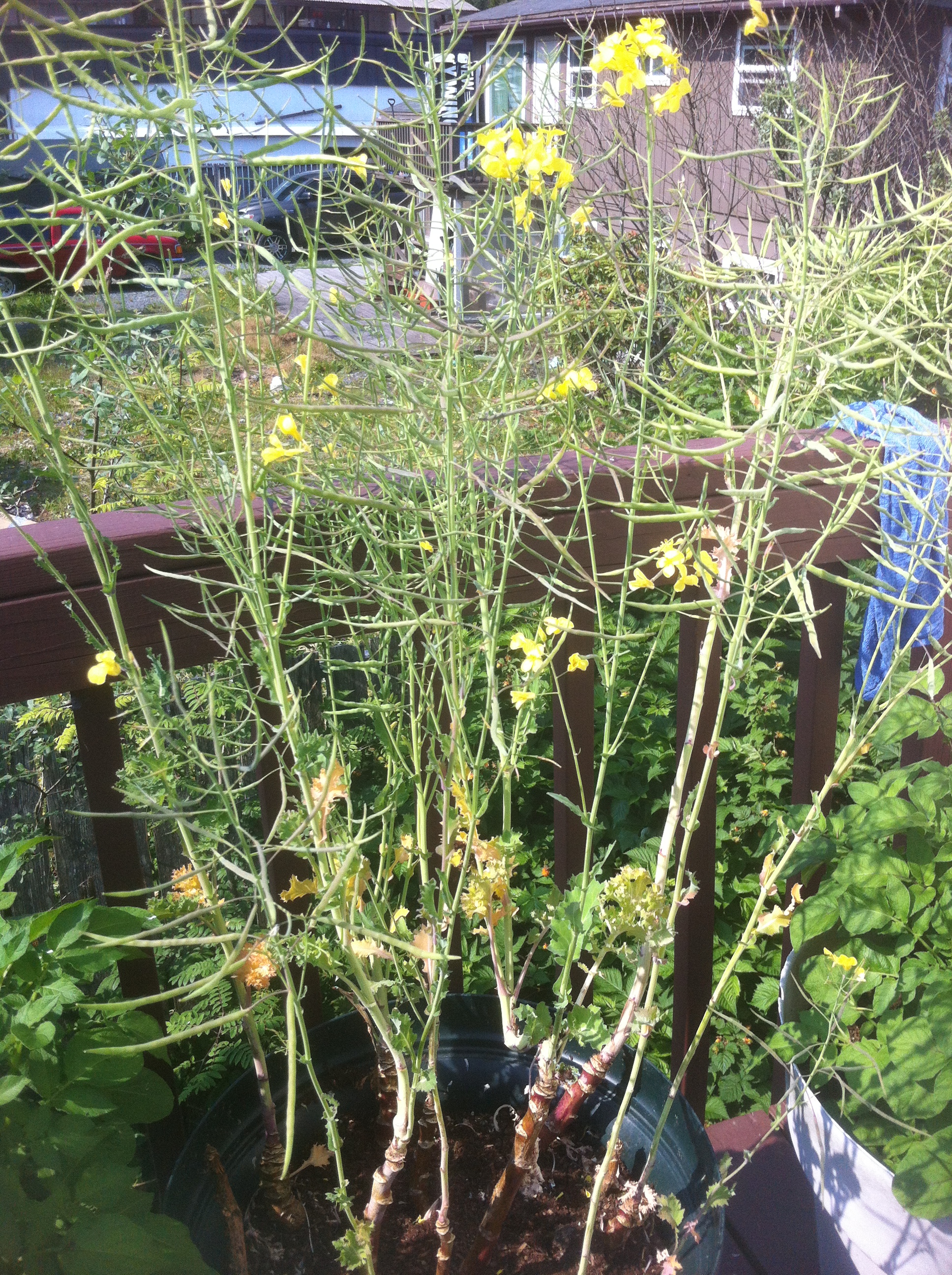
Container of kale bolting (going to seed)
Container of kale bolting (going to seed)

photo 2

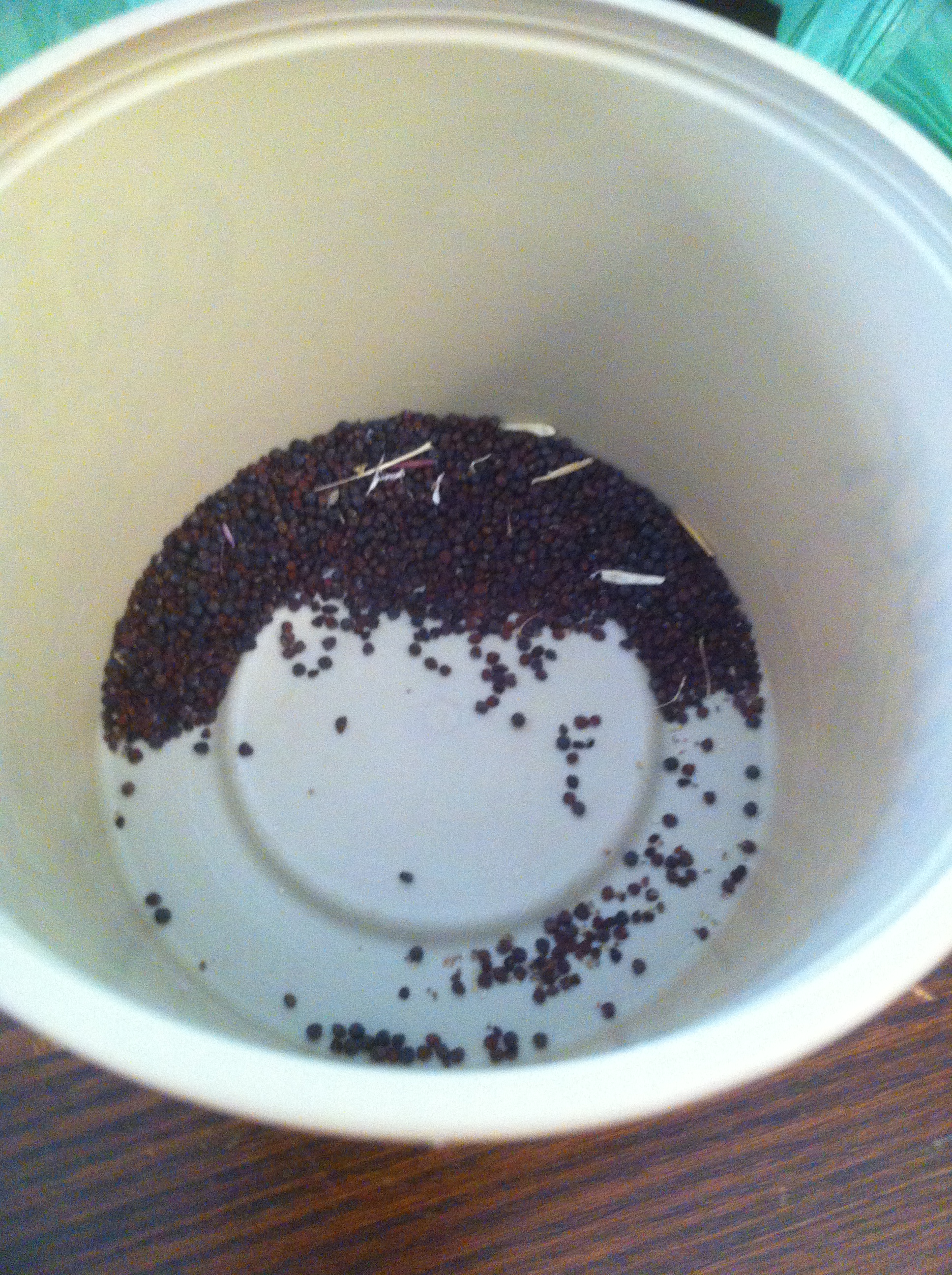
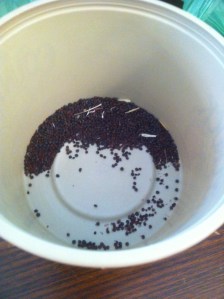
Collected kale seed

Farmers have been saving seeds for thousands of years, but in recent years saving seeds also has become an act of defiance. Saving seeds is a way to preserve and improve the biodiversity of your crops, while also thumbing your nose at agribusiness giants such as Monsanto who have made it difficult and even illegal for small farmers to save their own seeds.

In Sitka, saving seeds means preserving the best crops that grow in our rainy climate. You also can share seeds among friends to help them get the best varieties of a particular crop.

photo 1

Kale seed pods ready to be split so the seeds can be extracted and saved

So how do you do it? Saving seeds isn’t that difficult and there are many resources available online that can give you the basics. Here is a primer on saving seeds from the Colorado State University Cooperative Extension Service, and the Seed Savers Exchange provides these resources.

The John Trigg Ester Library, located in the town of Ester just outside Fairbanks, provides a list of Alaska resources for saving seeds. The Growing Ester’s Biodiversity program is believed to be the state’s only official seed library, where saved seeds are collected with the intention of sharing them with other gardeners and farmers. That’s different from a seed bank, where seeds are collected and stored, but not for sharing. Here is a FAQ page about how people can borrow seeds from the Ester seed library, and here is a tutorial from the seed library about saving tomato seeds.

Deirdre Helfferich, who also is the managing editor for the University of Alaska Fairbanks Agricultural & Forestry Experiment Station, coordinates the Growing Ester’s Biodiversity seed library at the John Trigg Ester Library. This is how she explains the difference between a seed library and a seed bank, and this is why she says we need to save seeds:

A seed bank is a depository for the owners of its seeds or germplasm. So, the Svalbard Global Seed Vault (in Norway) is a seed bank. Until recently, Native Seeds/SEARCH  (in Tucson, Ariz.) was a seed bank with limited availability for growing. It now has a seed library program.

The basic difference is the mode of preservation and distribution: the bank holds the seeds for its depositors, and as though the seeds are in a museum, to be regenerated only every so often to keep the line going. Seed banks won’t just share the seed with anyone, and will store their seed in deep dormancy as long as possible.

A seed library, on the other hand, preserves through distribution and growth each year. This means that the plants tend to adapt to the local where they are grown over time, of course, and don’t remain unchanged.

Seed libraries are also usually focused on the traditions and human context associated with the seed: what it means, the stories associated, the uses, the histories, etc. Seed libraries have to do with the cultures in which their charges were domesticated, preserved, passed down, donated. This can be as simple as “We traditionally use this tomato in grandma’s lasagne recipe so we call it Grandma’s Lasagne Tomato,” to “This tomato has been in our family for generations back when we were living in a little village in Italy and tomatoes were first introduced from the New World.”

The other thing about seed libraries is that they are libraries, and a library is grounded in sharing, in the abundance mentality. One gives away, trusting that good things will come back. And that network of relationships builds a community of trust. Contrast this to a bank, which holds its contents at bay from a hostile world.

Of course, we need things like Svalbard because there ARE nuts out there running our regulatory agencies and monocropping everything to the point where we simply may not have the variety we need. Seed libraries and seed banks offer two kinds of bulwarks to the crazies.

In an earlier conversation, Deirdre said part of the mission of the Ester seed library is “to inspire other seed library programs or variations on the theme.” With that in mind, I decided to see if I could save some seed.

HangingKaleSeedPodBagphoto

My bag of kale seed pods hanging in my living room to dry

I’m not the most experienced gardener, but this year I had a container of second-year kale that bolted after growing all winter (see photo at top of article), providing me with a nice crop of seed pods instead of leafy kale this summer. So, rather than toss the kale, I decided to collect the seed pods and see if I could save some seed.

Since it’s so rainy in Sitka, I couldn’t dry the seed pods outdoors. So I threw them into a plastic shopping bag and hung them in my living room for a month or two (out of the reach of my cats).

When the seed pods were finally dry enough so you could split them like shelling peanuts, I took the bag down and started collecting the seeds in a plastic margarine tub (see third photo). It can be somewhat tedious work, splitting all the seed pods to get the seeds loose, but it also can be meditative. Once you have all of the seeds separated from the seed pods, you should store them in a cool, dry place until you are ready to germinate them. Hopefully, these kale seeds will sprout next spring.


 

• Scenes from the 2015 Sitka Seafood Festival events held Saturday, Aug. 8

SonnyCropleyScoopsOutShrimp

ssflogo2There were tote races, a parade, a marathon/half-marathon, food booths, live music, canning classes, salmon-head bobbing, halibut-head tossing, the Sitka Highland Games, and scores of other events Saturday during the sixth annual Sitka Seafood Festival at Sheldon Jackson Campus.

There also was nice weather — a little cloudy with light rain for the marathon/half-marathon, followed by warm sunny weather for the tote races, parade, and marketplace events later in the day.

A few scenes from the 2015 Sitka Seafood Festival are in a slideshow below.

This slideshow requires JavaScript.

• Scenes from a series of Sitka Seafood Festival food preservation classes at the Sitka Kitch

JasmineShawMichellePutzLeslieShallcrossConsult

ssflogo2On Aug. 6-8, the Sitka Seafood Festival hosted Leslie Shallcross from the Anchorage District Office of the University of Alaska Fairbanks Cooperative Extension Service to teach a series of food preservation classes at the Sitka Kitch community rental commercial kitchen (Aug. 6-7) and Sweetland Hall on Sheldon Jackson Campus (Aug. 8).

Leslie taught a class on Thursday at the Sitka Kitch about how to make low-sugar jams and jellies (a class on preserving local garden greens was canceled), and on Friday she taught a class on making kelp pickles and sauerkraut and a class on canning salmon. On Saturday, she moved over to the Sweetland Hall to be closer to the Sitka Seafood Festival events and she taught another canning salmon class and a class on the process of smoking salmon.

For those who missed the classes but still want to learn more about home canning, the UAF Cooperative Extension Service has a series of online tutorials on its website called “Preserving Alaska’s Bounty.”

Also, don’t forget to make sure your pressure canner gauge is tested at least once a year. Jasmine Shaw from the Sitka District Office of the UAF Cooperative Extension Service has a tester in her office and you can call her at 747-9440 to schedule a test.

kitch_logo_mainSitka Kitch is a community wellness project from the 2013 Sitka Health Summit designed to improve food security in Sitka. The different parts of the project include creating a community kitchen Sitka residents can rent to prepare food for their small businesses or to preserve their family harvest of fish, game, or garden veggies; expanding Sitka’s emergency food storage capacity; and providing education about preserving food and building family emergency food pantries.

For more information about the Sitka Kitch project, go to the Sitka Kitch website or Facebook page. For rental information, contact Kristy Miller at sitkakitch@sitkawild.org. Click this link to take a quick tour of the facility.

A slideshow with scenes from the various classes is posted below.

This slideshow requires JavaScript.

• Scenes from the third Sitka Farmers Market of the 2015 summer

Sitka Farmers Market Manager Debe Brincefield, left, and Sitka Farmers Market Assistant Manager Francis Wegman-Lawless, right, present the Table Of The Day Award to Linda Wilson of Sea View Garden at the third Sitka Farmers Market of the 2015 summer on Saturday, Aug. 1, at the Alaska Native Brotherhood Founders Hall in Sitka. Wilson is a longtime vendor at the market, selling rhubarb and other veggies from her garden, rhubarb jams and jellies, banana bread, rhubarb black tea, and her homemade jewelry. Wilson received a gift bag with fresh greens and fresh rhubarb. This is the eighth year of Sitka Farmers Markets, hosted by the Sitka Local Foods Network. The next market is from 10 a.m. to 1 p.m. on Saturday, Aug. 15, at the Alaska Native Brotherhood Founders Hall, 235 Katlian St. Don’t forget Aug. 2-8 is National Farmers Market Week, so even though we don't have a full market scheduled the Sitka Local Foods Network will host a produce booth at the Sitka Seafood Festival Marketplace from noon to 6 p.m. on Saturday, Aug. 8, at Sheldon Jackson Campus. For more information about the Sitka Farmers Markets and Sitka Local Foods Network, go to http://www.sitkalocalfoodsnetwork.org/ or check out our Facebook page at https://www.facebook.com/SitkaLocalFoodsNetwork. (PHOTO COURTESY OF SITKA LOCAL FOODS NETWORK)

Sitka Farmers Market Manager Debe Brincefield, left, and Sitka Farmers Market Assistant Manager Francis Wegman-Lawless, right, present the Table Of The Day Award to Linda Wilson of Sea View Garden at the third Sitka Farmers Market of the 2015 summer on Saturday, Aug. 1, at the Alaska Native Brotherhood Founders Hall in Sitka. Wilson is a longtime vendor at the market, selling rhubarb and other veggies from her garden, rhubarb jams and jellies, banana bread, rhubarb black tea, and her homemade jewelry. Wilson received a gift bag with fresh greens and fresh rhubarb. This is the eighth year of Sitka Farmers Markets, hosted by the Sitka Local Foods Network. The next market is from 10 a.m. to 1 p.m. on Saturday, Aug. 15, at the Alaska Native Brotherhood Founders Hall, 235 Katlian St. Don’t forget Aug. 2-8 is National Farmers Market Week, so even though we don’t have a full market scheduled the Sitka Local Foods Network will host a produce booth at the Sitka Seafood Festival Marketplace from noon to 6 p.m. on Saturday, Aug. 8, at Sheldon Jackson Campus. For more information about the Sitka Farmers Markets and Sitka Local Foods Network, go to http://www.sitkalocalfoodsnetwork.org/, check out our Facebook page at https://www.facebook.com/SitkaLocalFoodsNetwork, or follow us on Twitter at https://www.twitter.com/SitkaLocalFoods. (PHOTO COURTESY OF SITKA LOCAL FOODS NETWORK)

Sitka kicked off National Farmers Market Week (Aug. 2-8) with its third Sitka Farmers Market of the summer on Saturday, Aug. 1, at the Alaska Native Brotherhood Founders Hall.

Blessed by warm, sunny weather, we had the highest number of vendors for the season, giving customers a wide variety of local products to purchase.

Since we don’t have a Sitka Farmers Market scheduled during the official National Farmers Market Week, the Sitka Local Foods Network will host a booth at the Sitka Seafood Festival Marketplace from noon to 6 p.m. on Saturday, Aug. 8, at the Sheldon Jackson Campus. We also will host our usual table with local produce Aug. 8-9 when the Chelan Produce truck is in town.

A reminder, due to health codes we can’t allow any pets in the ANB Hall or the parking lot other than service dogs. We also don’t allow smoking at the Sitka Farmers Market because this is a health event (our event started out as a Sitka Health Summit project).

Finally, if you’ve ever wanted to be a vendor you can learn more by clicking this link or sending an email to sitkafarmersmarket@gmail.com. We always need new vendors, especially those selling produce from their home gardens, commercially caught fish or locally baked bread.

A slideshow from the third Sitka Farmers Market is posted below.

This slideshow requires JavaScript.

• Help kick off National Farmers Market Week by attending the Sitka Farmers Market on Saturday

WhyMarkets_2015_Page1

Icon_NFMW-1-300x269National Farmers Market Week is Aug. 2-8 this year, so stop by the Sitka Farmers Market this Saturday to help kick off the celebration. The Sitka Farmers Market is from 10 a.m. to 1 p.m. on Saturday, Aug. 1, at the Alaska Native Brotherhood Founders Hall.

The annual National Farmers Market Week celebration is the first full week of August, when growing season is peaking around the country. This year’s theme is “There’s More To Market,” which highlights the wider variety of products now found at farmers markets across the country. Click here to read this year’s National Farmers Market Week proclamation from U.S. Secretary of Agriculture Thomas Vilsack.

SitkaFarmersMarketSignThe number of farmers markets in the country has tripled since 1998, growing from 2,746 markets in 1998 to 8,268 in 2014. There has been similar growth in Alaska, and now markets can be found in many Bush communities from Bethel to Thorne Bay. This growth has improved Alaska’s food security while also serving as an incubator for new businesses.

According to the Farmers Market Coalition, farmers markets…

  • Preserve America’s rural livelihoods and farmland. Farmers markets provide one of the only low-barrier entry points for beginning farmers, allowing them to start small, test the market, and grow their businesses.
  • Stimulate local economies. Growers selling locally create 13 full time farm operator jobs per $1 million in revenue earned. Those that do not sell locally create three.
  • Increase access to fresh, nutritious food. Several  studies have found lower prices for conventional and organic produce at farmers markets than at supermarkets. Due to this and other factors, 52 percent more SNAP households shop at farmers markets and from direct marketing farmers today than in 2011.
  • Support healthy communities. Farmers market vendors educate their shoppers. Four out of five farmers selling at markets discuss farming practices with their customers, and three in five discuss nutrition and how to prepare food.
  • Promote sustainability. Three out of every four farmers selling at farmers markets say they use practices consistent with organic standards.

• Scenes from a series of home canning and cottage foods classes July 16-18 at Sitka Kitch

SarahLewisPlacesLidOnAllAmericanCanner kitch_logo_mainOn July 16-18, the Sitka Kitch project hosted Sarah Lewis of the Juneau District Office of the University of Alaska Fairbanks Cooperative Extension Service to host four classes in Sitka on the cottage food industry and home canning. These classes were free and paid for by a grant from the SouthEast Alaska Regional Health Consortium (SEARHC) WISEFAMILIES Traditional Foods program. In addition, Sarah had a table at the Sitka Farmers Market on July 18 where she tested pressure canner gauges.

For those who missed the classes and want to learn more about home canning, the UAF Cooperative Extension Service has a series of online tutorials on its website called “Preserving Alaska’s Bounty.” In addition, Leslie Shallcross from the Anchorage District Office of the UAF Cooperative Extension Service will be in town during the Sitka Seafood Festival to teach canning classes on Thursday and Friday, Aug. 6-7, at Sitka Kitch, and on Saturday, Aug. 8, at Sweetland Hall on the Sheldon Jackson Campus. Watch for a class schedule to be posted soon (note, these classes will cost $15 each).

A reminder, pressure canner gauges should be tested at least once a year to make sure they are hitting the right pressures for safe food preservation. For those who couldn’t get to the July 18 Sitka Farmers Market for pressure canner gauge testing, the Sitka District Office of the UAF Cooperative Extension Service has a tester in its office and you can call Jasmine Shaw at 747-9440 to set up an appointment for testing. The office also has a variety of resources — many of them free — on home canning, gardening and other topics.

Sitka Kitch is a community wellness project from the 2013 Sitka Health Summit designed to improve food security in Sitka. The different parts of the project include creating a community kitchen Sitka residents can rent to prepare food for their small businesses or to preserve their family harvest of fish, game, or garden veggies; expanding Sitka’s emergency food storage capacity; and providing education about preserving food and building family emergency food pantries.

For more information about the Sitka Kitch project, go to the Sitka Kitch website or Facebook page. For rental information, contact Kristy Miller at sitkakitch@sitkawild.org. Click this link to take a quick tour of the facility.

Slideshows featuring scenes from Friday’s class on canning salmon and berries and Saturday’s class on canning soups and sauces are below. Also, KCAW-Raven Radio attended the pickling and fermenting class and filed this story (which also includes a slideshow at the bottom). The Alaska Dispatch News recently posted this link on how to can salmon.

This slideshow requires JavaScript.


Slideshow from the Friday, July 17, class about canning salmon and berries (above).


This slideshow requires JavaScript.


Slideshow from the Saturday, July 18, class about canning soups and sauces (above).

• UAF Cooperative Extension Service offers Certified Food Protection Manager class by videoconference July 29 in Sitka

CFPM flyer 7-29-15

Thursday, July 17, is the registration deadline for a certified food protection manager workshop being taught on Wednesday, July 29, by University of Alaska Fairbanks Cooperative Extension Service. This is an all-day statewide class that will be offered by videoconferencing to Fairbanks, Palmer, Juneau, Valdez, and Sitka.

A certified food protection manager (CFPM) is responsible for monitoring and managing all food establishment operations to ensure that the facility is operating in compliance with food establishment regulations.

A CFPM is knowledgeable about food safety practices and uses this knowledge to provide consumers with safe food, protect public health and prevent food-borne illnesses. Alaska regulations require food establishments to have at least one CFPM on staff.

This course takes place from 8:30 a.m. to 5 p.m. (with a half-hour lunch), and participants will take a computer-based exam at the end of the class. The reason the deadline is two weeks before the class is to guarantee course materials reach all the students in time for the class. The cost is $200, and the course will be taught by Marsha Munsell of Fairbanks and Julie Cascio of Palmer. Students can register here (scroll down and select the July 29 item).

The Sitka videoconference for the class will take place in Room 110 at the University of Alaska Southeast Sitka Campus. To learn more, contact Jasmine Shaw at the Sitka District Office of the UAF Cooperative Extension Service at 747-9440, or contact Kathy McDougall at (907) 474-2420 (Fairbanks number) or kmmcdougall@alaska.edu. Note, this class is taught in English but textbooks are available in Korean, Chinese and Spanish, just contact Kathy at least three weeks before the class.

Jasmine does have one extra book in her office, so she can accommodate one late registration from Sitka for the July 29 class. The next class will be Sept. 30, and Sitka is a tentative site for the videoconference. Also, the ServSafe book ($60) and certification exam ($75) now are available online, if people want to order the book and study independently without taking the class. Just go to this website and purchase the book and exam items.

• Free pressure canner gauge testing offered at the Sitka Farmers Market on Saturday, July 18

Canner

SarahLewisTestsCannerGaugeThis is a great time of the year to be in Sitka. The fish are running, gardens are starting to produce, and berries are ripe for the picking.

Many Sitka residents have pressure canners to preserve their harvest, and this weekend Sarah Lewis of the Juneau District Office of the University of Alaska Fairbanks Cooperative Extension Service is in town to teach four classes about canning on Thursday, Friday and Saturday at the Sitka Kitch (a rental community commercial kitchen at First Presbyterian Church, 505 Sawmill Creek Road, note, all classes are full). She also provide free pressure canner gauge testing at the Sitka Farmers Market from 10 a.m. to 1 p.m. on Saturday, July 18, at the Alaska Native Brotherhood Founders Hall.

“People can bring the gauge or the lid with the gauge still attached,” Sarah said about the pressure canner gauge testing. “If they have any questions about the full canner (gaskets, damage, how to use, etc.) they can bring the whole thing.”

In addition to testing pressure canner gauges, Sarah plans to work with Jasmine Shaw of the Sitka District Office of the UAF Cooperative Extension Service to have a wide variety of publications available about home canning. In addition, the UAF Cooperative Extension Service has a series of online tutorials on its website called “Preserving Alaska’s Bounty.” Pressure canner gauges should be tested at least once a year to make sure they are hitting the right pressures for safe food preservation.

A reminder about the Sitka Farmers Market, due to health codes we can’t allow any pets other than licensed service dogs in the ANB Hall or the parking lot. We also don’t allow smoking at the Sitka Farmers Market (in ANB Hall or the parking lot) because this is a health event.

Also, if you are in Sitka and you can’t make the pressure canner gauge testing event at the Sitka Farmers Market, you can call Jasmine Shaw at 747-9440 at the Sitka office of the UAF Cooperative Extension Service to set up a time when you can stop by and have her test your gauge in the office. She now has a gauge and is trained on using it.