• Sitka Conservation Society adult 4-H program offers backcountry cooking classes

SCS_Backcountry Cooking Series_Summer2014

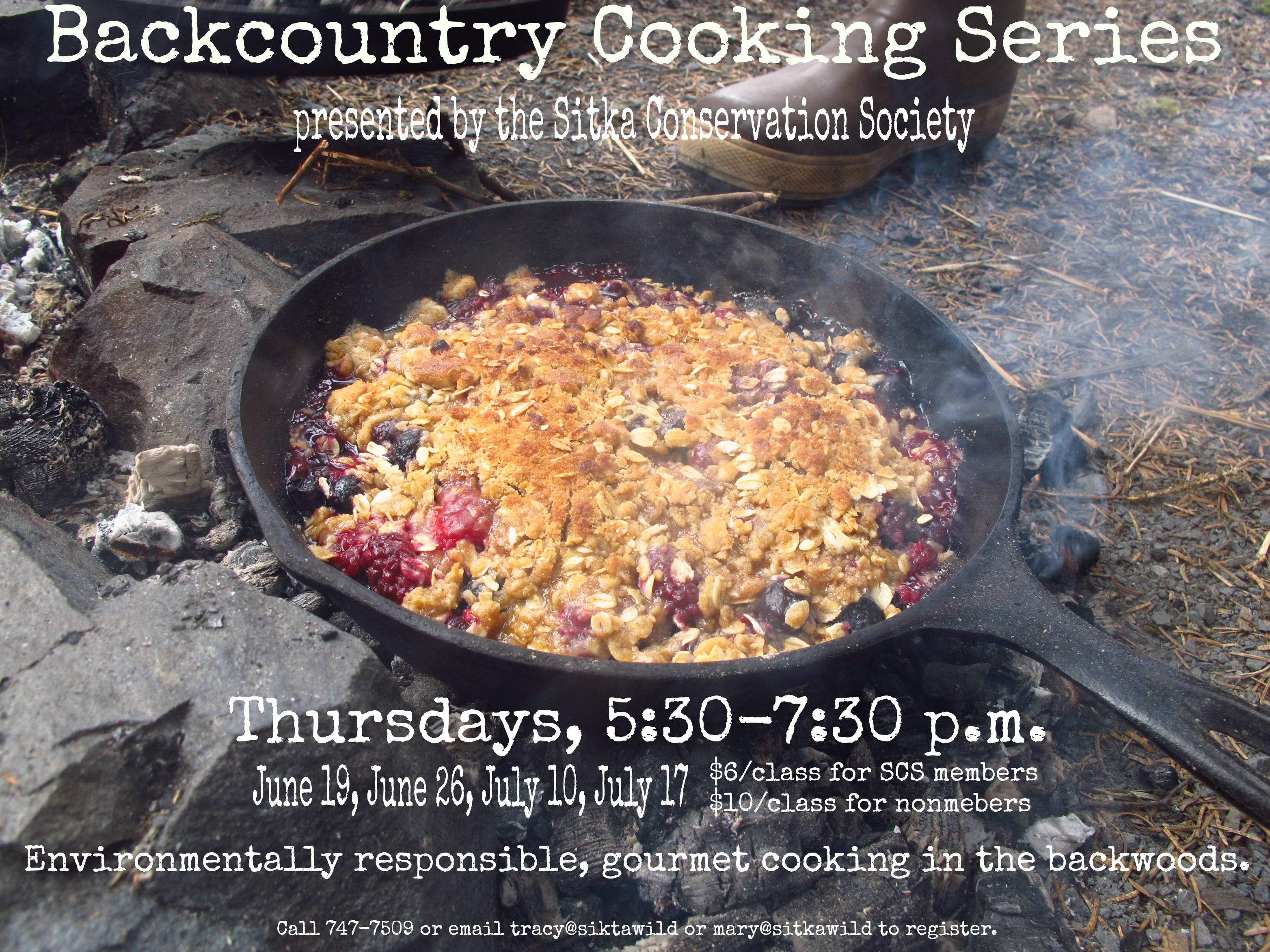
The Sitka Conservation Society is offering an adult 4-H program, with the first offering a backcountry cooking class series in June and July. We’ll be teaching you how to cook delicious meals for your next camping or backpacking trip following Leave No Trace (LNT) principles.

Classes are from 5:30-7:30 p.m. on Thursdays, June 19, June 26, July 10, and July 17. The first class is required — you’ll learn backcountry cooking basics and LNT principles. The following three classes you can pick and choose from. We’ll focus on a different meal each evening, but you can expect things like pizza, cinnamon rolls, and home-made dehydrated meals.

Space is limited and registration is required. The class location will be given when you register. Classes are $6 for Sitka Conservation Society members, and $10 for non-SCS members. For more information, call the Sitka Conservation Society at 747-7509, or contact Mary Wood at mary@sitkawild.org or Tracy Gagnon at tracy@sitkawild.org.

• Newly published Alaska Farmers Market Cookbook helps you turn your produce into a delicious meal

Are you looking for ideas on how to turn your farmers market produce into a delicious meal? Heidi Rader of Fairbanks recently published the Alaska Farmers Market Cookbook, which should provide you with lots of inspiration to cook “simply good food full of Alaska Grown ingredients.”

According to Heidi’s website, “The Alaska Farmers Market Cookbook is an unpretentious cookbook featuring Alaska Grown ingredients. It’s the only cookbook you’ll need to turn your basket of Alaska Farmers Market produce into a delicious meal. Organized by season, you’ll find recipes that make use of local, Alaskan ingredients in the spring, summer, fall, and winter. Many of the recipes were developed using produce from the Little Alaskan Garden. This full-color cookbook features many photographs taken by Heidi Rader. Recipes like Rhubarb Pie with Saffron and Mayan Zucchini Brownies will make you forget all about peach pie or banana bread.”

The book can be purchased off Heidi’s website by going to the book’s page clicking the “Buy Now” link, which takes you to a PayPal page. Heidi is charging $19.95, plus $6.99 shipping and handling ($26.94 total). Alaska farmers market groups interested in selling the book should contact Heidi to discuss possible bulk-purchase discounts. The cookbook is supported in part by the Alaska Division of Agriculture‘s Alaska Grown ProgramFairbanks Daily News-Miner.

Heidi is a lifelong Alaskan who earned a master’s degree in natural resources (with an agriculture focus) from the University of Alaska Fairbanks. She also holds a bachelor’s degree in biology from the University of Colorado. In addition to her Little Alaska Garden farm, Heidi also serves as the tribes extension educator for the University of Alaska Fairbanks Cooperative Extension Service and Tanana Chiefs Conference, and she provides agriculture education to remote communities around the state. To learn more about Heidi and her work, check out this recent feature from the Fairbanks Daily News-Miner.

• Suzan Brawnlyn, the Chef at the Market, provides her recipes from the fourth Sitka Farmers Market of 2012

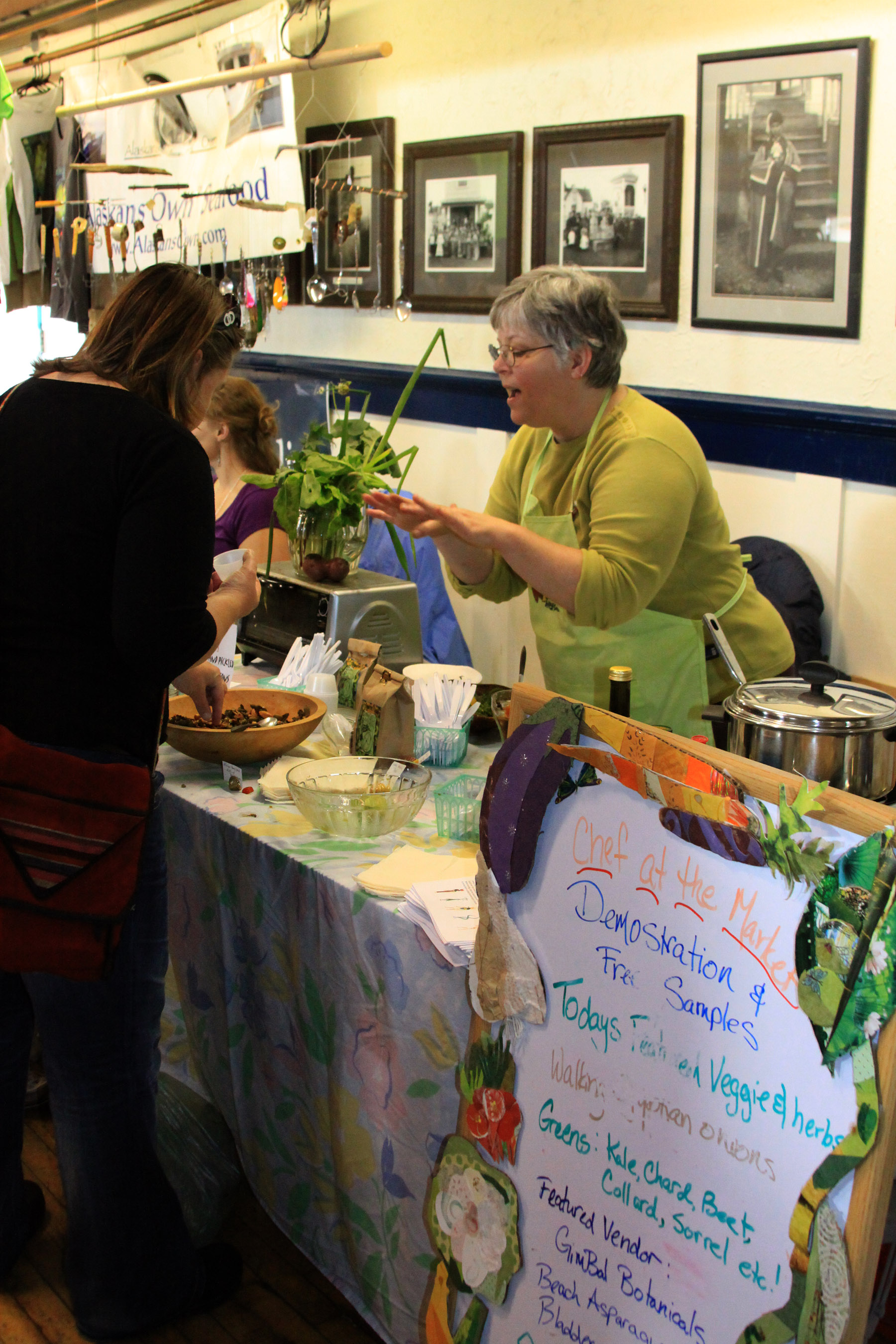
Suzan Brawnlyn, the Chef at the Market, discusses how to cook Egyptian walking onions during a cooking demonstration on Aug. 18, 2012, at the fourth Sitka Farmers Market of the season.

Suzan Brawnlyn, the Chef at the Market, discusses how to cook Egyptian walking onions during a cooking demonstration on Aug. 18, 2012, at the fourth Sitka Farmers Market of the season.

This year, the Sitka Local Foods Network is happy to feature local chef Suzan Brawnlyn as its “Chef at the Market.” Suzan received a grant to provide cooking demonstrations at at least four of our six markets this year.

Suzan also has been making her recipes available so people can try them at home. Her recipes from the fourth market on Aug. 18 are posted below. Her featured herb was the Egyptian walking onion, and her featured vegetables were “The Greens” (chard, kale, beet, spinach and collards).

The next Sitka Farmers Market is from 10 a.m. to 2 p.m. on Saturday, Sept. 1, at Alaska Native Brotherhood Hall (235 Katlian St.).The Sitka Local Foods Network is seeking volunteers to help set up tables and tents before the market starts, and to tear down and pack up the market after it ends. We need volunteers for  the two remaining markets (Sept. 1 and 15). If you have a strong back and helping hands, please contact Johanna Willingham at 738-8336 for more details.

• Chef at the Market recipes from the fourth Sitka Farmers Market of the season, Aug. 18, 2012

• Suzan Brawnlyn, the Chef at the Market, provides her recipes from the second Sitka Farmers Market

Suzan Brawnlyn, the Chef at the Market, holds a sample cup of honey miso-glazed black cod with broccoli and bok choy stir fry during a cooking demonstration on July 21, 2012, at the second Sitka Farmers Market of the season.

Suzan Brawnlyn, the Chef at the Market, holds a sample cup of honey miso-glazed black cod with broccoli and bok choy stir fry during a cooking demonstration on July 21, 2012, at the second Sitka Farmers Market of the season.

This year, the Sitka Local Foods Network is happy to feature local chef Suzan Brawnlyn as its “Chef at the Market.” Suzan received a grant to provide cooking demonstrations at at least four of our six markets this year. Suzan also has been making her recipes available so people can try them at home. Her recipes from the second market on July 21 are posted below. To get her first batch of recipes, click this link.

The next Sitka Farmers Market is from 10 a.m. to 2 p.m. on Saturday, Aug. 4, at Alaska Native Brotherhood Hall (235 Katlian St.).The Sitka Local Foods Network is seeking volunteers to help set up tables and tents before the market starts, and to tear down and pack up the market after it ends. We need volunteers for all of the remaining markets (Aug. 4, 18, Sept. 1 and 15). If you have a strong back and helping hands, please contact Johanna Willingham at 738-8336 for more details.

• Chef at the Market recipes from the second Sitka Farmers Market of the season, July 21, 2012

• Suzan Brawnlyn, the Chef at the Market, provides her recipes from the first Sitka Farmers Market

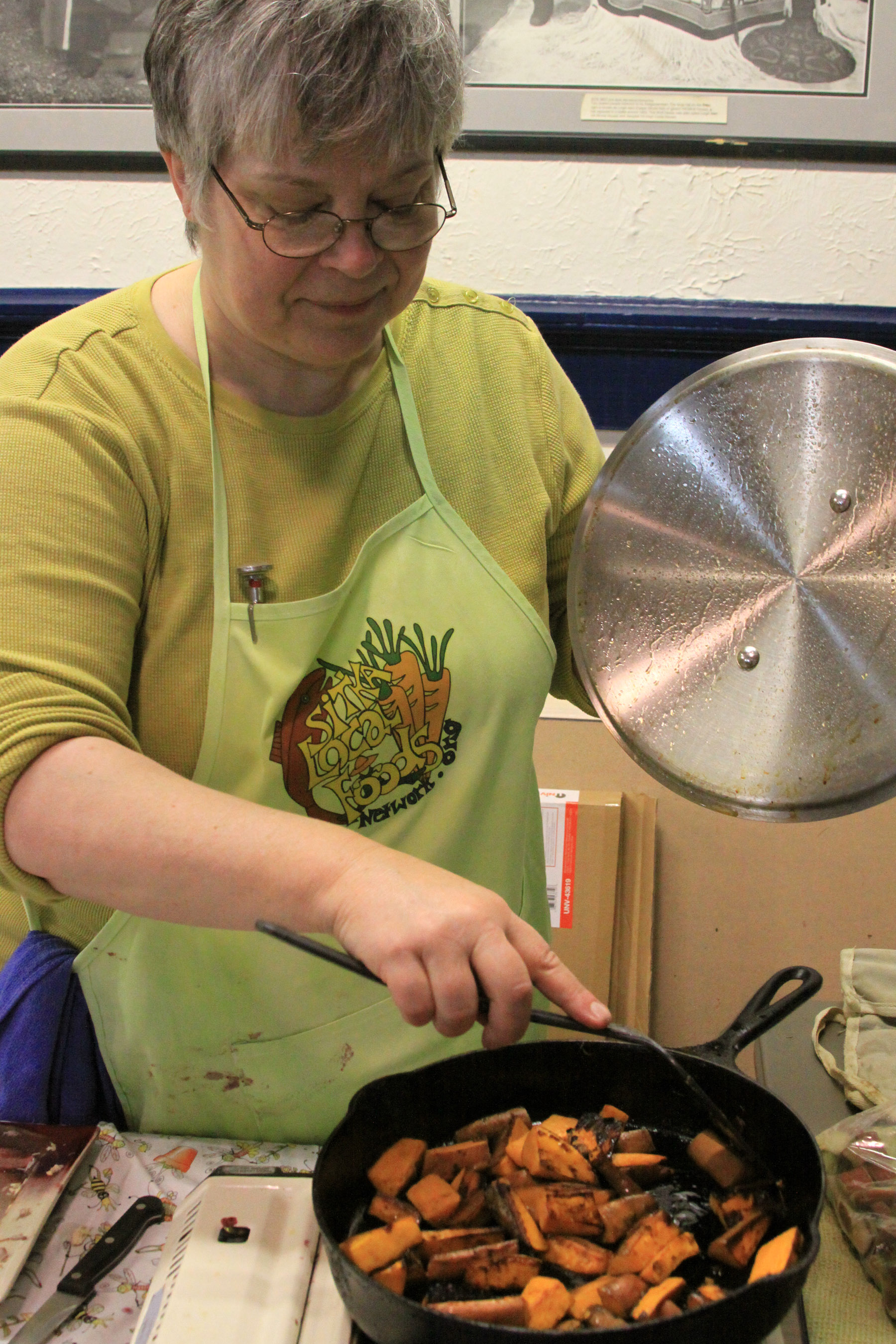
Suzan Brawnlyn, the Chef at the Market, cooks rhubarb and sweet potatoes during a cooking demonstration on July 7, 2012, at the first Sitka Farmers Market of the season.

Suzan Brawnlyn, the Chef at the Market, cooks rhubarb and sweet potatoes during a cooking demonstration on July 7, 2012, at the first Sitka Farmers Market of the season.

This year, several farmers markets from around the state received a share of a $15,000 grant from the Alaska Division of Agriculture to host a “Chef at the Market.” The Sitka Farmers Market is one of the lucky 11 markets, and local chef Suzan Brawnlyn will be doing cooking demonstrations at at least four of the six Sitka Farmers Markets this summer.

KCAW-Raven Radio hosted Suzan and Sitka Farmers Market manager Johanna Willingham for its Morning Interview on Monday, July 2, 2012. Suzan’s recipes from the first Sitka Farmers Market of the season on Saturday, July 7, are linked below. She plans to have a new cooking demonstration at the second market from 10 a.m. to 2 p.m. on Saturday, July 21, at Alaska Native Brotherhood Hall.

• Chef at the Market recipes from the first Sitka Farmers Market of the season, July 7, 2012

• Alaska Seafood Marketing Institute sponsors Alaska fish taco recipe contest

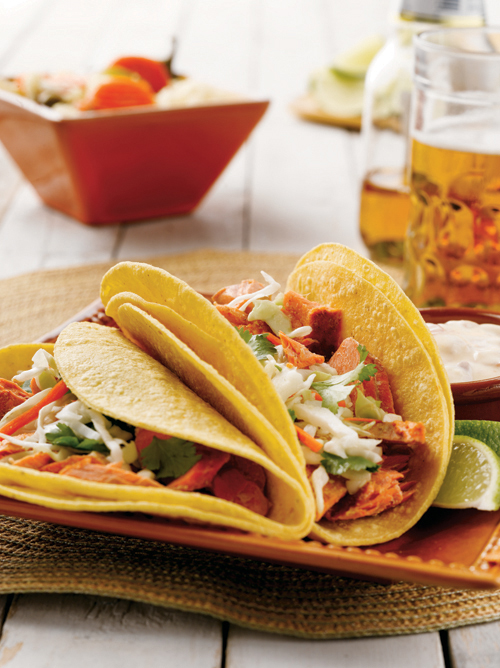
Alaska Fish Tacos (photo courtesy of the Alaska Seafood Marketing Institute)

Alaska Fish Tacos (photo courtesy of the Alaska Seafood Marketing Institute)

Do you have a great fish taco recipe that uses wild Alaska seafood, Sitka’s premier local food? If so, that recipe might earn you a trip to Los Angeles to serve your winning dish.

The Alaska Seafood Marketing Institute is sponsoring the contest, in partnership with celebrity chefs Mary Sue Milliken and Susan Feninger of Los Angeles-based Border Grill. The grand prize winner will fly to LA to serve his or her fish tacos alongside the chefs on their gourmet taqueria on wheels, the Border Grill Truck. All recipes must use at least one type of wild Alaska fish in a tortilla (so a burrito or quesadilla will work, too). For more details about the contest, go to http://www.alaskafishtaco.com/.

The recipe contest opened in November and runs through Monday, Jan. 31, 2011. Submit your recipe through the www.alaskafishtaco.com site, which also has videos and a few recipes from the chefs. In addition to the grand prize winner, there also will be a People’s Choice contest that starts on Feb. 15, 2011. The winner of the People’s Choice contest receives and Apple iPad.

If you have a great fish taco recipe using fish caught in Sitka, send the recipe and a photo of your masterpiece to charles@sitkalocalfoodsnetwork.org. We don’t have any prizes, but the best recipes will be posted on the Sitka Local Foods Network site. Personally, I like a smoked king salmon quesadilla or a salmon taco with mango/peach salsa.

• Sitka resident Keith Nyitray shares a recipe for Hungarian cabbage noodles

Hungarian cabbage noodles

Hungarian cabbage noodles

A Hungarian cabbage noodles recipe from Sitka resident Keith Nyitray

• Another recipe from Keith Nyitray — Broccoli pesto/dip

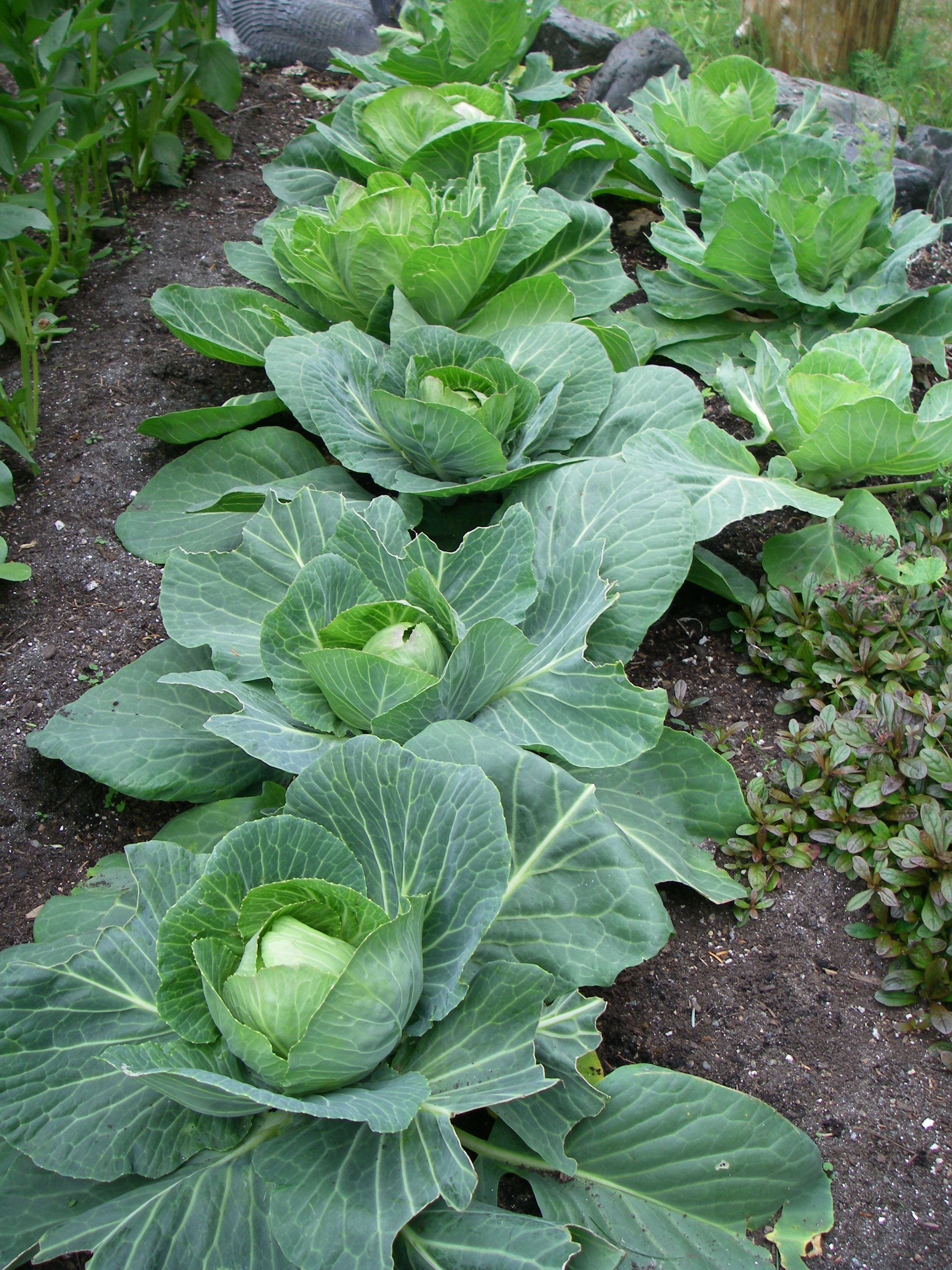
It’s September and, at least in my garden, it’s time to start harvesting cabbages. I love cabbages. Being one of the many members of the Brassica family, cabbage is easy to grow and cultivate in Southeast Alaska and does well without any real special attention. Just keep the deer and slugs away.

Whether used in soups or stews, made into sauerkraut or ’slaw, cabbages are a surprisingly good source of vitamin C, riboflavin, (vitamin B12) and glutamine (which has anti-inflammatory properties).

Below is a very simple yet hearty meal that can stand alone or be served with other meats and/or vegetables. Adding the dill or caraway seeds is a matter of personal taste. Personally, I like to use the dill seeds that I’ve already dried and stored from my previous years’ garden.

Hungarian Cabbage Noodles
(makes 6-8 servings)

1 medium sized head of cabbage – shredded
1/2 cup butter (melted)
1 tbs. sugar/honey
salt/pepper
12 oz. egg noodles, freshly cooked
1 tbs. dill or caraway seeds (optional)

Halve, then core the cabbage. Slice each half of the cabbage into half-inch strips, rotate and then cut those strips into thirds.

Melt butter in a Dutch oven or large pot over medium heat. Add cabbage, dill/caraway seeds (optional), and sauté until cabbage is almost translucent and lightly browned. Note: the volume of cabbage will have shrunk considerably.

Mix in salt, pepper, sugar/honey (to taste). Add noodles and toss to combine.

Reduce heat to low and stir until warmed through.

Serve immediately.

• Sitka Seafood Festival seeks local recipes for fundraising cookbook

Do you have a favorite seafood recipe? A recipe you are willing to share? One that you would like to see published in a cookbook?

We want it!

The inaugural Sitka Seafood Festival will be Friday and Saturday, Aug. 6-7, 2010. It will be a celebration focusing on Alaska’s wild seafood through entertainment, education and culinary delights.

As a fundraiser for the festival, we are putting together a local cookbook. The focus will be on seafood recipes, however, we want a well-rounded cookbook with recipes for appetizers, beverages, soups, salads, vegetables, main dishes, breads and rolls, desserts and miscellaneous dishes.

Please e-mail your recipes to sitkaseafoodfestival@gmail.com or mail them to Linda Olson at 230 Observatory Street, Sitka, Alaska, 99835 by Monday, May 24th. Please put your name on the recipe and include your contact information.

Thank you.

For more information about the festival, check out our website at http://sitkaseafoodfestival.org/ and our page on Facebook.

• Sonja Koukel of the UAF Cooperative Extension Service writes about preserving Alaska wild berries

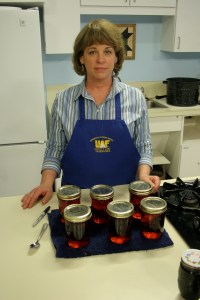
Dr. Sonja Koukel of the UAF Cooperative Extension Service's Juneau office displays some wild berry preserves

Dr. Sonja Koukel of the UAF Cooperative Extension Service's Juneau office displays some wild berry preserves

Preserving Alaska’s Wild Berries

By Dr. Sonja Koukel, PhD
Health, Home & Family Development Program
UAF Cooperative Extension Service, Juneau Office

_____

Is your freezer teeming with berries harvested last season? If so, now is the time to preserve them in jams, jellies, or syrups. As the winter days grow darker and shorter, preserving berries provides an emotional uplift as the activity brings with it memories of sunshine and relaxing hours spent in the beauty that is Alaska.

While freezing is an acceptable preservation method for berries, it is not the most economical and there is the risk of power outages that could compromise the storage time. Freezing is the least time consuming method of food storage than canning.  However, when foods are home canned, they enjoy a longer shelf life, can be stored at room temperature, and are not affected by power outages.

Berries are a high acid food; therefore jams and jellies can be processed quickly and easily using the boiling water canning method. In this method, filled jars are covered with boiling water and heated to an internal temperature of 212 degrees (F). At this temperature, bacteria, yeasts and molds that could be a health hazard or cause the food to spoil are destroyed. Additionally, the hot water inactivates enzymes that cause foods to spoil. The canning process removes air from the jar and a vacuum seal is formed when the product cools. The seal prevents air from getting back into the product, bringing with it microorganisms that could recontaminate the food.

As mentioned, removing the air from the jar is important as microorganisms will not thrive in an anaerobic environment. Presented with these facts, some individuals question the “inversion” method that is often included along with the directions found in purchased packages of pectin. According to this method, the filled, hot jars are turned upside-down after the rings have been screwed onto the tops. After five minutes, the jar is turned upright to cool, after which it is stored on pantry shelves. The problem with this method is that the air has not been exhausted from the jar, which can encourage mold growth. To ensure food quality and safety, all jellied products are processed in a boiling water canner.

Recipes for jams and jellies are available in packages of pectin, cook books, magazines, and food preservation guides. For Alaska berries, check out the UAF Cooperative Extension Service publication, “Collecting and Using Alaska’s Wild Berries and Other Wild Products.” A best-seller, this publication provides berry facts, storage and preservation methods, and recipes. Blueberries, currants, highbush cranberries, and red huckleberries can be found along with fireweed and wild roses. Over the holiday season, the “Berry Book” is offered at the reduced rate of $7. Contact your district office or place an order online at  http://www.uaf.edu/ces/pubs

If you have never preserved jams or jellies, or would like to review the process, visit the UAF Cooperative Extension Service website for fact sheets that can be downloaded free to your home computer: http://www.uaf.edu/ces/pubs/catalog/. Newly released educational modules can be viewed online: http://www.uaf.edu/ces/preservingalaskasbounty/index.html.
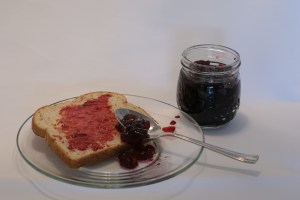
Alaska wild berry preserves are a great treat

Alaska wild berry preserves are a great treat

• Sitka Local Foods Network gets mentions in Juneau Empire, Daily Sitka Sentinel, Capital City Weekly and on APRN’s Talk of Alaska show

The Sunday edition of the Juneau Empire and Monday edition of the Daily Sitka Sentinel (Page 4) both featured a press release about a Sitka Local Foods Network-hosted presentation about “Growing in Sitka and Southeast Alaska: The Food of Today, Tomorrow and 200 Years Ago” that takes place at 5 p.m. this Friday, Oct. 16, at the Kettleson Memorial Library. The presentation is by UAS anthropology student Elizabeth Kunibe of Juneau, who has spent the last six years researching traditional gardens in Southeast Alaska. The presentation also received a write-up in this week’s issue of Capital City Weekly that came out on Wednesday.

Monday’s issue of the Daily Sitka Sentinel also featured a press release about a put-the-garden-to-bed work party the Sitka Local Foods network is hosting from 10 a.m. to 1 p.m. on Saturday, Oct. 17, at the St. Peter’s Fellowship Farm.

On Tuesday, the Alaska Public Radio Network’s statewide call-in show “Talk of Alaska” was about food security and during the show the work of the Sitka Local Foods Network was mentioned. The Talk of Alaska topic on food security was a preview of the Bioneers In Alaska conference this weekend (Oct. 16-18) in Anchorage where food security will be one of the topics. Kerry MacLane, president of the Sitka Local Foods Network, is supposed to travel to Anchorage to participate in the conference.

In addition to the Sitka Local Foods Network mentions, there has been a lot of other local foods news around Alaska this week.

In Sunday’s Juneau Empire, Ginny Mahar (a chef at Rainbow Foods) wrote a column featuring a mac and cheese recipe with king crab. Ginny also writes the Food-G blog, which features a lot of local foods recipes for Southeast Alaska.

Also in Sunday’s Juneau Empire was an article about the Alaska Native Brotherhood/Alaska Native Sisterhood Grand Camp meeting in Juneau and discussion about subsistence fishing rights following the recent arrest of Sen. Albert Kookesh.

In this week’s Capital City Weekly, there is an article from Carla Peterson about the chocolate lily and how to prepare this edible plant for food.

In the Alaska Newsreader blog Wednesday on the Anchorage Daily News Web site was a link to a feature from TheDailyGreen.com, which listed Anchorage ninth among U.S. cities in per capita space given to community gardens. The list (opens as PDF document) was compiled by the Trust for Public Land, and it had a distinct Northwest feel with Seattle ranked No. 1 and Portland, Ore., was No. 2. Click here to learn more about Anchorage’s community gardens program.

In his Anchorage Daily News garden column last week, Jeff Lowenfels wrote about planting garlic now for spring flowers and an August crop.

The Mat-Su Frontiersman recently ran an article about a sustainability project at the University of Alaska Fairbanks Mat-Su College where students were gathering organic spuds.

Finally, while this isn’t about Alaska, you might want to read an article about efforts to preserve our biodiversity so we don’t lose more food plant varieties and why these efforts are important.