• Easing concerns about possible radiation in gathered seaweed this year

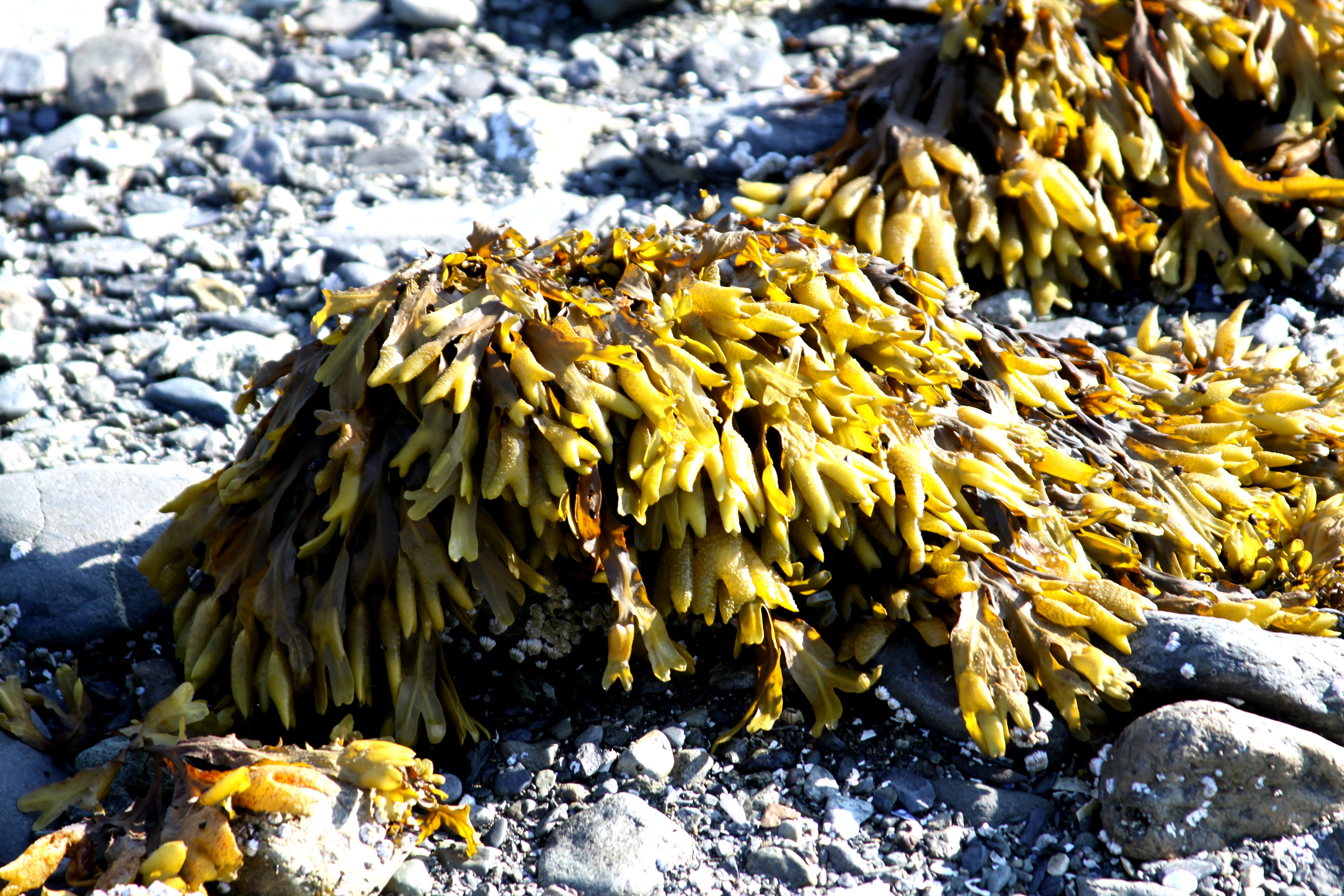
One of the prime springtime activities around Sitka is for people to gather seaweed, either for subsistence/traditional food purposes or to use it to fertilize local gardens. Seaweed is loaded with lots of healthy vitamins and minerals so it’s eaten by many in Sitka, and it also makes great fertilizer for the garden.

But this spring members of the Sitka Local Foods Network board have been hearing concerns from local gardeners and farmers about the seaweed this year possibly being contaminated by radiation (or iodine 131) from the March 2011 earthquake, tsunami and nuclear accident in Japan. Some of these concerns came after several local residents in recent weeks found Japanese fishing buoys and other debris on beaches around Sitka, and they were fueled by other stories about Japanese debris washing up on Alaska beaches.

Many people have had reservations about harvesting seaweed, either to eat or use in their gardens, and some people were skeptical about official reports that said there was no or limited radiation exposure to debris headed toward Alaska. For those people who want to test their seaweed or soil, the Plant Science Library in Anchorage is not equipped to test seaweed. But there are facilities in Washington State that are willing to test for a fee of between $50 to $200.

For those people who want to track the effects of the Fukushima Dai-ichi on U.S. marine environments, you can track the effects on Alaska coastlines at this congressional site. Other reliable websites for current information include  http://www.fda.gov/newsevents/publichealthfocus/ucm247403.htm  and http://www.srrb.noaa.gov/.

Greg Wilkinson, a public information officer with the Alaska Department of Health and Social Services, provided this link to a three-page handout about the effects of radiation on wild foods in Alaska. The State of Alaska has teamed up with the states of Hawai’i, California, Oregon and Washington, the province of British Columbia, the National Oceanographic and Atmospheric Association (NOAA) and the Environmental Protection Agency (EPA) to provide the Japan Tsunami Marine Debris Joint Information Center.

“Hopefully, disseminating this information to you all will alleviate some concerns about seaweed harvesting this year,” Sitka Local Foods Network board member Johanna Willingham said.

• Food advocate Andrianna Natsoulas to discuss the food sovereignty movement on Sunday, March 18

Food advocate Andrianna Natsoulas will give a free presentation about the food sovereignty movement at 5 p.m. on Sunday, March 18, at the Kettleson Memorial Library in Sitka.

Andrianna is a longtime advocate for food and environmental issues. She operates the Food Voices website, which features people from around the world (including Sitka) discussing the importance of developing a sustainable and sovereign food system. She also is writing the book, “Food Voices: Stories of the Food Sovereignty Movement.”

The food sovereignty movement is based on community-based agriculture and fishing, rather than industrial food production. More people are becoming concerned about where their food comes from and how it was produced. They are starting to recognize how local food is fresher, tastes better, puts more money back into the local economy, uses less fuel for transportation, and has fewer chemicals and pesticides.

To learn more about the food sovereignty movement, go to Andrianna’s Food Voices website or e-mail her at andrianna@foodvoices.org.

• Sitka Maritime Heritage Society to host a presentation on the importance of herring in Southeast Alaska

Herring is an important food source in Sitka and the rest of Southeast Alaska. Not only are there huge commercial and subsistence harvests of the fish, and it is an important food source for salmon, halibut, whales, sea lions and other animals in the region.

The Sitka Maritime Heritage Society will host the presentation “Herring: Rakes, Reduction Plants and the Fisheries: A Night of History” during its annual meeting at 7 p.m. on Sunday, Feb. 12, at Harrigan Centennial Hall.

The program features a panel discussion about the importance of herring in Southeast Alaska, from the booming commercial sac roe herring fishery to traditional gathering of herring eggs on hemlock branches. Another panel topic includes the herring reduction plants that once were scattered throughout Southeast Alaska. There also have been recent community discussions about possibly starting a whole-fish herring fishery that won’t target roe. Members of the public will be invited to share their memories of herring fishing and roe harvests. Photos and artifacts will be on hand.

For more information, contact sitkamaritime@gmail.com.

• Booths and vendors needed for the Let’s Grow Sitka! garden education event in March

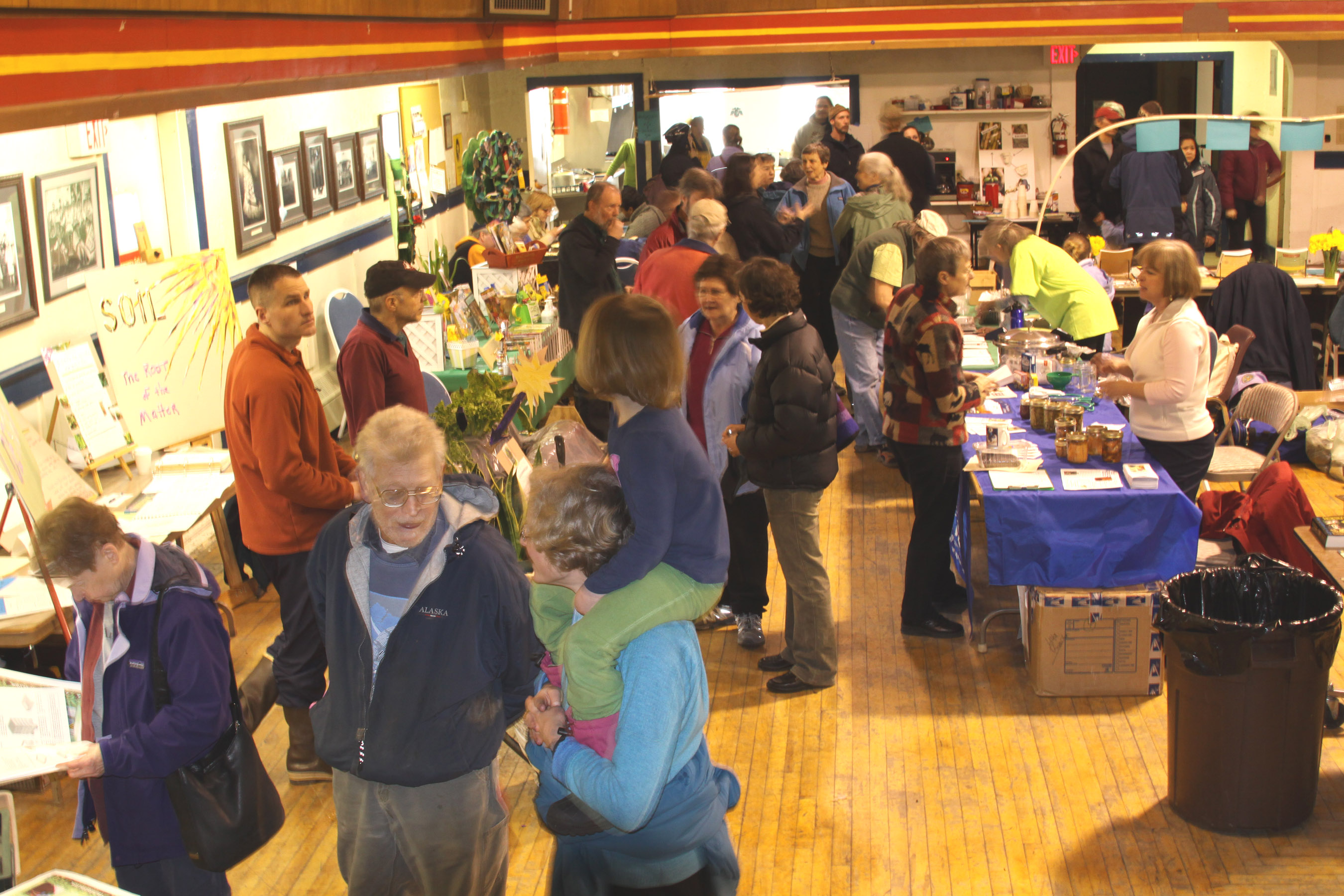
Sitka residents wander the booths during the 2009 Let's Grow Sitka garden show

Sitka residents wander the booths during the 2009 Let's Grow Sitka garden show

It is time to start planning for the 2012 Let’s Grow Sitka Garden Expo. This year’s event will be from noon to 3 p.m. on Sunday, March 11, at the Alaska Native Brotherhood Hall.

Linda Wilson is coordinating the event, and she is looking for anyone interested in participating. Table spaces are FREE. The only restriction is that your products, services, information, displays, demonstrations, etc., must be related to gardening or food production in Sitka.

Linda is looking for:

  • Vendors selling garden-related products, including seeds, supplies, tools, books, accessories, …
  • Vendors promoting/selling their garden-related services, such as greenhouse and cold frame construction, yard maintenance, …
  • Vendors promoting/selling products and services related to small animal husbandry, such as chickens, ducks, rabbits, pigs, etc., …
  • Someone to host a table, do a display or presentation/demonstration on the following topics:
    • Growing root crops in Sitka (potatoes, carrots, etc…)
    • Root cellars and other methods for storage of vegetables
    • Fruit trees and berry bushes
    • Raising chickens and ducks
    • Composting and using compost
    • Soils and soil amendments
    • Edible flowers and ornamentals
    • Cold frames and other small garden structures that extend the growing season
    • Greenhouses
    • Seed swap and share table
    • Hosting a children’s activity such as decorating a pot and planting pansy, violet, viola seeds to take home.  Or ???
    • Garden pests — slugs, root maggots, etc., …
    • Proper garden drainage – how to construct garden beds to drain properly
    • Anything else you can think of that relates to growing food in Sitka, …

Please consider volunteering to host a table or to be a vendor. We want to make this a bigger and better event for this year,  and to get more people inspired to start or expand a garden. Last year we were unfortunate to be scheduled during the same week as Spring break, but NOT this year!

Please let Linda know, at your earliest convenience, if you would like to reserve a table or booth space. Linda can be reached at lawilson87@hotmail.com or 747-3096 (evenings and weekends).

• Sitka Local Foods Network hosts annual meeting and potluck dinner on Saturday, Jan. 21

Please join the Sitka Local Foods Network for its annual meeting and potluck dinner at 6 p.m. on Saturday, Jan. 21, at the Sitka Unitarian Universalist Fellowship Hall (408 Marine St., parking lot is off Spruce Street).

Join us as we honor our four years of existence and prepare for our fifth year. During this time, the Sitka Local Foods Network has worked on several initiatives — creating the Sitka Farmers Market, building St. Peter’s Fellowship Farm, hosting the Let’s Grow Sitka! garden education event, and more. We supported projects to plant more fruit trees around Sitka, get more local fish served in school lunches and increase Sitka’s ability to compost, and we are working toward starting the Sitka Community Greenhouse and Education Center. We also received a 501(c)(3) non-profit status from the IRS, so people can make tax-deductible gifts to help fund our work.

Our annual meeting and potluck is open to the public, and all Sitka residents are welcome to attend. We will feature local and slow foods, but we really value your attendance. This is our opportunity to say thank you to those who have helped us grow, and it is your chance to learn more about what we’re doing and how you can help.

As we enter 2012, Sitka and the rest of Alaska face some serious food security issues. According to a recent survey by the University of Alaska Fairbanks Cooperative Extension Service, the weekly cost for food for a family of four in Sitka has gone up 44 percent over the past five years. With rising fuel prices, this trend does not figure to change in the near future. Sitka still imports about 90-95 percent of its food from the Lower 48 or other countries, which means transportation is a big part of our food cost. The Sitka Local Foods Network is looking for input from Sitka residents about how we can work to improve Sitka’s food security. We also are working with the Alaska Food Policy Council, which is a statewide organization working on food security issues.

So mark your calendar to attend our annual meeting and potluck dinner at 6 p.m. on Saturday, Jan. 21, at the Unitarian Universalist Fellowship Hall, 408 Marine St. For more information, contact Kerry MacLane at 752-0654.

• Alaska chef Robert Kinneen creates webinar series about cooking with traditional foods

Local food from Sitka is featured prominently in the new Fresh49.com webisode series about using traditional foods created by Alaska chef Robert Kinneen of Anchorage and Dr. Gary Ferguson, ND, the director of the Wellness and Prevention program at the Alaska Native Tribal Health Consortium (ANTHC).

Guest chef Robert Kinneen of Anchorage demonstrates a dish using scallops during the first Sitka Seafood Festival in 2010.

Guest chef Robert Kinneen of Anchorage demonstrates a dish using scallops during the first Sitka Seafood Festival in 2010.

The first webisodes in the series are about the Store Outside Your Door, and they feature traditional foods Kinneen gathered around Sitka with Steve Johnson, a Tlingít elder-in-training from Sitka. Some of the webisodes featuring Sitka include a foraged salad, Alaskan fresh rolls, venison skewers and rockfish fumet. There is a Store Outside Your Door page on Facebook, as well as a channel on YouTubewhere people can find the webisodes.

Even though he currently lives and works in Anchorage, Kinneen is no stranger to Southeast Alaska. He is Tlingít and was born in Petersburg. Kinneen is a graduate of the Culinary School of America and has been a chef at several of Anchorage’s top restaurants over the years. He also has been a guest chef at the first two Sitka Seafood Festivals.

Dr. Ferguson, who is Aleut originally from Sand Point, is a Doctor of Naturopathy who earned his degree from the National College of Naturopathic Medicine. He has a special interest in diabetes treatment and prevention, which is one of the reasons Dr. Ferguson and Kinneen got together to do the series. Research has shown that traditional diets can play a big role in diabetes prevention.

In the first webisodes, they also worked with health educator Renae Mathson of Sitka (Tlingít), who works with the SouthEast Alaska Regional Health Consortium (SEARHC) Diabetes and Health Promotion programs, and registered dietitian Desirée Simeon (Tlingít/Haida), who works with ANTHC. They currently are filming webisodes from other parts of Alaska, featuring traditional foods from those areas.

• Rising grocery prices raise food insecurity concerns in Sitka

(NOTE: The following letter to the editor appeared in the Friday, Dec. 9, 2011, edition of the Daily Sitka Sentinel.)

Dear Editor,

Many in Sitka are feeling squeezed not only by rising fuel costs, but also by escalating food costs. The September 2011 Alaska Food Cost Survey, conducted by University of Alaska Fairbanks Cooperative Extension Service, calculated Sitka’s weekly food cost for a family of four as $198.41. This is a 44-percent increase since 2006, when the same market basket cost was $138.14. Sitka’s food costs are 57 percent higher than in Portland, Ore., 37 percent more than in Anchorage and 30 percent more than in Juneau.

Feeding America 2011 statistics report that 11.7 percent of Sitka’s borough is “food insecure.”  This translates to 1,030 Sitkans and other Baranof Islanders who sometimes are completely without a source of food on a regular basis.

Kids Count Alaska 2009-2010 reports that 46 percent of Sitka’s school age children and youth live in families receiving some form of public assistance i.e., Denali KidCare, food stamps, or Alaska Temporary Assistance. This is a 10-percent increase since 2007.

Alaska behavioral risk factor data from 2009 show that only 23 percent of Alaskans consume the recommended five fruits and vegetables each day and only 17 percent of adolescents eat five daily servings of fruits and vegetables. One of the primary reasons for this low intake is inadequate access to affordable, quality produce.

These combined statistics paint a picture of increasing vulnerability when it comes to securing nutritious food on a regular basis. In the nutrition and public health world, this tenuous access to healthy food is known as food insecurity. So, how can Sitka, collectively and creatively, respond to food insecurity? Sitka can respond by INCREASING ACCESS TO AFFORDABLE LOCAL FOOD.

The Sitka Local Foods Network is working towards improving access to nutritious, local foods through five interconnected strategies. Together, these five strategies can move Sitka toward a more food-secure future. They are:

  1. Promoting traditional and customary food gathering and preservation.
  2. Developing the Let’s Grow Sitka gardening campaign to assist Sitkans in learning to grow some of their own food.
  3. Growing the number of community gardens to augment the garden behind Blatchley Middle School. The 4-year-old St. Peter’s Fellowship Farm is a recent example.
  4. Coordinating regular Sitka Farmers Markets during the summer growing and gathering seasons.
  5. Creating a community greenhouse and promoting commercial greenhouses to increase year-round access to local fruits and vegetables.

If you are interested in supporting this effort, please commit to one of the following actions:

  • Attend the Let’s Grow Sitka extravaganza as part of Artigras from noon-3pm on March 11, 2012, at the ANB Hall to learn how to grow your own food
  • Volunteer to work at St. Peter’s Fellowship Farm this spring or the Sitka Farmers Market this summer
  • Support the Sitka Farmers Market which begins July 7, 2012, and runs every other Saturday morning through Sept. 15, 2012.
  • Mail a tax-deductible, year-end contribution to the Sitka Local Food Network at 408-D Marine Street, Sitka, AK 99835.

Together, we can make food security a reality in Sitka.

Sincerely,

Sitka Local Foods Network Board and Friends
(Lisa Sadleir-Hart, Charles Bingham, Kerry MacLane, Doug Osborne, Ellen Frankenstein, Maybelle Filler, Robin Grewe)

• Sitka Conservation Society hosts wild foods potluck on Wednesday, Nov. 2

The Sitka Conservation Society will host its second annual wild foods potluck on Wednesday, Nov. 2, at Harrigan Centennial Hall. Doors open at 5:30 p.m., with food served at 6 p.m.

Come celebrate Alaska’s bounty with friends and family. Bring a dish featuring food fished, foraged, hunted or cultivated in Southeast. If you don’t have any wild foods to share, just garnish your dish with a local plant. After dinner is served there will be a short presentation by SCS Community Sustainability Coordinator Tracy Gagnon about the Fish To Schools program.

There also will be presentation by Sitka High School musicians and booths from the Sitka Local Foods Network, the Slow Food Southeast Alaska group, the Sitka Sound Science Center, Sitka Trail Works, Recycle Sitka, Sitka Bicycle Friendly Community Coalition, Sitka 4H Club, Sitka Maritime Heritage Society, Southeast Alaska Conservation Council, Mt. Edgecumbe High School Youth for Environmental Action, Sitka Seafood Festival and more.

Prizes will be given for first place in the following categories: Best Entree, Best Side, Best Dessert, Most Creative, and Incorporation of the Most Local Ingredients. Entries should include a wild/local food. Pick up an entry form at the front table when you arrive at the potluck.

This event is open to the entire community; you do not need to be a Sitka Conservation Society member to attend. Non-alcoholic hot drinks will be provided.

For more information, contact Ashley Bolwerk at the Sitka Conservation Society office at 747-7509.

• Wild Foods Potluck flier (opens as PDF file)

• Sitka Conservation Society, UAF Cooperative Extension Service host organizational meeting for Sitka 4H club

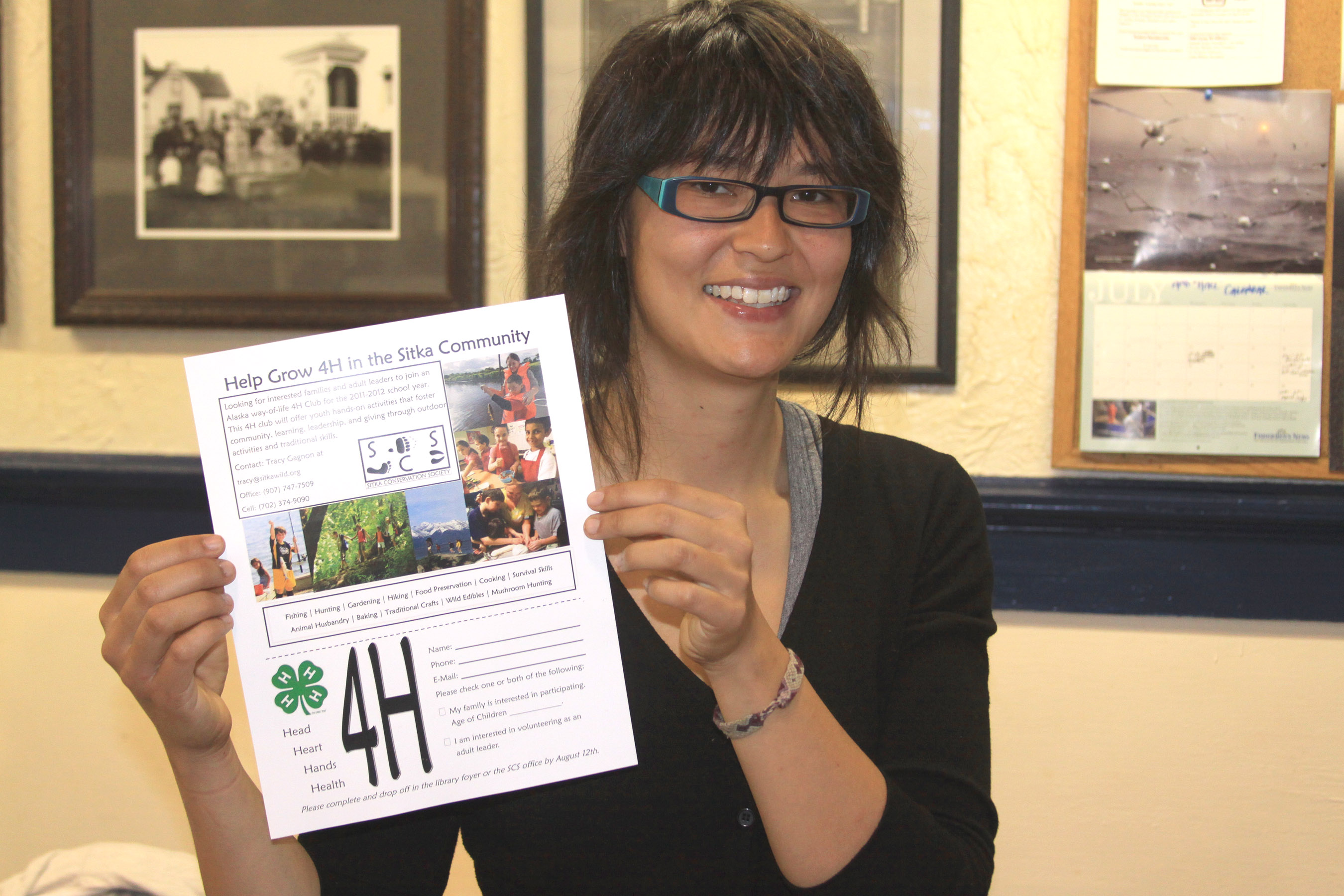
Sitka Conservation Society Community Sustainability Organizer Tracy Gagnon holds a flier introducing a new 4H club for Sitka.

Sitka Conservation Society Community Sustainability Organizer Tracy Gagnon holds a flier introducing a new 4H club for Sitka.

The Sitka Conservation Society and Sitka office of the University of Alaska Fairbanks Cooperative Extension Service will host an organizational meeting for a new Sitka 4H club from 6-7:30 p.m. on Tuesday, Sept. 13, at Room 215 at the University of Alaska Southeast-Sitka Campus.

4H is a national youth development organization that empowers young people to reach their full potential. In Alaska, the 4H program is part of the UAF Cooperative Extension Service. There used to be a 4H club in Sitka many years ago, but that club ceased operations. More information about the new Sitka 4H club can be found by clicking here.

The Sitka Conservation Society is working with the UAF Cooperative Extension Service to start a new club that will focus on Alaska way-of-life traditions, including but not limited to fishing, gardening, food preservation, baking, hiking and survival skills. Join in the harvest by learning to catch, hunt and grow your own food with other Sitka families. This program is organized by the families involved and led by parent volunteers.

The organizational meeting on Sept. 13 will discuss program logistics. Contact Tracy Gagnon at 747-7509 or tracy@sitkawild.org for more information. An RSVP is appreciated.

• Sitka 4H club registration/interest flier

• SEARHC, UAF Cooperative Extension Service to host ‘Basics of Food Preservation’ classes

University of Alaska Fairbanks Cooperative Extension Service Tanana District Agent Roxie Dinstel demonstrates proper home canning techniques (Photo courtesy of the UAF Cooperative Extension Service)

University of Alaska Fairbanks Cooperative Extension Service Tanana District Agent Roxie Dinstel demonstrates proper home canning techniques (Photo courtesy of the UAF Cooperative Extension Service)

Are you looking for ways to safely put up your grub? Do you have extra salmon or veggies you want to preserve for eating this winter? Two “Basics of Food Preservation” classes will be taught Wednesday, Aug. 31, in Sitka.

The first class takes place at noon on Aug. 31 at the SouthEast Alaska Regional Health Consortium (SEARHC) S’áxt’ Hít Mt. Edgecumbe Hospital Litehouse Cafeteria conference rooms. The second class is at 7 p.m. at Kettleson Memorial Library.

Both one-hour classes will be taught by University of Alaska Fairbanks Cooperative Extension Service Tanana District Agent Roxie Dinstel of Fairbanks, who will cover safe canning and preserving for various types of foods. Roxie helped create the UAF Cooperative Extension Service‘s new Preserving Alaska’s Bounty online tutorials for home canners, which can be found at http://www.uaf.edu/ces/preservingalaskasbounty/. (Note, Adobe Flash Player required to view tutorials, but it can be downloaded from the site.) She also helped write several of the UAF Cooperative Extension Service’s publications on canning, which are available from your local UAF Cooperative Extension Service office (at the University of Alaska Southeast-Sitka Campus in Sitka) or can be downloaded online at http://www.uaf.edu/ces/publications/.

In addition to the two classes on home canning, Roxie also will be available to test pressure gauges for home canning equipment owned by Sitka residents. These tests can tell you if your gauge is still accurate, or if it needs to be replaced for safe canning.

These classes are sponsored by the University of Alaska Fairbanks Cooperative Extension Service, Kettleson Memorial Library and SEARHC Health Promotion. All are welcome to attend, and the classes are free. For more information, please contact Martha Pearson at 966-8783 or martha.pearson@searhc.org.