Building a Local Food System: Keith Nyitray of Finn Island Farm and the Sitka Food Co-Op

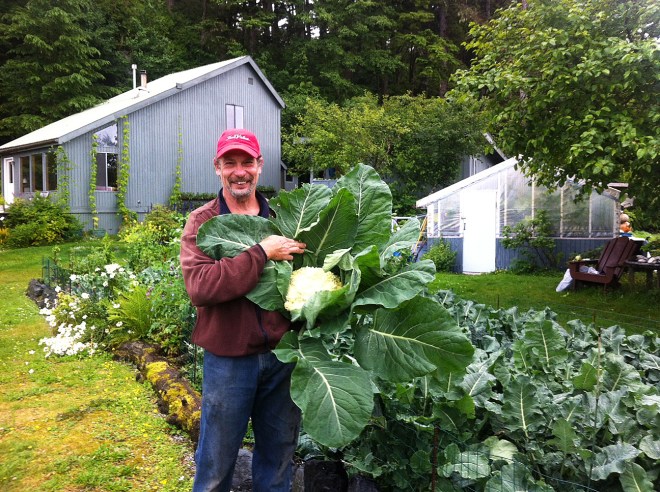
KeithNyitrayWithCabbage

(Editor’s Note: The Sitka Local Foods Network’s Bulldog on Baranof intern this summer, Claire Chang, is writing the Building a Local Food System series of articles about Sitkans working to improve food security. This is the first article of the series.)

As owner of Finn Island Farm and general manager of the Sitka Food Co-Op, Keith Nyitray is committed to improving access to quality, affordable food on a local level.
DSCN0863Born in the Bronx and raised on Long Island, Nyitray arrived in Alaska after college in 1979 to pursue mountaineering. He has had his fair share of rugged adventures, including a 10-month, 1,500 mile solo expedition across the Arctic Brooks Range that he wrote about for National Geographic in 1993. When he arrived in Sitka for the first time 17 years ago, the town’s “wonderful community” inspired him to stay.

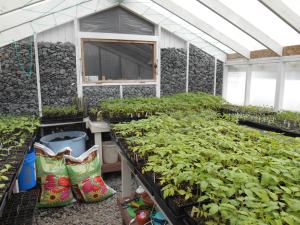
Nyitray says he learned to garden “at his grandfather’s knees.” He operates his farm and lives on Finn Island, located three miles from Sitka in the Kasiana Islands. On about 2,000 square feet of garden space, he produces plant starts and vegetables, and he also maintains a greenhouse and raises chickens.

Compared to other gardens in Sitka, one of the biggest advantages of the farm’s location on an island is what Nyitray calls the “270 degrees of sun” his garden receives. Annually, he sells 5,000 to 6,000 plant starts to True Value, to private individuals, and through the Sitka Food Co-Op. He sells most of his mature vegetables — such as green beans, zucchini, lettuce, beets, broccoli, English cucumbers, and peppers — through private trades and through the co-op.
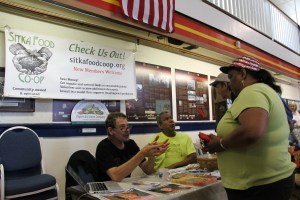
KeithNyitrayRobertBainesExplainSitkaFoodCoOpNyitray helped establish the Sitka Food Co-Op in 2011 to help meet the needs of the community. “A lot of people were struggling financially at the time,” Nyitray said, “and food prices were going up and down.”

According to Nyitray, the co-op provides Sitkans access to organic, healthy food at lower prices than local markets. Co-op members make purchases through food distributors online, and the bulk orders are shipped to Sitka as freight on barges. Organic apples purchased through the co-op, for example, cost half as much as organic apples at the grocery stores in Sitka. In addition, the co-op provides individuals with unique dietary needs, especially families with children who have allergies, with access to a wider variety of foods than local markets.

What started as a cooperative of 13 families now has more than 220 members, and sales are projected to exceed $260,000 this year. Nyitray explained that the “slow growth approach” has allowed the organization to keep membership fees at affordable levels while including as many community members as possible.
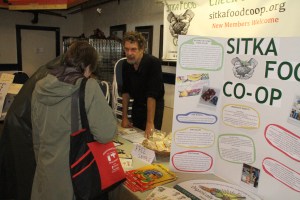
SitkaFoodCoOpKeithNyitrayMany co-ops, often in big cities or areas with large universities nearby, raise significant capital to open a retail storefront before going into operation. In contrast, the Sitka Food Co-Op does not yet have a retail store, and Nyitray describes the Sitka co-op as a “hybrid between a non-profit buyers club and a for-profit co-op.” This model, which prioritizes the co-op’s connection with the community, is consistent with Nyitray’s belief in “food for people, not for profit.”

The success of the Sitka Food Co-Op has even inspired other rural Alaskan communities, such as Petersburg and Kodiak, to ask Nyitray about starting their own co-ops. Nyitray is excited about supporting these new co-ops, as one of the “seven cooperative principles,” a set of ideals for the operation of cooperatives, is “cooperation between cooperatives.”

Nyitray describes his roles on Finn Island Farm and with the Sitka Food Co-Op as “the most rewarding jobs or positions he has ever had.” He views his work as an embodiment of the saying, “think globally, act locally.” In working toward food security in Sitka, Nyitray has been able to see “definite, positive, immediate results.”

IMG_9866For instance, Nyitray says the competition from the co-op has already led some local grocery stores to reduce some of their prices. Having previously been involved in politics, he finds these results especially gratifying. “In politics, the work was very challenging, but not always very rewarding. You could work really hard, but rarely see results.”

He also enjoys the relationships with community members that he forms through his work. “When people purchase stuff from you they are actually saying thank you,” he explains. “They appreciate the service and the quality of food and the savings. It’s very social. I know everyone by name.”

In the future, Nyitray hopes the Sitka Food Co-Op will be able to include even more members and eventually open a retail store. A retail store helps reach more people in the community who are not members of the co-op and allows shoppers to use food stamps and other forms of food assistance as payment. As he works to serve community, Nyitray will continue to enjoy some of the smaller perks of his job. “I like the organic oranges that I get,” he says, “because I like the juice.”

To learn more about Finn Island Farm, contact Keith Nyitray at knyitray@yahoo.com. To learn more about the Sitka Food Co-Op, contact Nyitray at sitkafoodcoop@gmail.com, or visit the co-op website at http://sitkafoodcoop.org.
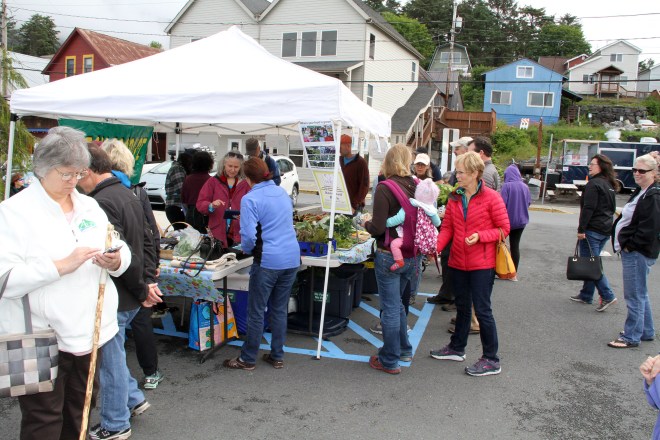
Scenes from the first Sitka Farmers Market of the 2016 summer

SLFNBoothCrowdInFrontOfBooth

SitkaFarmersMarketSignAfter raining the night before, we ended up with some sun when we held the first of the seven Sitka Farmers Markets of the 2016 summer on Saturday, July 2, at the Alaska Native Brotherhood Founders Hall.

The market was a bit smaller than usual, partially because of competition with the Fourth of July booths at Baranof Elementary School and because of our attempts to refocus the market to put more of an emphasis on local food. We did have some new vendors at the market, and there were a couple of discussions from potential vendors asking about space at the next market.

JessicaGillMarcosMunchiesDogTreats

Jessica Gill was one of our new vendors this market with Marco’s Munchies dog treats.

We always welcome new vendors who want to sell produce they’ve grown, fish they’ve caught, and local cottage food products they’ve made. To learn more about how to be a vendor, contact Matthew Jackson at (907) 821-1412 or jackson.mw08@gmail.com or Brandie Cheatham at (907) 687-9927 or vista_brandie@yahoo.com.

The next Sitka Farmers Market will be from 10 a.m. to 1 p.m. on Saturday, July 16, at the ANB Founders Hall. The other markets this summer are on Saturdays, July 30, Aug. 13, Aug. 20, Sept. 3, and Sept. 10. The Sitka Farmers Markets receive sponsorship funding from the SouthEast Alaska Regional Health Consortium (SEARHC). Don’t forget to vote for the Sitka Farmers Market in the American Farmland Trust’s eighth annual Farmers Market Celebration.

A slideshow of scenes from the first Sitka Farmers Market of the 2016 summer is below.

This slideshow requires JavaScript.

Sitka Local Foods Network to host seven Sitka Farmers Markets this summer


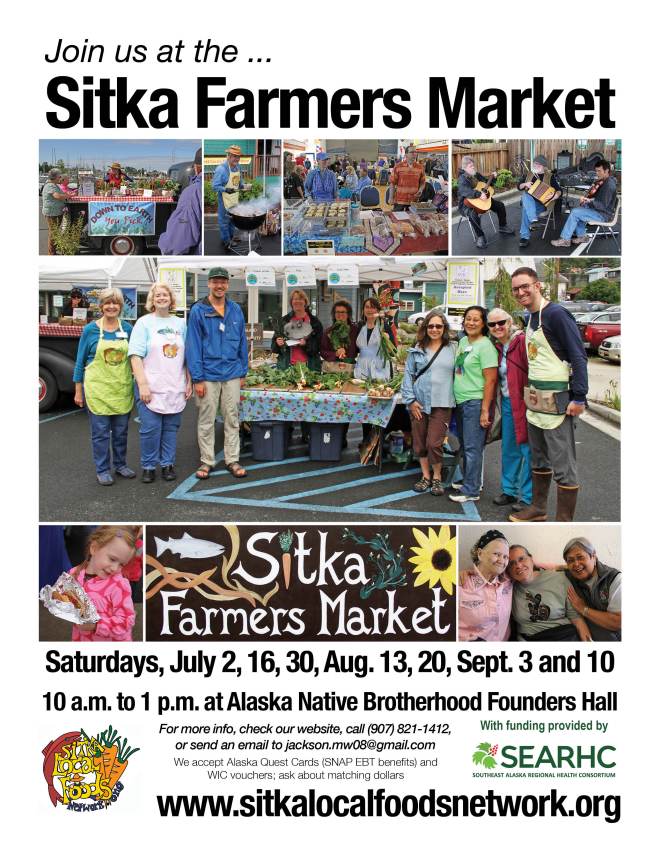
2016SitkaFarmersMarketFlier2

Sitka residents might notice a few changes when the Sitka Local Foods Network opens its ninth season of Sitka Farmers Markets this Saturday. For one, there will be more markets — seven instead of the six markets hosted in recent years. Another change is a more compact market, with a revised vendor price structure and fewer special programs that put the emphasis back on local foods.

SLFNBoothAlliGabbertHelpsGuyBuyingLocalIngredientsForHalibutChowder“The Sitka Farmers Market is a community gathering as much as it is a market,” said Matthew Jackson, newly installed president of the Sitka Local Foods Network and co-manager of the Sitka Farmers Market this year with Brandie Cheatham. “It’s a great way to connect with your neighbors and support local entrepreneurs. In Alaska we know all about the leaky bucket effect, so shopping at the Sitka Farmers Market is a way to keep money circulating in our community.”

The first Sitka Farmers Market of the season takes place from 10 a.m. to 1 p.m. on Saturday, July 2, at the Alaska Native Brotherhood Founders Hall (235 Katlian St.). The other markets this summer take place from 10 a.m. to 1 p.m. on Saturdays, July 16, July 30, Aug. 13, Aug. 20, Sept. 3, and Sept. 10, at ANB Founders Hall.

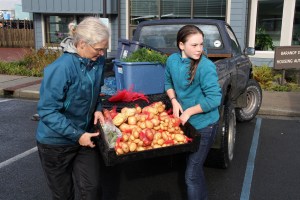
SLFNBoothLauraSchmidtAndDaughterWithPotatoesThe markets feature a variety of locally grown produce, locally harvested seafood, locally manufactured cottage foods, locally made arts and crafts, music and fun. The Sitka Farmers Market was the first market in Southeast Alaska to accept Alaska Quest (SNAP) electronic benefits transfers (EBT) and WIC coupons.

“For the last four seasons we’ve been proud to welcome Alaska Quest EBT and WIC shoppers at the market,” Jackson said. “It is so important to make sure local food is accessible to everyone.”

SLFNBoothLisaSadleirHartHelpsCustomersThe second Sitka Health Summit in April 2008 planted the seeds for the Sitka Farmers Market, as Sitka residents chose starting a local foods market as one of their community wellness initiatives for the year. About the same time, St. Peter’s By The Sea Episcopal Church was looking for a way to put some recently cleared land behind the church’s See House into use for a community project. St. Peter’s offered to lease the land to the group that became the Sitka Local Foods Network for $1 a year, and in May 2008 a group of Sitka residents built raised garden beds and planted a variety of crops. Later that summer, there was enough produce grown at St. Peter’s to supply our first three Sitka Farmers Markets starting in August 2008.

2016SitkaFarmersMarketSponsorsWe grew to five markets in 2009, followed by six markets each year from 2010-15 and now seven markets in 2016. Led by lead gardener Laura Schmidt, the production of local produce at St. Peter’s has grown each year, and there now are satellite gardens, such as the one on land owned by Pat Arvin. Most of the food grown at St. Peter’s and the satellite gardens is sold at the Sitka Farmers Market, but there has been enough for the Sitka Local Foods Network to also have a table when Chelan Produce is in town and to sell to local school lunch programs and restaurants. The money raised helps support the Sitka Local Foods Network, a 501(c)(3) nonprofit, in its mission “to increase the amount of locally produced and harvested food in the diets of Southeast Alaskans.”

To learn more about the Sitka Farmers Market and how you can become a vendor, contact Matthew Jackson at (907) 821-1412 or jackson.mw08@gmail.com. The Sitka Local Foods Network website, http://www.sitkalocalfoodsnetwork.org/, also has more info on the markets and links to vendor forms. The Sitka Farmers Market is sponsored by the SouthEast Alaska Regional Health Consortium (SEARHC).

As you build your garden this spring, don’t forget to Plant A Row For The Hungry

(EDITOR’S NOTE: The following article first appeared on this site in April 2010. It is repeated because much of the information remains current and newsworthy.)

As you start to plan your garden for this spring and summer, don’t forget to Plant A Row For The Hungry. The Plant A Row For The Hungry program (also known as Plant A Row or PAR) is a national campaign by the Garden Writers Association of America that has its roots in Alaska.

In the cold winter of 1994, Anchorage Daily News (now called the Alaska Dispatch News) garden columnist and former Garden Writers Association of America President Jeff Lowenfels was returning to his hotel after a Washington, D.C., event when he was approached by a homeless person who asked for some money to buy food. Lowenfels said Washington, D.C., had signs saying, “Don’t give money to panhandlers,” so he shook his head and kept on walking. But the man’s reply, “I really am homeless and I really am hungry. You can come with me and watch me eat,” stayed with Lowenfels for the rest of his trip.

Jeff Lowenfels

Jeff Lowenfels

The encounter continued to bother Lowenfels, even as he was flying back to Anchorage. During the flight, Lowenfels came up with an idea when he started writing his weekly garden column (the longest continuously running garden column in the country, with no missed weeks since it started on Nov. 13, 1976). He asked his readers to plant one extra row in their gardens to grow food to donate to Bean’s Café, an Anchorage soup kitchen. The idea took off.

When Anchorage hosted the Garden Writers Association of America convention in 1995, Lowenfels took the GWAA members to Bean’s Café to learn about the Plant A Row For Bean’s Café program. The Garden Writers Association of America liked the idea, and it became the national Plant A Row For The Hungry campaign (also known as Plant A Row or PAR). In 2002, the Garden Writers Association Foundation was created as a national 501(c)(3) nonprofit to manage the Plant A Row For The Hungry program.

“I am not surprised by the growth of PAR,” Lowenfels wrote in an e-mail to the Sitka Local Foods Network. “It is now in all 50 states and across Canada and there are thousands of variations of the original program — from prison gardens for the hungry to botanical gardens donating their produce from public display gardens. This is because gardeners always share information and extra food, so the idea was a natural.”

It took five years for the program to reach its first million pounds of donated food, but the second million only took two years and the next eight years saw a million pounds of donated food (or more) each year. Since 1995, more than 14 million pounds of food have been donated. Not only that, the program is getting ready to expand overseas to Australia, England and other countries with avid gardeners.

“We have supplied something in the vicinity of enough food for 50 million meals,” Lowenfels wrote in his e-mail. “Gardeners can solve this hunger problem without the government. And we don’t need a tea party to do it! Or chemicals, I might add, as author of a book on organic gardening!” Lowenfels is the author of Teaming With Microbes, written with Wayne Lewis. He recently released a second book, Teaming With Nutrients, which is a follow-up to his first book.

According to the U.S. Department of Agriculture, one out of every eight U.S. households experiences hunger or the risk of hunger. Many people skip meals or eat too little, sometimes going an entire day or more without food. About 33 million Americans, including 13 million children, have substandard diets or must resort to seeking emergency food because they can’t always afford to buy the food they need. In recent years, the demand for hunger assistance has increased 70 percent, and research shows that hundreds of children and adults are turned away from food banks each year because of lack of resources.

According to the 2014 Sitka Community Food Assessment Indicators Report, about one in six people in Sitka is food insecure. In 2013, there were 1,410 Sitkans (out of a population of about 9,000) and 766 families receiving food assistance (SNAP, aka food stamps). There also were 229 individuals who received food pantry assistance from the Salvation Army and 7,243 meals served through its lunch soup kitchen in 2013, and that number has grown substantially since then.

While many people credit Lowenfels for creating the Plant A Row For The Hungry program, Lowenfels says the real heroes are the gardeners growing the extra food and donating it to local soup kitchens, senior programs, schools, homeless shelters and neighbors. You can hear him pass along the credit to all gardeners at the end of this 2009 interview with an Oklahoma television station (video also embedded below).

“One row. That’s all it takes. No rules other than the food goes to the hungry. You pick the drop-off spot or just give it to a needy friend or neighbor. Nothing slips between the lip and the cup, I say,” Lowenfels wrote in his e-mail.

For people wanting to Plant A Row For The Hungry in Sitka, there are several places that would love to help distribute some fresh locally grown veggies or berries to those who are less fortunate, such as the Salvation Army, Sitkans Against Family Violence (SAFV), local churches, Sitka Tribe of Alaska and other organizations. The food the Sitka Local Foods Network grows at St. Peter’s Fellowship Farm communal garden goes to the Sitka Farmers Market, school lunches and other programs.

People who participate in the Alaska Food Stamp program can use their Alaska Quest Cards to purchase produce and fish at the Sitka Farmers Market and other farmers markets around the state. People who participate in the  WIC (Women, Infants, Children) supplemental food program (operated in Southeast Alaska by the SouthEast Alaska Regional Health Consortium or SEARHC) also can use special farmers market vouchers to buy fresh vegetables at the Sitka Farmers Market and other farmers markets in Alaska (this is part of the national WIC Farmers Market Nutrition Program).

The Sitka Local Foods Network also takes donations of local produce to sell at the Sitka Farmers Markets, and all proceeds are used to help pay for SLFN projects geared toward helping more people in Sitka grow and harvest local food. For more information, contact the Sitka Local Foods Network board members at sitkalocalfoodsnetwork@gmail.com.

• 2016 Plant A Row informational brochure

Sitka Farmers Market vendor registration information for 2016 now available

SitkaFarmersMarketSign

Registration for the 2016 Sitka Farmers Markets is open, and vendors looking to sell local food, arts and crafts, and other items at the markets can find all the vendor forms, information sheets, rules and regulations for this year by going to the Documents page on this site, or look at the bottom of this post for the documents. The forms include information about how to register your table for this year’s markets.

The 2016 Sitka Farmers Market manager will be hired soon, and he/she can be reached at sitkafarmersmarket@gmail.com or 738-8683 during the market season. The tentative dates for our 2016 Sitka Farmers Markets will be from 10 a.m. to 1 p.m. on seven Saturdays — July 2, July 16, July 30, Aug. 13, Aug. 20, Sept. 3, and Sept. 10 — at the Alaska Native Brotherhood Founders Hall at 235 Katlian Street.

The Sitka Local Foods Network already held two pre-market meetings to discuss market changes for potential vendors, and we may hold additional meetings as we get closer to the market season. Most of the info about changes is in the 2016 Vendor Rules and Responsibilities document. This document also includes information about commercial kitchens in Sitka and other helpful hints to make your booth more successful, plus it has your registration form for this year.

Sitka Local Foods Network board liaison Matthew Jackson is available to answer questions and to make suggestions that will help new and returning vendors adjust to any food regulation changes from the Alaska Department of Environmental Conservation, updates to the Alaska Quest electronic benefits program, etc.

There are several changes to the 2016 rules and responsibilities, so please read them carefully. For more information, contact Sitka Farmers Market board liaison Matthew Jackson at (907) 821-1412 or jackson.mw08@gmail.com, or you can email the Sitka Local Foods Network Board of Directors at sitkalocalfoodsnetwork@gmail.com.

Sitka Farmers Market vendor forms

• 2016 Vendor Rules and Responsibilities (with Registration Form, updated March 30, 2016)

• Link to 2015 Farmers Market Resource Fact Sheets from Alaska Division of Agriculture

• 2015 City and Borough of Sitka Sales Tax Form for Sitka Farmers Market Vendors

• Cottage Food Fact Sheet — “Understanding Alaska’s Cottage Food Exemptions”

• Cottage Food Exemptions

• Washington Farmers Market Vendor Marketing Guide (March 2014)

• Guide to Operating a Successful Home-Based Food Business (March 2014 document from UAF Cooperative Extension Service and Alaska Department of Environmental Conservation includes Alaska food safety information and regulations for farmers markets and other food sales)

Please join us March 29 to discuss changes to the Sitka Farmers Market

SitkaFarmersMarketSign

The Sitka Local Foods Network will be making changes to the Sitka Farmers Markets in 2016. Past and prospective vendors are invited to join us for a meeting to discuss the changes from 6-7:30 p.m. on Tuesday, March 29, at the Westmark Sitka Hotel banquet room.

The Sitka Local Foods Network will have a new leadership team in place for this year’s markets, which will take place from July through September. Learn how to grow your small business and cottage food businesses at the markets. Vendors who register their booths or tables at the meeting will receive a 5 percent discount on their table fees.

For more information, contact Matthew Jackson at (907) 821-1412 or send email to sitkalocalfoodsnetwork@gmail.com.

Sitka Local Foods Network seeks manager for 2016 Sitka Farmers Markets

SitkaFarmersMarketSign

The Sitka Local Foods Network is seeking a manager to coordinate the 2016 Sitka Farmers Markets this summer. This is a contract position, and the manager receives a small compensation depending on experience for his or her work organizing the six scheduled farmers markets this summer.

SLFNBoothGroupPhotoThis will be the ninth year of operation for the Sitka Farmers Market, which features six markets during the summer from July through September. We are still setting the dates for 2016, but they should be released soon. The farmers markets feature booths from local farmers/gardeners, local fishermen, and artisans and craftspeople. These events are great Sitka gathering places, and we promote local foods and other local goods at the markets.

This year we have new leadership for the market from within the Sitka Local Foods Network, and we are trying to streamline things so it’s easier for the market manager and vendors. We are not hiring an assistant manager this year, so all applicants will need to commit to be at all six markets this year. In addition, the market manager needs access to a vehicle (for hauling signs and supplies around) and to the Internet. Help us bring the fun back to the market.

A detailed description of the market manager duties can be found at the link below. For more information or to submit applications, contact Matthew “Jackson” Jackson at 1-907-821-1412, or you can email the Sitka Local Foods Network Board of Directors at sitkalocalfoodsnetwork@gmail.com (please put “Sitka Farmers Market Manager” in the subject line).

Applications should include a cover letter, resumé and three recommendations, and they are due by 5 p.m. on Friday, April 1. The market manager of the Sitka Farmers Market reports to the Sitka Local Foods Network Board of Directors.

To learn more about the Sitka Farmers Market and some of the changes we have planned this year, there will be a meeting for vendors and prospective vendors from 6-7:30 p.m. on Tuesday, March 29, at the Westmark Sitka Hotel banquet room. This meeting is free and open to all.

• Description of duties for market manager of the Sitka Farmers Market Manager (2016)

• Alaskans Own community-supported fisheries program announces 2016 season subscription prices

Flier no tabs

Sitka-based Alaskans Own seafood recently announced its subscription prices for its 2016 community-supported fisheries (CSF) program in Sitka, Juneau, and Anchorage.

Alaskans Own was the first CSF program in the state, modeling its program after the successful community-supported agriculture (CSA) programs that let customers deal directly with harvesters so they can buy subscription shares to the year’s crop/catch. In addition to the CSF program, Alaskans Own usually has a table at the Sitka Farmers Markets during the summer (and plans to have a larger presence at the market this summer).

AO flier no tagsThis is the seventh year of the Alaskans Own CSF program, and there are four-month and six-month subscriptions available starting in May. The six-month subscriptions allow people to keep receiving freshly caught seafood through October instead of August, when the traditional four-month subscriptions end. Half-subscriptions also are available. Subscriptions include a mix of locally troll-caught black cod (sablefish), halibut, king salmon, coho salmon, lingcod and miscellaneous rockfish, depending on the commercial fishing season and prices.

AO logo-01 (2)“We’re so excited to be going into another year of connecting more Alaskans with the best fish out there,” said Anya Grenier, Alaskans Own seafood coordinator. “So little of the incredible bounty of our waters stays in state, or even in the U.S. We want to change that dynamic, and we think the place to start is investing in our fishermen and our community.”

This year’s price for a six-month full subscription (about 60 pounds, or 10 pounds a month) in Sitka is $825 (does not include sales tax) and $435 for a half subscription (about 30 pounds). The price for a four-month full subscription (about 40 pounds) is $565 and $300 for a half subscription (about 20 pounds). Sitka residents are required to pay 5 percent city sales tax if purchased before March 31, and 6 percent sales tax after that. Wholesale orders are available, and the deadline for subscription orders is May 1.

Prices and sales tax charges may vary for the other communities participating in the program. People can use the Alaskans Own online store site to purchase their CSF shares. You also can send a check to Alaskans Own, P.O. Box 1229, Sitka, Alaska, 99835. Delivery times and dates in Sitka will be announced later and usually take place at the old mill building next to the Sitka Sound Science Center (834 Lincoln Street).

20150524_sitka_925

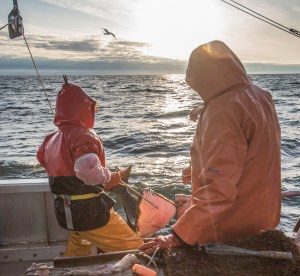
Photo by Joshua Roper / Alaska Seafood Marketing Institute (ASMI)

The Alaskans Own seafood program is managed by the Alaska Longline Fishermen’s Association. It also partners with the Alaska Sustainable Fisheries Trust, the Fishery Conservation Network and Local Fish Fund, which have missions to strengthen Alaskan fishing communities and marine resources through scientific research, education, and economic opportunity.

For more information about the Alaskans Own seafood program, contact Anya Grenier at alaskansownfish@gmail.com or 738-2275.

• Please join us Feb. 17 to discuss changes to the Sitka Farmers Market

SitkaFarmersMarketSign

The Sitka Local Foods Network has some changes in store for the way it runs the Sitka Farmers Market, and we want you to be a part of those changes and we want to hear your input.

We’re hosting an informational session, a Q&A if you will, at 6 p.m. on Wednesday, Feb. 17, at the Sitka Unitarian Universalist Fellowship Hall (408 Marine Street, parking off Spruce Street). The meeting should run for about an hour.

The gist of the meeting is that there are two challenges the Sitka Farmers Market needs to overcome for the 2016 season:

  1. How can we make the Sitka Farmers Market financially sustainable?
  2. Historically we have avoided holding Sitka Farmers Markets on Chelan Produce days. Chelan Produce has changed its schedule, so how can we best adapt our schedule?

We will have a short presentation, followed by Q&As and discussion. Anyone interested in the Sitka Farmers Market is welcome.

Traditionally farmers markets are run by the vendors who benefit from them, so please come and let your thoughts be heard. We value your input and want to empower you to create a successful market together. And we will have snacks.

For more information, email sitkalocalfoodsnetwork@gmail.com.

• Highlights from 2015 for your Sitka Local Foods Network

Some carrots grown at St. Peter's Fellowship Farm communal garden on sale at the Sitka Farmers Market

Some carrots grown at St. Peter’s Fellowship Farm communal garden on sale at the Sitka Farmers Market

As 2015 comes to a close, here are some highlights from the past year for your Sitka Local Foods Network. We are looking forward to a lot of new adventures in 2016, and encourage people to join us. We always need new volunteers, and please donate to us through Pick.Click.Give. when you file for your Alaska Permanent Fund Dividend starting on Jan. 1 and ending March 31. Your donations help fund a variety of Sitka Local Foods Network programs, such as the Sitka Farmers Market, St. Peter’s Fellowship Farm communal garden, and a host of garden and food education opportunities.

Our annual meeting and potluck will be from 5:30-8 p.m. on Saturday, Jan. 30, at the Sitka Unitarian Universalist Fellowship Hall (408 Marine Street, parking is off Spruce Street). This event is open to the public, just bring a dish (preferably with local foods) to share with everybody. We usually introduce new board members, confirm our new officers, and give an update on our finances and programs.

And now here are those 2015 highlights from your Sitka Local Foods Network:

Grew food at St. Peter’s Fellowship Farm and extension gardens

St. Peter's Fellowship Farm communal garden

St. Peter’s Fellowship Farm communal garden

For the eighth straight year, the Sitka Local Foods Network expanded its produce-growing operations at the St. Peter’s Fellowship Farm communal garden and our extension gardens, such as the one on land owned by Pat Arvin. The food grown from these gardens is sold at the Sitka Farmers Market, where Sitka residents, including people with SNAP (food stamps) and WIC (supplemental nutrition program for women, infants and children) benefits, have access to fresh local produce. In addition to supplying the Sitka Farmers Market, this year we grew enough to sell to some school lunch programs, at the Sitka Seafood Festival, at the Running of the Boots costumed fun run, and at a booth on days when Chelan Produce was in Sitka.

Hosted six Sitka Farmers Market events

Some of the booths at the Sitka Farmers Market

Some of the booths at the Sitka Farmers Market

We hosted the Sitka Farmers Market for the eighth straight summer, and this year there were six markets on alternate Saturdays from July 4 through Sept. 12. In addition to selling produce from St. Peter’s Fellowship Farm and our extension gardens, the Sitka Farmers Market serves as a business incubator where budding entrepreneurs sell jams/jellies, baked goods, fish, prepared food ready to eat, and a variety of local arts and crafts. Our emphasis is on local products always. The Sitka Farmers Market also provides a venue for local musicians (we hire a few to play at each market). One of the highlights this year was a brief performance by the students involved in the musical with the Sitka Fine Arts Camp. Another highlight was the inaugural Sitka Slug Races, where Sitka residents brought their own slugs (or rented ones we harvested) for a series of races on a glass table.

Taught a variety of garden education classes and mentored some novice gardeners

Tammy O'Neill, a student in the garden mentor program, poses with her garden beds after her second year in the program

Tammy O’Neill, a student in the garden mentor program, poses with her garden beds during her second year in the program

The Sitka Local Foods Network education committee hosted a variety of classes this year for local food gardeners. We started out with a couple of classes about basic gardening in Sitka, and followed those with classes on starting seeds, composting, chickens, rabbits, fruit trees, potatoes, carrots, rhubarb, and more. In addition, we hosted the second year of our family garden mentoring program with funding from First Bank. In this program we provided one-on-one mentoring for four families of novice gardeners and two families returning for a second year of the program. We are hoping to bring this innovative program back in 2016 and we are recruiting for new families. This fall we received a small grant from the United Way of Southeast Alaska that we will use to develop a teaching garden at Baranof Elementary School near downtown Sitka.

Partnered with several organizations to launch and operate the Sitka Kitch

LisaSadleirHartHelpsRebaAndRobertScoopCultureStarterIntoMilk

Sitka Kitch “Cooking From Scratch” instructor Lisa Sadleir-Hart, center, helps Reba Traini and Robert Baines make homemade yogurt

This year we partnered with the Sitka Conservation Society, UAF Cooperative Extension Service, First Presbyterian Church, Sitka Food Co-op, and other organizations to help launch the Sitka Kitch community rental commercial kitchen, which officially opened in March 2015. The Sitka Kitch is available for cottage food entrepreneurs to rent as they make their products, plus we have been offering a variety of food preservation and cooking classes. The Sitka Kitch also is available for people to rent who need a larger kitchen to cook a community meal.

Helped launch the Sitka Food Collaborative

Toward the end of the year, the Sitka Local Foods Network, Sitka Conservation Society, Sitka Kitch, Sitka Food Co-op, Sitka Seedling Farms, and other food groups created the Sitka Food Collaborative and then submitted an application for a USDA grant to conduct a Sitka Food Systems Assessment. This will build on the work done in 2013-14 with the Sitka Community Food Assessment, but will look at ways we can improve our local food system so we have better food security.

Fundraising and strategic planning

50-states-logoThe Sitka Local Foods Network is maturing as an organization, and this year we decided we needed to start raising money so we eventually can hire a part-time director to take care of some of the daily chores dealt with by our volunteer board of directors. We have started to set aside a little bit of money, still have a ways to go. This year we received a grant from the Alaska Community Foundation that will allow us to work with the Foraker Group in 2016 to create a fundraising and long-term strategic plan. We participated in the Pick.Click.Give. program for the second year, and we are preparing for our third year of receiving donations from Alaskans when they file for their Permanent Fund Dividends. We launched an online donation page on Razoo.com (a donation website for nonprofit groups), and hosted fundraisers for St. Peter’s Fellowship Farm, the Sitka Sound Suppers (with a totally local meal) and #GivingTuesday (#GivingTuesdayAK in Alaska). This fall we received a small grant from the United Way of Southeast Alaska that we will use to develop a teaching garden at Baranof Elementary School near downtown Sitka. In December, the Sitka Local Foods Network was named Alaska’s winner in the 50 States For Good contest, hosted by Tom’s of Maine. Each of the winning community nonprofits from each state won $20,000 to improve their programming, which we should receive in January.