• Check out the November 2015 edition of the Sitka Local Foods Network newsletter

December2015SLFNNewsletter

The Sitka Local Foods Network just sent out the November 2015 edition of its newly launched monthly newsletter. Feel free to click this link to get a copy.

This edition of the newsletter has brief stories about Giving Tuesday on Dec. 1, the Sitka Local Foods Network being listed in the Good Food Org Guide 2015, an appeal for new Sitka Local Foods Network board members, and an appeal for new first-year gardening families for the garden mentor program. Each story has links to our website for more information.

You can sign up for future editions of our newsletter by clicking on the registration form image in the right column of our website and filling in the information. If you received a copy but didn’t want one, there is a link at the bottom of the newsletter so you can unsubscribe. Our intention is to get the word out about upcoming events and not to spam people. We will protect your privacy by not sharing our email list with others.

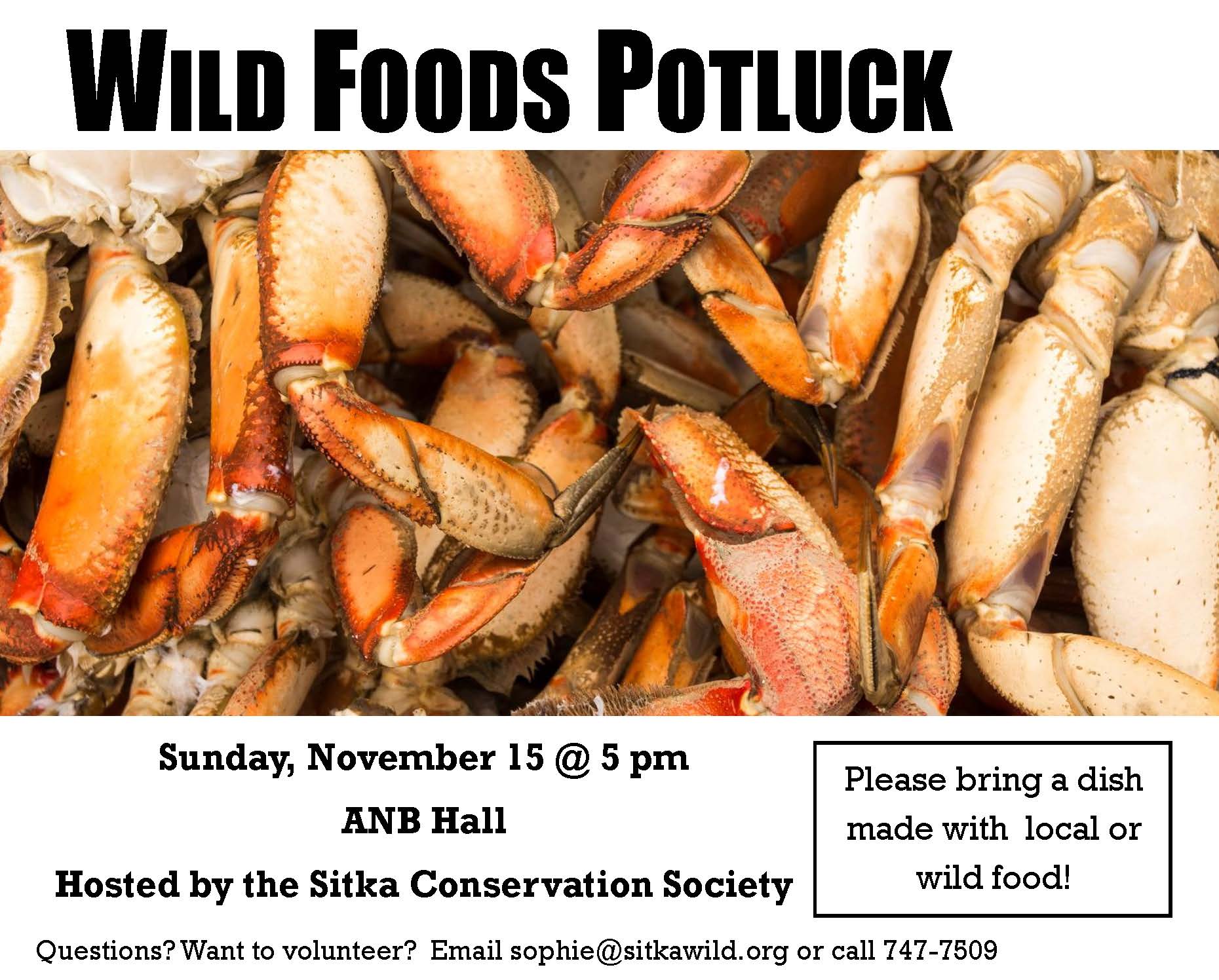
• Sitka Conservation Society to host its annual Wild Foods Potluck on Sunday, Nov. 15

Wild foods potluck poster 2015 - CRAB

The Sitka Conservation Society will host its annual Wild Foods Potluck from 5-7 p.m. on Sunday, Nov. 15, at the Alaska Native Brotherhood Founders Hall (235 Katlian St.).

Please bring a dish featuring ingredients that were fished, foraged, hunted, or cultivated in Southeast Alaska. Prizes will be awarded for first place in the following categories — Best Dish, Best Dessert, and Most Creative.

The event will highlight subsistence stories and the work performed by the Sitka Conservation Society over the last year. SCS members can pick up their 2016 SCS Calendars at the potluck.

The potluck is open to SCS members, friends, family, and anyone else interested in learning about the Sitka Conservation Society. Come celebrate Alaska’s wild food bounty.

Interested in volunteering at the potluck or want more information? Contact Sophie Nethercut at sophie@sitkawild.org or call 747-7509.

• SEARHC, UAF Cooperative Extension Service to host deer/venison canning classes

Participants in Sitka's Alaska Way Of Life 4-H program, aka the Sitka Spruce Tips 4-H program, learn how to skin and butcher a deer. (Photo courtesy of the Sitka Conservation Society/Sitka Spruce Tips 4-H program)

Participants in Sitka’s Alaska Way Of Life 4-H program, aka the Sitka Spruce Tips 4-H program, learn how to skin and butcher a deer. (Photo courtesy of the Sitka Conservation Society/Sitka Spruce Tips 4-H program)

kitch_logo_mainThe SouthEast Alaska Regional Health Consortium (SEARHC) WISEFAMILIES Traditional Foods program and the University of Alaska Fairbanks Cooperative Extension Service are teaming up to offer a deer and venison workshop from 3-7 p.m. on Friday, Oct. 30, at the Sitka Kitch.

The Sitka Kitch is a rental community commercial kitchen project coordinated by the Sitka Conservation Society, in partnership with the Sitka Local Foods Network, located inside the First Presbyterian Church, 505 Sawmill Creek Road. The Sitka Kitch was a project from the 2013 Sitka Health Summit designed to improve food security in Sitka while also providing a space for people wanting to get into the cottage food business or wanting to preserve their harvest for storage in the home pantry. Sitka Kitch officially opened in March 2015 after a series of renovations to make it pass Alaska Department of Environmental Conservation commercial kitchen food safety standards.

The Oct. 30 class will feature lessons on how to can venison in jars, taught by Ellen Ruhle, as well as how to prepare deer jerky and how to smoke venison, taught by Jud Kirkness.

There is a possibility we will be able to harvest a deer next week, and if so we will add on a portion of the workshop to focus on butchering and meat care. And this time we are just offering the food preservation class (canning, jerky, and smoking hind quarters).

Thanks to a grant from the SEARHC WISEFAMILIES Traditional Foods program, all ingredients, jars, and equipment will be supplied in class.

The SEARHC WISEFAMILIES Traditional Foods program promotes healthy lifestyles by connecting Alaska Natives in Southeast Alaska to their culture. Members of the program learn how to harvest, cook, and preserve their traditional Alaska Native foods, which usually are healthier than heavily processed store-bought foods. In addition, participants learn traditional language, dancing, carving, weaving, and other skills that help reconnect them to their culture.

The UAF Cooperative Extension Service offers a variety of programs geared toward food, how to grow it, how to preserve it for storage, and how to make it into cottage foods you can sell. For those who can’t make the classes, the service offers a series of free online tutorials about home canning called Preserving Alaska’s Bounty.

Pre-registration is required for this class, and there are only 12 spots available. For more information and to pre-register, please contact Jasmine Shaw at 747-9440 or jdshaw2@alaska.edu.

• Sitka Local Foods Network one of nine Alaska organizations in the 2015 Good Food Org Guide

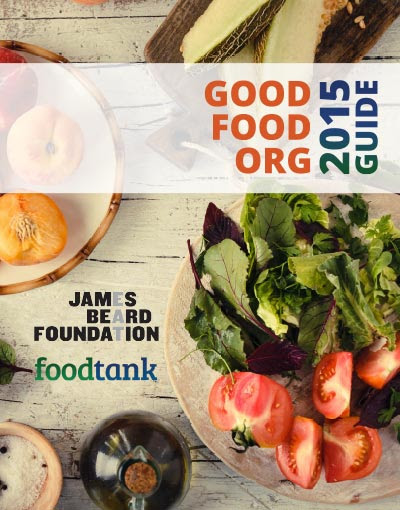
2015FoodOrgGuide

2015_GFOG_SEAL_HIRESThe Sitka Local Foods Network is one of nine Alaska food organizations included in the Food Tank and James Beard Foundation‘s 2015 Good Food Org Guide, released on Oct. 16. This year’s second annual guide is more than triple the size of last year’s inaugural offering.

According to the Food Tank website, ‘This definitive guide highlights nonprofit organizations that are doing exemplary work in the United States in the areas of food and agriculture, nutrition and health, hunger and obesity, and food justice. Only nonprofit, scholarly, and municipal initiatives have been selected in order to spotlight efforts that are focused on community building and engagement, advocacy, and service.”

The guide is meant to be a definitive resource that highlights the exemplary work non-profit organizations in the United States are doing on food and agriculture, nutrition and health, hunger and obesity, and food justice.

In addition to the Sitka Local Foods Network, the other Alaska groups included in the guide for the second straight year are the Alaska Food Coalition, the Alaska Food Policy Council, the Kenai Peninsula Food Bank, and Kids’ Kitchen, Inc. New to the guide this year are the Alaska Sustainable Fisheries Trust/Alaskans Own Seafoods of Sitka, the Southeast Soil and Water Conservation District of Juneau, the University of Alaska Fairbanks Cooperative Extension Service, and Alaska Community Agriculture.

You can view the online version of the 2015 Food Org Guide by clicking this link, or you can download a hard copy of the 2015 Food Org Guide by clicking the link below.

• Food Tank and James Beard Foundation’s 2015 Good Food Org Guide

• Sitka Health Summit chooses three 2015-16 community wellness projects

SitkaHealthSummitGroup

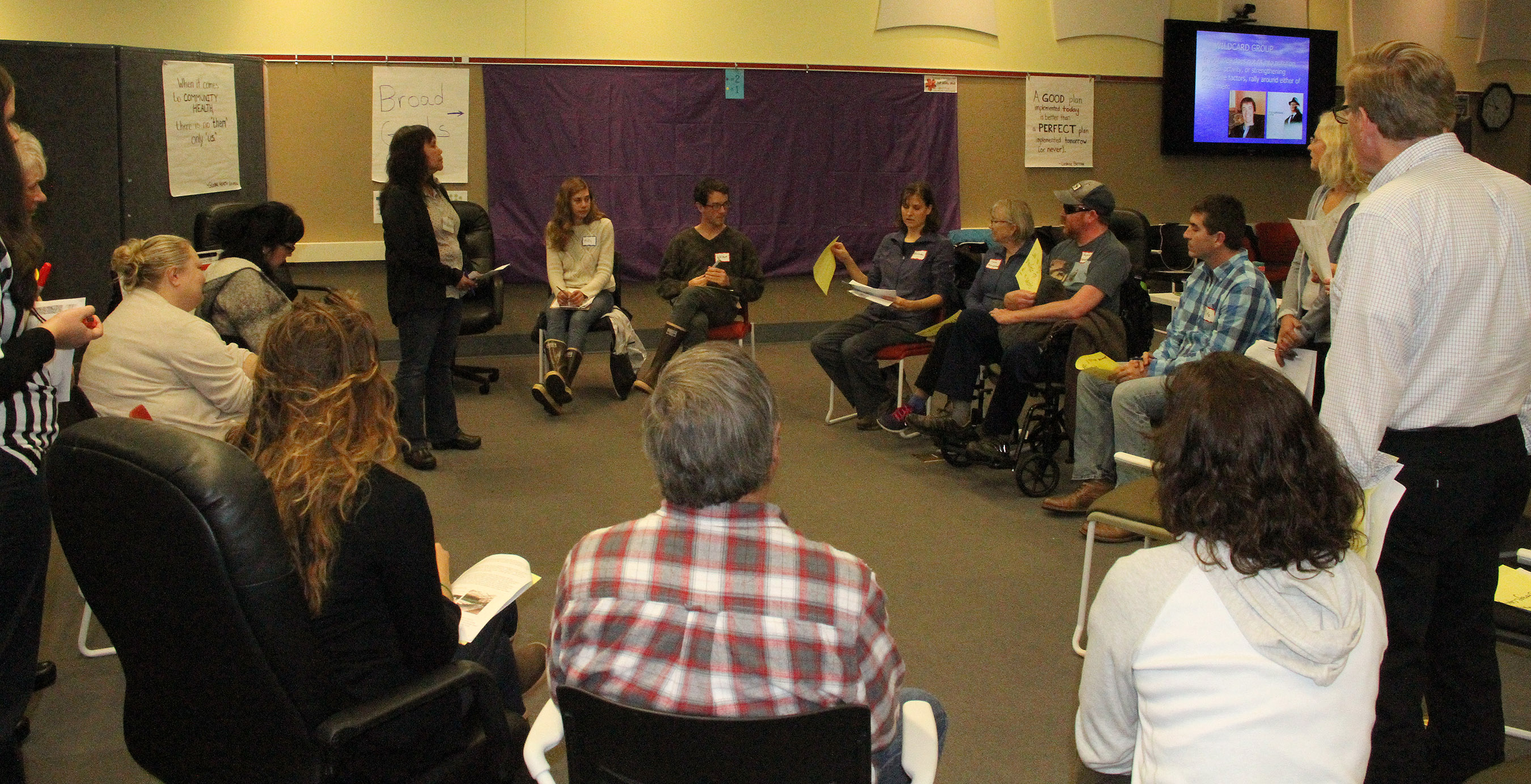
newsitkahealthsummitlogoSitka residents decided to find ways to honor and support our elders, build an accessible community playground near Crescent Harbor, and build a community greenhouse on the roof of the city cold storage building (or a similar-flat-roofed structure), choosing those as the three community wellness projects Sitka residents chose to pursue in 2015-16 at the ninth annual Sitka Health Summit planning day Friday, Oct. 9, at the University of Alaska Southeast Sitka Campus.

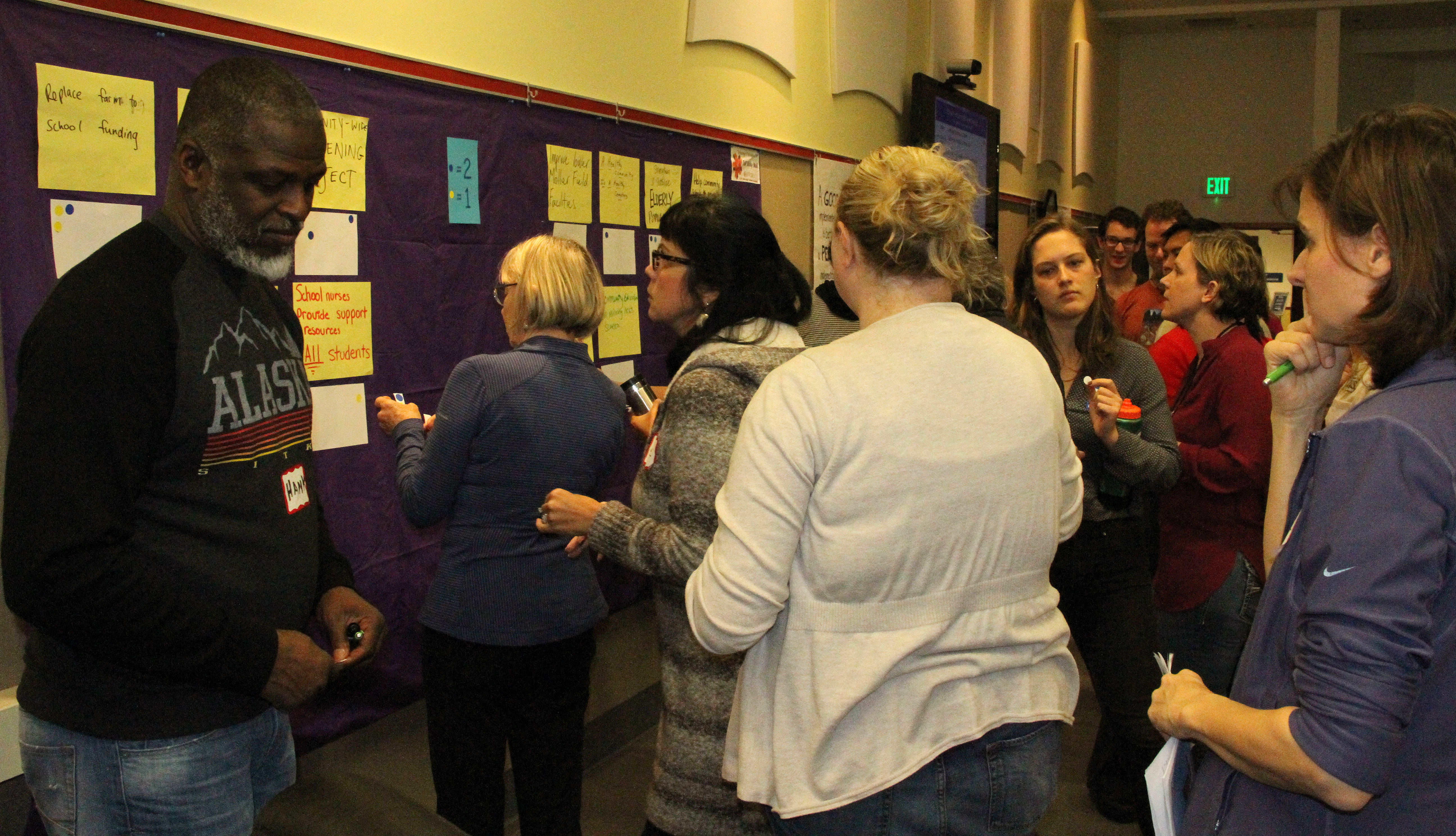
VotingForBroadProjectsThese three projects (one broad topic, and two specific topic projects that tied as top vote-getters) each were awarded with $2,000 in Tier 1 seed money to help get them started. The three projects were picked after 57 Sitka residents brainstormed and discussed the advantages and disadvantages of a wide variety of community wellness projects. In addition to the Tier 1 awards, the Sitka Health Summit also made applications available for Tier 2 grants of $10,000 for projects dealing with nutrition (applications are due Oct. 23, contact Lauren Hughey at lauren.hughey@searhc.org or go to http://www.sitkahealthsummitak.org/ for more information).

LynneBrandonAwardThe Sitka Health Summit also honored Lynne Brandon with a lifetime achievement award for her work promoting healthy lifestyles during her 13 years as Sitka’s Director of Parks and Recreation and now in her new position as executive director of Sitka Trail Works Inc.

Each of the three Tier 1 projects will host a kick-off event in the near future, and these events are open to the public and anybody who wants to help with the project. More information about the projects, their kick-off meetings, and contact people are listed below.

  • Design and build an ADA-accessible Sitka Community Playground, 6 p.m., Monday, Oct. 26, Sitka Community Hospital classroom, contact Kealoha Harmon, 747-3500 — This project is to create an accessible, attractive, low maintenance and safe community playground that will meet the needs of both children and their families. Right now Sitka does not have any playgrounds that are compliant with the Americans with Disability Act. Building the community playground was selected as a Sitka Health Summit goal in 2011, and a lot of important work has been done. Now it’s time to move this community-supported project forward.
  • Build a Sitka Community Greenhouse on the roof of the city cold storage plant (or similar flat-roofed building), 6 p.m., Wednesday, Oct. 28, Sitka Pioneer’s Home Manager’s House (Brave Heart Volunteers building), contact Charles Bingham, 623-7660 or charleswbingham3@gmail.com — This project’s goal is to increase local food production and food security by using greenhouses, including ones situated on rooftops, a practice growing in popularity around the world. Everyone needs the nutritional boost that only vegetables provide and the more we grow locally the better. There are so many benefits to growing food here; freshness, nutritional value, sustainability and the economic benefits that come from keeping dollars in Sitka. Rooftop greenhouses also can capture waste heat and provide a flat, slug-free growing environment that will help us with food security. Rooftop greenhouses can be a point of interest for visitors, a point of learning for students, and a point of community pride for everyone who believes in innovation and using space wisely.
  • Create a way to honor and support the well-being of elders in Sitka, 3 p.m., Friday, Nov. 6, Hames Athletic and Wellness Center, contact Caitlin Blaisdell, 747-5080 — One of the largest and fastest-growing populations in Sitka is its elders. The Elder Connection action group is focused on organizing systems to support the health and well-being of seniors living is Sitka. We want everyone’s Golden Years to be just that, and we know that we can do more to support this critical group of wisdom keepers.

NutritionGroupDiscussesProjectIdeasThe Sitka Health Summit is coordinated by a coalition of local groups that includes the SouthEast Alaska Regional Health Consortium (SEARHC), Sitka Community Hospital, Brave Heart Volunteers, the University of Alaska Southeast Sitka Campus, and the State of Alaska Division of Public Health Nursing, with financial help from the Federal Reserve Bank of San Francisco-Seattle Branch Community Development Division.

Over the years there have been a variety of Sitka Health Summit projects — create a local market for local fish and produce, build a Sitka community greenhouse, become a Bicycle Friendly Community, become a Walk Friendly Community, encourage more kids and families to get outdoors for recreation, support a community health and wellness center (Hames), plant fruit trees around town, get more local fish into school lunches, build a Choose Respect mural, Revitalize Sitka, the Sick-a-Waste compost project, the Sitka Community Food AssessmentPark PrescriptionsTogether for a Meth-Free Sitka, and Sitka Kitch (a project to create a community rental kitchen and improve Sitka’s emergency food storage capacity). The 2014 Sitka Health Summit projects were Celebrate Katlian Street: A Vibrant Community and the Southeast Youth Resource Guide (which evolved into Family Fun Days at the Hames Athletic and Wellness Center).

For more information about the Sitka Health Summit and its current and past projects, go to http://www.sitkahealthsummitak.org/.

• Sitka gardening group to host presentation on beekeeping in Sitka

12079226_1042491312442240_8315892106375917036_n

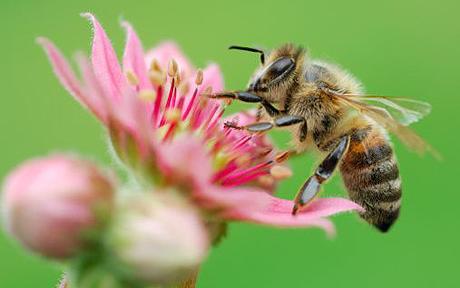
Join members of the Sitka Gardening and Horticulture group from Facebook as they host a presentation on beekeeping basics by Anchorage hive-meister, Joseph Linden, from 7-9 p.m. on Wednesday, Oct. 21, at the Sealing Cove Business Center on Alice Loop.

The presentation will be followed by a question-and-answer session featuring Bill Lehmann and Brinnen Carter, both of whom have beekeeping experience in the Lower 48. Brinnen, who works at the Sitka National Historical Park, is interested in bringing true Russian bees to Sitka (the Russians had beehives when they were in Sitka), and has a comprehensive library of beekeeping resources.

For more information, call Kari Lundgren at 738-2089.

• Check out the October 2015 edition of the Sitka Local Foods Network newsletter

Oct2015SLFNNewsletter

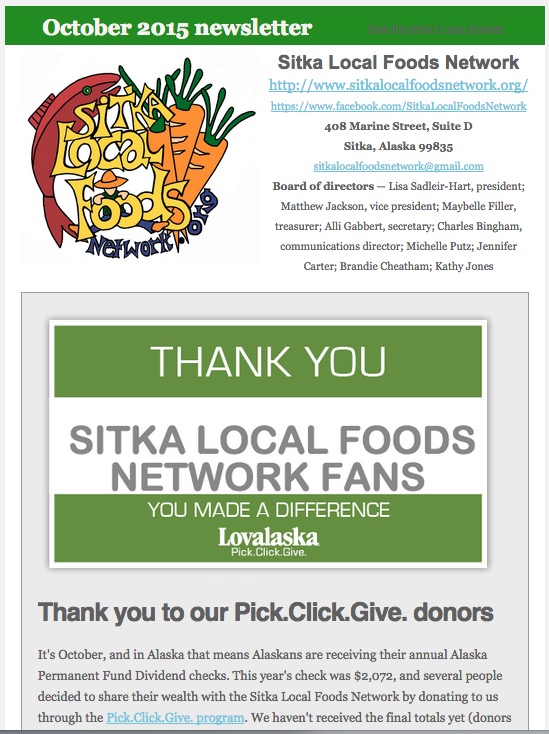
The Sitka Local Foods Network just sent out the October 2015 edition of its newly launched monthly newsletter. Feel free to click this link to get a copy.

This edition of the newsletter has brief stories thanking our Pick.Click.Give. donors, an appeal for new Sitka Local Foods Network board members, information about upcoming garden and cooking education classes, and an update about the Sitka Farmers Market ranking as the top market in Alaska in a national vote.. Each story has links to our website for more information.

You can sign up for future editions of our newsletter by clicking on the registration form image in the right column of our website and filling in the information. If you received a copy but didn’t want one, there is a link at the bottom of the newsletter so you can unsubscribe. Our intention is to get the word out about upcoming events and not to spam people. We will protect your privacy by not sharing our email list with others.

• Sitka Kitch to offer ‘Cooking From Scratch’ series of classes

dry-beans-2-e1411748636858-640x330

kitch_logo_mainEver wanted to learn how to cook more and better food for less money?
Join us for a Cooking from Scratch series of cooking classes at the Sitka Kitch community rental commercial kitchen, which is located in the First Presbyterian Church (505 Sawmill Creek Road).
The series will kick off with Beans 101 taught by Lisa Sadleir-Hart, MPH, RDN, CHES, who loves the versatility of legumes at 6:30 p.m. on Monday, Oct. 19.
“Beans are a terrific source of low cost protein plus loaded with vitamins, minerals and fiber,” Sadleir-Hart said. “Using them regularly not only helps you control your food budget but also improves your health.”
The second Sitka Kitch Cooking from Scratch class is at 6 p.m. on Monday, Nov. 2, and will focus on basic whole-grain breads (registration link) using the Tassajara bread technique. It also will be taught by Lisa Sadleir-Hart.
The third Cooking from Scratch class will focus on gluten-free holiday baking and will be taught at 6 p.m. on Monday, Nov. 16, by Bridget Kauffman, an extraordinary gluten-free baker in Sitka.
The final class in the fall series will focus on how to make yogurt using nonfat dried milk. It will be offered at 6:30 p.m. on Monday, Dec. 7, and it will be taught by Lisa Sadleir-Hart.
The Cooking from Scratch series goal is to teach basic cooking skills using high-quality ingredients, and to help Sitkans take back their kitchens and reduce their food budgets. Interested individuals can register at https://sitkakitch.eventsmart.com/ (click on the event title to register, and pay when you attend the class). We need at least six students registered for each class to guarantee they happen.
Class size is limited so register early. The cost is $20 per class, plus a food fee that will be divided among registered participants. For more information about the class series, call Lisa Sadleir-Hart at 747-5985.

• Sitka Economic Development Association to host Sitka Seafood Innovation Summit

INVITATION SSIS poster_web

The Sitka Economic Development Association (SEDA) invites anyone interested in developing the opportunities of our local and regional seafood industry to attend the Sitka Seafood Innovation Summit at 6:30 p.m. on Thursday, Oct. 1, in the Sheet’ka Kwáan Naa Kahídi.

Presenters will provide examples of some innovative products and processes now being developed and marketed. Learn how the Iceland Ocean Cluster model is working, and how Iceland, despite a 60 percent reduction in their codfish harvest, has used innovation to increase the value of each pound of fish harvested by more than 400 percent.

Want to learn more? Then come to this free event sponsored and hosted by the Sitka Economic Development Association. For more information, contact Garry White, 747-2660.

• Alaska’s potential for increasing agricultural potential immense; hard work, clear vision needed

AlaskaFoodPolicyCouncilLogo

(The following is a commentary about increasing Alaska’s access to local food by Alaska Food Policy Council co-chairs Liz Snyder and Victoria Briggs. It originally ran in the Sept. 10, 2015, edition of the Homer News.)


If you’ve visited a local farmers market recently, you’ll appreciate the bounty of delicious, healthy food that Alaska can produce when cultivated by knowledgeable, dedicated hands.

The prospects for increasing this bounty are immense. To take full advantage of our agricultural potential, we will need political will, consumer advocacy, recruitment and education of new farmers, financial support and incentives and a long-term vision. This vision, of course, will also need to take into account the changing climate in which Alaska farmers grow our food.

Imagine a glacier that retreats, then expands for several years, only to retreat again, repeating this process over and over. Such has been the history of agriculture in Alaska. We’ve experienced several booms and busts of both enthusiasm and productivity since the early 1900s.

Booms were the result of such things as co-development with gold mining, collaboration with local businesses, federal support of farming settlements and agricultural innovations. Busts came when challenges (that still exist today) got the better of farmers — the temptation to grow too big too fast, unsustainable and mismanaged support mechanisms, high costs and resulting debt; competition from the Lower 48, infrastructure designed for resource development instead of agriculture, inexperience and being far from home, a lack of replacements for retiring farmers, and, of course, climate.

Today, farmers and consumers are enjoying a boom of interest and enthusiasm around local foods. While it’s true that we send about 1.9 billion Alaska dollars out of the state each year to import food (which supplements the impressive $900 million worth of subsistence and personal-use foods), the good news is that direct sales between farmers and consumers are strong (13 times greater than the national average), Alaska farmers are notoriously tenacious and innovative, and demand continues to motivate increases in supply.

What we have now is a fantastic opportunity to throw a wrench into the boom/bust cycle, expand on the status quo and ultimately pump about $2 billion into, instead of out of, the Alaska economy each year — in effect, supporting the local farmers we know and love, strengthening our food system, lowering food costs, and increasing food security and resilience.

Of course, strengthening our food system will require both short-term goals and long-term planning. When it comes to climate change and agriculture, we’ve got three courses of action to consider:

  1. reduce our impact;
  2. respond to current changes; and
  3. prepare for future changes.

In the Lower 48, agriculture is a major contributor to climate change with high fossil fuel use (to manufacture pesticides and fertilizers, and to operate machinery) and greenhouse gas emissions from concentrated animal feeding operations (CAFOs).

In Alaska, however, the relative scales of agriculture and pest pressure are small. Our primary agriculturally related contribution to climate change is through the importation of approximately 95 percent of our food, which requires the burning of fossil fuels to power transport. Just think of the impact we could have if we expanded Alaska agriculture in thoughtful, sustainable ways to simultaneously produce more food and reduce total greenhouse gas emissions.

With respect to responding to current changes in Alaska’s climate and preparing for the future, we have a host of actions that are either already being taken or need to be taken. These actions should use the best natural, economic and social science information available.

Such preparations include the conservation of arable land; crop diversification and expansion into new growing zones; anticipation of changes in water distribution and quality; measures to address changes in pest, disease and invasive species pressures; education and support of new farmers focused on sustainable agricultural development, and construction of weather-resistant food caches and transportation routes.

Of course, in reality there is an even longer list of recommendations that can be made to strengthen Alaska’s food system, but all of these recommendations will need to be made in light of the climate changes we’re experiencing now and those that lie ahead. The Alaska Food Policy Council is dedicated to helping develop, share and advocate for policies that will result in an Alaska food system that is sustainable, resilient and healthy — and we ask our local, state, and federal leaders to tune in to the issues of food security and climate change and make them a priority. The health of our great state depends on it.

Liz Snyder and Victoria Briggs are co-chairs of the Alaska Food Policy Council, or AFPC. To learn more about food security in Alaska, find the following research resources on the AFPC webpage (akfoodpolicycouncil.wordpress.com):

Building Food Security in Alaska (a report commissioned by AFPC).

• A three-part series of articles (Part I, Part II, Part III) on circumpolar agriculture by Stevenson et al. (2014) and

• An article entitled “Food in the Last Frontier” by Snyder and Meter (2015).