Check out the October 2016 edition of the Sitka Local Foods Network newsletter


snapshotoctoberslfnnewsletter

The Sitka Local Foods Network just sent out the October 2016 edition of its monthly newsletter. Feel free to click this link to get a copy.

This edition of the newsletter has brief stories about the Sitka Farmers Market earning Best In Class honors from the American Farmland Trust Farmers Market Celebration voting, the Sitka Kitch hosting a Cooking From Scratch class series for Fall 2016, the October meeting of the informal Sitka Garden Club. Each story has links to our website for more information.

You can sign up for future editions of our newsletter by clicking on the registration form image in the right column of our website and filling in the information. If you received a copy but didn’t want one, there is a link at the bottom of the newsletter so you can unsubscribe. Our intention is to get the word out about upcoming events and not to spam people. We will protect your privacy by not sharing our email list with others.

Final classes set for 2016 Sitka Local Foods Network garden mentor program

img_1732

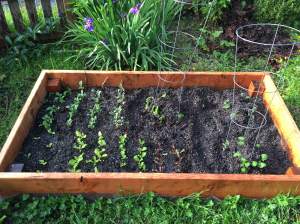
img_1993The final batch of classes (Class Six) for the 2016 Sitka Local Foods Network garden mentor program are being set for our two participating first-year families and our three returning second-year families. The classes will be similar at each location, and they are open to the public.

There were six classes in the series, with Class Six being about preparing the garden for the winter. Class One focused on site selection, garden preparation, building planter beds, simple vegetables and soil preparation, while Class Two was about simple vegetables and planting. Class Three was about garden maintenance, with Class Four about early harvest and Class Five about the final harvest.

Our first-year gardener families (Erin Mathes and Fran Baratki), learn how to grow four hardy crops for Sitka — kale, lettuce, potatoes and rhubarb. Our three returning families (A.J. Bastian, Rebecca Kubacki and Breezy) will be planting carrots, chard, green onions and peas this year. These four crops are slightly more difficult crops to grow that our first-year plantings of kale, lettuce, potatoes and rhubarb. Even though the crops for our second-year students are more difficult to grow, many gardeners in Sitka still have good results with these vegetables. These classes are essentially the same, so feel free to attend the class that best fits your schedule.

The class schedule and location for the one first-year and three second-year families is (some classes still need to be scheduled and will be announced later):

  • ERIN MATTHES (first-year family), 716 Etolin Street — CLASS 6: 9 a.m. on Sunday, Sept. 25.
  • FRAN BARATKI (first-year family), 180 Price Street, No. 6 (purple trailer) — CLASS 6: TBA.
  • A.J. BASTIAN (second-year family), 207 Brady St. — CLASS 6: 6 p.m. on Wednesday, Sept. 28.
  • REBECCA KUBACKI (second-year family), 1202 Halibut Point Rd. — CLASS 6: 4:30 p.m. on Monday, Oct. 3.
  • BREEZY (second-year family), 616 Sawmill Creek Rd. — CLASS 6: TBA.

img_1911This is the third year of the garden mentor program, which provides one-to-one mentoring to families who are trying to garden for the first time. In order to reach more people, our participating families allow the classes to be made public. By teaching families the basics of gardening, we are helping them improve their family nutrition, extend their family food budget, and increase food security in Sitka.

Michelle Putz has been contracted to coordinate the program and design lesson plans. We also have about a half-dozen experienced Sitka gardeners who serve as mentors for the program. For more information, please contact Michelle at 747-2708.

Check out the September 2016 edition of the Sitka Local Foods Network newsletter

September2016NewsletterScreenshot

The Sitka Local Foods Network just sent out the September 2016 edition of its monthly newsletter. Feel free to click this link to get a copy.

This edition of the newsletter has brief stories about the Running of the Boots costumed fun run fundraiser, the last two Sitka Farmers Markets of the summer, an informal Sitka Garden Club meeting, and the University of Alaska Fairbanks Cooperative Extension Service’s decision not to close its Sitka office. Each story has links to our website for more information.

You can sign up for future editions of our newsletter by clicking on the registration form image in the right column of our website and filling in the information. If you received a copy but didn’t want one, there is a link at the bottom of the newsletter so you can unsubscribe. Our intention is to get the word out about upcoming events and not to spam people. We will protect your privacy by not sharing our email list with others.


Sitka Spruce Tips-Alaska Way of Life 4-H club to host Wild Edibles Series this fall

WildEdiblesAdvertisement22

The Sitka Spruce Tips-Alaska Way of Life 4-H Club will begin a six-week Wild Edible Series  starting on Wednesday, Sept. 7.

Kids will get outside and explore the bounty of wild edibles in Southeast Alaska. Activities include picking berries, identifying mushrooms, hiking through the muskeg, smoking salmon, and making jam and fruit leather. Get ready to taste the Tongass.

4-H members ages 5-8 will meet from 3:30-5 p.m. on Wednesdays and ages 9 and older will meet from 3:30-5 p.m. on Thursdays (the location will be revealed once you have registered). The registration fee is $20 and scholarships are available. Please register by Sept. 2.

For more information, email Julia Tawney at julia@sitkawild.org or call the Sitka Conservation Society at 747-7509.

Patagonia headquarters chef Tracy On in Sitka to develop new Fish to Schools program recipes

TracyOnWithSalmonFriedRiceSalmonMacAndCheese

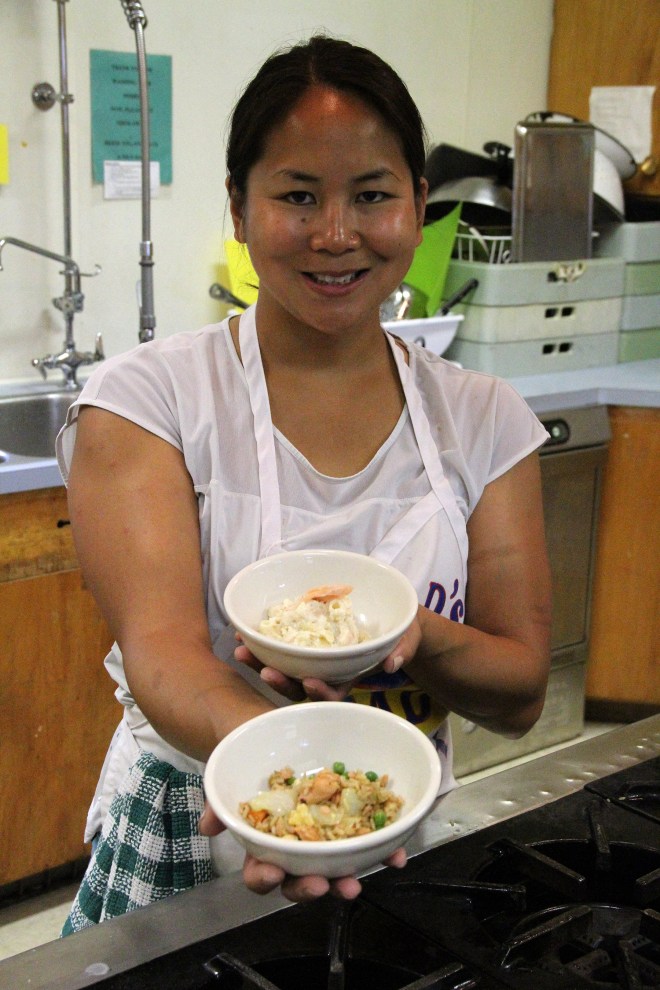
Tracy On shows off a serving of chum salmon fried rice (front) and pink salmon macaroni and cheese that she tested Friday (Aug. 26) at the Sitka Kitch community rental commercial kitchen. Tracy is in town for a two-week internship with the Sitka Conservation Society to develop new recipes for the Fish to Schools program.

TracyOnPreparesToSliceChumSalmonIn her regular job, Tracy On is the chef at Patagonia headquarters in Ventura, Calif., serving about 500 breakfasts and lunches a day to Patagonia employees. For her summer vacation, Tracy is in Sitka developing new recipes for the Fish to Schools program as part of a two-week internship with the Sitka Conservation Society.

“I’m working on recipes for Fish to Schools, so we can incorporate a little more local salmon in the school lunches,” Tracy said. “I also had personal reasons for coming here. I wanted to learn more about the fishing industry and how to connect the kids to their local food sources. I’m also a little selfish. I’ve always wanted to come to Alaska and this is my first trip.”

During her first week in Sitka, Tracy spent several days at the Sitka Kitch community rental commercial kitchen testing new recipes. She also did a morning interview with KCAW-Raven Radio on Wednesday to help spread the word about her visit. On Friday, Tracy prepared a chum salmon fried rice dish and a pink salmon macaroni and cheese dish, then took a tour of the newly renovated Sitka Salmon Shares plant. She also has been working on a salmon corn dog and other recipes.

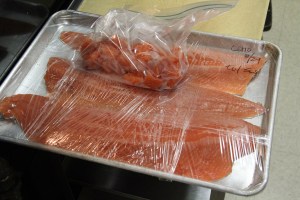
Tracy is trying to create recipes the kids will enjoy, what she called “comfort classics kids love,” while also keeping costs down because most school districts don’t receive more than $2 or $3 per student meal for their school lunch programs. That’s one reason she has been working with pink and chum salmon while in Sitka, because the costs are lower. She also is testing recipes that can be cooked from scratch, as well as ones that just require reheating, since school districts use different methods to prepare their meals. The Sitka Conservation Society will host an invitation-only tasting this week where SCS members and guests can try out a few of the new meals.

TrayOfChumSalmon“The main reason to host Tracy is to bring the Fish to Schools program to the next step,” said Sophie Nethercut, who coordinates the program for the Sitka Conservation Society. “We’ve been running this program on donations, and with the funding climate the way it is, we wanted to create a line of minimally processed recipes using pink and chum salmon that can be marketed to schools, nursing homes and hospitals.”

Tracy isn’t the first intern the Sitka Conservation Society has hosted from Patagonia, which has been sending employees to Sitka for the past three years to work on a variety of projects. Other Patagonia interns held workshops on repairing outdoor gear or helped with computer systems while in Sitka.

Tracy will be in town one more week, which will include a couple of sessions working on new recipes at the Sitka Kitch and the tasting event. She also hopes to get out on a commercial fishing boat and possibly visit other seafood processors in town.

Also, local commercial fishermen can still donate coho salmon to the Fish to Schools program, as the annual donation drive has been extended until Aug. 30.


UAF Cooperative Extension Service to host forest and tree pest detector workshops in Sitka, Juneau

2016 First Detector Training_Southeast

Invasive pests threaten our natural areas and our community trees. The University of Alaska Fairbanks Cooperative Extension Service is launching a program to train First Detectors to be the first line of defense against invasive pests in their communities. Help prevent new pests from joining the green alder sawfly and spruce aphid as established pests in Southeast Alaska.

Learn about:

  • What makes forests healthy
  • What makes a species invasive
  • What to look for and important resources
  • Invasive forest insects of concern in Alaska
  • How to report and submit potential invasive species findings

The Sitka training is from 6-8 p.m. on Tuesday, Aug. 23, at the Sitka Public Library. The Juneau training is from 6-8 p.m. on Wednesday, Aug. 24, at the Mendenhall Valley Branch Library. Both training sessions are free.

For more information, contact Jessie Moan at 907-786-6309 or mjmoan@alaska.edu.

New harmful algal bloom warnings issued for shellfish harvested in Starrigavan Beach, other SE beaches

SEATORPSPWarningAug17

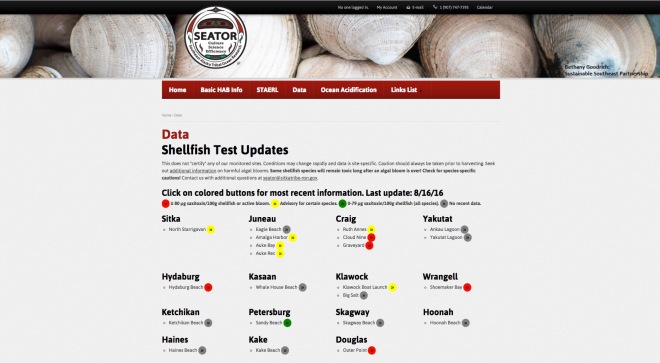
The SouthEast Alaska Tribal Ocean Research (SEATOR) project, SouthEast Alaska Tribal Toxins (SEATT) partnership and the Sitka Tribe of Alaska Environmental Research Lab (STAERL) on Wednesday, Aug. 17, issued a warning that people should not eat shellfish harvested at Starrigavan Beach in Sitka and Hydaburg Beach in Hydaburg.

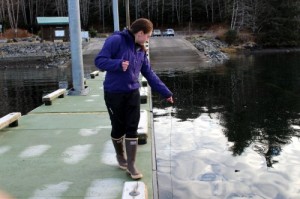
Esther Kennedy of the Sitka Tribe of Alaska Resource Protection Department samples water near the Starrigavan Recreation Area dock for marine biotoxins such as paralytic shellfish poisoning. (Photos by Emily Kwong, KCAW-Raven Radio)

Esther Kennedy of the Sitka Tribe of Alaska Resource Protection Department samples water near the Starrigavan Recreation Area dock for marine biotoxins such as paralytic shellfish poisoning in 2015. (Photo by Emily Kwong, KCAW-Raven Radio)

Samples harvested Aug. 17 at those beaches showed the presence of Alexandrium, a phytoplankton that produces saxitoxins that can cause paralytic shellfish poisoning (PSP). Mulluscan shellfish (bivalve shellfish such as clams, mussels, oysters, cockles, scallops, etc.) from these sites should not be harvested at this time.

In addition, mulluscan shellfish from Hydaburg Beach on Aug. 17 tested near or above the regulatory limit of 80μg/100g for saxitoxins and all species of mulluscan shellfish should not be harvested at this time. On Aug. 18, butter clams from Shoemaker Beach in Wrangell tested near or above the regulatory limit of 80μg/100g for saxitoxins and should not be harvested at this time.

The PSP advisory is for bivalve shellfish that have been recreationally or subsistence harvested. It does not apply to commercially harvested shellfish, which are tested before they enter the market. The advisory does not apply to other shellfish, such as crabs or shrimp, which do not carry PSP (unless you eat the crab butter or viscera).

There have been several harmful algal bloom alerts released by SEATOR this summer, but it’s the first one in about a month or so for Sitka. In addition to the saxitoxins that cause PSP, the lab in Sitka has been monitoring for other blooms that cause amnesic shellfish poisoning (ASP). PSP and ASP can cause severe health problems, including death in some cases.

According to SEATOR, “This does not ‘certify’ any of our monitored sites. Conditions may change rapidly and data is site-specific. Caution should always be taken prior to harvesting.”

The butter clam has one set of rings that go one direction only, around the same center point (Photo courtesy of Alaska Department of Environmental Conservation)

The butter clam has one set of rings that go one direction only, around the same center point (Photo courtesy of Alaska Department of Environmental Conservation)

SEATOR posts updates and information to its website at seator.org/data, which can help provide Southeast Alaska residents with reliable information so they can choose whether or not to harvest shellfish. In addition to testing water samples weekly from certain Southeast beaches, STAERL also tests samples of butter clams, littleneck clams, and blue mussels (which is STAERL’s indicator species, because of how quickly blue mussels absorb saxotoxins).

Since most beaches in Alaska aren’t tested for harmful algal blooms, SEATOR and the SEATT partnership were formed in October 2014 to train people to test beaches in Southeast Alaska. In April 2015, the Sitka Tribe of Alaska opened a regional lab on Katlian Street, so samples could be tested in Sitka without having to be sent to the Lower 48, which delayed results. By testing for harmful algal blooms, SEATOR and the SEATT partnership hope to be able to provide information so people can make informed choices whether or not to harvest or eat shellfish.

Harmful algal blooms, such as paralytic shellfish poisoning (PSP), typically have not been monitored in Southeast Alaska for subsistence and recreational harvesters of clams, mussels, oysters, cockles, and other bivalves (commercial harvests are tested). Even though many people in Southeast Alaska love to harvest shellfish, eating it comes with some risks. There have been several PSP outbreaks in recent years that sent people to the hospital, and in 2010 two deaths were attributed to PSP and other HABs, such as Alexandrium, Pseudo-nitzchia and Dinophysis.

To learn more about harmful algal blooms and how they can raise the risk for PSP and ASP (amnesic shellfish poisoning, which also can be fatal), go to SEATOR’s resources page. If you have shellfish you recently harvested and want to test it, click this link to learn what you need to do to have it tested by STAERL. Please contact STAERL at 747-7395 with any additional questions.

Fish to Schools program seeks donations of coho salmon from commercial fishermen

Spencer2

The Fish to Schools program needs help from Sitka’s commercial fishermen. The program needs a few hundred pounds of coho salmon to help make Fish to Schools meals for Sitka students during the upcoming 2016-17 school year. The program also is seeking photos of commercial fishermen at work, which can be used to teach the students more about how the fish got to their plates.

The coho salmon donation period is Wednesday. Aug. 17, through Tuesday, Aug. 23. To donate, commercial fishermen can sign up and indicate how many pounds they want to donate when they offload at Seafood Producers Cooperative or Sitka Sound Seafoods during the donation period. The program can only accept commercially caught fish (no sport or subsistence fish). The hope is to get enough coho donated that locally caught salmon can be offered to students at least once a week. Sign-up sheets will be posted at the scale shacks and in the main offices. Coho salmon is preferred.

Excited red haired kidThe Sitka Fish To Schools project (click here to see short video) got its start as a community wellness project at the 2010 Sitka Health Summit, and now is managed by the Sitka Conservation Society. It started by providing a monthly fish dish as part of the school lunch as Blatchley Middle School, and since then has grown to feature regular fish dishes as part of the lunch programs at Baranof Elementary School, Keet Gooshi Heen Elementary SchoolBlatchley Middle School, Sitka High SchoolPacific High School (where the alternative high school students cook the meals themselves), the SEER School, and Mount Edgecumbe High School.

In addition to serving locally caught fish meals as part of the school lunch program, the Fish To Schools program also brings local fishermen, fisheries biologists and chefs to the classroom to teach the kids about the importance of locally caught fish in Sitka. The program received an innovation award from the Alaska Farm To Schools program during a community celebration dinner in May 2012, and now serves as a model for other school districts from coastal fishing communities. In May 2014, the Fish to Schools program released a guidebook so other school districts in Alaska could create similar programs.

For more information, contact Sophie Nethercut of the Sitka Conservation Society at sophie@sitkawild.org or 747-7509.

Sitka Salmon Shares brings Southeast Alaska fish to Midwest markets

MarshSkeeleHoldsSalmonAsGuyFilletsBehind

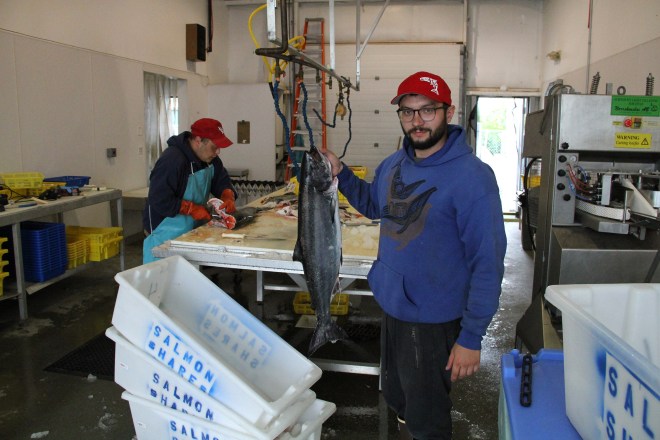
Sitka Salmon Shares vice president-fisherman Marsh Skeele holds up a chinook salmon during a recent tour of the company’s new plant on Smith Street in Sitka.

NicolaasMinkWithBookOnSalmon

Sitka Salmon Shares founder-president Nicolaas Mink holds a copy of his book “Salmon: A Global History” during a 2014 visit to Sitka.

What started out as a one-off fundraiser for a Sitka nonprofit has grown into a thriving business with sales approaching $4 million, with 2,500 members and 100 wholesale accounts spread out over six states.

Sitka Salmon Shares is a community-supported fishery (CSF) program, where members buy shares in the harvest similar to the process of a community-supported agriculture (CSA) program. But instead of the members being local to Sitka, where most of the fish is caught, the members of Sitka Salmon Shares live in Indiana, Illinois, Wisconsin, Michigan, Minnesota and Iowa.

“Each member gets a five-pound box of fish delivered to their door nine months of the year,” said Marsh Skeele, who serves as Sitka Salmon Shares vice president/co-founder and one of its 13 fishermen-owners. “A lot of them are former Alaskans or from Seattle, so they know good fish. The fish in the grocery stores there tends to have poor quality.”
SitkaSalmonSharesSignThe company distributes four types of salmon (chinook, coho, sockeye and chum), rockfish, ling cod, halibut, spot prawns, Pacific cod and blackcod, with most of the fish caught out of Sitka or Juneau. Sitka Salmon Shares also sells fish at 23 different farmers markets around the Midwest. Last year, Sitka Salmon Shares bought the former Big Blue Fisheries plant in Sitka, and is renovating it so the company can keep up with the special processing and freezing needs of its growing customer base while also developing new value-added products such as smoked salmon to add to the mix.

Sitka Salmon Shares got its start in 2011, when founder-president Nicolaas “Nic” Mink was in Sitka with a couple of his Knox College students working on a sustainable fishing and food-sourcing project with the Sitka Conservation Society. Mink, who still teaches environmental science part-time at Knox (he had a brief stint at Butler University a couple of years ago), decided to take some fish back with him to Galesburg, Ill., which he personally delivered to customers. Then those customers asked for more fish, and Sitka Salmon Shares was born.

TraysOfSalmonPortions“I think that first load of 750 pounds of fish raised about $10,000,” Mink said. “This year, our sixth, we sold more than 100,000 pounds of fish, just under $4 million.”

Some people laughed at his business plan when Mink decided to sell fish more than 2,000 miles away from its source, with a headquarters in a landlocked Midwest town away from most fish markets. But Mink and his partners found out that even people in the Midwest want high-quality fish from sustainable sources, fish that’s well-treated along the journey so it’s still in good shape when it reaches its customers.

“They want to be fish-eaters, but they don’t know how,” Mink said. “Sitka Salmon Shares gives them steps to know how, and it gave us a lot of opportunities to sell fish. Midwesterners are used to eating farmed salmon, but they heard about wild salmon. They want to eat wild, because it’s more resilient and sustainable than farmed.”

GuysFilletingFishEducation is a big part of the Sitka Salmon Shares story. In addition to providing the monthly boxes of fish, there is a newsletter with information about the fishermen-owners, where and how the fish is caught, and a variety of recipes geared toward wild fish and not farmed. The recipes come from four sources — Sitka Salmon Shares members, our chefs, the Alaska Seafood Marketing Institute (ASMI) Cook It Frozen site and from online sources.

“If you take a piece of coho (aka, silver salmon) and cook it as long as a piece of farmed salmon, the flesh becomes mealy and doesn’t taste good,” Mink said. “There’s a lot of education. With farmed salmon, the flesh is soft and thicker than wild salmon, so people need to cook it twice as long as wild salmon. We know wild salmon doesn’t need a lot of time on the grill, and that’s been one of the biggest hurdles.”

“We provide a lot of information,” Skeele said. “They definitely want to know more when you provide them with quality fish. We teach them about pressure bleeding, flash freezing, accountability and traceability. They want to know as much information as we can tell them about the fish that comes through our plant.”
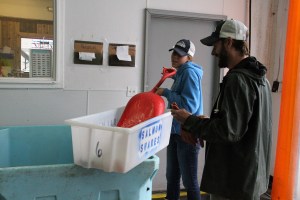
AriannaShovelsIceIntoToteWithJasonCroftThe owner-fishermen are longliners and trollers, for the most part, with some who gillnet sockeye and use pots to catch the spot prawns. Skeele said all of the fishermen are owners in the company, “so they have some skin in the game.” By having skin in the game, the fishermen are more likely to treat the fish better once it comes onto the boat, so it maintains its high quality.

Right now, Sitka Salmon Shares doesn’t sell a lot of its fish in Sitka, although it does sell fish to a couple of local restaurants such as the Westmark HotelTotem Square Inn and Sitka Hotel. Sitka Salmon Shares doesn’t want to compete locally with the Alaskans Own Seafood CSF program that sells to members in Alaska. But now that Sitka Salmon Shares has its own plant, it does offer local processing of fish to charter fishing operations, personal-use and sport fishermen from Sitka, and to commercial fishermen who sell their own fish to various markets around the country.

“We’d like to sell more locally, and it would be great to have our fish in Sea Mart,” Mink said. “We’re excited about our community processing program, and we’re trying to do more processing for Sitka fishermen.”
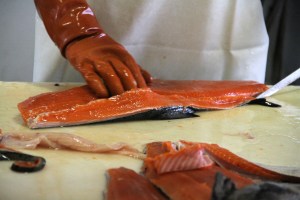
CloseUpOfSalmonFilletingIn recent years, Sitka Salmon Shares has received national exposure with articles in Food & Wine, New Food Economy, Entrepreneur and Forbes, plus a variety of regional publications and Sitka exposure with a story on KCAW-Raven Radio. Mink said there is still more Sitka Salmon Shares can do in the Midwest and Alaska.

“With our plant, we have our own ice and our own value-added room,” Mink said. “We have a talented individual, Pat Glabb, rebuilding Big Blue. He built Silver Bay Seafoods plant. Right now we’re focused on the Midwest, and we have a ways to go to develop our markets there. But we have assets on the ground and systems in place and tons of room to grow. We think there are a lot of cool things to do with value-added. For example, we have Chris Eley, a chef-butcher from the Smoking Goose Meatery in Indianapolis, developing some salmon sausages for us.”

Fishermen wanting to learn more about the Sitka Salmon Shares community processing program can call Jason Croft at 966-9999, or stop by the plant on Smith Street (across from Baranof Island Brewing Company). You also can visit the Sitka Salmon Shares website at http://www.sitkasalmonshares.com/.

This slideshow requires JavaScript.

Help celebrate National Farmers Market Week by attending the Sitka Farmers Market on Aug. 13

SLFNNationalFarmersMarketWeekPoster

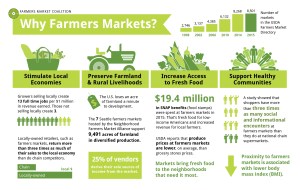
WhyMarkets_2016The 17th annual National Farmers Market Week is Aug. 7-13 this year, so stop by the Sitka Farmers Market to join the celebration, from 10 a.m. to 1 p.m. on Saturday, Aug. 13, at the Alaska Native Brotherhood Founders Hall.

The annual National Farmers Market Week celebration is the first full week of August, when growing season is peaking around the country. This year’s theme is “Farmers Markets and Community Education,” which highlights how farmers markets help communities reconnect to and learn about their food sources (from farms and farmers to local food relief programs). Click here to read this year’s National Farmers Market Week proclamation from U.S. Secretary of Agriculture Thomas Vilsack.

SitkaFarmersMarketSignThe number of farmers markets in the country has tripled since 1998, growing from 2,746 markets in 1998 to more than 8,500 in 2015. There has been similar growth in Alaska, and now markets can be found in many Bush communities from Bethel to Thorne Bay. This growth has improved Alaska’s food security while also serving as an incubator for new businesses.

According to the Farmers Market Coalition, farmers markets …

  • Preserve America’s rural livelihoods and farmland. Farmers markets provide one of the only low-barrier entry points for beginning farmers, allowing them to start small, test the market, and grow their businesses.
  • Stimulate local economies. Growers selling locally create 13 full-time farm operator jobs per $1 million in revenue earned. Those growers that do not sell locally create three jobs.
  • Increase access to fresh, nutritious food. Several  studies have found lower prices for conventional and organic produce at farmers markets than at supermarkets. Due to this and other factors, 52 percent more SNAP households shop at farmers markets and from direct marketing farmers today than in 2011. The Sitka Farmers Market was the first market in Southeast Alaska to accept SNAP and WIC benefits.
  • Support healthy communities. Farmers market vendors educate their shoppers. Four out of five farmers selling at markets discuss farming practices with their customers, and three in five discuss nutrition and how to prepare food.
  • Promote sustainability. Three out of every four farmers selling at farmers markets say they use practices consistent with organic standards.