As a participant in this Challenge, you will join others in reshaping and fostering resilience within our local and regional food systems while increasing community wellness for both the short and long-term. We ask you to deepen your involvement in the local food system by cultivating and elevating your personal knowledge, skills, and connection to the local food system within your community.
Here’s how it works:
When you sign up, you’ll take a survey to assess your involvement in 10 distinct categories of the local food system.
Your challenge from May to September is to deepen your connection to the local food system by increasing your level of engagement for each category.
The more levels you go, the more resilient our food system will be in September and beyond.
At the end of the challenge, we will tally the progress of all of the challengers to discover how much we collectively shifted our food system’s resilience.
Participants will receive a certificate of completion and a digital guide with tips for how to stay involved in the local food system all year long.
To help you on this local food journey, we will connect you to resources related to all 10 categories, and we will share stories to inspire and celebrate our successes.
The Local Foods Challenge is about building a community of Southeast Alaskans who care about local foods. We will share knowledge, resources, place-based advice, and best practices across our unique region.
Together we will forge a resilient, prosperous, and healthy Southeast Alaska. Click this link to sign up for the Challenge.
Alaskans can support local agriculture by celebrating Alaska Agriculture Day on Friday, May 15, by seeking out and purchasing products produced in Alaska, and by educating young people about the vital role agriculture plays in our economy.
Governor Mike Dunleavy issued a proclamation commemorating the day in recognition of the importance of agriculture to the daily life of all residents, and in appreciation for all farmers and producers in the state of Alaska.
Due to COVID-19 restrictions, however, the Division of Agriculture will not be able to mark the event with a public gathering as in previous years. Instead, the Division invites Alaskans to visit the http://www.buyalaskagrown.com/webpage for information on where to find farmers markets, stores and retailers that support the “Alaska Grown” program and where they can buy directly from farmers, growers and producers around the state.
Alaskans are also invited to visit the Alaska Grown Facebook page at https://www.facebook.com/dnr.alaskagrown/ where they may read the division’s Alaska Agricultural Day post thanking Alaska farmers for always being there, and for working hard to feed and supply Alaskans, even during difficult times.
Members of the public are encouraged to like the post, to leave a comment supporting Alaska farmers, and to share the post with the hashtags #stillfarming and #thankafarmer for a chance to win an Alaska Grown gift basket.
In Sitka, you can celebrate Alaska Agriculture Day by starting a food garden (even a couple of containers on your deck can provide you with potatoes, carrots or greens). Teachers are encouraged to offer a lesson plan or two about the importance of agriculture in Alaska and in Sitka. Here’s a link to an article about how Sitka was Alaska’s original garden city back in the late 19th and early 20th Centuries. Also, the Sitka History Minute feature on KCAW-Raven Radio has had several episodes about agriculture in Sitka (click here to listen to a feature about the potato in Sitka, click here to listen to a feature about the Sitka Agricultural Station, and click here to listen to a feature about the cows of Iris Meadows).
There are a few smaller commercial farms in Sitka, including St. Peter’s Fellowship Farm (where the Sitka Local Foods Network grows produce to sell at the Sitka Farmers Market), Middle Island Gardens, Down-to Earth Gardens, and Anam Cara Family Garden. Due to the coronavirus outbreak, we will host a greatly scaled back Sitka Farmers Market this summer, with people using the Salt and Soil Marketplace website to order produce from St. Peter’s Fellowship Farm and Middle Island Gardens during the week (Tuesday through Thursday), then pick up the produce on Saturdays. Details are still being finalized, but more info can be found at this link.
The Sitka Local Foods Network just sent out the May 2020 edition of its monthly newsletter. Feel free to click this link to get a copy.
This month’s newsletter includes short articles about an update on the Sitka Farmers Market and our contingency plans for the COVID-19 coronavirus outbreak, a #GivingTuesdayNow fundraiser on May 5, a fundraiser to help us build a new high tunnel at St. Peter’s Fellowship Farm, an invitation to join our board of directors, and an opportunity to sponsor us for 2020. Each story has links to our website for more information.
You can sign up for future editions of our newsletter by clicking on the newsletter image in the right column of our website and filling in the information. If you received a copy but didn’t want one, there is a link at the bottom of the newsletter so you can unsubscribe. Our intention is to get the word out about upcoming events and not to spam people. We will protect your privacy by not sharing our email list with others. Don’t forget to like us on Facebook, like our Sitka Farmers Market page on Facebook and follow us on Twitter (@SitkaLocalFoods).
This class includes an intro to Alaska Department of Environmental Conservation‘s cottage foods (aka, home-based foods) regulations and information about the “non-potentially hazardous” food preservation methods that are allowed: dehydration, boiling water-bath canning, and pickling. In addition, Sarah will emphasize the best food safety and sanitation methods to use in a cottage foods business, and how a cottage foods business can continue sales during this time of social distancing.
Upcoming online classes include:
April 25, 2 – 3:30 p.m. Starting a Cottage Foods Business in Alaska – taught by Sarah Lewis on Zoom https://bit.ly/cfbinalaska
Online registration is required for each class, and registration for the cottage foods business class can be accomplished by going to this link. For more information, contact the UAF Cooperative Extension Service in Juneau at (907) 523-3280 x1 or sarah.lewis@alaska.edu.
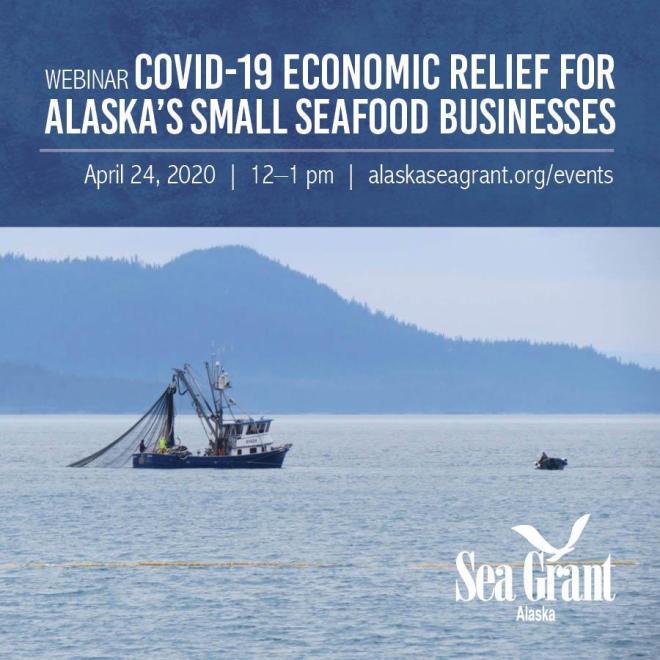
The CARES Act was created to provide economic relief to those affected by the coronavirus pandemic. In this webinar, we will cover provisions for small businesses through the Small Business Administration (SBA) and local unemployment offices, CARES Act tax provisions, and economic relief through the State of Alaska. The presentation will be followed by a Q&A.
Alaska Sea Grant is a trusted source of information and assistance for Alaska fishermen and seafood businesses, through the FishBiz Project. Join us for a presentation and discussion on Zoom with our experts from around the state. Free online registration is required at this link.
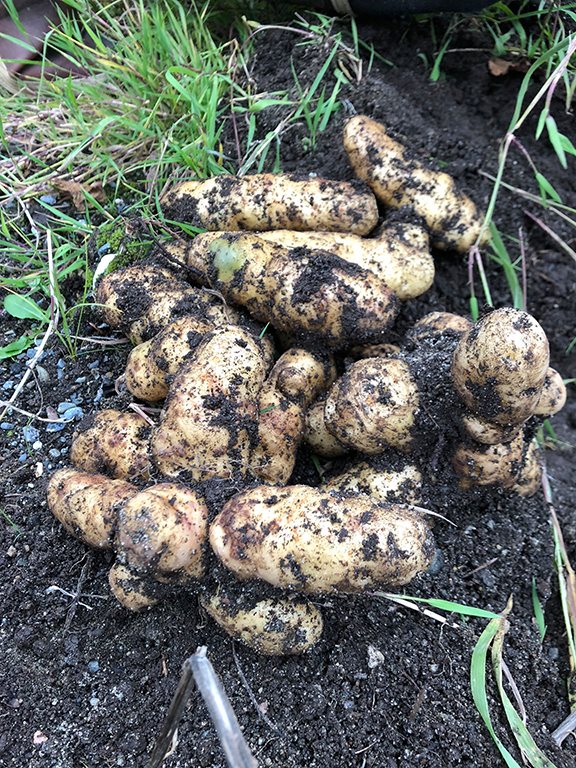
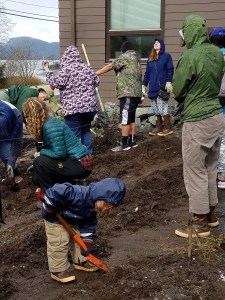
SITKA, Alaska – The USDA Forest-Service Sitka Ranger District and Sitka Tribe of Alaska will join forces for the fourth consecutive year to educate people about Tlingít potatoes (also called Maria’s potatoes) and plant a crop of potatoes. The community is invited to participate in a web-based educational program on April 22, 2020. USDA Forest Service staff, the tribe, and tribal citizens will share how to grow Tlingít potatoes, and share the biology, history, and cultural aspects of these interesting root vegetables.
Separate from the education event, Tongass National Forest employees will, this year, plant the potatoes themselves. Since 2017, the Sitka Ranger District has provided a sunny plot of land to serve as the shared potato garden and provided the seed potatoes to plant the garden. In previous years, the Sitka Tribe’s Traditional Foods Program, the gardening class from Pacific High School, and Sitka community volunteers have assisted on the project.
“Because of the limited window for planting and the need to keep people safe and healthy, we decided that a virtual event, followed by one or two employees planting the bed, was our best plan of action for 2020,” Sitka District Ranger Perry Edwards said. “By teaching people through a web-based event, even more people can learn how to grow and sustain an easily grown, very productive traditional food.”
The virtual educational event is happening from 1:30-2:30 p.m. on Wednesday, April 22, which is Earth Day. Attendees should use a computer or tablet, and are encouraged to sign in a few minutes early using their full name. Organizers will use a Teams meeting at https://tinyurl.com/tlingitpotatoes for both video and audio. Organizers suggest using the button: “join in on the web instead” once they have connected to the Teams meeting. For more information, contact Michelle Putz at 907- 747-2708 or email michelle.putz@usda.gov.
Tlingít potatoes have been present in Tlingit gardens for more than 200 years. The potatoes originate from Mexico or Chile, and were a trade item in Southeast Alaska in the early 1800s.
For 29 years, Mollie Kabler and Kitty LaBounty have taken to the KCAW-Raven Radio airwaves during the spring months to broadcast The Garden Show.
This year, with the coronavirus affecting shows, the Garden Show will have a regular 9:30-10 a.m. slot on Fridays, starting on Friday, April 10. Kitty has a regular music show (Hometown Brew) from 2-4 p.m. on Thursdays, and sometimes in the past the half-hour Garden Shows took place during her program.
Garden Show topics include timely tasks for gardening in Southeast Alaska, taking on-air questions, and themes around basic and more advanced gardening of vegetables, flowers, fruit, trees, etc. The station’s website has links to previous shows.
This virtual conference brings together gardeners for two presentations by area garden experts on each of eight nights from 6-8 p.m. on Wednesdays and Fridays from April 15 through May 8. For a schedule, click the link below or go to https://www.seak-mastergardeners.org/index.html. The conference is free, but registration is required by going to this link and filling out the form.
Presentation topics include:
Wednesday, April 15, 6-6:45 p.m. — Patterns on the Land: Sustainable Landscape Design for Southeast Alaska, David Lendrum and Margaret Tharp, owners of Landscape Alaska
Wednesday, April 15, 7-7:45 p.m. — Growing Fruit Trees in High Tunnels, Rob Bishop of Alaska Apple Trees
Friday, April 17, 6-6:45 p.m. — Raised Beds, Ed Buyarski owner of Ed’s Edible Landscapes
Friday, April 17, 7-7:45 p.m. — Unique and Flavorful Rhubarb: Preliminary Research Results, David Love
Wednesday, April 22, 6-6:45 p.m. (Earth Day) — Panel Discussion: Growing Produce for Juneau a Worthy Endeavor a Fool’s Errand, Joe Orsi owner of Orsi Organic Produce (moderator), Bob Trousil, Sharon Fleming, Joel Boss, John Kraypek, Colin Peacock, Sarah Lewis
Wednesday, April 22, 7-7:45 p.m. (Earth Day) — Panel Discussion: Growing Crops “Undercover”: High Tunnel and Greenhouse Experiences, Joe Orsi (Moderator), Ed Buyarski, David Love, Will Murray and Eli Wray
Friday, April 24, 6-6:45 p.m. — All About the Basil (and Other Fabulous Herbs), Sarah Lewis-UAF/CEST
Friday, April 24, 7-7:45 p.m. — Climate Trends Affecting Gardeners; The Science and Mystique of Weather Forecasting in Southeast Alaska, NATIONAL WEATHER SERVICE /NOAA
Wednesday, April 29, 6-6:45 p.m. — Integrated Weed Management for the Master Gardener, Geno Graziano
Wednesday, April 29, 7-7:45 p.m. — Yard and Garden Insects, Jessie Moan
Friday, May 1, 6-6:45 p.m. — Earth Worms-Garden Good Guys or Eco Invaders, Darren Snyder
Friday, May 1, 7-7:45 p.m. — Gardening for Pollinators-The Birds, The Bees and The Beetles, Deb Rudis
Wednesday, May 6, 6-6:45 p.m. — New and Exciting, Classic and Applicable, Fascinating Developments in the World of Horticulture, Dave Lendrum and Margaret Tharp, owners of Landscape Alaska
Wednesday, May 6, 7-7:45 p.m. — Exploring the World for Hardy Rhododendron, Steve Hootman
Friday, May 8, 6-6:45 p.m. — The Wow Factor; Beyond being Pretty! Growing and Using Edible Flowers, Patricia Hartman
Friday, May 8, 7-7:45 p.m. — Grow Your Own Soil, Samia Savell
Click below for a description of the presentations and presenter biographies.
(EDITOR’S NOTE: The following article first appeared on this site in April 2010. It is repeated with some updates because much of the information remains current and newsworthy.)
In the cold winter of 1994, Anchorage Daily News garden columnist and former Garden Writers Association of America President Jeff Lowenfels was returning to his hotel after a Washington, D.C., event when he was approached by a homeless person who asked for some money to buy food. Lowenfels said Washington, D.C., had signs saying, “Don’t give money to panhandlers,” so he shook his head and kept on walking. But the man’s reply, “I really am homeless and I really am hungry. You can come with me and watch me eat,” stayed with Lowenfels for the rest of his trip.
Jeff Lowenfels
The encounter continued to bother Lowenfels, even as he was flying back to Anchorage. During the flight, Lowenfels came up with an idea when he started writing his weekly garden column (the longest continuously running garden column in the country, with no missed weeks since it started on Nov. 13, 1976). He asked his readers to plant one extra row in their gardens to grow food to donate to Bean’s Café, an Anchorage soup kitchen. The idea took off.
When Anchorage hosted the Garden Writers Association of America convention in 1995, Lowenfels took the GWAA members to Bean’s Café to learn about the Plant A Row For Bean’s Café program. The Garden Writers Association of America liked the idea, and it became the national Plant A Row For The Hungry campaign (also known as Plant A Row or PAR). In 2002, the Garden Writers Association Foundation (now Garden Communicators International) was created as a national 501(c)(3) nonprofit to manage the Plant A Row For The Hungry program.
“I am not surprised by the growth of PAR,” Lowenfels wrote in a 2010 e-mail to the Sitka Local Foods Network. “It is now in all 50 states and across Canada and there are thousands of variations of the original program — from prison gardens for the hungry to botanical gardens donating their produce from public display gardens. This is because gardeners always share information and extra food, so the idea was a natural.”
It took five years for the program to reach its first million pounds of donated food, but the second million only took two years and the next eight years saw a million pounds of donated food (or more) each year. Since 1995, more than 20 million pounds of food (about 80 million meals, as of 2020) have been donated by American gardeners. Not only that, the program is getting ready to expand overseas to Australia, England and other countries with avid gardeners.
“We have supplied something in the vicinity of enough food for 50 million meals,” Lowenfels wrote in his e-mail. “Gardeners can solve this hunger problem without the government. And we don’t need a tea party to do it! Or chemicals, I might add, as author of a book on organic gardening!” Lowenfels is the author of Teaming With Microbes, written with Wayne Lewis. He released a second book, Teaming With Nutrients, as a follow-up to his first book, and in 2017 released a third book, Teaming With Fungi, as a second follow-up book.
According to the U.S. Department of Agriculture, one out of every eight U.S. households experiences hunger or the risk of hunger. Many people skip meals or eat too little, sometimes going an entire day or more without food. About 33 million Americans, including 13 million children, have substandard diets or must resort to seeking emergency food because they can’t always afford to buy the food they need. In recent years, the demand for hunger assistance has increased 70 percent, and research shows that hundreds of children and adults are turned away from food banks each year because of lack of resources.
According to the 2014 Sitka Community Food Assessment Indicators Report, about one in six people in Sitka is food insecure. In 2013, there were 1,410 Sitkans (out of a population of about 9,000) and 766 families receiving food assistance (SNAP, aka food stamps). There also were 229 individuals who received food pantry assistance from the Salvation Army and 7,243 meals served through its lunch soup kitchen in 2013, and that number has grown substantially since then.
While many people credit Lowenfels for creating the Plant A Row For The Hungry program, Lowenfels says the real heroes are the gardeners growing the extra food and donating it to local soup kitchens, senior programs, schools, homeless shelters and neighbors. You can hear him pass along the credit to all gardeners at the end of this 2009 interview with an Oklahoma television station (video also embedded below).
“One row. That’s all it takes. No rules other than the food goes to the hungry. You pick the drop-off spot or just give it to a needy friend or neighbor. Nothing slips between the lip and the cup, I say,” Lowenfels wrote in his e-mail.
With all of the jobs lost because of the COVID-19 coronavirus quarantines in 2020, this year there will be even more people who need food assistance. It will be more important than ever to help get extra produce into our local food banks and soup kitchens.
For people wanting to Plant A Row For The Hungry in Sitka, there are several places that would love to help distribute some fresh locally grown veggies or berries to those who are less fortunate, such as the Salvation Army, Sitkans Against Family Violence (SAFV), local churches, Sitka Tribe of Alaska and other organizations. The food the Sitka Local Foods Network grows at St. Peter’s Fellowship Farm communal garden goes to the Sitka Farmers Market, school lunches and other programs.
The Sitka Local Foods Network also takes donations of local produce to sell at the Sitka Farmers Markets, and all proceeds are used to help pay for SLFN projects geared toward helping more people in Sitka grow and harvest local food. For more information, contact the Sitka Local Foods Network board members at sitkalocalfoodsnetwork@gmail.com.
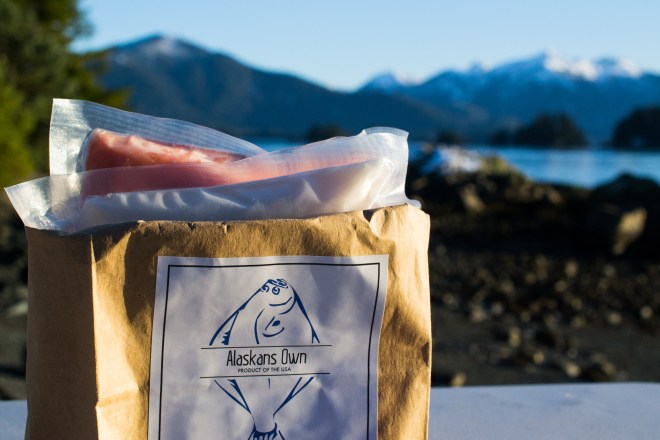
Alaskans Own was the first community-supported fishery (CSF) program in Alaska. Now in its 11th year, AO was created to connect consumers to small-boat fishermen, ensure that more fish caught in Alaska stays in Alaska, and create a sustainable source of revenue to support ALFA’s Fishery Conservation Network, which engages fishermen and scientists in conservation and research initiatives.
Similar to community-supported agriculture (CSA) programs, CSF programs address an important environmental and socio-economic need by strengthening consumer-producer relationships. By forward-funding a season of seafood, subscribers invest in sustainable harvest and the rural fishermen who catch their fish, as well as supporting the web of seafood-related jobs that provide the economic backbone for our coastal communities.
New this year, Alaskans Own is working with Seafood Producers Cooperative on the AO website for people to donate to cover a box of IQF (individually quick frozen) fillets delivered to the doors of Sitka’s families in need. Boxes are $30 and weigh approximately 10 pounds. Families will be identified through partnering Sitka wellness and aid programs. The donating person can specify a family to receive the box or allow families in need to be identified through mutual aid programs such as SAFV (Sitkans Against Family Violence) and other programs.. SAFV shelter is happy to take weekly donations.
ALFA and SPC are covering costs and will adjust as appropriate. Additional funding support for this program is welcomed.
There are four-month and six-month subscriptions available starting in May. The six-month subscriptions allow people to keep receiving fish through October instead of August, when the traditional four-month subscriptions end. Subscriptions include a mix of premium locally hook-and-line caught black cod (sablefish), halibut, king salmon, coho salmon, lingcod and rockfish, depending on the commercial fishing season and prices.
Alaskans Own has just released its 2020 prices, which are the same as the 2019 prices — choose either monthly installments or pay all at once and receive 5 percent off. Alaskans Own is currently doing a spring sale, where customers receive 10 percent off their entire order, including CSF shares, by using code Discount10 at checkout. Also, there is free shipping via Alaska Airlines Cargo for orders over 20 pounds.
CSF Prices:
Four-Month Feed-A-Few share (5 lbs/month, May-August, 20 lbs total), $375 paid in full or $99 monthly payment ($396 total for four months)
Six-Month Feed-A-Few share (5 lbs/month, May-October, 30 lbs total), $565 paid in full or $99 monthly payment ($594 total for six months)
In addition to the Feed-A-Few option, there also are larger Feed-A-Family and Feed-A-Neighborhood options for folks who need more fish than what’s in the regular package. Besides the monthly shares there are a variety of other packages, including different sampler boxes and individual species orders of wild-caught, flash-frozen, high-quality seafood available on the AO website.
In a Feb. 2019 customer survey taken by 40 randomly-selected Alaskans Own CSF subscribers, more than 73 percent gave their overall experience the highest possible rating, 5 out of 5 stars, which was designated as “very satisfied.” The survey asked CSF members what they liked best about Alaskans Own CSF, and the most common answers were excellent, great quality seafood, the variety of species, and supporting local, Alaskan fishermen.
Alaskans Own not only connects consumers with the local fishermen who caught their seafood, which is so important for transparency of the seafood supply chain, it also gives customers the opportunity to give to conservation projects because all AO profits go to the Fishery Conservation Network.
Customers who don’t live in one of Alaskans Own’s CSF cities (Sitka, Juneau, Anchorage, Fairbanks, and Seattle) can also partake by setting up a custom order with the Alaskans Own staff. The AO staff can be reached at alaskansownfish@gmail.com or (907) 747-3400.
Shares and seafood boxes can be purchased on the AO online store at alaskansown.com, and the deadline to order for this year is May 15.
Alaskans Own is a non-profit, community supported fisheries program. Joining Alaskans Own is about a lot more than buying great fish. It’s an investment in the health of both fish and fisherman, in a cleaner environment, more vibrant local economies and a better future for Alaska. Learn more about our Fishery Conservation Network at alfafish.org. You can follow the the Alaskans Own program on Facebook and on Instagram.


 Are you ready for a challenge?
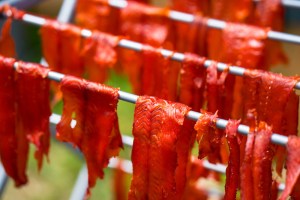 As a participant in this Challenge, you will join others in reshaping and fostering resilience within our local and regional food systems while increasing community wellness for both the short and long-term. We ask you to deepen your involvement in the local food system by cultivating and elevating your personal knowledge, skills, and connection to the local food system within your community.
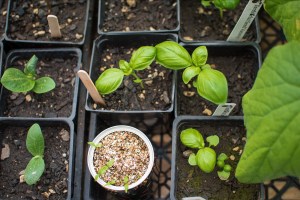 To help you on this local food journey, we will connect you to resources related to all 10 categories, and we will share stories to inspire and celebrate our successes.







 Sitka Local Foods Network
You must be logged in to post a comment.